Skincare Routine Builder
Answer three quick questions and we'll build a simple, dermatologist-aligned routine that fits your skin and your wallet.
Your Personalized Routine
Walking into a beauty store or scrolling through an online shop can feel like trying to find a needle in a haystack. With hundreds of options promising miracle results, it is easy to get overwhelmed. The truth is, there is no single "best" brand for everyone. Your skin type, specific concerns, and budget play a huge role in what actually works. Instead of chasing viral trends, let's look at the reliable heavy hitters that dermatologists consistently recommend. These are the brands built on science, not just marketing fluff.
Key Takeaways
- CeraVe is the top choice for sensitive skin and repairing the moisture barrier due to its ceramide formula.
- La Roche-Posay excels in sun protection and calming reactive skin with thermal spring water ingredients.
- The Ordinary offers high-concentration active ingredients at a fraction of the cost of luxury brands.
- Budget does not equal quality; effective actives like niacinamide and retinol work regardless of price tag.
- Consistency matters more than product complexity; a simple routine with the right ingredients wins.
Understanding the Core Players
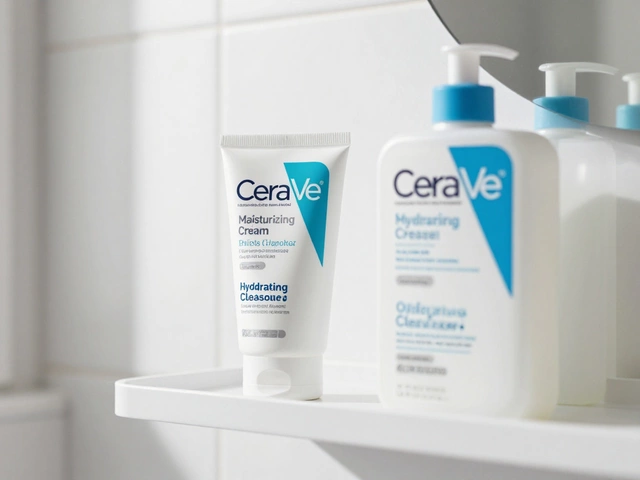
To pick the right brand, you first need to understand what they specialize in. Different companies focus on different scientific approaches. For instance, CeraVe is a dermatologist-developed brand focused on restoring the skin barrier using MVE delivery technology and essential ceramides. It was created in collaboration with the National Eczema Association. This makes it a go-to for people dealing with dryness, eczema, or general sensitivity. If your skin feels tight or flaky, this is usually the first place to start.
On the other hand, La Roche-Posay is a French pharmacy brand known for its use of thermal spring water rich in selenium to soothe irritated skin. Their products often feature a minimalist ingredient list, which reduces the risk of irritation. They are particularly strong in their sunscreen lines, offering broad-spectrum protection that doesn't leave a white cast. If you have rosacea-prone or easily red skin, their Toleriane line is a staple in many routines.
Then there is the value player: The Ordinary is a Canadian brand under DECIEM that sells single-ingredient serums and treatments at low prices. They strip away fancy packaging and marketing costs to give you pure actives. You can buy a bottle of Niacinamide 10% + Zinc 1% for a few dollars. This transparency appeals to those who want to control exactly what goes on their face without paying for branding.

Matching Brands to Skin Concerns
Your specific problem dictates which brand fits best. Let's break it down by common issues.
For Acne and Oily Skin: Look for brands that offer salicylic acid or benzoyl peroxide effectively. Paula's Choice is a US-based brand famous for its 2% BHA Liquid Exfoliant, which penetrates pores to clear congestion. It is widely considered the gold standard for chemical exfoliation. If you prefer a gentler approach, CeraVe’s Acne Control Serum uses salicylic acid but buffers it to minimize peeling.
For Anti-Aging and Fine Lines: Retinoids are the most proven anti-aging ingredient. Differin is an over-the-counter brand featuring adapalene, a retinoid that stimulates collagen production. It is affordable and available in pharmacies worldwide. For a more premium experience, Estée Lauder offers advanced formulations like Advanced Night Repair, which combines hyaluronic acid with antioxidants to hydrate and protect overnight. While pricier, the texture and stability of the formula justify the cost for many users.
For Sensitive and Reactive Skin: Keep it simple. La Roche-Posay and CeraVe dominate here. Avoid brands with heavy fragrances or essential oils unless you know your skin tolerates them well. A plain moisturizer with ceramides and a gentle cleanser is often all you need. Overloading these skins with too many active ingredients causes more harm than good.
Budget vs. Luxury: Does Price Matter?
This is the big question. Does spending $100 on a serum actually do more than a $15 one? Not always. The key lies in the active ingredients and their concentration.
| Brand | Best For | Average Price Range | Key Ingredient Focus |
|---|---|---|---|
| CeraVe | Sensitive/Dry Skin | $10 - $30 | Ceramides, Hyaluronic Acid |
| La Roche-Posay | Reactive/Rosacea | $20 - $40 | Thermal Water, Niacinamide |
| The Ordinary | Targeted Actives | $5 - $20 | Single Ingredients (e.g., AHA, BHA) |
| Paula's Choice | Acne/Exfoliation | $20 - $50 | Salicylic Acid, Lactic Acid |
| Estée Lauder | Premium Anti-Aging | $80 - $150+ | Antioxidants, Hyaluronic Acid |
Luxury brands often invest heavily in delivery systems and preservatives that keep ingredients stable. However, if a $10 serum contains 10% Niacinamide, it will likely perform similarly to a $50 serum with the same concentration. The difference is usually in the scent, the feel on the skin, and the packaging. If you are on a tight budget, stick to The Ordinary or CeraVe. If you enjoy the ritual and have the means, luxury brands offer a pleasant sensory experience alongside efficacy.
Building Your Routine: Pro Tips
Once you pick your brand, how you use it matters. Here are some practical rules to follow.
- Start Slow: Introduce one new product at a time. Wait two weeks before adding another. This helps you identify if a breakout is from the new product or something else.
- SPF is Non-Negotiable: No matter which brand you choose, you need daily sunscreen. UV damage causes more aging than wrinkles from smiling. La Roche-Posay and EltaMD are excellent choices for daily wear.
- Less is More: You don’t need ten steps. Cleanser, Moisturizer, and Sunscreen form the base. Add actives only if you have specific goals.
- Check Ingredients: Learn to read labels. If you are allergic to nuts, avoid products with almond oil. If you have acne, avoid heavy occlusives like petrolatum if they clog your pores.
Also, consider your climate. Living in a humid area like Wellington, New Zealand, might mean you need lighter, gel-based moisturizers rather than thick creams. In drier climates, you might need richer formulas. Adjust your product choices based on how your skin reacts seasonally.
Frequently Asked Questions
Is CeraVe better than La Roche-Posay?
It depends on your skin. CeraVe is generally better for very dry or eczema-prone skin because of its higher ceramide content and thicker consistency. La Roche-Posay is often preferred for oily or combination skin that needs lightweight hydration and sun protection. Both are excellent, so try small sizes if you are unsure.
Can I mix products from different brands?
Yes, absolutely. Many successful routines combine a cleanser from one brand, a serum from another, and a moisturizer from a third. Just ensure the ingredients don't conflict. For example, avoid mixing strong acids with retinoids in the same step unless you have experienced skin.
What is the best cheap skincare brand?
The Ordinary is widely regarded as the best value for money. It provides effective, high-concentration actives at very low prices. CeraVe is also a top budget-friendly option for basic care like cleansing and moisturizing without breaking the bank.
Do I need expensive products to see results?
No. Results come from consistent use of effective ingredients, not the price tag. A $15 retinol cream used every night will outperform a $100 cream used once a week. Focus on finding the right active ingredients for your concern and sticking to a routine.
Which brand is best for beginners?
CeraVe or La Roche-Posay are ideal for beginners. Their products are gentle, fragrance-free, and designed to maintain skin health without causing irritation. Start with their basic cleansers and moisturizers before experimenting with stronger actives.