Anti-Aging Ingredient Evaluator
Retinoids
Gold Standard Anti-Aging
Effectiveness for Selected Concern
Retinoids are the only topical ingredient proven to reverse signs of aging by boosting collagen synthesis and speeding up cell turnover.
Pros
- Proven to reduce fine lines
- Improves skin texture
- Fades dark spots
Considerations
- Can cause irritation/redness
- Requires gradual introduction
- Must use with sunscreen
Realistic Expectation
Expect a "retinization" period where skin may peel or get red for the first few weeks. Push through it. Start slow—twice a week—and build up. If pregnant, skip this entirely.
You’ve seen the ads. The airbrushed models with skin so smooth it looks like plastic. They promise to erase ten years in ten days with a jar of cream that costs more than your weekly groceries. It’s tempting, right? But here’s the hard truth: most anti-aging products are just expensive moisturizers with fancy packaging. That doesn’t mean they’re all useless. Some actually work. Others are marketing hype. The difference comes down to ingredients, not brand names.
If you’re wondering whether to spend your money on these creams or save it for a vacation, you need to know what science says. We’re cutting through the noise. No fluff, no jargon. Just the facts about what penetrates your skin, what stays on the surface, and what you can realistically expect.
The Quick Truth About Anti-Aging
Before we break down the ingredients, here is the bottom line:
- Sunscreen is king. Nothing else works as well at preventing aging.
- Retinoids are queen. They are the only topical ingredient proven to reverse some signs of aging.
- Vitamin C helps. It protects against damage but won’t erase deep wrinkles alone.
- Hyaluronic Acid hydrates. It plumps skin temporarily but doesn’t rebuild structure.
- Creams don’t lift sagging skin. Gravity wins. Only procedures fix significant laxity.
Why Skin Ages (And Why Creams Struggle)
To understand if products work, you have to understand the problem. Your skin ages for two reasons: intrinsic aging (time) and extrinsic aging (environment). Intrinsic aging happens regardless of what you do. Collagen production slows down by about 1% per year after age 25. Elastin fibers degrade. Cells turn over slower.
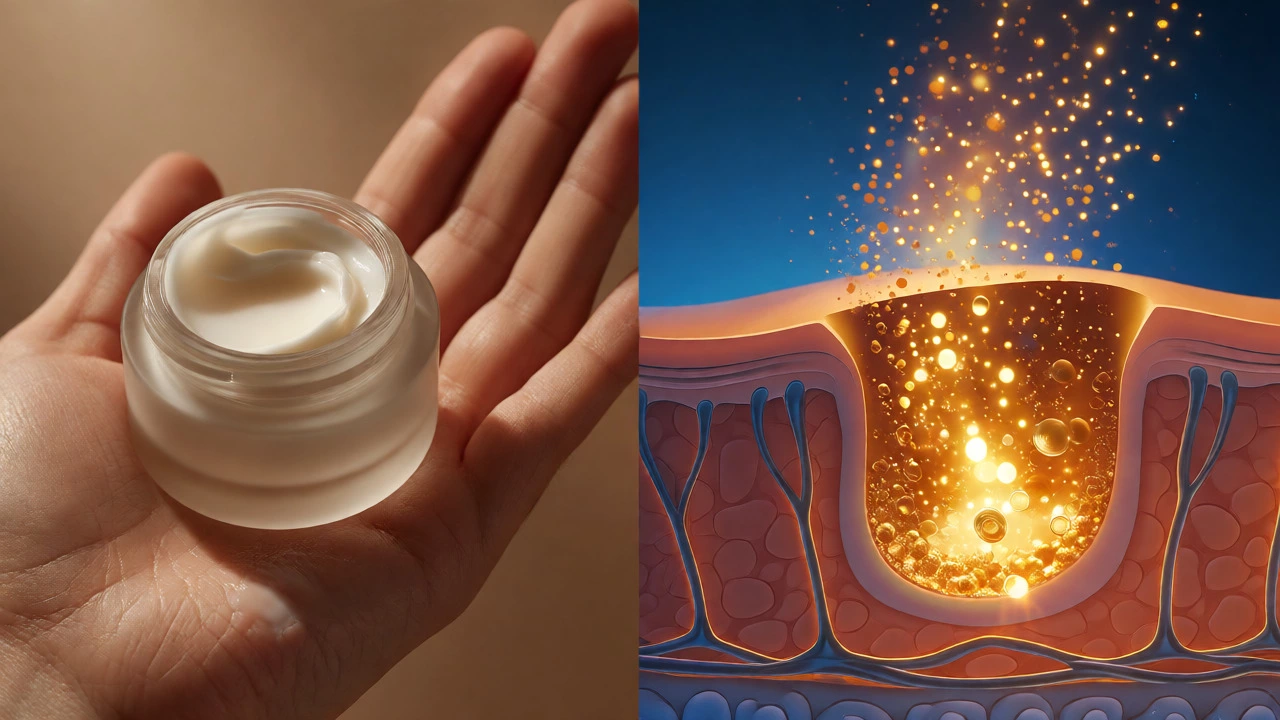
Extrinsic aging is worse. UV radiation causes up to 80% of visible facial aging. This is called photoaging. Pollution, smoking, and poor sleep add to the damage. When you apply a cream, you’re fighting biology and physics. The stratum corneum (the outer layer of skin) is designed to keep things out. Most molecules in creams are too big to penetrate deeply. They sit on top, hydrating the surface. That feels nice, but it doesn’t change the structural collapse happening underneath.
The Ingredients That Actually Have Proof
Not all ingredients are created equal. Here are the ones with solid clinical backing.
Retinoids: The Gold Standard
If you buy one anti-aging product, make it a retinoid. This class includes retinol (over-the-counter) and tretinoin (prescription strength). Retinoids belong to the family of vitamin A derivatives. They communicate with cells, telling them to behave younger. They speed up cell turnover, boost collagen synthesis, and fade dark spots.
Tretinoin is a prescription-strength retinoid derived from vitamin A that binds to nuclear receptors in skin cells to increase collagen production and reduce fine lines. Unlike over-the-counter retinol, which must convert into retinoic acid within the skin, tretinoin is already active. Studies show consistent use over six months reduces fine lines and improves texture significantly.
Expect a "retinization" period. Your skin might peel or get red for the first few weeks. Push through it. Start slow-twice a week-and build up. If you’re pregnant, skip this entirely.
Sunscreen: The Preventative Powerhouse
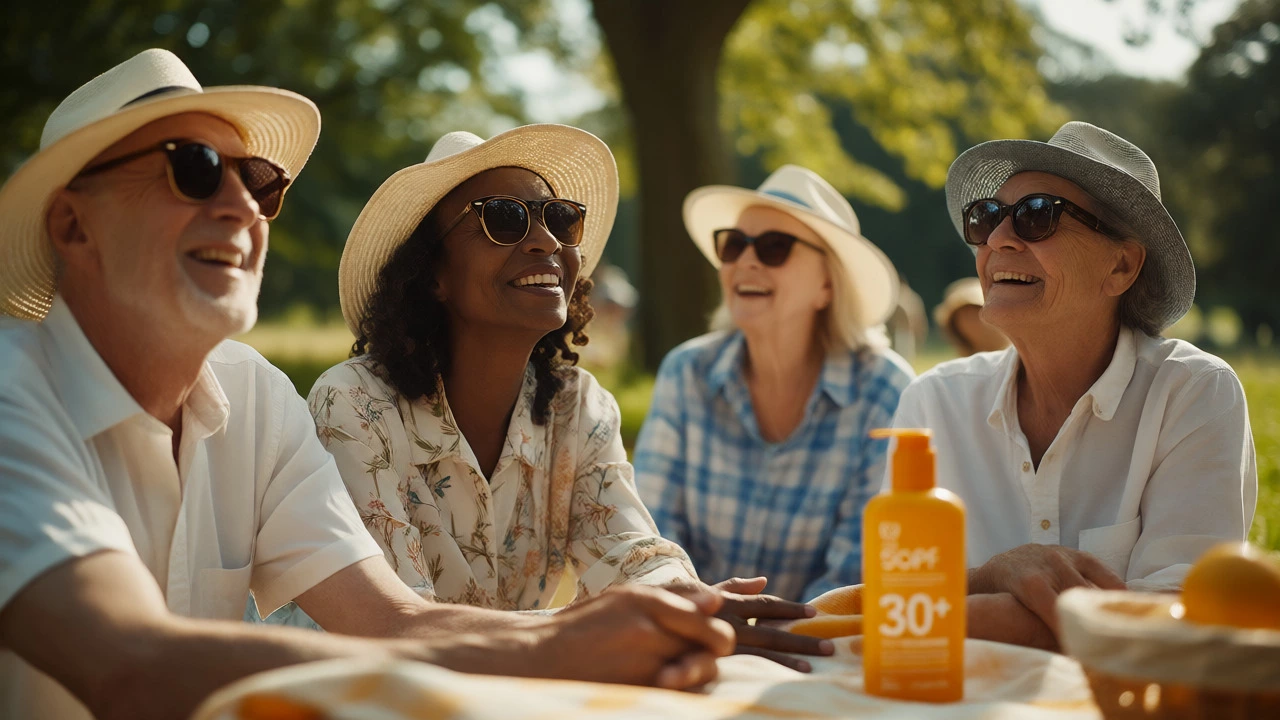
You cannot undo sun damage easily. You can prevent new damage. Sunscreen isn’t just for beach days. UVA rays (the aging rays) penetrate clouds and glass. Daily SPF 30+ application prevents further breakdown of collagen and elastin. Without sunscreen, other treatments are wasted effort. It’s like mopping the floor while leaving the faucet running.
Vitamin C: The Brightener
L-ascorbic acid is the purest form of Vitamin C used in skincare. It’s an antioxidant. It neutralizes free radicals caused by pollution and UV exposure. It also inhibits melanin production, helping with hyperpigmentation. However, Vitamin C is unstable. It oxidizes quickly when exposed to light and air. Look for opaque, air-tight packaging. If it turns brown, it’s dead.
Niacinamide: The Gentle Multitasker
Niacinamide (Vitamin B3) strengthens the skin barrier. It reduces inflammation and evens out skin tone. It’s less irritating than retinoids, making it great for sensitive skin. While it doesn’t rebuild collagen like retinoids, it creates a healthier environment for skin to function. Use it alongside other actives without worry.
The Hype vs. Reality Check
Let’s look at the popular claims that often miss the mark.
Collagen Creams
Here’s a simple fact: Collagen molecules are too large to penetrate the skin barrier. When you apply a collagen cream, it sits on top. It acts as a humectant, drawing moisture to the surface. This makes skin feel soft and look plump temporarily. But it does not absorb into the dermis to replace lost collagen. You can’t feed your skin collagen from the outside. You stimulate it from the inside (with retinoids or microneedling).
Hyaluronic Acid
Hyaluronic Acid (HA) holds up to 1,000 times its weight in water. It’s fantastic for hydration. Dry skin looks older because dehydration emphasizes fine lines. HA fills those gaps instantly. But remember, it’s temporary. Wash your face, and the effect diminishes. Also, in very dry climates, HA can pull moisture from deeper skin layers if there isn’t enough humidity in the air. Always seal it with a moisturizer.
Peptides
Peptides are short chains of amino acids. They signal skin cells to produce more collagen. Some studies show promise, particularly with copper peptides. However, the evidence isn’t as robust as retinoids. They are gentle and safe, so they’re worth trying if you can’t tolerate stronger actives. Don’t expect miracles, though. They support maintenance rather than major repair.
What Products Can’t Fix
Topical products have limits. Knowing where they stop saves you disappointment.
| Issue | Topical Product Effectiveness | Professional Procedure Option |
|---|---|---|
| Fine Lines | High (Retinoids) | Microneedling, Lasers |
| Dark Spots | Medium (Vit C, Niacinamide) | Chemical Peels, IPL |
| Deep Wrinkles | Low | Fillers, Botox |
| Sagging/Jowls | None | Ultherapy, Facelift |
| Pore Size | Low (Retinoids help slightly) | Laser Resurfacing |
If your cheeks have dropped due to gravity, no cream will lift them back up. If you have dynamic wrinkles (crow’s feet that appear when you smile), creams soften them but don’t freeze the muscle. For structural changes, you need injectables or energy-based devices.
Building a Routine That Works
You don’t need twelve steps. You need consistency with the right tools. Here is a realistic, effective routine for someone starting out.
- Morning Cleanse: Use a gentle, non-stripping cleanser. Hot water damages the barrier; use lukewarm.
- Vitamin C Serum: Apply to dry skin. Wait 60 seconds for absorption.
- Moisturizer: Lock in hydration. Choose one with ceramides if you have a compromised barrier.
- Sunscreen: Non-negotiable. SPF 30 minimum. Reapply if you’re outdoors for hours.
- Evening Cleanse: Remove makeup and sunscreen thoroughly. Double cleansing helps if you wear heavy makeup.
- Retinoid: Apply a pea-sized amount to the whole face. Avoid the immediate eye area initially.
- Moisturizer: Apply generously to counteract potential dryness from the retinoid.
Start with every third night. Increase frequency as tolerated. Consistency beats intensity. Using a strong product once a month does nothing. Using a moderate product daily works wonders.
Budget Matters: Where to Spend
Does price equal performance? Not always. You can find effective retinol at the drugstore. Formulation matters more than brand prestige. Look for stable packaging (airless pumps or opaque tubes). Avoid jars where you dip fingers in, introducing bacteria and degrading antioxidants.
Splurge on serums with high concentrations of active ingredients. Save on cleansers and basic moisturizers. A $15 cleanser cleans just as well as a $50 one. The value is in the leave-on treatment.
Lifestyle Factors You Can’t Buy
No product counteracts chronic stress, poor sleep, or a diet high in sugar. Glycation (sugar binding to proteins) damages collagen, making it stiff and brittle. Sleep is when your skin repairs itself. Smoking constricts blood vessels, starving skin of oxygen. These factors accelerate aging faster than any cream can reverse. Treat your body like the engine that powers your skin.
How long does it take to see results from anti-aging products?
Hydration benefits from hyaluronic acid or moisturizers are immediate. For structural changes like reduced fine lines or improved texture from retinoids, expect 3 to 6 months of consistent use. Cell turnover cycles take about 28 days, so multiple cycles are needed to see visible transformation.
Can I use retinol and vitamin C together?
Yes, but timing matters. Use Vitamin C in the morning to protect against daytime environmental damage. Use retinol at night to repair while you sleep. Using them simultaneously can sometimes cause irritation or reduce efficacy depending on pH levels, so splitting them is safer and more effective.
Is expensive skincare better than drugstore brands?
Not necessarily. Many drugstore brands use the same active ingredients as luxury brands. Price often reflects marketing, packaging, and fragrance rather than superior formulation. Focus on the ingredient list and concentration percentages instead of the brand name or price tag.
Do natural or organic anti-aging products work?
Some do, but 'natural' doesn't automatically mean effective or safe. Essential oils can be irritating. However, plant-derived antioxidants like green tea extract or bakuchiol (a retinol alternative) have shown promise. Look for clinical studies supporting specific botanical ingredients rather than relying solely on the 'organic' label.
At what age should I start using anti-aging products?
Prevention starts early. Wear sunscreen daily from childhood. Introduce antioxidants like Vitamin C in your mid-20s. Consider low-concentration retinoids in your late 20s or early 30s as preventive care. It's easier to prevent damage than to reverse it later.