Glass Skin Readiness Calculator
Answer these quick questions to see how close you are to that mirror-like glow. Remember: Glass skin is a state of health, not just a filter.
Enter your details above to calculate your score.
Personalized Tip:
You’ve seen those photos on Instagram where the model’s face looks like it’s made of polished marble. No pores, no texture, just a sheer, translucent glow that seems almost impossible to achieve without a filter or a ring light. It’s called glass skin, and while the term originated in Korean beauty communities, the concept is universal: it’s about maximizing hydration and minimizing surface irregularities to create a reflective, dewy finish. But here’s the truth nobody tells you in those 15-second Reels-glass skin isn’t a single product you buy; it’s a state of health your skin reaches when it’s perfectly balanced, hydrated, and protected. If you’re chasing that look with aggressive scrubs and ten-step routines, you might actually be pushing your skin further away from that mirror-like shine.
What Glass Skin Actually Is (And Isn’t)
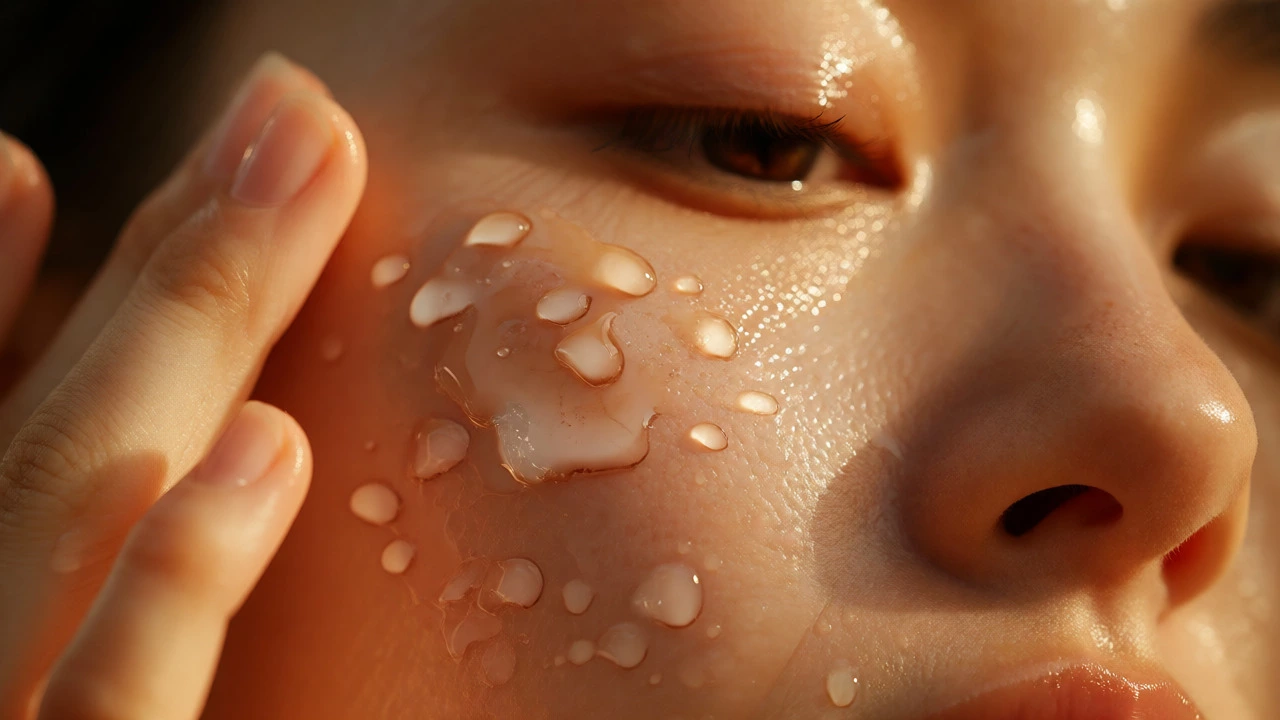
Before we talk products, let’s clear up the biology. Glass skin is not a medical condition but a cosmetic ideal describing skin that appears smooth, poreless, and luminous due to optimal hydration levels and a healthy lipid barrier. When your skin cells are plump with water, they reflect light more evenly. Think of it like a car waxed to perfection versus one covered in dust. The dust scatters light, making the surface look dull. Water fills the gaps between cells, creating a smooth plane that reflects light directly back to the viewer.
This doesn’t mean you need zero texture. Pores are necessary-they’re how your skin breathes and releases oil. Glass skin simply means those pores aren’t clogged or stretched by inflammation. It also doesn’t mean oily skin. In fact, if your T-zone is greasy but your cheeks are dry, you won’t get that uniform glow. You need balance. This requires understanding your specific skin type, whether you’re dealing with acne-prone skin, dry skin, or combination skin. The goal is always the same: a resilient barrier that holds moisture like a sponge.
The Core Pillars: Hydration and Barrier Repair
If you only change two things in your routine, make them these. First, hydration. Second, barrier protection. Everything else is secondary.
Most people confuse hydration with moisturizing. They are different jobs. Hydration brings water into the skin cells; moisturizing seals it in. To get glass skin, you need both. Start with a hydrating essence or toner. Look for ingredients like hyaluronic acid, which can hold up to 1,000 times its weight in water, or glycerin, a classic humectant that draws moisture from the air. Apply this to damp skin. Yes, damp. If you apply hyaluronic acid to bone-dry skin in a low-humidity environment, it can actually pull water out of your deeper skin layers, leaving you tighter than before.
Next, seal it. Your skin barrier is a mix of lipids (fats) that keep irritants out and water in. If this barrier is compromised-say, from over-exfoliating or harsh weather-water escapes, and the skin looks flat and tired. Use a cream containing ceramides, fatty acids, and cholesterol. These mimic your skin’s natural structure. In Wellington, where the wind can strip moisture quickly, a slightly richer occlusive at night can make a massive difference in morning radiance.
Exfoliation: The Key to Smooth Texture
You can’t have a reflective surface if there’s dead skin sitting on top. That’s why exfoliation is non-negotiable for glass skin, but it’s also where most people mess up. Scrubbing with walnut shells or apricot kernels creates micro-tears that cause inflammation, leading to redness rather than glow.
Switch to chemical exfoliants. Specifically, AHAs (Alpha Hydroxy Acids) like glycolic or lactic acid work on the surface to dissolve the glue holding dead cells together. BHAs (Beta Hydroxy Acids), like salicylic acid, go deeper into the pores to clear out sebum. For glass skin, you want a gentle approach. Start using an AHA/BHA blend twice a week at night. Not every day. Over-exfoliation destroys the barrier, and a damaged barrier cannot hold the water needed for that glass-like effect.
A pro tip? Don’t skip sunscreen after exfoliating. Freshly revealed skin is more sensitive to UV damage, which causes pigmentation and collagen breakdown-two things that kill the glass skin vibe instantly.
| Ingredient Category | Specific Examples | Primary Function | Best Time to Use |
|---|---|---|---|
| Humectants | Hyaluronic Acid, Glycerin, Snail Mucin | Draws water into skin cells | Morning & Night (on damp skin) |
| Emollients | Ceramides, Squalane, Fatty Acids | Smooths cracks between cells | Night (or under makeup) |
| Occlusives | Petrolatum, Dimethicone, Shea Butter | Seals moisture in, prevents TEWL | Night (slugging) |
| Actives | Vitamin C, Niacinamide, Retinol | Brightens, evens tone, boosts collagen | AM (Vit C) / PM (Retinol) |
Brightening Agents: Vitamin C and Niacinamide
Glass skin isn’t just about texture; it’s about clarity. Dark spots, post-acne marks, and general dullness disrupt the uniform reflection of light. This is where brightening actives come in.
Vitamin C is the gold standard for daytime use. It inhibits melanin production and protects against free radical damage from pollution and UV rays. Look for L-ascorbic acid concentrations between 10% and 20%. If your skin is sensitive, try derivatives like SAP or MAP, which are gentler but still effective.
At night, consider niacinamide (Vitamin B3). It regulates oil production, strengthens the barrier, and fades hyperpigmentation. It plays nicely with almost everything, including retinol. Speaking of retinol, if you’re not already using it, start now. Retinoids speed up cell turnover, bringing fresh, glowing cells to the surface faster. Just remember: introduce them slowly. One night a week, then two. Patience pays off here; rushing leads to peeling, which looks nothing like glass.
The Lifestyle Factors You Can’t Ignore
You could spend hundreds on serums, but if your lifestyle works against you, the glow won’t stick. Skincare is external maintenance of internal health.
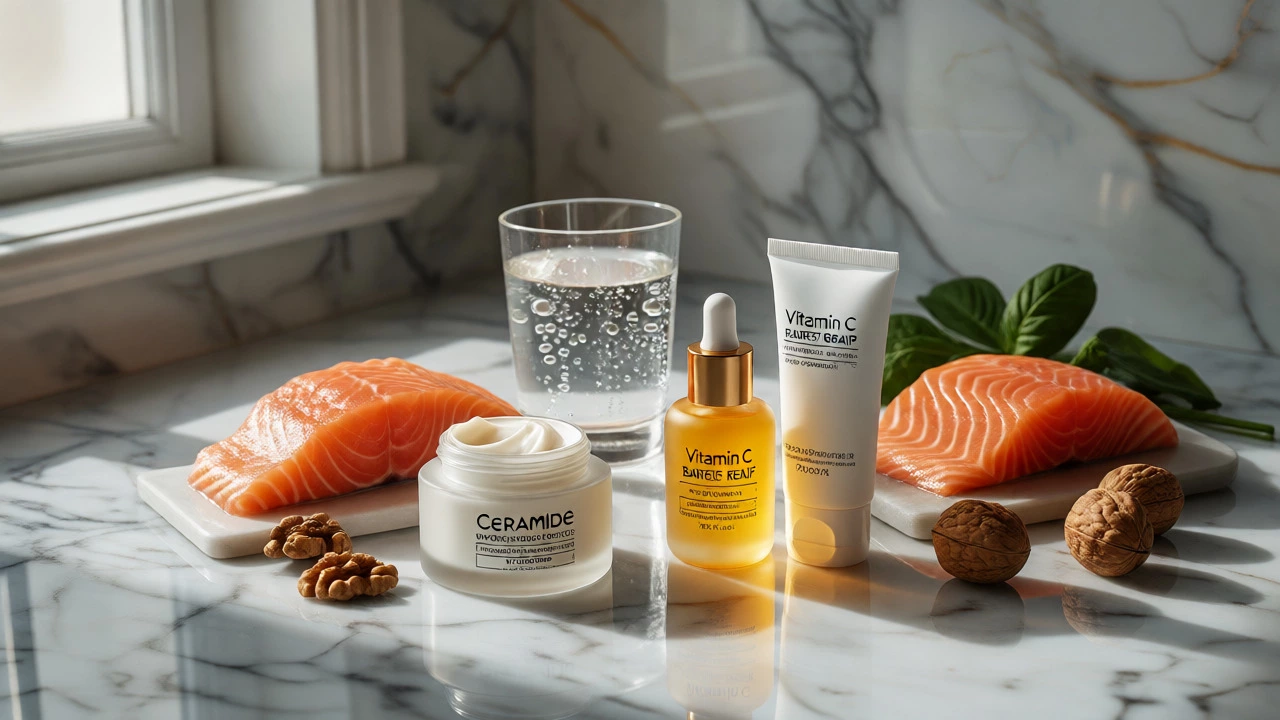
First, water intake. It sounds cliché, but dehydrated bodies prioritize vital organs over skin. Aim for consistent hydration throughout the day, not chugging a liter right before bed (that just makes you pee all night). Second, diet. High sugar intake triggers glycation, a process where sugar molecules attach to collagen fibers, making them stiff and yellowish. This leads to sagging and dullness. Incorporate omega-3 fatty acids found in salmon, walnuts, or flaxseeds to support skin elasticity and reduce inflammation.
Sleep is another critical factor. During deep sleep, your body repairs DNA damage and produces collagen. Lack of sleep increases cortisol, which breaks down collagen and increases oil production. If you’re sleeping five hours a night, no amount of serum will fully compensate for that loss. Finally, manage stress. Chronic stress triggers breakouts and eczema flare-ups, both of which ruin the smooth canvas required for glass skin.
Building Your Glass Skin Routine
Here’s a practical, simplified routine tailored for achieving that reflective finish. Adjust based on your skin type, but keep the core steps intact.
- Morning:
- Gentle cleanser (non-stripping).
- Hydrating toner or essence (apply to damp skin).
- Vitamin C serum.
- Lightweight moisturizer.
- Broad-spectrum SPF 50 (non-negotiable).
- Evening:
- Oil-based cleanser (to remove SPF and makeup).
- Water-based cleanser (double cleanse).
- Chemical exfoliant (2-3 times a week) OR Treatment (Retinol/Niacinamide).
- Hydrating serum (Hyaluronic Acid).
- Rich moisturizer with ceramides.
- Optional: Occlusive layer (slugging) on very dry areas.
Note the double cleansing at night. Residual sunscreen and pollution particles can oxidize on the skin overnight, causing dullness. An oil cleanser dissolves these without stripping your natural oils.
Troubleshooting Common Roadblocks
If you’re doing everything right but still don’t see the glow, check these common pitfalls.
Product Pilling: If your serums roll up into little balls, you’re likely applying too much product or layering incompatible formulas (like silicone-heavy primers over water-based serums). Wait 60 seconds between layers to let each absorb.
Gray Cast: Some mineral sunscreens leave a white or gray cast, especially on deeper skin tones. This kills the glass skin illusion. Switch to a hybrid or chemical sunscreen that blends invisibly.
Over-Moisturizing: More isn’t better. If your skin feels sticky or congested, you might be suffocating it. Try skipping the heavy cream for a few nights and see if your skin bounces back with its own natural radiance.
Can I get glass skin naturally?
Yes, but "naturally" usually refers to lifestyle habits and basic skincare rather than complex procedures. Focus on drinking enough water, eating anti-inflammatory foods rich in antioxidants, getting adequate sleep, and maintaining a simple routine centered on hydration and sun protection. Consistency over months yields better results than quick fixes.
Is glass skin suitable for oily skin types?
Absolutely. Oily skin can actually achieve the glass skin look more easily because it has natural shine. However, oily skin needs lightweight, non-comedogenic hydration. Avoid heavy creams that clog pores. Instead, use gel-based moisturizers and ensure you're not over-cleansing, which can trigger rebound oil production.
How long does it take to see glass skin?
Skin cell turnover takes about 28 days on average, so expect noticeable changes after 4-6 weeks of consistent care. Significant transformation often takes 3-6 months as the skin barrier repairs itself and collagen density improves. Immediate hydration effects are visible within days, but the structural "glow" takes time.
Do I need expensive products for glass skin?
No. Many drugstore brands offer high-quality formulations of key ingredients like hyaluronic acid, niacinamide, and ceramides. Price often correlates with packaging and marketing rather than efficacy. Focus on ingredient lists and concentration percentages rather than brand prestige.
What is the biggest mistake people make trying to get glass skin?
The biggest mistake is compromising the skin barrier through over-exfoliation or using too many active ingredients simultaneously. A damaged barrier leaks moisture, leading to dehydration and inflammation, which creates a rough, textured surface instead of a smooth, reflective one. Less is often more.