Cruelty-Free Status Checker
Brand Profile Configuration
Adjust the settings below to simulate different brands. Try matching Vaseline's profile to see why it fails.
Analysis Result
Not Cruelty-Free
This configuration does not meet the standards for ethical certification.
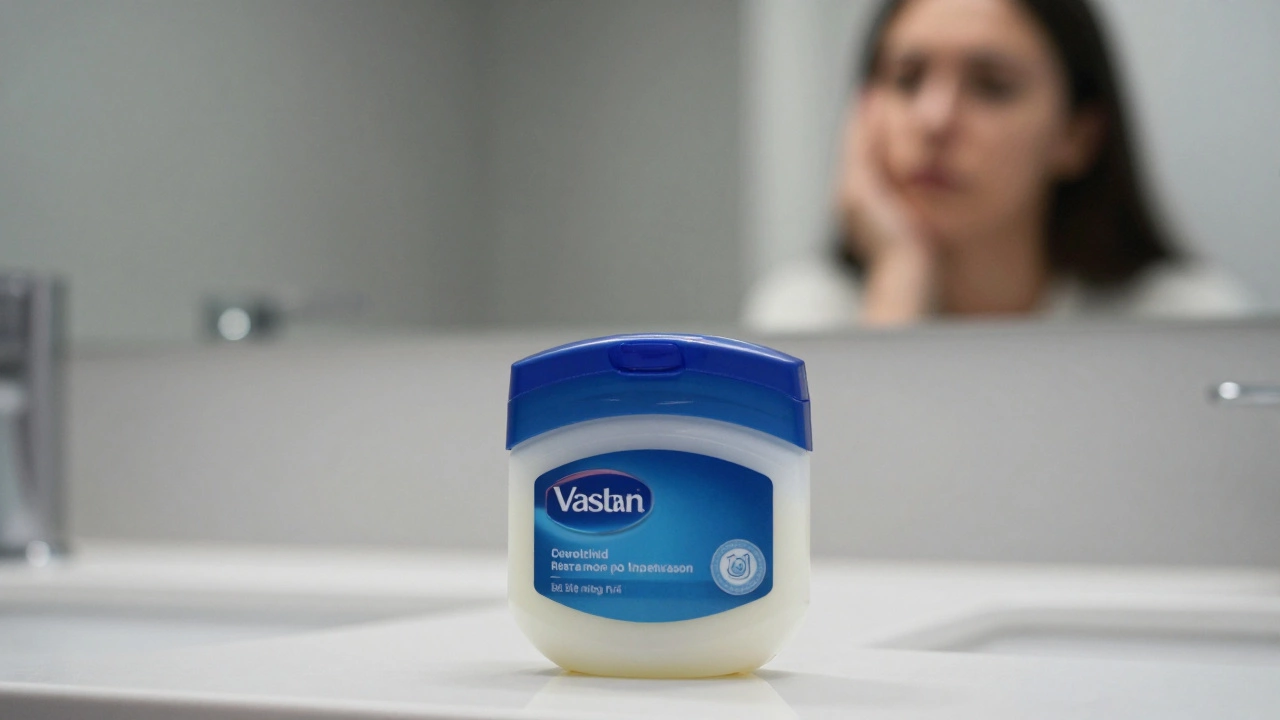
You pick up a jar of Vaseline is a brand of petroleum jelly products owned by Unilever. It’s cheap, it’s everywhere, and you’ve probably had one sitting in your bathroom cabinet for years. But lately, you’ve started reading labels more carefully. You see the term "cruelty-free" on moisturizers and mascaras, and you wonder: does that little blue jar meet the same standard? Is Vaseline cruelty-free?
The short answer is no. If you are looking for a product that guarantees no animal testing at any stage of production, Vaseline is not it. However, the reality is a bit more complicated than a simple yes or no. To understand why, we need to look at who owns the brand, where they sell their products, and what laws force them to test on animals.
Who Owns Vaseline?
To understand Vaseline’s stance on animal testing, you first have to look at its parent company. Vaseline is owned by Unilever is a British-Dutch multinational consumer goods company.. Unilever is a giant in the personal care industry, owning hundreds of brands ranging from Dove and Axe to Ben & Jerry’s and Hellmann’s.
Unilever has stated publicly that they want to end animal testing. They have invested heavily in alternative testing methods, such as using human skin models and computer simulations. In fact, they claim that over 95% of their ingredients are tested using these non-animal methods. That sounds promising, right? So why isn’t Vaseline considered cruelty-free?
The problem lies in the remaining 5%. More importantly, it lies in the markets Unilever chooses to sell in. While the company says they don’t *want* to test on animals, they do sell in countries where the law *requires* them to do so. This distinction is crucial for anyone trying to shop ethically.
The China Loophole Explained
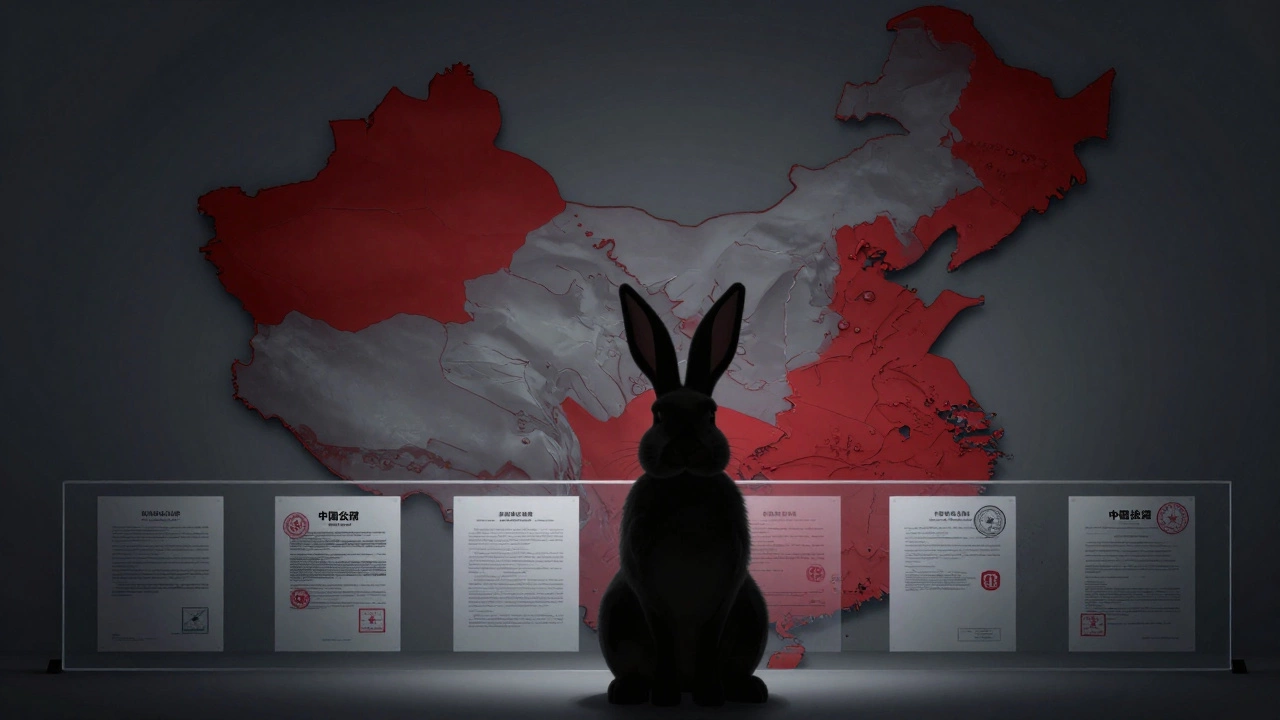
For years, the main reason big beauty brands weren’t cruelty-free was China. Chinese law historically required all imported cosmetics to be tested on animals before they could hit store shelves. If you sold your lipstick in Beijing, you had to let officials test it on rabbits. Simple as that.
In 2021, China updated its regulations. They removed the mandatory post-market animal testing for most "ordinary" cosmetics like shampoos, lotions, and lip balms. This opened the door for many international brands to enter the market without testing on animals, provided they met strict safety documentation requirements.
However, there is still a catch. "Special use" cosmetics-which include sunscreens, hair dyes, and products claiming to change skin color or treat acne-still often face mandatory animal testing. Furthermore, if a product causes an adverse reaction after it’s been sold, Chinese authorities can demand new animal tests as part of their investigation.
Because Unilever sells Vaseline in China, they remain subject to these potential demands. As long as a brand sells in a market where animal testing is legally mandated or potentially triggered by regulators, they cannot be certified as cruelty-free by organizations like Leaping Bunny or PETA.
Does Vaseline Test on Animals Directly?
This is a common point of confusion. Does Unilever walk into a lab and order a monkey to be tested with petroleum jelly? Generally, no. Unilever states that they do not conduct animal testing unless required by law. They rely on existing safety data for ingredients like petrolatum (the medical name for petroleum jelly), which has been used safely for over a century.
Petrolatum itself is not a new ingredient. Its safety profile is well-established through decades of research, much of which was conducted before modern cruelty-free standards existed. Because the ingredient is already deemed safe by regulatory bodies worldwide, Unilever doesn’t need to run new animal tests just to sell Vaseline in Europe or the US.
But here’s the kicker: even if Unilever doesn’t test directly, they pay for it indirectly. By choosing to sell in markets like China, they accept the legal framework that allows-and sometimes requires-animal testing. For many ethical consumers, this complicity is enough to disqualify the brand.
Certifications Matter
If you’re shopping for cruelty-free products, you shouldn’t just take a brand’s word for it. Look for independent certifications. The two gold standards are:
- Leaping Bunny: This is the most rigorous certification. Brands must prove that neither they nor their suppliers test on animals, and they must agree to monitor their supply chain annually.
- PETA’s Beauty Without Bunnies: This program is easier to join. Brands sign a statement affirming they don’t test on animals, but PETA doesn’t actively audit their supply chains as strictly as Leaping Bunny.
Vaseline holds neither of these certifications. Why? Because to get certified, a brand must promise not to sell in countries where animal testing is required. Since Unilever refuses to pull Vaseline out of China, they can’t earn the badge.
| Feature | Vaseline (Unilever) | The Ordinary (Deciem) | Badger Balm |
|---|---|---|---|
| Animal Testing Policy | Sells in markets requiring testing | No animal testing anywhere | No animal testing anywhere |
| Certification | None | Leaping Bunny | Leaping Bunny & Vegan |
| Main Ingredient | Petrolatum (Petroleum Jelly) | Plant-based oils/butters | Beeswax & Plant Oils |
| Price Point | Very Low ($3-$5) | Moderate ($8-$15) | Moderate ($7-$10) |
| Availability | Global (including China) | Most regions (excluding China) | Most regions (excluding China) |
Why Do People Still Buy Vaseline?
It’s worth asking why Vaseline remains so popular despite its lack of cruelty-free status. The answer is efficacy and price. Petroleum jelly is an occlusive agent, meaning it creates a physical barrier on top of your skin. It locks in moisture incredibly well. Nothing beats it for healing cracked lips, soothing diaper rash, or protecting chapped elbows.
Plus, it’s cheap. A tub of Vaseline costs less than a cup of coffee. For many people, especially those in developing economies or students on a tight budget, the ethical trade-off feels necessary. They prioritize the immediate benefit and low cost over the abstract issue of animal testing.
There’s also a misconception that because petroleum comes from oil, it’s inherently bad for animals. While the extraction of crude oil has environmental impacts, the refining process into pharmaceutical-grade petrolatum doesn’t involve direct animal harm. The animal testing issue is purely about regulatory compliance in certain countries, not the manufacturing process itself.
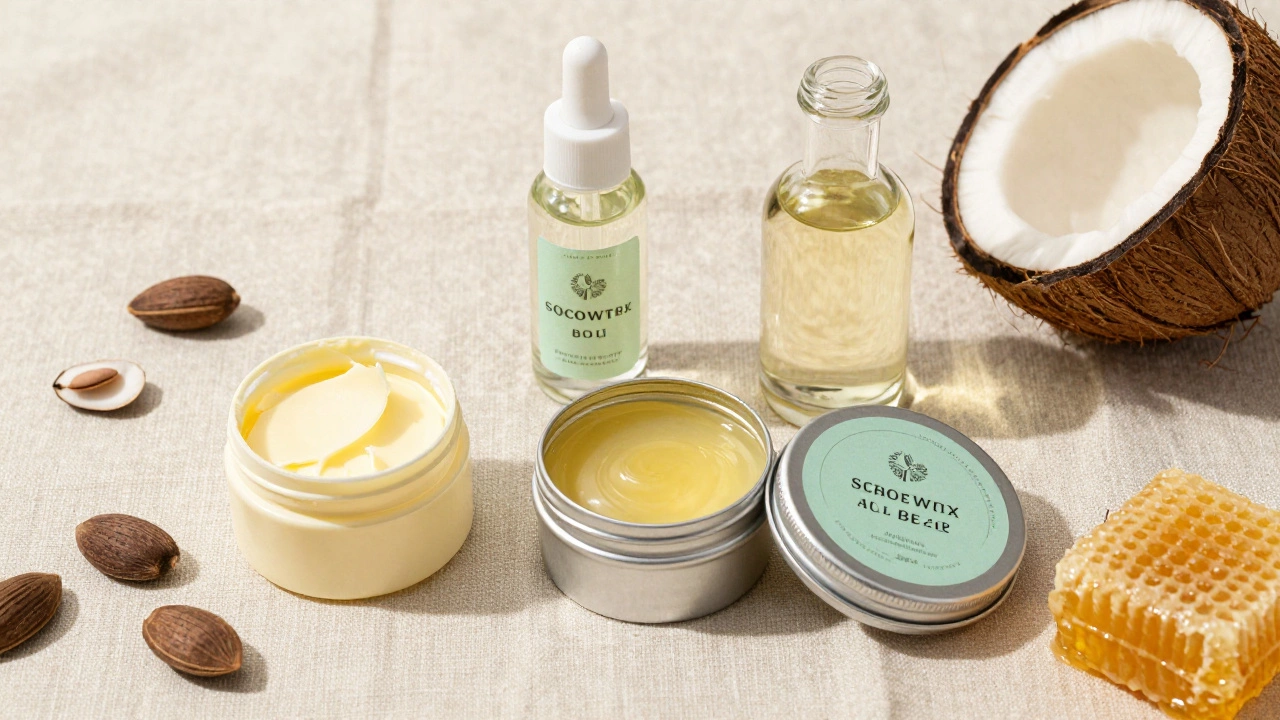
What Are Your Alternatives?
If you love the feel of a heavy ointment but want to avoid supporting animal testing, you have options. The key is finding plant-based occlusives that mimic the barrier function of petroleum jelly.
Shea Butter: Raw shea butter is thick, rich, and deeply moisturizing. It’s naturally derived from the nuts of the African karite tree. Brands like Lush is a British personal products company known for handmade cosmetics. offer pure shea butter balms that are certified cruelty-free.
Coconut Oil: While lighter than Vaseline, coconut oil is excellent for dry skin. It’s antimicrobial and smells great. Just make sure you buy organic, cold-pressed oil from a brand that doesn’t sell in China.
Beeswax Balms: If you aren’t vegan, beeswax is a fantastic natural alternative. It’s solid at room temperature but melts on contact with skin, creating a protective layer. Badger Balm is an American company specializing in natural salves and balms. is a popular choice here. Note: Beeswax is not vegan, but it is cruelty-free if sourced ethically.
Plant-Based Ointments: Many indie brands now create "petrolatum-free" ointments using blends of jojoba oil, squalane (from olives, not sharks), and candelilla wax. These provide similar slip and protection without the fossil fuel origin or animal testing concerns.
Is Petrolatum Ethical?
Beyond animal testing, some people question whether using petroleum-derived products is ethical due to environmental concerns. Crude oil extraction contributes to pollution and climate change. However, pharmaceutical-grade petrolatum is highly refined, removing impurities like polycyclic aromatic hydrocarbons (PAHs).
From an environmental standpoint, plant-based alternatives generally have a lower carbon footprint. Growing shea trees or coconuts sequesters carbon, whereas extracting oil releases it. If sustainability is part of your ethical framework, switching to plant-based balms makes sense alongside avoiding animal testing.
How to Spot Greenwashing
Big companies are good at marketing. You might see phrases like "We love animals" or "Never tested on rabbits" on packaging. But read the fine print. Often, these statements come with asterisks leading to small text that says "Except where required by law."
This is greenwashing. It’s designed to make you feel good while hiding the fact that the brand still participates in animal testing indirectly. Always check the Leaping Bunny website or PETA’s list before trusting a brand’s self-proclaimed cruelty-free status. If it’s not on the official list, assume it’s not truly cruelty-free.
Is Vaseline certified cruelty-free by Leaping Bunny?
No, Vaseline is not certified by Leaping Bunny. To earn this certification, a brand must not sell in countries where animal testing is required by law, such as China. Since Unilever sells Vaseline in China, they cannot qualify for this certification.
Does Vaseline test on animals in the United States?
No, Vaseline does not test on animals in the United States. Animal testing for cosmetics is largely unnecessary and restricted in the US due to existing safety data and alternative testing methods. The issue arises only when selling in foreign markets with stricter import laws.
Can I trust Unilever's statement that they are ending animal testing?
Unilever has made significant progress in reducing animal testing and investing in alternatives. However, until they stop selling in markets that mandate animal testing, they cannot be considered fully cruelty-free. Their statements reflect their goals, not their current global practices.
What is the best cruelty-free alternative to Vaseline?
For a direct replacement, look for pure shea butter or plant-based ointments containing candelilla wax and jojoba oil. Brands like Badger Balm, Lush, and The Ordinary offer effective, certified cruelty-free alternatives that lock in moisture without animal testing.
Is petroleum jelly harmful to humans?
Pharmaceutical-grade petroleum jelly is safe for human use. It is non-comedogenic (won't clog pores) for most people and is widely recommended by dermatologists for healing dry skin and minor wounds. The concern is primarily ethical and environmental, not health-related.