Facial Treatment Finder for Women Over 60
Not sure which facial is right for you? Answer two quick questions to get a personalized recommendation tailored for mature skin.
You’ve hit 60. Your skin has changed. It’s thinner, drier, and maybe a bit looser around the jawline. You’re not looking to look 25 again-you just want to look like the best version of yourself at 60. So, which facial actually works? Spoiler alert: it’s not the one with the most expensive cream or the loudest machine.
Most women over 60 struggle with three main issues: loss of collagen (hello, wrinkles), reduced oil production (hello, dryness), and slower cell turnover (hello, dullness). Generic facials designed for 20-somethings often miss the mark because they focus on acne control rather than hydration and structural support. The right treatment targets these specific aging concerns without irritating fragile mature skin.
Mature Skin is skin that exhibits signs of chronological aging such as decreased elasticity, thinning epidermis, and reduced sebum production. Unlike younger skin, it requires gentle exfoliation and deep nourishment rather than aggressive stripping.
Understanding What Changes After 60
Before you book an appointment, you need to know what your skin is actually doing. Estrogen levels drop significantly after menopause, leading to a sharp decline in collagen. By age 60, you might have lost up to 30% of your original collagen supply. This isn’t just about lines; it’s about structural support. Your skin loses its "bounce."
Additionally, the barrier function weakens. That protective layer that keeps moisture in and irritants out becomes leaky. This makes mature skin more sensitive to harsh acids or abrasive scrubs. If you walk into a spa asking for a "deep cleanse," they might scrub you raw. You don’t need scrubbing; you need rebuilding.
The Top Contenders: Which Facial Fits Your Needs?
There isn’t one single "best" facial for every 60-year-old woman. It depends on your primary concern. Are you dealing with pigmentation? Sagging? Or just extreme dryness? Here are the four most effective options, ranked by common needs.
1. Hydrating Enzyme Facials for Dryness and Dullness
If your skin feels tight or looks grayish, start here. Enzyme Facials use natural enzymes from fruits like papaya or pineapple to dissolve dead skin cells without friction. Think of it as a slow, gentle melt rather than a sandpaper scrub. This reveals fresher skin underneath while maintaining moisture balance.
- Best for: Sensitive, dry, or dehydrated skin.
- Downtime: None. You can go straight back to work.
- Frequency: Every 4-6 weeks.
Why it works: Mature skin struggles to shed dead cells on its own. Enzymes help this process gently, allowing hydrating serums to penetrate deeper. Look for ingredients like hyaluronic acid and ceramides in the post-facial mask.
2. Microcurrent Facials for Lift and Tone
Do you hate how gravity is pulling down your cheeks? Microcurrent therapy uses low-level electrical currents to stimulate facial muscles. It’s often called a "non-surgical facelift," though that’s a bit of a stretch. It won’t replace surgery, but it can improve muscle tone and definition.
| Treatment Type | Primary Benefit | Sensitivity Level | Results Duration |
|---|---|---|---|
| Hydrating Enzyme | Glow & Moisture | Low | 1-2 Weeks |
| Microcurrent | Lifting & Toning | Low | Days to Weeks (cumulative) |
| Light Chemical Peel | Pigmentation & Texture | Medium | Months |
| Radiofrequency | Firming & Collagen | Low-Medium | Months (with maintenance) |
Microcurrent is painless. You’ll feel a slight tingling. The results are subtle but cumulative. One session gives a temporary glow; a series of six sessions can visibly lift the brow and jawline. It’s ideal if you want maintenance without needles.
3. Light Chemical Peels for Pigmentation
Sun spots and uneven tone are common complaints at 60. A light chemical peel, using mandelic acid or lactic acid, can fade these marks. Avoid strong glycolic acid peels unless your esthetician is highly experienced with mature skin-they can cause burns on thin skin.
Mandelic acid is larger in molecular size, so it penetrates slowly and evenly. This reduces irritation risk. Expect some mild flaking for two days. The payoff? Brighter, more even skin tone that lasts for months.
4. Radiofrequency (RF) Treatments for Firmness
If sagging is your main worry, RF devices heat the deeper layers of skin to stimulate new collagen production. This takes time. You won’t see dramatic changes overnight, but after three months, your skin will feel denser and firmer. It’s a long-game strategy.
What to Avoid: The Pitfalls of Aging Skin
Not all trendy treatments are safe for 60+. Here’s what to skip:
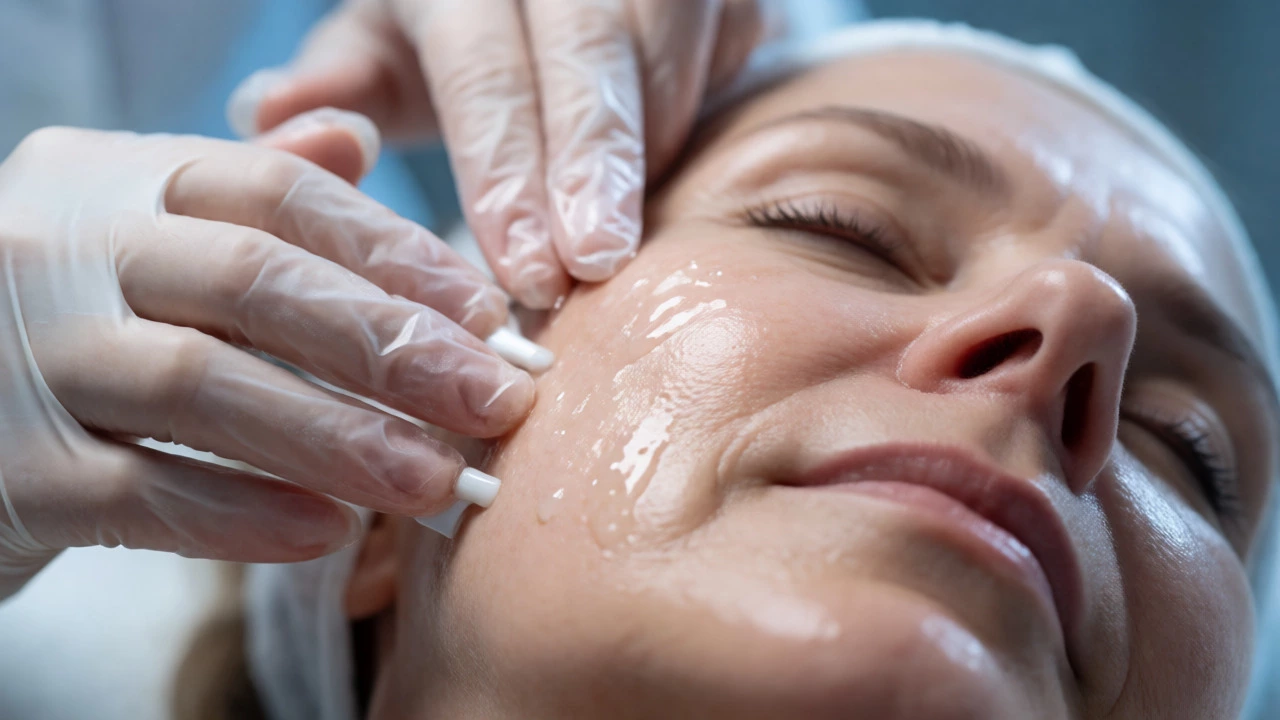
- Aggressive Microneedling: While beneficial, deep needle penetration can bruise thin capillaries common in older adults. Stick to superficial microneedling or opt for RF microneedling instead.
- Harsh Physical Scrubs: Apricot kernels or sugar scrubs create micro-tears. At 60, healing is slower. These tears lead to inflammation and hyperpigmentation.
- High-Concentration Retinols during Facials: Leave retinol for your nighttime routine. During a facial, your skin is already stressed. Adding high-dose actives can trigger redness that lasts for days.
How to Choose the Right Esthetician
The device matters less than the person holding it. Ask these questions before booking:
- "How many clients over 60 do you treat weekly?" (You want someone experienced with mature skin barriers.)
- "Can I see photos of your previous results for similar skin types?"
- "Do you customize the treatment based on my current medication or health conditions?" (Blood thinners, for example, affect bleeding risk during extractions.)
A good esthetician will do a thorough consultation. They should check your skin sensitivity, discuss your home care routine, and adjust pressure accordingly. If they rush you through a 60-minute slot without talking, walk away.
Maximizing Results at Home
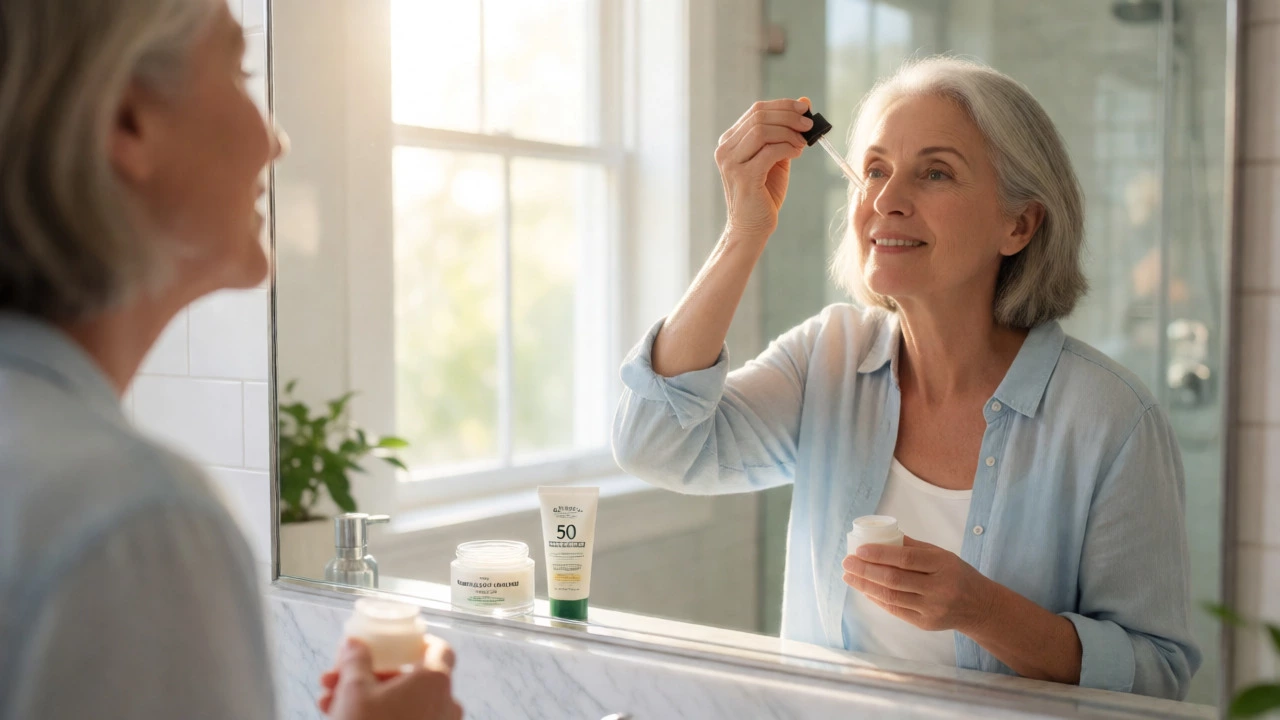
A facial is only 20% of the solution. The other 80% happens at home. To make any facial last longer, follow this simple protocol:
- Cleanse Gently: Use a cream or milk cleanser. Foaming cleansers strip natural oils.
- Hydrate Aggressively: Apply hyaluronic acid serum to damp skin, then seal with a rich moisturizer containing peptides.
- Sun Protection: Non-negotiable. UV damage undoes every benefit of your facial. Wear SPF 50 daily, even in Wellington winter.
- Nighttime Repair: Use a prescription-strength retinoid or over-the-counter bakuchiol to boost cell turnover between appointments.
Cost vs. Value: Is It Worth It?
In New Zealand, a quality facial ranges from $120 to $250 NZD. Microcurrent or RF packages cost more upfront ($150-$300 per session) but offer structural benefits. Consider the frequency. A monthly enzyme facial costs $1,440/year. A quarterly peel plus monthly hydration might be more balanced.
Don’t buy the cheapest option. Cheap facials often use lower-quality products and rushed techniques. For mature skin, precision matters. Paying extra for expertise prevents costly mistakes like broken capillaries or post-inflammatory hyperpigmentation.
Is Botox considered a facial treatment?
No, Botox is an injectable neuromodulator, not a facial. Facials are topical treatments applied to the surface or via non-invasive devices. However, many spas offer "Botox-friendly" facials that avoid pressing directly on injected areas.
How often should a 60-year-old get a facial?
Every 4 to 6 weeks is standard for maintenance. If you are undergoing a series of peels or laser treatments, your provider may recommend bi-weekly visits initially, then spacing them out.
Can I get a facial if I take blood thinners?
Yes, but inform your esthetician. They should avoid aggressive extractions or deep massage techniques that could cause bruising. Gentle hydration or enzyme facials are usually safe.
What is the difference between a peel and a resurfacing facial?
A peel involves applying acid to remove top layers of skin, causing visible shedding. Resurfacing often refers to mechanical exfoliation or milder chemical processes that don't always result in heavy peeling. For age 60+, lighter peels are preferred to minimize downtime.
Will a facial remove deep wrinkles?
No. Facials improve texture, tone, and hydration. Deep static wrinkles require injectables or surgical interventions. However, regular facials can soften the appearance of fine lines by plumping the skin with moisture.