Heavy makeup can feel like a mask, especially when you're just running errands or heading to a casual coffee date. Many of us hit a point where the thick, matte finish of a traditional base feels too much for the daily grind. But what happens when you still want to hide a few redness spots or blur some pores without feeling like your skin can't breathe? You don't actually need a full-coverage base to look polished. The secret is switching to lightweight options that treat your skin while adding just enough pigment to make you look refreshed.
Quick Summary: Your Low-Coverage Cheat Sheet
- Tinted Moisturizers: Best for dry skin and a 'no-makeup' glow.
- BB Creams: Great all-in-one for hydration and light coverage.
- CC Creams: Ideal for correcting redness or sallowness.
- Skin Tints: The sheerest option for a translucent, fresh finish.
- Spot Concealing: The minimalist approach-only cover what you need.
The Lightweight Powerhouse: Tinted Moisturizers
If your goal is to look like you just drank a gallon of water and slept ten hours, a Tinted Moisturizer is your best bet. A tinted moisturizer is essentially a skincare product-usually a lotion or cream-infused with a small amount of pigment. Unlike traditional base products, it doesn't aim to hide your skin; it just evens out the tone.
Imagine you're getting ready on a Tuesday morning. You don't want to spend twenty minutes blending a heavy cream into your jawline. You just swipe on a tinted moisturizer, and suddenly the sallow areas around your nose disappear, but your freckles still peek through. It's perfect for those with dry or dehydrated skin because the primary goal is hydration. Many modern formulas now include hyaluronic acid to pull moisture into the skin throughout the day.
BB Creams: The Multitasker
You've probably seen BB Cream (Blemish Balm) all over social media. Originally developed by dermatologists in Germany to protect skin after laser treatments, it has evolved into a beauty staple. A BB cream is like a Swiss Army knife for your face: it's a moisturizer, a primer, a light coverage base, and often a sunscreen all in one tube.
How does it differ from a tinted moisturizer? Usually, BB creams provide a bit more coverage and have more "active" skincare ingredients. If you're dealing with occasional breakouts or oily patches, a BB cream often handles those better. It's a great choice for people who want to simplify their routine. Instead of applying a separate moisturizer, SPF, and base, you just use one product. Just keep in mind that while they contain SPF, you might still need a dedicated sunscreen if you're spending the whole day in the sun.
CC Creams: The Color Correctors
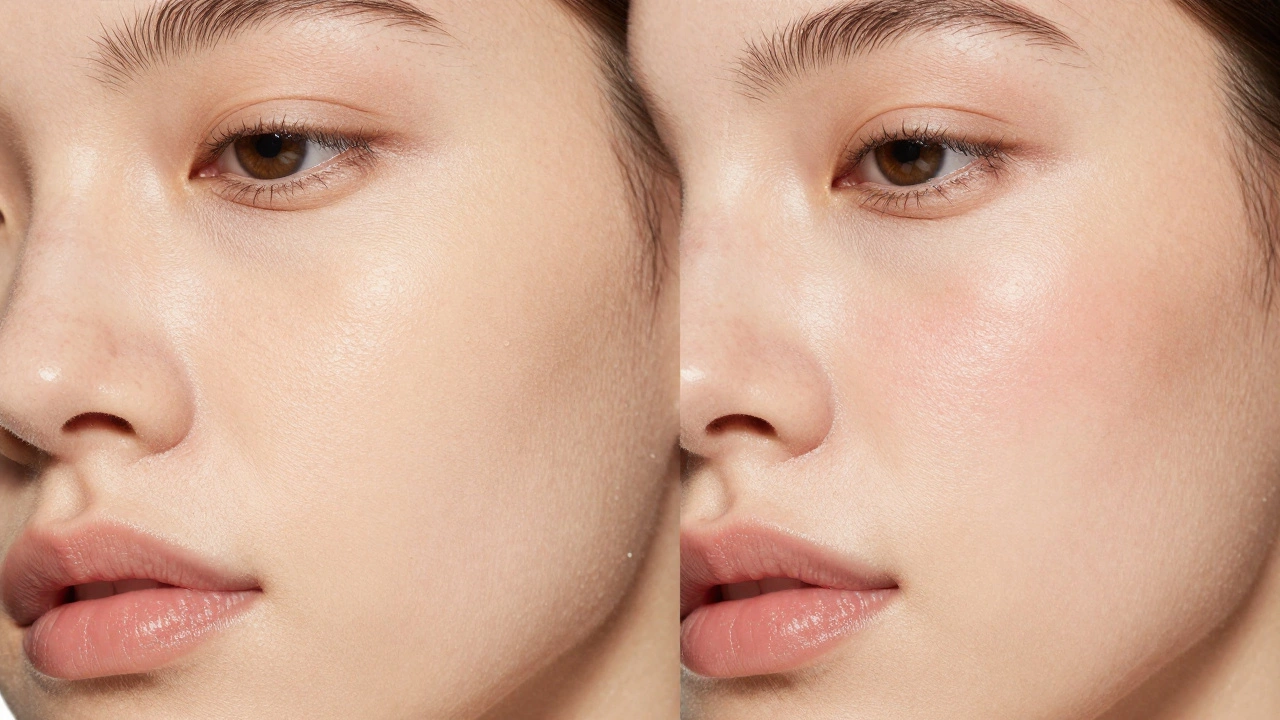
When your skin looks a bit dull, grey, or overly red, CC Cream (Complexion Correction) is the answer. While BB creams focus on general skin health, CC creams are specifically designed to target discoloration. They often contain light-reflecting pigments that neutralize redness or brighten a pale complexion.
Think of a CC cream as the bridge between a BB cream and a full foundation. It typically offers more coverage and a more "finished" look. If you have rosacea or struggle with dark spots from old acne, a CC cream can blur those imperfections without the heavy, cakey feel of a high-coverage liquid. It’s the go-to for a "professional but natural" look at the office.
| Product Type | Coverage Level | Main Benefit | Best For |
|---|---|---|---|
| Tinted Moisturizer | Very Sheer | Hydration & Glow | Dry/Normal Skin |
| BB Cream | Light to Medium | Multitasking/SPF | Combination Skin |
| CC Cream | Medium | Color Correction | Redness/Hyperpigmentation |
| Skin Tint | Ultra-Sheer | Breathability | Oily/Minimalist Skin |
Skin Tints and Serum Foundations
For the true minimalists, Skin Tints are the way to go. These are often water-based or oil-based liquids that are even sheerer than tinted moisturizers. They don't provide much "coverage" in the traditional sense, but they refine the overall look of the skin.
Then there are serum foundations. These combine high-performance pigments with a serum-like consistency. They glide on effortlessly and don't settle into fine lines. If you've ever noticed your foundation cracking around your mouth or eyes by 2 PM, a serum-based alternative is a lifesaver. Because they are thinner, they move with your face rather than sitting on top of it.
The Minimalist Method: Strategic Spot Concealing
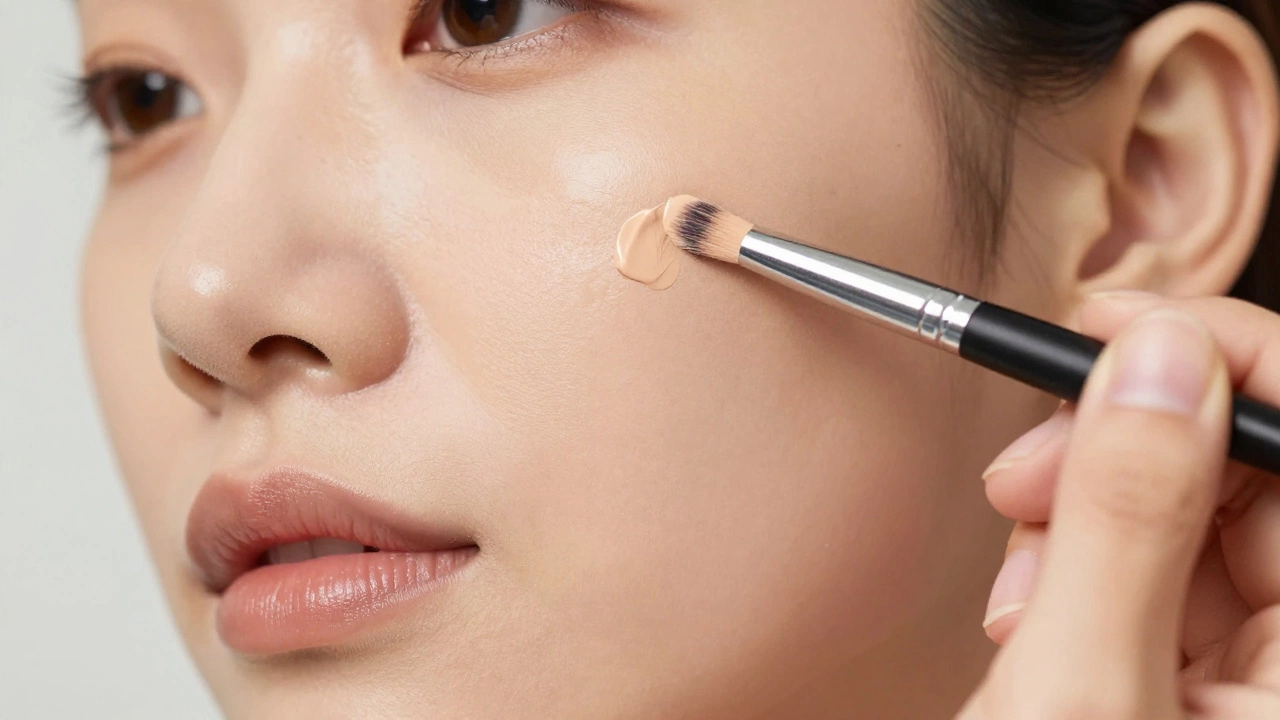
Wait, do you actually need a base at all? Many people find that the best foundation alternatives involve skipping the all-over coverage entirely. This is where Spot Concealing comes in. Instead of covering your whole face, you only apply product where it's actually needed.
Here is how to do it: leave your skin bare (or just use a glowy moisturizer). Take a high-pigment concealer and dab it only on a blemish, a dark circle, or a red spot. Blend the edges with your finger or a small brush. By leaving 90% of your skin untouched, you avoid the "heavy makeup" look entirely, and the few spots you did cover blend in seamlessly because there's no contrasting layer of foundation across the rest of your face.
Common Pitfalls to Avoid When Switching
One mistake people make when ditching foundation is choosing a product that is too oily for their skin type. If you have oily skin, a heavy tinted moisturizer might make you look greasy by lunchtime. Look for "oil-free" or "matte finish" versions of BB creams. On the flip side, if you have very dry skin, avoid matte skin tints, as they can cling to dry patches and actually highlight the texture you're trying to hide.
Another tip is to be careful with SPF. Many alternatives boast SPF 15 or 30, but to get that full protection, you have to apply a lot more product than you typically would for a makeup look. If you're spending the day outdoors, apply a dedicated Sunscreen first, let it set, and then apply your tinted product on top.
Will these alternatives cover acne scars?
Most lightweight alternatives like skin tints or tinted moisturizers won't fully hide deep scars or dark hyperpigmentation. Your best strategy is to use a CC cream for general evening-out and then use a high-coverage concealer specifically on the scars.
Can I use BB cream every day?
Yes, BB creams are designed for daily use. Because they contain moisturizing and protective ingredients, they are often gentler on the skin than heavy foundations. Just make sure to double-cleanse at night to remove the pigments and SPF.
Do I still need a primer with these products?
Usually, no. BB creams and many tinted moisturizers already have priming properties built in. If you have very large pores or extremely oily skin, you can still use a primer, but for most people, it's an unnecessary extra step.
How do I find the right shade for a sheer product?
Because these products are sheerer, you have more wiggle room with the shade. You don't need a perfect match like you do with foundation. If you're between two shades, the lighter one usually works for brightening, and the darker one works for adding warmth.
Are skin tints better for oily skin than BB creams?
Often, yes. Skin tints are typically thinner and less likely to feel "heavy" or "clogged" on oily skin. However, look for ones specifically labeled as oil-free or matte to prevent excess shine.
Next Steps for Your New Routine
If you're nervous about making the switch, start by mixing your current foundation with your favorite moisturizer in a 1:1 ratio. This creates a makeshift tinted moisturizer and lets you get used to a lower level of coverage. Once you feel comfortable, try a dedicated BB or CC cream to see which finish you prefer.
For those with sensitive skin, look for formulas that are fragrance-free and non-comedogenic. This ensures that your lightweight base doesn't cause the very breakouts you're trying to cover. Experiment with different application methods too-try using your fingers for a natural look, or a damp sponge for a more seamless, airbrushed finish.