Fine Hair Cut Matcher
Answer three simple questions to get a personalized recommendation for maximizing volume and density.
Recommended Style:
Stylist Communication Tip
Ever looked in the mirror and felt like your hair just... disappears? You’re not alone. For those of us with very thin, fine hair, the struggle is real. It’s not about having "bad" hair; it’s about physics. Fine hair strands are small in diameter, meaning they lack the structural rigidity to stand up against gravity. When you add low density (fewer hairs per square inch), the result is often flatness, visible scalp, and styles that fall apart by lunchtime. But here’s the good news: the right haircut can trick the eye and manipulate light to create the illusion of thickness where there isn’t any.
This isn’t about growing out your hair until it becomes a heavy curtain that drags your roots down. It’s about strategic cutting. As someone who has spent years analyzing hair structures in Wellington’s windy conditions, I’ve seen what works and what fails. We’re going to break down exactly which cuts maximize volume, why certain lengths fail, and how to communicate this to your stylist so you don’t walk out looking like you lost a bet.
The Physics of Fine Hair: Why Length Is Your Enemy
To understand the solution, you have to understand the problem. Fine hair is defined by its strand diameter, not its density. A person can have thick density (lots of follicles) but fine texture (small strands). The issue arises when these small strands grow long. Gravity pulls them down, causing them to clump together. This clumping exposes the scalp, making the hair look even thinner than it actually is.
Long layers are the arch-nemesis of fine hair. They remove weight from the bottom, leaving the ends sparse and wispy. Instead of bouncing, the hair hangs limp. The goal of any cut for this hair type is to maintain weight at the perimeter. Weight creates tension, and tension pushes the roots upward, creating lift at the crown. If you take too much length off, you lose that leverage.
The Blunt Bob: The Gold Standard for Volume
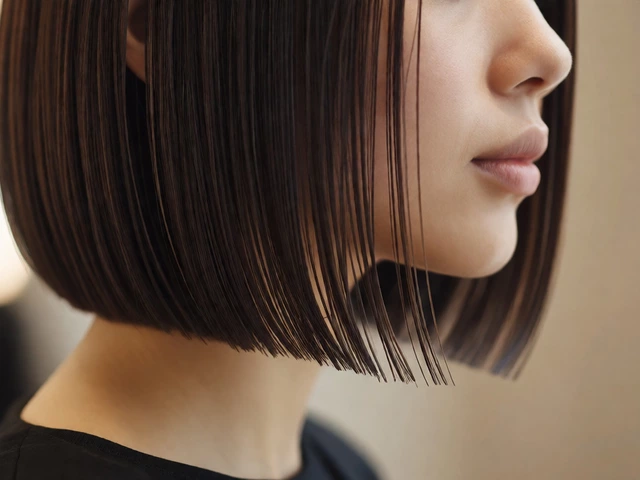
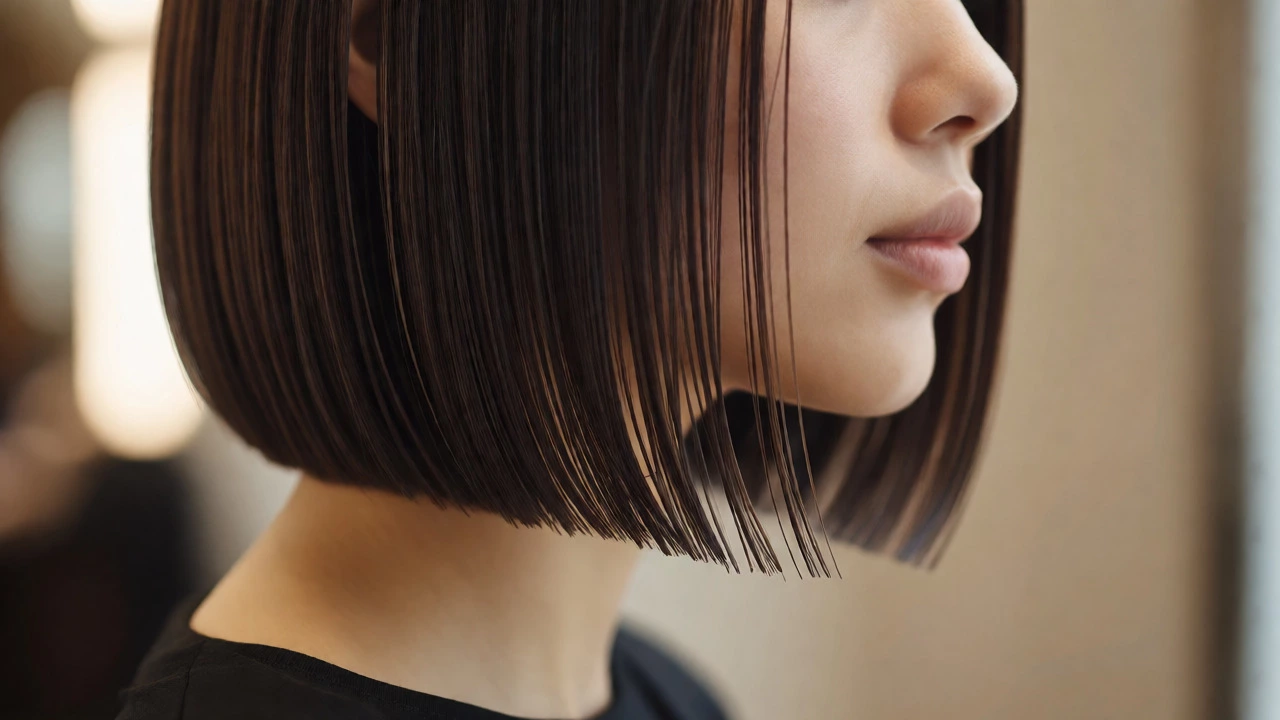
If you only remember one thing from this article, let it be this: Blunt cuts are your best friend. A blunt bob, cut straight across without layering, creates a solid visual line. This solid line tricks the brain into perceiving more density because there are no gaps between strands at the ends.
A chin-length or jaw-length bob is ideal. Why? Because it sits high enough on the head to avoid being pulled down by gravity, but long enough to style. Adding a slight inward curl at the ends (a "flip") further amplifies the illusion of fullness. If you have an oval face, a classic blunt bob works wonders. If you have a rounder face, consider a slightly longer lob (long bob) that hits the collarbone, still kept blunt at the ends.
| Cut Style | Volume Potential | Maintenance Level | Best For |
|---|---|---|---|
| Blunt Bob | High | Medium (needs frequent trims) | Creating solid lines and perceived density |
| Pixie Cut | Very High | Low | Maximum lift and modern aesthetics |
| Long Layers | Low | High (styling required) | Those unwilling to go short (often risky) |
| Shag | Medium-High | Medium | Adding texture without removing all length |
The Pixie Cut: Embracing Shortness for Maximum Lift
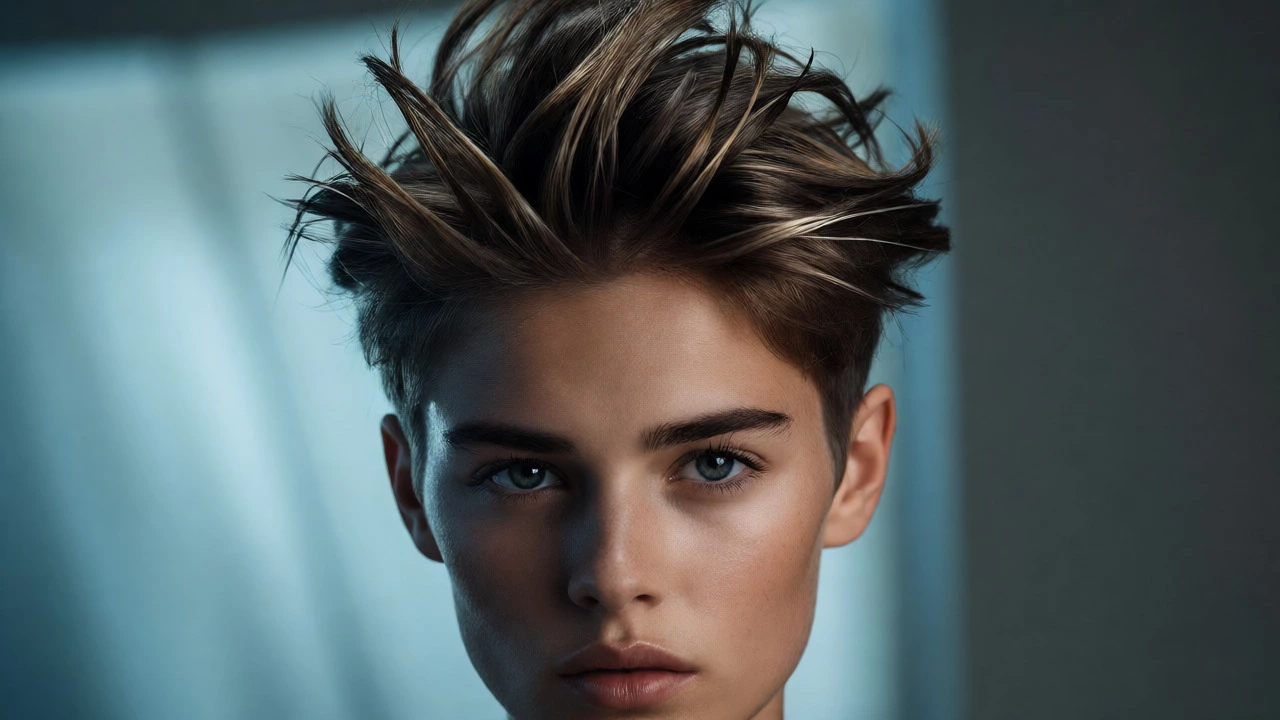
For many people with very thin hair, the fear of going short is irrational. In reality, shorter hair is lighter. Lighter hair stands up better. A well-executed Pixie cut relies on texturizing techniques rather than removal of bulk. The stylist uses point-cutting or slicing methods to create separation between strands. This separation catches the light differently, creating shadows that mimic depth.
A textured pixie allows you to use products like sea salt spray or matte clay to mold the hair. Unlike long hair, which fights product buildup, short hair benefits from it. You can tease the roots at the crown and secure them with a light-hold hairspray. The result is a hairstyle that looks intentional and voluminous, rather than accidentally flat. If you have a strong jawline or prominent cheekbones, this cut highlights those features while solving the hair volume issue.
The Modern Shag: Texture Without the Triangle
You might hear stylists warn against layers for fine hair, and they are usually right. However, the Modern Shag is different from the heavy, disconnected layers of the 90s. This cut incorporates face-framing pieces and internal texturization that stays above the shoulder. The key is keeping the weight concentrated around the mid-shaft and ends, avoiding the "triangle" effect where the top is flat and the bottom is wide.
The shag works because it breaks up the solid mass of hair into smaller, movable sections. These sections can be tousled, creating air pockets that reflect light. It’s less structured than a bob but more voluminous than long, layered hair. It requires some styling effort-usually a blow-dry with a round brush-but the payoff is a lived-in, effortless look that doesn’t scream "I tried too hard."
Color Strategies That Complement the Cut
A great haircut can be ruined by flat color. Monochromatic dark shades tend to flatten fine hair because there is no contrast to define individual strands. Conversely, very light platinum can make fine hair look translucent if not toned correctly.
Consider subtle dimension. Highlights placed near the face and around the part line catch the light, drawing attention away from the scalp. Balayage, applied softly, can create depth without the harsh regrowth lines of traditional foils. If you want to keep your natural color, ask your stylist to apply a gloss treatment. Glosses coat the hair shaft, adding microscopic thickness and shine, which reflects light and makes hair appear fuller.

Styling Mistakes That Kill Volume
Even the best cut will fail if you treat it wrong. Here are the most common pitfalls:
- Over-conditioning: Heavy conditioners weigh fine hair down. Apply conditioner only to the mid-lengths and ends, never the roots. Consider switching to a lightweight leave-in conditioner or a protein spray.
- Brushing wet hair: Fine hair is fragile when wet. Brushing it aggressively causes breakage and flattens the root structure. Use a wide-tooth comb gently instead.
- Sleeping on cotton pillowcases: Cotton absorbs moisture and creates friction. Silk or satin pillowcases reduce friction, preventing morning tangles and preserving volume.
- Using the wrong shampoo: Clarifying shampoos are great occasionally, but daily use strips natural oils, leading to overproduction of sebum and greasy-looking roots. Look for "volumizing" formulas that contain polymers to coat the hair shaft.
Talking to Your Stylist: What to Say
Don’t just say "make it thicker." That’s vague. Be specific. Tell them you want to maintain weight at the perimeter. Ask them to avoid over-layering the ends. If you are considering a bob, specify the length relative to your jaw or chin. Bring photos, but explain why you like them. "I like this photo because the ends look dense," is a better instruction than "I want this cut."
Also, discuss your lifestyle. If you hate blow-drying, a blunt bob might require more heat styling than a textured pixie. Be honest about how much time you’ll spend on your hair. A cut that looks amazing in the salon but takes 45 minutes to style every morning is a bad cut for you.
Frequently Asked Questions
Does cutting my hair short make it grow back thicker?
No, cutting your hair does not change the biological structure of the hair follicle or the thickness of the new growth. However, shorter hair appears thicker because it lacks the weight that pulls it down, allowing it to stand up and show more body. Additionally, regular trims prevent split ends, which can make hair look frayed and thin.
Can I have bangs if I have fine hair?
Yes, but choose wisely. Wispy, side-swept bangs or curtain bangs are excellent for fine hair as they frame the face without requiring heavy maintenance. Avoid thick, blunt bangs if your forehead is large, as they can emphasize the hairline. If you do get blunt bangs, be prepared to wash them frequently, as oil from the forehead weighs them down quickly.
What is the best product for adding volume to fine hair?
Root-lifting sprays and mousses applied to damp roots before blow-drying are highly effective. Dry shampoo is also a secret weapon; it adds grit and texture to the hair shaft, providing instant lift and absorbing excess oil. Avoid heavy oils and creams, which flatten fine hair instantly.
How often should I trim fine hair?
Fine hair shows damage quickly. To maintain the shape of a blunt cut or bob, aim for trims every 6 to 8 weeks. Longer intervals allow the ends to become wispy and uneven, destroying the illusion of density created by the cut.
Is coloring bad for fine hair?
Not necessarily, but it requires care. Bleaching can weaken fine hair, making it prone to breakage. Semi-permanent dyes or glosses are gentler options that add shine and tone without lifting the cuticle excessively. Always follow color treatments with deep conditioning masks designed for fine hair to restore elasticity without weighing it down.