Professional Skincare Brand Matcher
Answer these three questions to find which professional skincare brand aligns best with your biological needs and goals.
Why this matches you:
Key Strength:
Recommended Routine Step:
Walking into a beauty store or scrolling through endless online reviews can feel like trying to find a needle in a haystack. You want results, but you also want safety and science, not just marketing hype. The question "What is the best skin care brand?" doesn't have a single answer because your skin is unique. However, when we talk about professional skincare, we are looking at brands that bridge the gap between what you buy at a pharmacy and what a dermatologist might prescribe. These brands focus on high-concentration active ingredients, clinical testing, and formulations designed to deliver visible changes in texture, tone, and aging signs.
The landscape of professional-grade skincare has exploded in recent years. It’s no longer just about expensive creams; it’s about understanding what works for your specific biological needs. Whether you are battling stubborn acne, early fine lines, or deep-seated hyperpigmentation, choosing the right brand means prioritizing efficacy over fragrance and trendiness over tradition. Let’s break down the top contenders in the professional space and help you figure out which one actually belongs in your routine.
Understanding Professional vs. Drugstore Skincare
Before picking a brand, it helps to know what makes a product "professional." In the industry, this term usually refers to brands that sell primarily through licensed estheticians, dermatologists, or medical spas, though many now have direct-to-consumer options. The key difference lies in formulation standards and ingredient potency.
Drugstore brands often prioritize shelf stability and mass appeal, which can mean lower concentrations of active ingredients like retinol or vitamin C. Professional brands, such as SkinCeuticals, formulate with higher percentages of these actives and use advanced delivery systems to ensure they penetrate the skin barrier effectively. For example, while a drugstore vitamin C serum might contain 10% L-ascorbic acid with questionable stability, a professional line will offer stabilized formulas at optimal pH levels to maximize absorption without causing irritation. This distinction matters if you are dealing with chronic skin conditions or significant aging concerns.
Top Contenders in Clinical Skincare
Not all professional brands are created equal. Each has a specific philosophy and area of expertise. Here are some of the most respected names in the field, categorized by their strengths.
| Brand | Key Strength | Best For | Price Point |
|---|---|---|---|
| SkinCeuticals | Antioxidant research & Vitamin C | Aging, sun damage, prevention | Premium ($$$) |
| Paula's Choice | BHA exfoliation & education | Congestion, blackheads, beginners | Moderate ($$) |
| Dermalogica | Customizable routines & sensitivity | Reactive skin, professional facials | Premium ($$$) |
| La Roche-Posay | Dermatologist-tested gentle care | Sensitive, acne-prone, eczema | Affordable ($) |
| ZO Skin Health | Aggressive resurfacing protocols | Severe acne, deep wrinkles | Premium ($$$$) |
SkinCeuticals: The Gold Standard for Antioxidants
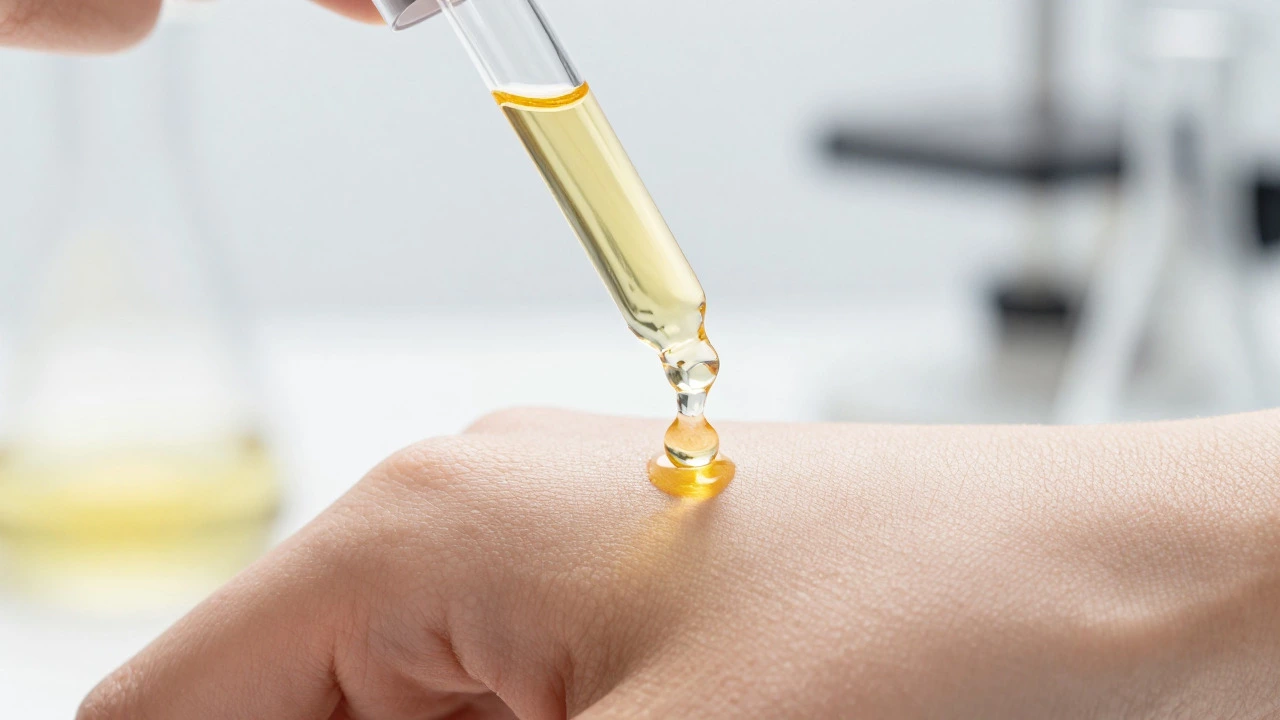
If you ask a dermatologist about antioxidant protection, SkinCeuticals often comes up first. Founded by Dr. Sheldon Pinnell, this brand pioneered the concept of combining L-ascorbic acid (Vitamin C), ferulic acid, and Vitamin E in a specific ratio to boost photoprotection. Their C E Ferulic serum is legendary in the skincare community. If your primary goal is preventing further sun damage and brightening dull skin, this brand offers some of the most clinically proven formulas available. However, be prepared for the price tag and the potential for initial oxidation issues if not stored correctly.
Paula's Choice: Education Meets Exfoliation
Paula's Choice took a different route. Instead of relying solely on medical channels, they built a massive following by educating consumers about ingredients. Their hero product, the 2% BHA Liquid Exfoliant, uses salicylic acid to penetrate pores and dissolve oil. This brand is fantastic for people who want clear, smooth skin without navigating complex prescription regimes. They are particularly strong for those dealing with clogged pores, blackheads, and uneven texture. The transparency of their ingredient lists makes them a favorite for informed consumers who want to avoid fragrances and dyes.
Dermalogica: Customization for Sensitive Skin
Dermalogica focuses heavily on the idea that everyone’s skin is different. Founded by esthetician Jane Scrivner, the brand avoids common irritants like lanolin, mineral oil, and artificial colors. Their approach is highly customizable, allowing estheticians to mix products based on your current skin state. If you have reactive skin that breaks out from new products, Dermalogica’s gentle yet effective formulations are a safe harbor. Their UltraCalming line is specifically designed to reduce redness and inflammation, making it a go-to for rosacea sufferers.
La Roche-Posay: Accessible Clinical Care
You don’t always need to spend a fortune to get professional-grade care. La Roche-Posay, backed by L'Oréal’s research labs, brings dermatological science to the mass market. Using thermal spring water rich in selenium, their products are formulated to soothe and protect. The Effaclar line for acne and the Toleriane line for sensitive skin are staples in many dermatology offices worldwide. They prove that "professional" doesn’t always mean "exclusive"-it means tested, safe, and effective.
ZO Skin Health: For Aggressive Results
For those willing to endure some downtime for dramatic results, ZO Skin Health is the heavy hitter. Created by Dr. Zein Obagi, this brand utilizes high-strength acids and growth factors to force cell turnover. Their Daily Power Foaming Cleanser and Brightening Eye Cream are potent. This isn’t for the faint of heart; users often experience purging and peeling. But for severe acne scars or deep static wrinkles, ZO Skin Health delivers some of the most transformative outcomes in non-prescription skincare.
How to Choose the Right Brand for You
Selecting the best brand depends entirely on your skin’s current condition and your long-term goals. Here is a simple decision framework:
- Identify your primary concern: Are you fighting acne, aging, pigmentation, or sensitivity? Don’t try to solve everything at once. Pick one main issue to address first.
- Check your budget: Professional skincare is an investment. Determine how much you can consistently afford to spend monthly. Consistency is more important than buying one expensive product and never using it again.
- Consider your tolerance: If you have a history of reactions, start with gentler brands like La Roche-Posay or Dermalogica before moving to aggressive lines like ZO Skin Health.
- Look for third-party testing: Reputable professional brands publish clinical studies supporting their claims. Look for data on hydration levels, wrinkle reduction, or pore size improvement.
Common Pitfalls to Avoid
Even with the best brand, mistakes can happen. One major error is introducing too many new products at once. When switching to a professional line, introduce one product every two weeks. This allows you to pinpoint exactly what causes any adverse reactions. Another mistake is neglecting sunscreen. No amount of retinol or vitamin C will matter if you aren’t protecting your skin from UV rays daily. Professional skincare amplifies results, but sun protection preserves them.
Also, beware of the "more is better" mentality. Higher concentrations of actives do not always mean better results. Sometimes, a well-formulated 10% niacinamide serum works better than a poorly stabilized 20% version. Trust the formulation science behind established brands rather than chasing the highest percentage number on the label.
Building a Routine with Professional Products
A solid routine typically consists of three steps: cleanse, treat, and protect.
- Cleanse: Use a gentle cleanser that removes impurities without stripping the skin barrier. Brands like Dermalogica offer prebiotic gel cleansers that maintain microbiome health.
- Treat: Apply your active ingredient here. This could be a vitamin C serum in the morning or a retinoid at night. SkinCeuticals and Paula's Choice excel in this category.
- Protect/Moisturize: Seal everything in with a moisturizer suited to your skin type, followed by SPF 30 or higher during the day. La Roche-Posay Anthelios sunscreens are widely recommended by professionals for their broad-spectrum coverage and lightweight feel.
Remember, consistency beats intensity. Using a moderate-strength retinoid every other night for six months will yield better results than using a high-strength one twice a week for two weeks and then quitting due to irritation.
Is professional skincare worth the extra cost?
For many people, yes. Professional brands often use higher concentrations of active ingredients and more stable formulations, leading to faster and more noticeable results. While the upfront cost is higher, you may use less product per application, and the targeted effectiveness can prevent spending money on ineffective products later.
Can I mix products from different professional brands?
Yes, you can mix brands, but caution is needed. Ensure the ingredients complement each other. For example, pairing a gentle cleanser from Dermalogica with a vitamin C serum from SkinCeuticals is generally safe. However, mixing multiple strong acids or retinoids from different brands can lead to irritation. Always patch test new combinations.
How long does it take to see results from professional skincare?
Most dermatologists recommend waiting at least 8 to 12 weeks to judge the efficacy of a product. Skin cell turnover takes approximately 28 days, so it takes several cycles for new, healthier cells to reach the surface. Immediate changes like hydration are possible, but structural improvements like wrinkle reduction take time.
Are professional skincare brands cruelty-free?
It varies by brand. Some, like Paula's Choice, are certified cruelty-free. Others, like La Roche-Posay, may sell in countries where animal testing is required by law, meaning they are not globally cruelty-free. Check the brand’s official website or certifications like Leaping Bunny for the most accurate and up-to-date information.
What should I do if my skin gets irritated?
Stop using the active ingredient immediately. Switch to a gentle cleanser and a basic moisturizer for a few days until the irritation subsides. Once healed, reintroduce the product slowly, perhaps every third night, and consider using a buffer method by applying moisturizer before the active treatment to reduce potency.