Skin Treatment Selector
Find Your Best Treatment Match
Answer a few questions to discover which treatments are most likely to meet your skin concerns and lifestyle needs.
When your skin feels rough, loose, or uneven, it’s not just about wrinkles-it’s about texture and tone. You’ve tried serums, exfoliants, and creams, but nothing seems to make a real difference. That’s because surface-level skincare can’t fix what’s happening in the deeper layers of your skin. The truth is, improving skin texture and tightening sagging skin requires targeted medical-grade treatments that stimulate collagen and remodel the dermis. And yes, there are effective, non-surgical options available right now that deliver real results without downtime.
What Causes Poor Skin Texture and Loss of Tightness?
Skin texture problems-like enlarged pores, rough patches, acne scars, or uneven tone-come from years of sun damage, aging, and lifestyle factors. As you get older, your body produces less collagen and elastin, the proteins that keep skin firm and smooth. Hormonal shifts, especially after 35, slow down cell turnover. Pollution and repeated facial expressions also contribute to fine lines and uneven surface texture.
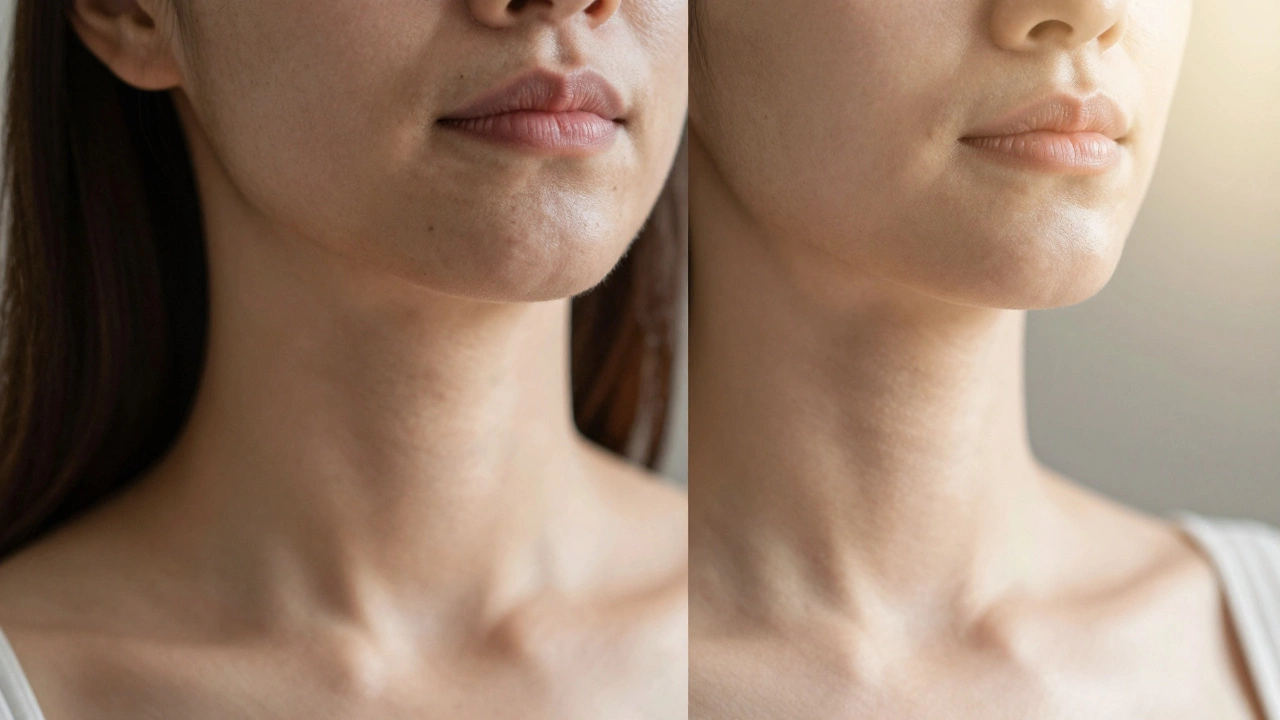
Loose skin, especially around the jawline, neck, and arms, happens when the skin’s structural support weakens. This isn’t just about weight loss-it’s about the natural decline in fibroblast activity. Even people who’ve never smoked or tanned can notice changes in their 40s. The good news? You don’t need surgery to reverse it.
Radiofrequency (RF) Treatments: The Gold Standard for Tightening
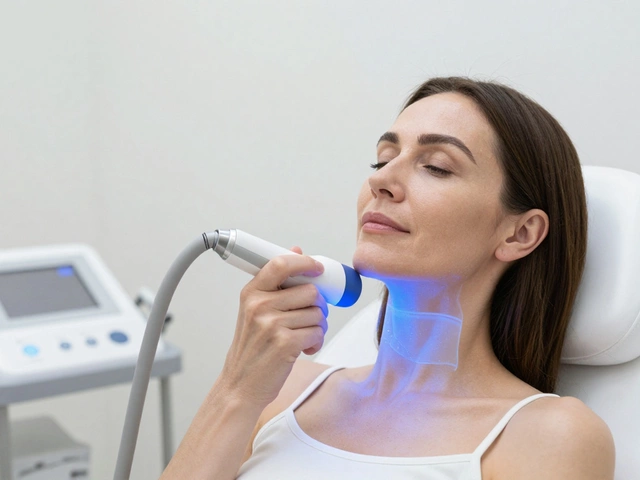
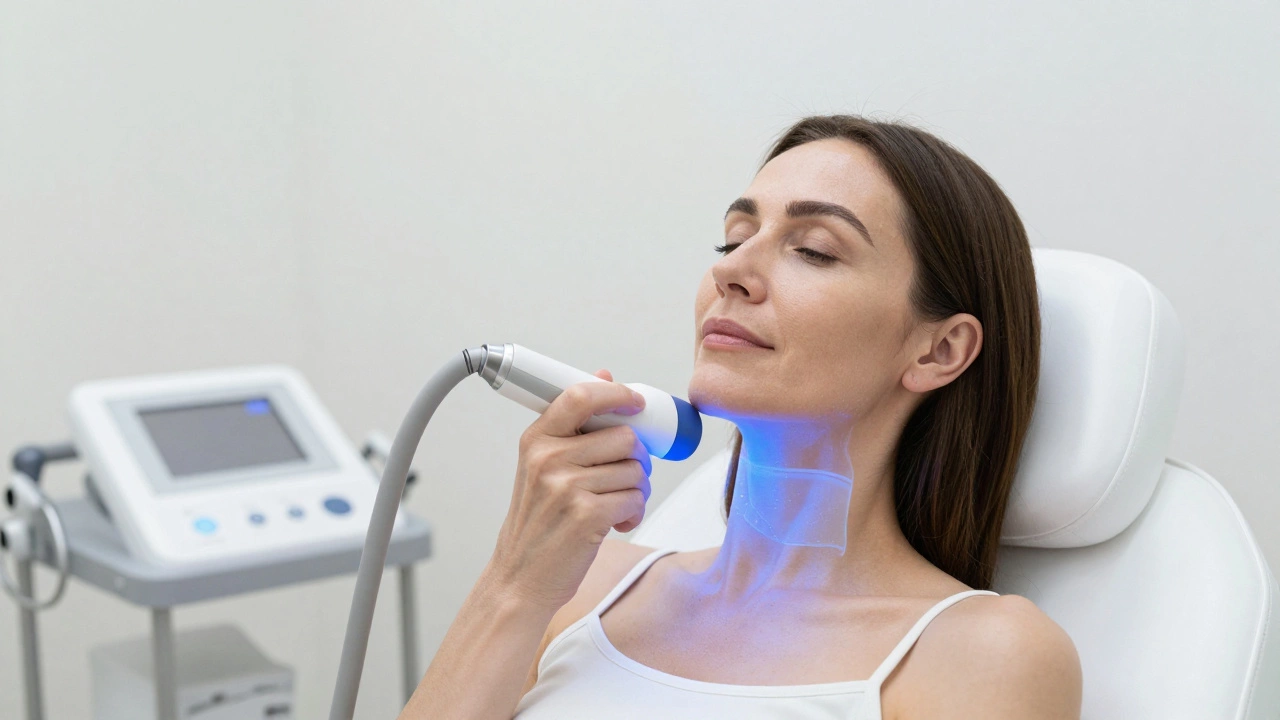
Radiofrequency is the most proven technology for skin tightening without incisions. Devices like Thermage is a non-invasive radiofrequency treatment that heats deep skin layers to stimulate collagen production. It was first FDA-cleared in 2002 and has since been used on over 2 million patients worldwide.
RF works by delivering controlled heat to the dermis while protecting the outer skin layer. This triggers your body’s natural healing response-new collagen forms over the next 2 to 6 months. Results are subtle at first but build steadily. Most people see a 20-30% improvement in skin laxity after one session. It’s especially effective for the jawline, under the chin, and around the eyes.
Unlike lasers, RF doesn’t target pigment, so it’s safe for all skin tones. A single treatment takes about 60-90 minutes, and you can go back to work the same day. No peeling, no redness, no recovery. That’s why it’s the top choice for professionals in Wellington and beyond.
Laser Skin Resurfacing: For Texture and Tone
If your main concern is rough texture, sun spots, or acne scars, laser resurfacing delivers the most dramatic improvement. Two types dominate the market: ablative and non-ablative.
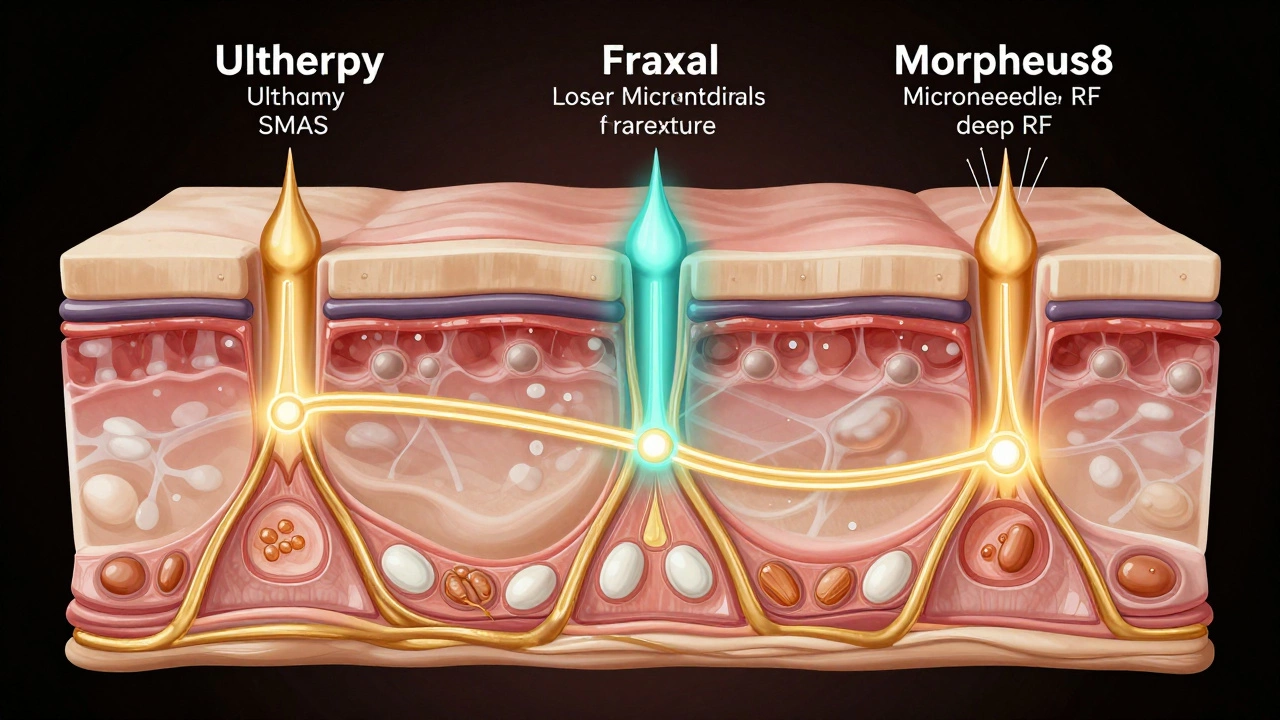
Fraxel Dual is a fractional non-ablative laser that treats 15-20% of the skin’s surface with microscopic columns of heat, leaving surrounding tissue intact. It’s ideal for mild to moderate texture issues and requires 3-4 sessions spaced 4 weeks apart.
For deeper scars or significant sun damage, CO2 laser resurfacing is an ablative laser that removes thin layers of skin while stimulating collagen. Results are powerful-you can see up to 70% improvement in scarring and texture-but recovery takes 7-10 days. Redness and peeling are normal. It’s not for everyone, but if you’re willing to take the downtime, the payoff is long-lasting.
Both lasers improve skin tone and reduce pore appearance. They’re often paired with RF for combined texture and tightening benefits.
Ultrasound Therapy: Precision Tightening Without Heat
Ultherapy is a non-invasive ultrasound treatment that uses focused sound waves to heat tissue at precise depths-up to 4.5mm below the surface. Unlike RF or lasers, it doesn’t touch the skin’s surface. Instead, it targets the SMAS layer-the same layer surgeons lift during facelifts.
It’s FDA-cleared for lifting the brow, under the chin, and on the neck. Results appear gradually over 3-6 months. Most patients need just one treatment, and the effects last 1-2 years. Ultherapy is ideal if you want tightening without any surface disruption. It’s slightly more expensive than RF, but the precision makes it a favorite for patients with early jowls or a drooping brow.
Combination Protocols: Why One Treatment Isn’t Enough
The most effective results come from combining treatments. Think of it like building a house-you need a strong foundation (collagen stimulation), a smooth surface (texture refinement), and a final coat (tone evenness).
A common 2026 protocol in professional clinics includes:
- Ultherapy for deep structural lifting
- Fraxel for surface texture and pigmentation
- Thermage for overall tightening and contouring
This combo tackles all layers of the skin. Patients report a 50-70% improvement in overall skin quality after a 3-month treatment plan. It’s not cheap-expect $3,000 to $6,000 for a full course-but it’s far less than a surgical facelift and lasts longer than fillers.
Some clinics now offer hybrid devices like the Morpheus8 is a microneedling device with radiofrequency that penetrates up to 4mm into the skin, combining texture correction with deep tightening. It’s especially good for the neck, chest, and arms-areas often neglected by other treatments.
What Doesn’t Work (And Why)
There’s a lot of noise out there. Creams promising "instant tightening"? They contain polymers that temporarily smooth the surface-like makeup for your skin. The effect fades in hours.
At-home devices? Most consumer-grade RF or LED masks deliver less than 10% of the energy needed to trigger collagen remodeling. You might feel warmth, but you won’t see real change.
Microcurrent devices? They temporarily firm muscles, like a facial workout. No collagen growth. No lasting results.
And don’t fall for "non-invasive facelift" claims from spas without medical oversight. If the provider can’t name the device, its FDA status, or the expected downtime, walk away.
Realistic Expectations and Recovery
There’s no magic wand. You won’t look 25 again. But you can look significantly more youthful, rested, and confident.
Here’s what to expect:
- After RF: Slight redness for 24 hours. Results build over 3 months.
- After Fraxel: 3-5 days of redness and sandpaper texture. Makeup can be worn after day 3.
- After CO2 laser: 7-10 days of healing. Avoid sun for 3 months.
- After Ultherapy: Mild swelling for 1-2 days. No visible signs after a week.
Most people schedule treatments in winter when sun exposure is low. That’s why January is a popular time to start-your skin will be ready by summer.
Who Should Avoid These Treatments?
These treatments are safe for most people, but not everyone.
- Avoid if you have active acne, open wounds, or infections in the treatment area.
- Not recommended if you’re pregnant or breastfeeding.
- People with pacemakers or metal implants in the face should avoid RF and ultrasound.
- Those with a history of keloid scarring should skip ablative lasers.
Always get a consultation with a licensed dermatologist or cosmetic doctor. They’ll assess your skin type, medical history, and goals before recommending a plan.
How to Choose the Right Provider
Not all clinics are equal. Look for:
- Doctors with medical licenses, not aestheticians
- Use of FDA-cleared devices (ask for the device name and model)
- Before-and-after photos of real patients with similar skin concerns
- Clear explanation of risks, downtime, and expected results
Ask: "Which device do you use for my concern?" If they say "We use the best one," that’s a red flag. The right provider will name the exact machine and explain why it’s chosen for you.
Long-Term Maintenance
Results last 1-2 years, but aging doesn’t stop. To maintain your progress:
- Use medical-grade retinoids nightly
- Apply broad-spectrum SPF 50+ every day
- Consider one maintenance RF or Ultherapy session every 12-18 months
- Hydrate with hyaluronic acid serums
Don’t skip sunscreen. UV exposure breaks down collagen faster than anything else. Even on cloudy days in Wellington, UV levels can be high.
Can I get skin tightening and texture improvement without needles or lasers?
Yes, but results are limited. Radiofrequency devices like Thermage don’t use needles or lasers-they deliver heat through the skin’s surface. Ultherapy uses ultrasound, not light or needles. These are non-invasive and ideal if you want to avoid punctures or light-based treatments. However, for deep texture issues like scars or severe sun damage, lasers or microneedling with RF are more effective.
How long until I see results from skin tightening treatments?
You won’t see instant changes. Collagen rebuilds slowly. Most people notice subtle firming after 4-6 weeks, with full results appearing between 2 and 6 months. That’s why patience is key. Rushing into a second treatment too soon can lead to over-treatment and uneven results.
Is skin tightening worth the cost?
If you’re looking for a natural, long-term improvement without surgery, yes. A single Thermage session costs between $1,500 and $3,500, depending on the area. A full combo plan might reach $6,000. Compare that to a surgical facelift, which costs $10,000+ and requires weeks of recovery. Non-surgical options give you 70-80% of the results with minimal risk and downtime. For most people, it’s a smart investment in lasting confidence.
Do these treatments work on darker skin tones?
Radiofrequency and ultrasound are safe for all skin tones because they don’t target melanin. Lasers like Fraxel Dual are also safe when used by experienced providers. However, ablative CO2 lasers carry a higher risk of hyperpigmentation in darker skin. Always choose a provider who has treated patients with your skin type before. Ask to see their portfolio.
Can I combine these treatments with fillers or Botox?
Yes, and it’s common. Fillers restore volume lost with aging, while tightening treatments improve skin structure. Botox relaxes muscles that cause dynamic wrinkles. Many patients do Botox first, then wait 2 weeks before starting RF or laser treatments. Your provider will map out a safe timeline. Never do them all on the same day.
Next Steps: What to Do Now
Start by scheduling a consultation with a board-certified dermatologist or cosmetic doctor who specializes in non-surgical skin rejuvenation. Bring photos of your skin from 5 years ago if you have them. Be clear about your goals: "I want smoother texture and a tighter jawline," not "I want to look younger."
Ask for a written treatment plan that includes device names, number of sessions, cost, and expected timeline. Don’t rush into anything. The best results come from thoughtful planning, not impulse decisions.
Remember: Your skin tells your story. The goal isn’t to erase it-it’s to refine it. With the right treatments, you can look like the best version of yourself-not someone else.