Pubic Hair Removal Cost & Pain Calculator
Shaving
Lowest Upfront Cost
Waxing
Longer Lasting
Creams
Pain-Free Option
Laser
Permanent Reduction
Analysis: Please Select a Method
Estimated 1-Year Cost
It’s a question that pops up in group chats, late-night conversations with friends, or just when you’re staring at the razor in your bathroom cabinet wondering if everyone else is doing something you aren’t. Do most girls shave down there? The short answer is yes, but the longer answer is complicated by trends, comfort levels, and personal preference. You are definitely not alone in asking this.
We’ve moved past the days when pubic hair was strictly a private matter. Today, grooming habits are influenced by social media, intimate partners, and a desire for hygiene or aesthetics. But before you grab that trimmer or book an appointment, it helps to understand what’s actually normal, why people choose to remove hair, and whether laser hair removal is worth the investment compared to other methods.
The Reality of Pubic Hair Grooming Statistics
If you feel like every woman you know has a smooth bikini line, you might assume it’s the universal standard. Surveys consistently show that a majority of women do engage in some form of pubic hair removal. According to data from dermatological associations, over 80% of women aged 18 to 45 report removing pubic hair at least occasionally. However, "removing" doesn’t always mean completely bare. Many women opt for trimming, shaping, or maintaining a neat bikini line rather than going fully smooth.
The trend toward more extensive removal peaked in the early 2000s with the rise of Brazilian waxes. Since then, there has been a slight shift back toward naturalness or low-maintenance styles. Some women prefer keeping their hair for comfort, while others find that less hair means less chafing during workouts or warmer weather. Your choice depends entirely on what feels right for your body and lifestyle, not on what you think you should be doing.
Is it weird if I don't shave?
Not at all. Pubic hair serves a biological purpose, including reducing friction and protecting sensitive skin. While many women groom for aesthetic reasons, leaving it natural is perfectly healthy and increasingly common.
Why Women Choose to Remove Pubic Hair
There isn’t one single reason why women decide to shave, wax, or laser. It usually comes down to a mix of factors:
- Aesthetics: Many women feel more confident in swimwear, lingerie, or with partners when they have groomed pubic hair.
- Hygiene Perception: While pubic hair is naturally clean, some people feel fresher with less hair, especially during menstruation or after exercise.
- Comfort: For active individuals, less hair can mean less sweat retention and reduced chafing between thighs.
- Social Norms: Media representation and partner preferences can influence grooming choices, even if subconsciously.
It’s important to remember that none of these reasons are "right" or "wrong." If you enjoy the feeling of smooth skin, go for it. If you’d rather skip the maintenance, that’s valid too. The key is making the choice for yourself, not because you feel pressured.
Common Methods: Shaving, Waxing, and Beyond
When it comes to getting rid of pubic hair, you have several options. Each has its pros and cons, and the best method often depends on your pain tolerance, budget, and how much time you want to spend on upkeep.
Shaving is the most accessible and cheapest method, requiring only a razor and some lubricant. It’s quick and easy to do at home, but the results are temporary. Hair grows back within a few days, often feeling coarse and prickly. Plus, the risk of nicks, cuts, and razor burn is high in such a sensitive area. Ingrown hairs are also a common complaint, which can lead to irritation and infection if not cared for properly. Waxing is a semi-permanent solution that removes hair from the root. Results last three to six weeks, and hair tends to grow back finer over time. However, waxing can be painful, especially for first-timers. It also requires hair to be a certain length (about a quarter-inch) before you can wax again, meaning you’ll have a growth period where you’re neither smooth nor fully hairy.Other methods include depilatory creams (chemical hair removers), which dissolve hair but can cause severe chemical burns if left on too long or used on sensitive skin. Epilators mechanically pull out hair like waxing but are often considered more tedious and painful for large areas.
Laser Hair Removal: Is It Worth It?
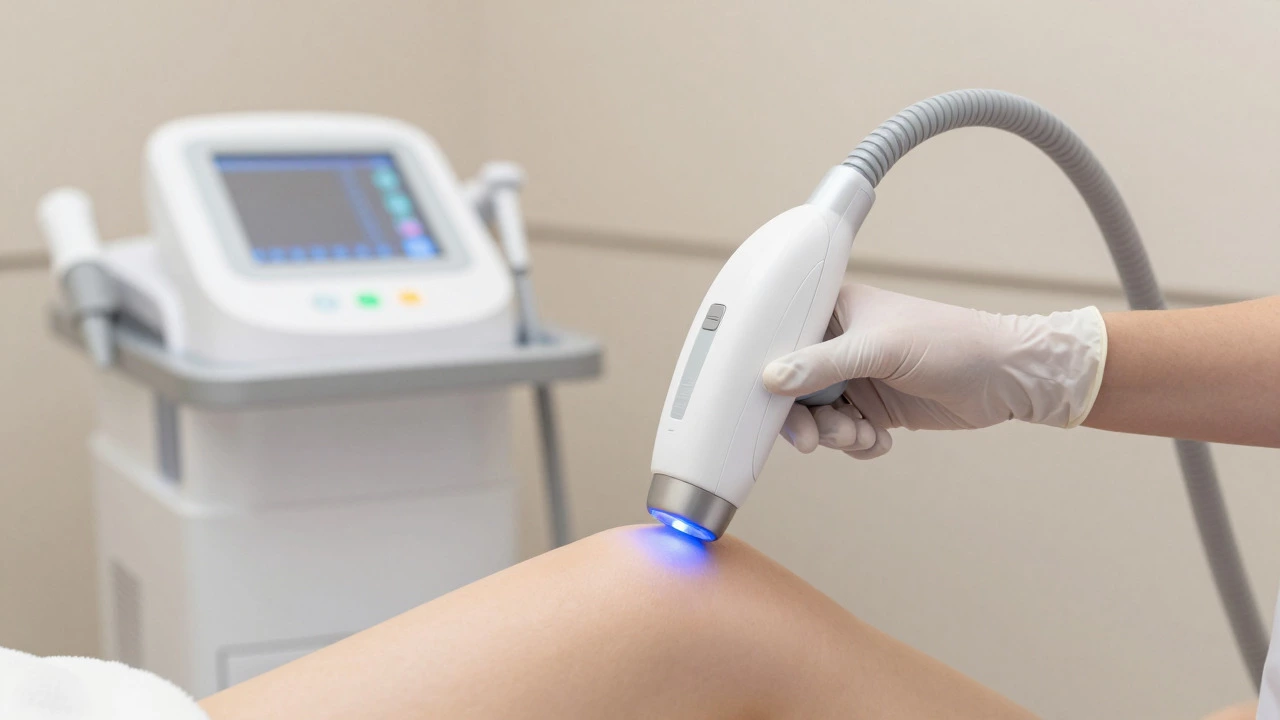
If you’re tired of the endless cycle of shaving or the pain of waxing, Laser hair removal is a medical-grade treatment that uses concentrated light beams to target and destroy hair follicles, preventing future growth. It’s not technically "permanent" in the sense that no hair will ever return, but it does offer long-term reduction. Most people see a 70-90% decrease in hair growth after a series of sessions.
Laser works best on people with light skin and dark, coarse hair because the pigment (melanin) in the hair absorbs the laser energy. Newer technologies, like Nd:YAG lasers, have made it safer for darker skin tones, but consultation with a qualified technician is crucial to avoid burns or pigmentation changes.
| Method | Duration of Results | Pain Level | Cost Estimate | Best For |
|---|---|---|---|---|
| Shaving | 2-4 days | Low (itchiness) | $5-$15 per razor | Budget-conscious, quick fixes |
| Waxing | 3-6 weeks | High | $50-$100 per session | Longer-lasting smoothness |
| Depilatory Creams | 1-2 weeks | Medium (burn risk) | $10-$20 per tube | Pain-free, short-term results |
| Laser Hair Removal | Long-term (years) | Moderate (rubber band snap) | $200-$500 per session | Permanent reduction, busy lifestyles |
The cost of laser hair removal can be steep. A full Brazilian laser package might range from $1,500 to $3,000 depending on your location and the clinic’s technology. However, when you factor in years of buying razors, waxing appointments, and dealing with ingrown hairs, many find it cost-effective in the long run.
What to Expect During Laser Treatment
If you decide to try laser hair removal, here’s what the process typically looks like:
- Consultation: A technician assesses your skin type, hair color, and medical history to determine if you’re a good candidate.
- Preparation: You’ll need to shave the area 24 hours before your appointment. Avoid sun exposure, tanning beds, and plucking/waxing for at least six weeks prior.
- The Session: You’ll wear protective eyewear. The technician applies a cooling gel and moves the laser handpiece over the skin. Each pulse takes a fraction of a second. The sensation is often described as a rubber band snapping against the skin.
- Aftercare: The area may be red and swollen for a day or two. Avoid hot baths, saunas, and harsh skincare products for 48 hours. Sunscreen is essential.
Most people require 6 to 8 sessions spaced four to six weeks apart for optimal results. Maintenance sessions may be needed annually as hormonal changes can stimulate new hair growth.

Safety and Risks to Consider
While laser hair removal is generally safe when performed by a licensed professional, it’s not without risks. Common side effects include temporary redness, swelling, and mild discomfort. Rare complications can include blistering, scarring, or changes in skin pigmentation (hypopigmentation or hyperpigmentation).
To minimize risks:
- Choose a clinic with certified technicians and FDA-approved devices.
- Avoid treatments during pregnancy, as hormonal fluctuations can affect results and safety.
- Disclose any medications you’re taking, as some (like isotretinoin) increase sensitivity to light.
- Ensure the clinic uses appropriate cooling mechanisms to protect your skin.
Don’t fall for cheap deals at unlicensed spas. Your intimate area is delicate, and cutting corners can lead to serious burns or ineffective results.
Alternatives to Laser: IPL and At-Home Devices
If professional laser seems out of reach, you might consider Intense Pulsed Light (IPL) devices. These are popular at-home alternatives that use broad-spectrum light rather than a focused laser beam. Brands like Braun Silk-expert and Philips Lumea offer handheld devices that promise gradual hair reduction.
IPL is less powerful than clinical laser, so it requires more frequent use and may take longer to see results. It’s also less effective on very light or gray hair. However, for those committed to consistency, it can provide significant reduction at a fraction of the cost of clinic visits. Just manage your expectations: it’s maintenance, not a cure-all.
Embracing Your Choice
Whether you shave, wax, laser, or leave it alone, the most important thing is that you feel comfortable in your own skin. Society’s standards change rapidly, but your body belongs to you. If you love the freedom of laser hair removal, great. If you prefer the simplicity of trimming, that’s wonderful too. Don’t let anyone make you feel inadequate for your grooming choices.
Remember, hygiene isn’t about being hairless. It’s about regular cleaning and caring for your body. Pubic hair is natural, functional, and nothing to be ashamed of. Grooming is purely optional-a tool for confidence, not a requirement for worthiness.
Does laser hair removal hurt?
Most people describe the sensation as a quick snap of a rubber band against the skin. Modern lasers have built-in cooling systems that significantly reduce discomfort. Pain tolerance varies, but most find it manageable without numbing cream.
How long does laser hair removal last?
Results are long-lasting. After a full course of 6-8 sessions, most people experience 70-90% permanent hair reduction. Some fine hair may regrow over years due to hormonal changes, requiring occasional touch-up sessions.
Can I get laser hair removal if I have dark skin?
Yes, but you need the right technology. Older lasers could burn darker skin tones. Look for clinics using Nd:YAG lasers, which are specifically designed to be safe for Fitzpatrick skin types IV-VI. Always consult with a specialist first.
Is shaving every day bad for pubic hair?
Daily shaving can lead to irritation, razor burn, and ingrown hairs. Dermatologists recommend shaving every 2-3 days instead, using a sharp razor, plenty of lubricant, and gentle exfoliation between shaves to keep skin healthy.
Does waxing make hair grow back thicker?
No, this is a myth. Waxing removes hair from the root, so when it grows back, the tip is blunt, making it feel coarser initially. Over time, consistent waxing can actually make hair grow back finer and sparser.