Cruelty-Free Brand Checker
Brand Profile
Ethical Integrity Score
Ready to Check
Select your options and click calculate to see how the brand stacks up against gold standards like Elf Beauty.
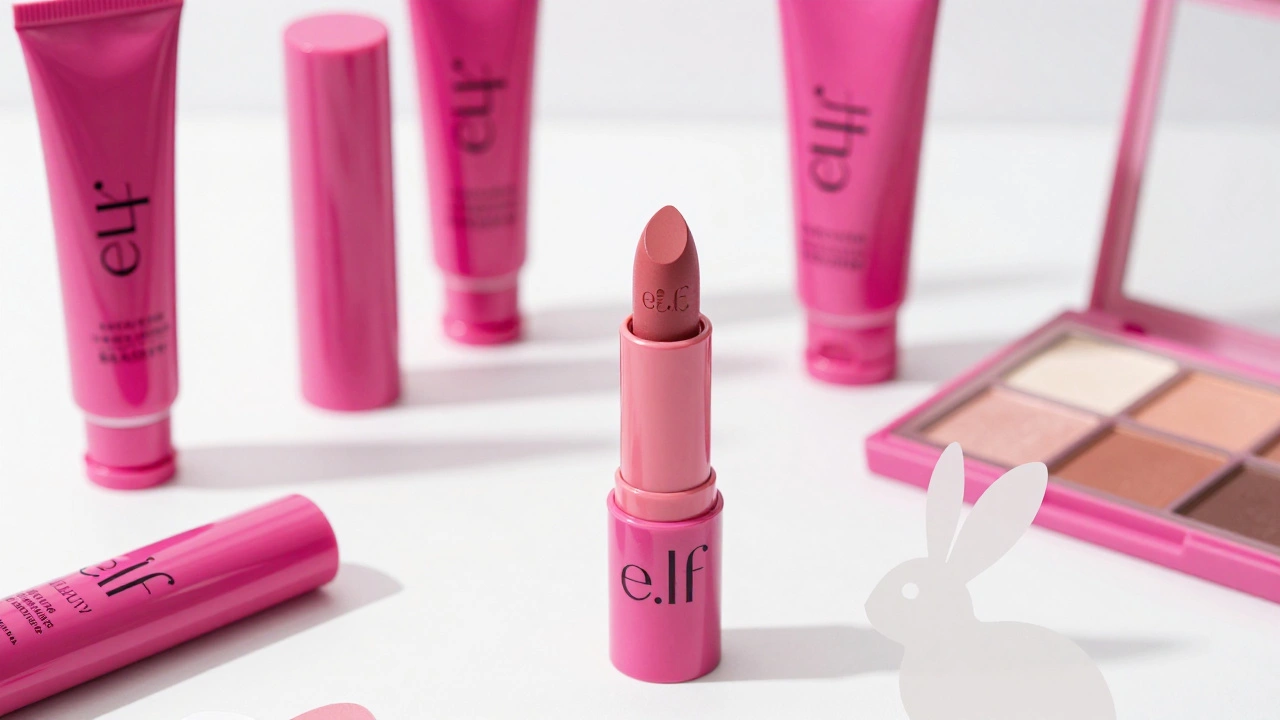
You’ve probably seen those bright pink tubes and affordable palettes everywhere. Elf Cosmetics is an American cosmetic brand known for its affordable, trendy makeup products that have gained massive popularity in drugstores and online retailers worldwide. Also known as e.l.f. Beauty, the company has become a staple for budget-conscious beauty lovers since its founding in 2004. But here’s the question that keeps popping up in comment sections and DMs: Does Elf Beauty test on animals?
If you’re trying to build a clean, ethical makeup collection, this isn’t just a minor detail-it’s a dealbreaker. You want your lipstick to look good, sure, but you also want to know it didn’t come at the cost of an animal’s safety. Let’s cut through the marketing noise and get straight to the facts about Elf’s stance on animal testing, their certifications, and what that actually means for you when you pick up a product.
The Short Answer: No, They Don’t Test on Animals
To give you the bottom line right away: Elf Beauty does not test its finished products or ingredients on animals. They explicitly state that they are a cruelty-free brand. This means they do not conduct animal tests themselves, nor do they hire third-party laboratories to do so on their behalf. Furthermore, they do not sell their products in countries where animal testing is required by law for imported cosmetics.
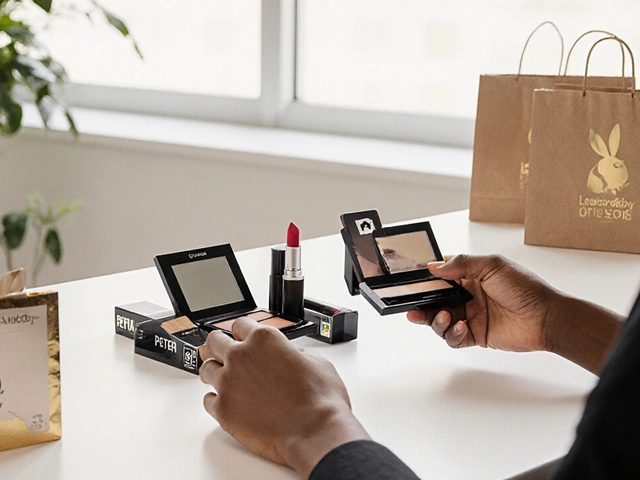
This commitment is backed by official recognition from major animal welfare organizations. Elf holds certification from both PETA is People for the Ethical Treatment of Animals, a global advocacy organization that campaigns against animal cruelty and certifies companies that do not test on animals and Leaping Bunny is the gold standard certification for cruelty-free products, requiring rigorous supply chain audits to ensure no animal testing occurs at any stage of production. These aren’t just stickers; they represent strict adherence to specific protocols that many brands fail to meet.
Understanding the Certifications: What PETA and Leaping Bunny Mean
When a brand says “cruelty-free,” it can sometimes feel like empty marketing speak. That’s why independent certifications matter. They provide a layer of accountability that self-declarations lack. Elf’s status with these two major organizations tells us exactly how they operate behind the scenes.
| Certification Body | Requirements for Certification | What It Means for Consumers |
|---|---|---|
| PETA | Companies must sign a statement affirming they do not test on animals and agree to abide by PETA’s cruelty-free policy. | Confirms the brand’s public stance against animal testing. Easier to obtain than Leaping Bunny but still a strong indicator of ethical intent. |
| Leaping Bunny | Requires a detailed supply chain audit. Companies must prove that none of their ingredient suppliers test on animals either. Annual re-certification is mandatory. | The highest standard of assurance. Guarantees that no animal testing occurs anywhere in the production process, from raw materials to final packaging. |
Having both certifications is significant. While PETA’s program is more accessible, Leaping Bunny’s requirements are notoriously tough. To get Leaping Bunny certified, Elf had to map out every single supplier in their chain and verify that each one adheres to cruelty-free standards. This level of transparency is rare in the mass-market beauty industry, especially among brands selling at such low price points.
The China Question: Where Elf Draws the Line
Here’s where things get tricky for many beauty brands. For years, China mandated animal testing for all imported cosmetics sold in physical stores. If a brand wanted to sell in mainland China, they often had to pay for post-market animal tests conducted by Chinese authorities. This created a gray area: could a brand call itself cruelty-free if they sold in China?
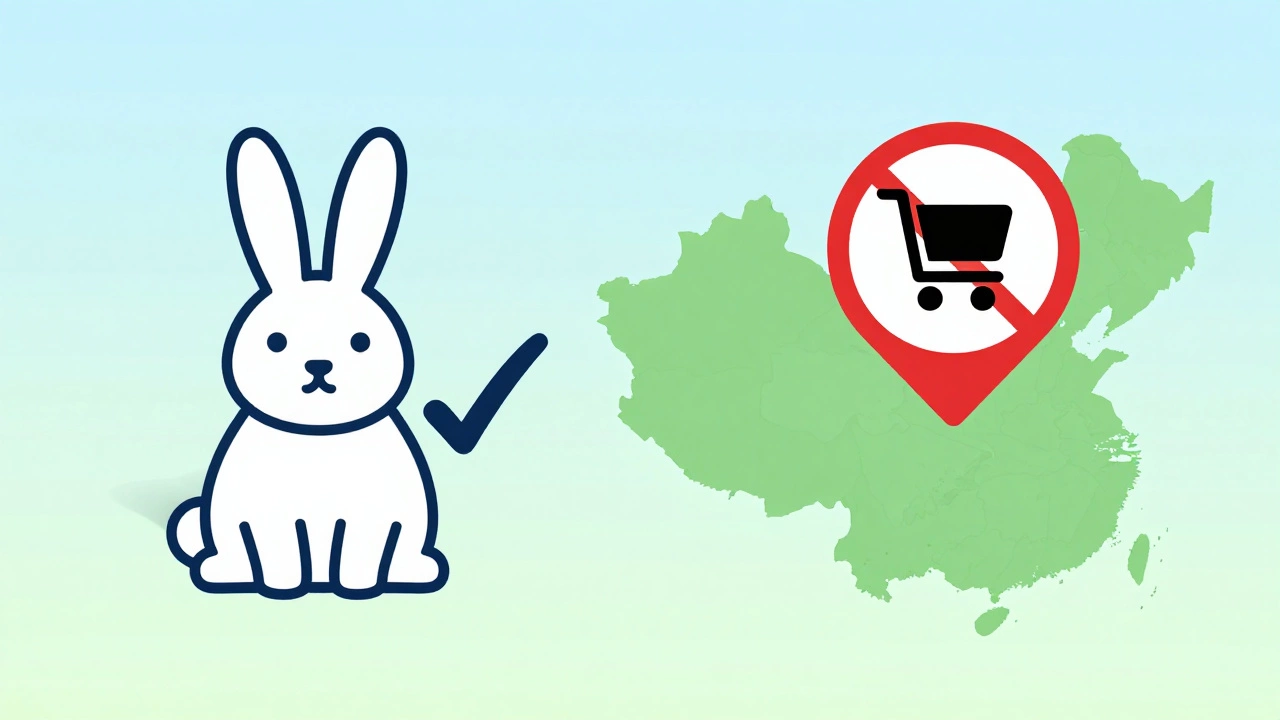
Elf Beauty has taken a firm stand on this issue. They do not sell their products in mainland China through physical retail channels where animal testing might be triggered. Instead, they may offer limited availability via cross-border e-commerce platforms, which currently exempt products from mandatory animal testing under Chinese law. This distinction is crucial. By avoiding the traditional import route, Elf maintains its cruelty-free integrity without compromising its global reach.
This strategy aligns them with other leading cruelty-free brands like Milk Makeup is a New York-based cosmetics brand known for its minimalist aesthetic and commitment to clean, cruelty-free formulations and Tarte Cosmetics is a popular beauty brand recognized for its natural-inspired ingredients and strict no-animal-testing policy. It shows that you don’t need to sacrifice ethics for accessibility, even in complex regulatory environments.
Are Elf Products Vegan? Not Always
It’s important to separate “cruelty-free” from “vegan.” Cruelty-free means no animals were harmed during testing. Vegan means no animal-derived ingredients were used in the formula. Elf offers many vegan options, but not all of their products fall into this category. Some items may contain beeswax, carmine, or lanolin.
If you’re strictly vegan, you’ll need to check individual product labels or use Elf’s online filter tool. They clearly mark which items are vegan-friendly. However, if your primary concern is animal welfare regarding testing, then Elf’s entire lineup is safe. The presence of animal-derived ingredients doesn’t imply animal testing occurred; it simply reflects formulation choices. Many consumers choose to avoid animal ingredients for personal or environmental reasons, while others focus solely on preventing harm through testing. Understanding this difference helps you make informed decisions based on your own values.
Why Price Doesn’t Compromise Ethics
A common misconception is that affordable makeup cuts corners on ethics. People assume that because Elf products cost significantly less than luxury brands, they must be skipping expensive safety protocols or using cheaper, potentially harmful methods. In reality, modern toxicology has evolved far beyond animal testing.
Elf relies on alternative testing methods that are faster, cheaper, and more accurate than traditional animal models. These include:
- In vitro testing: Using human cell cultures to assess skin irritation and toxicity.
- Computer modeling (In silico): Predicting chemical behavior and safety profiles using advanced algorithms.
- Existing data review: Leveraging decades of safety data already established for common cosmetic ingredients.
These methods are not only ethically superior but also scientifically robust. Regulatory bodies worldwide, including the European Union and the United States Food and Drug Administration, increasingly accept non-animal testing data. Elf’s ability to maintain low prices comes from efficient manufacturing and direct-to-consumer sales strategies, not from exploiting animals. Their business model proves that ethical beauty can be accessible to everyone, not just those willing to pay premium prices.

How to Verify Elf’s Claims Yourself
You shouldn’t have to take my word for it-or even Elf’s. Transparency is key in the beauty industry. Here’s how you can double-check their status anytime:
- Visit the official Leaping Bunny website and search their certified brand list. Elf appears there, confirming their supply chain compliance.
- Check PETA’s “Beauty Without Bunnies” database. Elf is listed as a cruelty-free company.
- Look for the logos on product packaging. Both the Leaping Bunny rabbit icon and PETA’s bunny logo should be visible on most Elf items.
- Review Elf’s official website FAQ section. They publish clear statements about their animal testing policy and update them regularly.
This multi-source verification approach protects you from greenwashing-the practice of making misleading claims about environmental or ethical benefits. By cross-referencing independent certifiers, you ensure that the brand’s actions match their words.
Common Misconceptions About Elf and Animal Testing
Despite clear evidence, rumors persist. Let’s address a few frequent misunderstandings:
Misconception 1: “If it’s sold in Asia, it’s tested on animals.” Not necessarily. As mentioned earlier, Elf avoids mainland China’s physical retail market. They may ship to other Asian countries where animal testing is not legally required for cosmetics, such as Japan, South Korea, or Singapore. Each country has different regulations, and Elf navigates them carefully to maintain their cruelty-free status.
Misconception 2: “Cheap makeup uses unsafe ingredients.” Safety and cost are not directly linked. Many high-end brands use the same base ingredients as drugstore brands. The difference lies in marketing, packaging, and exclusive scent profiles. Elf invests in quality control and alternative testing to ensure safety without inflating prices.
Misconception 3: “Vegan automatically means cruelty-free.” False. A product can be vegan (no animal ingredients) but still tested on animals. Conversely, a product can be cruelty-free (no animal testing) but contain animal-derived ingredients like honey or milk proteins. Always check both labels if both criteria matter to you.
What This Means for Your Shopping Cart
Knowing that Elf Beauty is genuinely cruelty-free changes how you shop. You can confidently add their iconic Halo Glow Liquid Filter, Poreless Putty Primer, or Clear Conscience Concealer to your routine without guilt. You’re supporting a brand that prioritizes innovation over tradition, ethics over convenience, and accessibility over exclusivity.
Your purchasing power sends a message to the entire beauty industry. Every dollar spent on a certified cruelty-free product reinforces the demand for humane practices. Brands notice. When millions of consumers choose Elf over competitors who test on animals, it pushes larger corporations to reconsider their policies. You’re not just buying makeup; you’re voting for a kinder future.
Is Elf Beauty completely free from animal testing?
Yes. Elf Beauty does not test its products or ingredients on animals at any stage of development. They are certified by both PETA and Leaping Bunny, ensuring strict compliance with cruelty-free standards across their entire supply chain.
Does Elf sell in China where animal testing is required?
Elf does not sell in mainland China through physical retail stores where animal testing would be mandatory. They may offer products via cross-border e-commerce, which is exempt from animal testing laws, allowing them to remain cruelty-free.
Are all Elf products vegan?
No. While Elf is cruelty-free, not all products are vegan. Some contain animal-derived ingredients like beeswax or carmine. Look for the “Vegan” label on specific products or use their website filter to find vegan-only options.
What certifications does Elf hold for being cruelty-free?
Elf is certified by PETA (People for the Ethical Treatment of Animals) and Leaping Bunny. Leaping Bunny certification requires rigorous supply chain audits, making it the gold standard for cruelty-free verification.
Can I trust Elf’s claim if they are so affordable?
Absolutely. Low prices do not indicate unethical practices. Elf uses modern, non-animal testing methods like in vitro and computer modeling, which are cost-effective and scientifically valid. Their affordability stems from efficient operations, not compromised ethics.
How can I verify if a brand is truly cruelty-free?
Check for certifications from Leaping Bunny or PETA. Visit their official websites to confirm current status. Avoid relying solely on brand claims, as “cruelty-free” is not legally defined in many regions. Independent verification ensures accuracy.
Does Elf use animal-derived ingredients?
Some Elf products may contain animal-derived ingredients such as beeswax, lanolin, or carmine. However, this does not mean they test on animals. Always check individual product descriptions for vegan labeling if you wish to avoid animal ingredients entirely.
What alternative testing methods does Elf use instead of animals?
Elf utilizes in vitro testing (human cell cultures), in silico modeling (computer simulations), and reviews existing safety data. These methods are faster, more humane, and often more predictive of human reactions than traditional animal tests.