Is It Cruelty-Free? Brand Status Checker
Enter a brand name to check its general cruelty-free status based on common industry factors like sales in mainland China and parent company policies.
Why this verdict?
- 🔹
- 🔹
- 🔹
Note: This tool uses data regarding sales in Mainland China and parent company affiliations as of 2026. Regulations change; always verify with official certifications like Leaping Bunny or PETA.
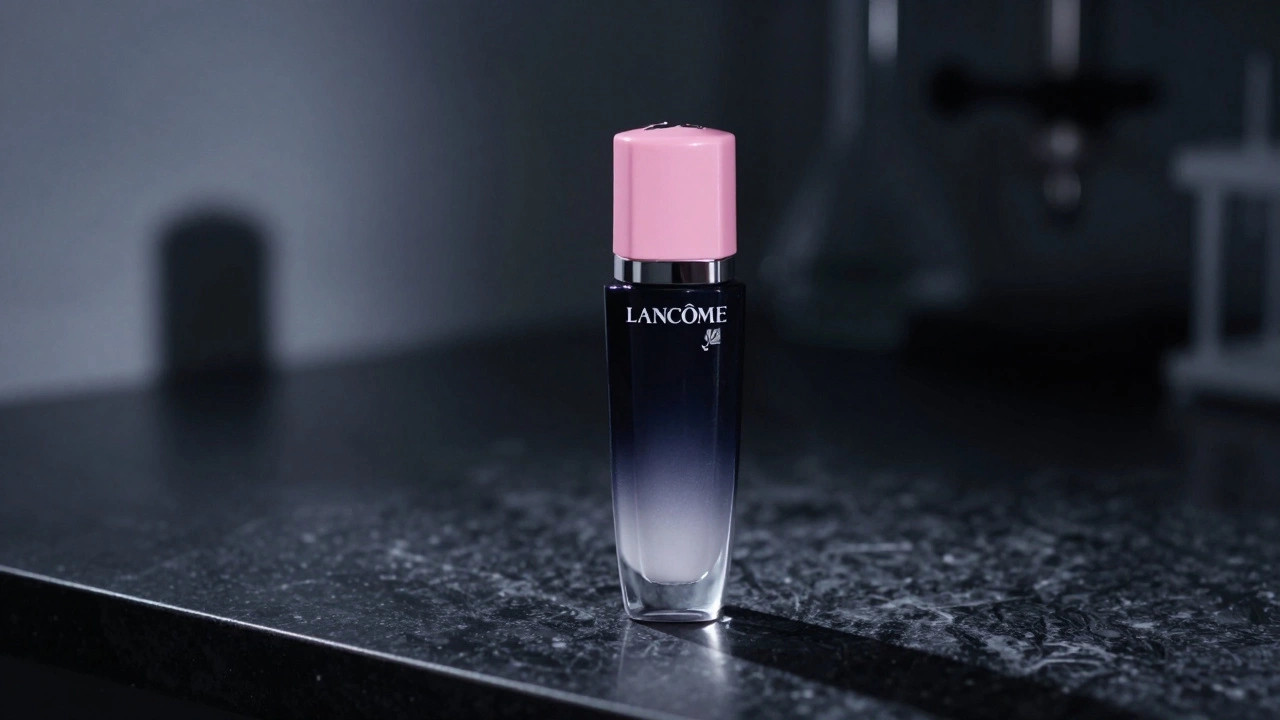
Walking down the beauty aisle, you see the iconic pink caps and elegant packaging of Lancôme, a luxury French cosmetic brand owned by L'Oréal that offers high-end skincare, makeup, and fragrances. It looks premium. It smells expensive. But if you are trying to keep your routine free from animal harm, that elegance comes with a heavy price tag: ethics. You might be wondering, "Does Lancôme still test on animals?" The short answer is yes. While they don't necessarily wave a white flag and admit it loudly in their marketing, their business practices make them ineligible for any cruelty-free certification.
This isn't just about a logo missing from the bottle. It is about where you buy the product and who forces the testing. To understand why Lancôme remains off the list for conscious consumers, we have to look at the messy intersection of global trade laws, corporate ownership, and what "cruelty-free" actually means in 2026.
The China Loophole That Isn't a Loophole Anymore
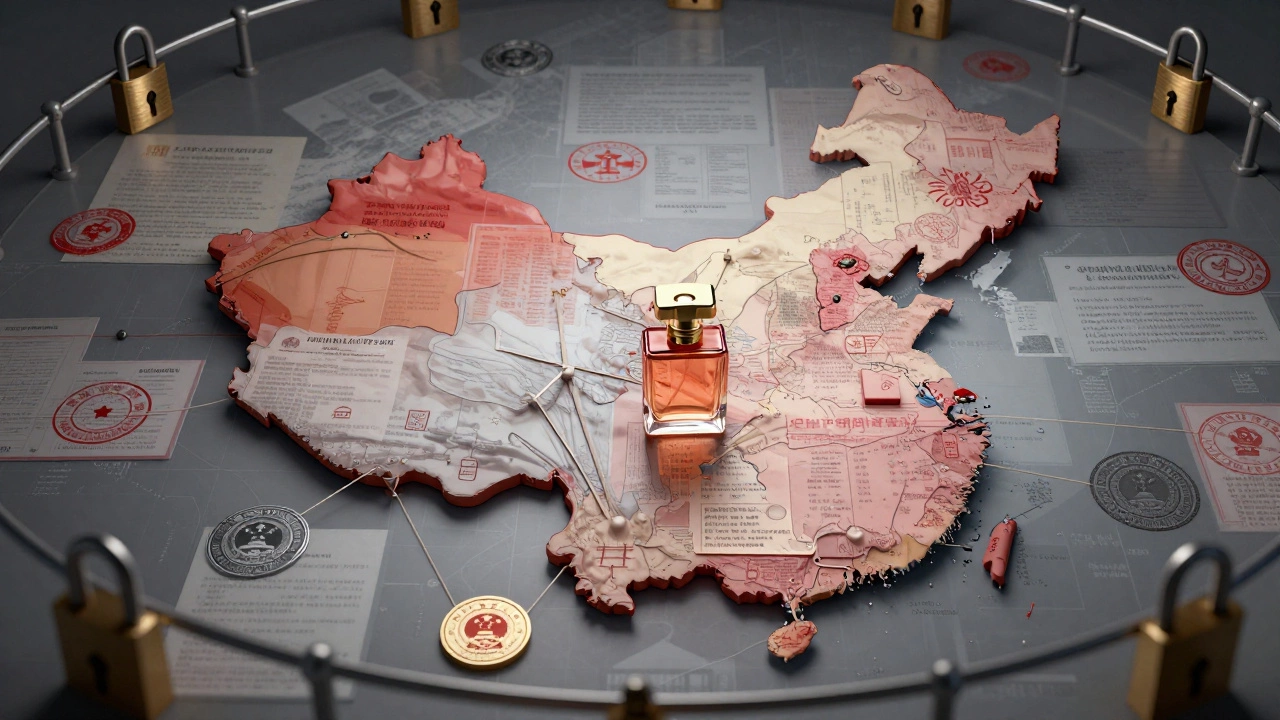
The biggest reason Lancôme tests on animals is simple geography: they sell in mainland China. For years, there was a gray area. Companies could avoid animal testing if they sold only online or if their products were manufactured domestically within China under specific conditions. This led many big brands to claim they were "cruelty-free" while technically complying with local laws.
However, as of mid-2021, China updated its regulations. While some exemptions exist for non-special use cosmetics (like standard moisturizers or foundations) produced locally, the reality for international giants like Lancôme is different. They often face post-market surveillance testing. This means that after a product hits the shelves, Chinese authorities can randomly select batches and send them to government labs for mandatory animal testing to check for safety issues. If Lancôme wants to stay in the Chinese market-which accounts for a massive chunk of their revenue-they must comply with these requests.
So, when you ask if they test on animals, the answer is nuanced but firm: they allow third parties and governments to test their products on animals to access one of the world's largest consumer markets. That disqualifies them from being considered cruelty-free by any rigorous standard.
Who Owns Lancôme? The L'Oréal Connection
You cannot talk about Lancôme without talking about L'Oréal, the multinational personal care company headquartered in Clichy, France, which owns Lancôme along with other major brands like Maybelline and Garnier. L'Oréal has spent billions developing alternative testing methods, such as lab-grown skin models and computer simulations. They are pioneers in toxicology science, no doubt. However, scientific innovation doesn't erase legal compliance.
L'Oréal’s official stance is that they do not conduct animal testing unless required by law. This is a critical distinction. A truly cruelty-free brand refuses to sell in markets where animal testing is mandatory, regardless of the profit potential. L'Oréal chooses the profit. By choosing to remain in markets like China where animal testing can be triggered by regulators, they fail the core tenet of the cruelty-free movement: zero animal testing, period.
| Feature | Lancôme | Certified Cruelty-Free Brand (e.g., Tarte, Milk Makeup) |
|---|---|---|
| Sells in Mainland China? | Yes | No (or only via cross-border e-commerce that avoids physical stores) |
| Animal Testing Policy | Tests if required by law | Never tests on animals, anywhere |
| Certification | None | PETA, Leaping Bunny, or Choose Cruelty Free (CCF) |
| Parent Company | L'Oréal (tests on animals) | Independent or owned by cruelty-free parent |
Why Certifications Matter More Than Marketing Buzzwords
If you pick up a Lancôme foundation, you won't see a bunny logo. You won't see a "Leaping Bunny" seal. You won't see PETA's cruelty-free stamp. These aren't just stickers; they are audits. Organizations like Leaping Bunny, an internationally recognized cruelty-free certification program that requires brands to implement a monitoring system with annual independent audits. require brands to sign a commitment stating they do not test on animals at any stage of product development, nor do they allow others to do so on their behalf.
Lancôme does not hold these certifications because they cannot meet the criteria. Some brands try to confuse shoppers by saying "our products are not tested on animals" while omitting the crucial phrase "unless required by law." This is a semantic trick. In the eyes of ethical consumers and certification bodies, that exception voids the claim entirely.
When a brand is certified, it means every ingredient supplier is also vetted. It means the final product hasn't been tested by a government lab in Beijing. With Lancôme, none of those guarantees exist.
Is Lancôme Vegan? Don't Let the Labels Trick You
Another common question is whether Lancôme is vegan. Being vegan and being cruelty-free are related but distinct concepts. Vegan means the product contains no animal-derived ingredients like beeswax, lanolin, or carmine. Cruelty-free means no animals were harmed in the making of the product.
Lancôme has a small selection of products labeled as vegan, meaning they exclude animal ingredients. However, this label says nothing about how the safety of those ingredients was determined. A product can be 100% plant-based and still have been tested on rabbits. So, even if you find a Lancôme lipstick that is technically vegan, it is almost certainly not cruelty-free due to the regulatory requirements in the countries where it is sold.
The Rise of Alternative Testing Methods
It is worth noting that the industry is moving away from animal testing, but slowly. Newer technologies like reconstructed human epidermis (RHE) and in vitro organ chips are becoming more accurate than animal models. The EU banned animal testing for cosmetics in 2013, setting a global precedent. India, Australia, and Norway have followed suit.
China is gradually loosening its rules, but as of 2026, mandatory post-market testing remains a hurdle for imported cosmetics. Until China fully aligns with the EU’s ban, brands like Lancôme will continue to straddle the line between ethical marketing and regulatory compliance. For now, they choose compliance over ethics.
What Should You Do Instead?
If you love the quality of Lancôme but want to stick to your values, you are not alone in feeling conflicted. Many people switch to brands that offer similar luxury experiences without the ethical compromise. Look for brands that are:
- Certified by Leaping Bunny or PETA: This ensures independent verification.
- Owned by cruelty-free parents: Avoid subsidiaries of L'Oréal, Estée Lauder, or Coty if they sell in China.
- Transparent about supply chains: Ethical brands openly discuss where their ingredients come from and how they are tested.
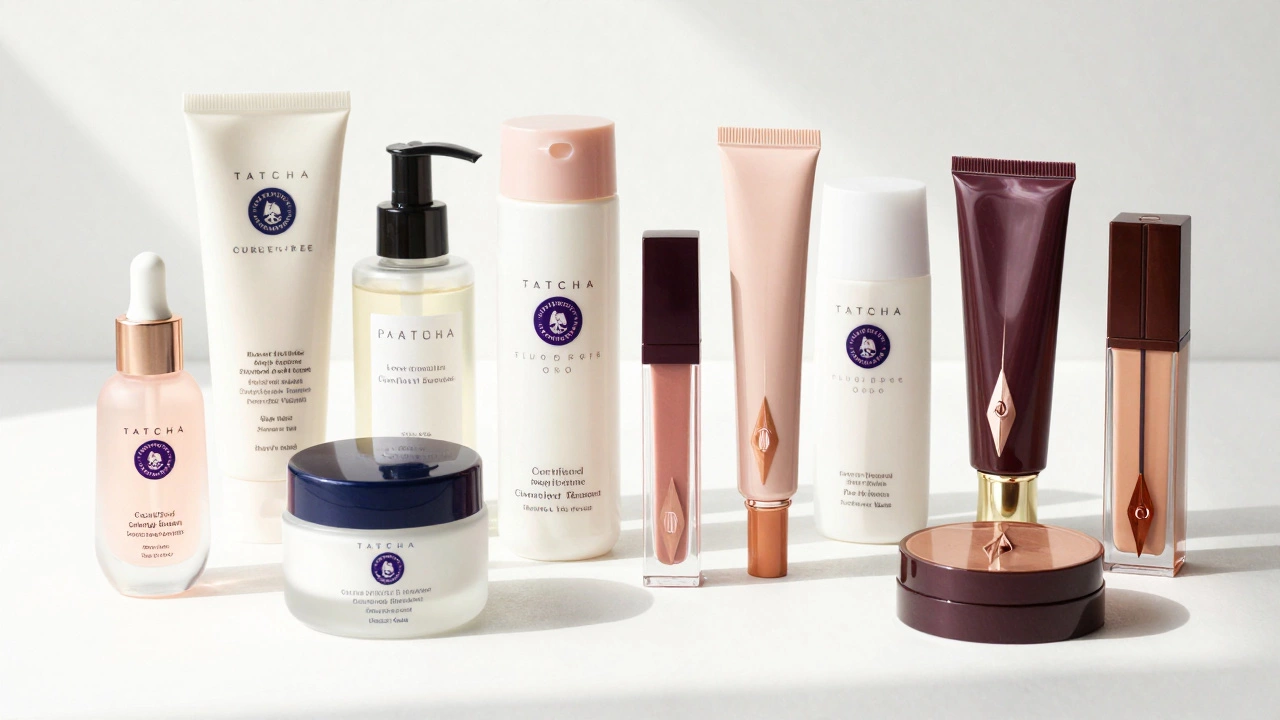
Brands like Tatcha, a Japanese-inspired luxury skincare brand known for using traditional botanicals and adhering to strict cruelty-free standards. or Charlotte Tilbury, a British makeup brand founded by makeup artist Charlotte Tilbury, which is certified cruelty-free and does not sell in mainland China. offer high-end alternatives that respect both your skin and your conscience.
Final Thoughts on Ethical Beauty Choices
Choosing cruelty-free makeup is a personal decision, but it is one that requires diligence. You can't just trust the glossy ads or the beautiful packaging. You have to look at the fine print, the ownership structure, and the sales regions. Lancôme, despite its sophisticated image and scientific advancements, does not meet the bar for cruelty-free status because it prioritizes access to markets with mandatory animal testing laws.
In 2026, we have more options than ever. We don't need to sacrifice quality for ethics. By supporting brands that refuse to cut corners on animal welfare, we send a clear message to the industry: consumers value compassion as much as coverage. The next time you reach for that pink-capped bottle, remember that true luxury shouldn't cost an animal its life.
Is Lancôme cruelty-free in 2026?
No, Lancôme is not considered cruelty-free in 2026. Although they do not explicitly advertise animal testing, they sell their products in mainland China where animal testing may be required by law for imported cosmetics. This violates the core principles of cruelty-free certifications.
Does Lancôme own any cruelty-free brands?
Lancôme is owned by L'Oréal, which does not have any fully cruelty-free brands under its umbrella that sell globally without restriction. While some L'Oréal brands may not test on animals in certain regions, the parent company allows testing where required by law, making the entire group ineligible for cruelty-free status.
Why does selling in China mean a brand is not cruelty-free?
Mainland China historically required mandatory animal testing for all imported cosmetics. While regulations have relaxed for some locally manufactured goods, imported brands like Lancôme can still be subject to random post-market animal testing by Chinese authorities. Cruelty-free organizations require brands to refuse sales in such markets to maintain their status.
Are there any Lancôme products that are vegan?
Yes, Lancôme labels some products as vegan, meaning they do not contain animal-derived ingredients. However, being vegan does not mean the product is cruelty-free. These vegan items may still undergo animal testing if required by regulations in countries where they are sold.
What certifications should I look for to ensure a brand is cruelty-free?
Look for logos from Leaping Bunny, PETA's Beauty Without Bunnies, or Choose Cruelty Free (CCF). These organizations require rigorous audits and proof that neither the brand nor its suppliers test on animals, and that the brand does not sell in markets requiring animal testing.
Can I buy Lancôme in the US without supporting animal testing?
While the US does not require animal testing for cosmetics, purchasing Lancôme still supports a parent company (L'Oréal) that conducts or allows animal testing in other parts of the world. Your purchase contributes to the overall revenue that enables them to operate in markets with mandatory testing laws.
What are some high-end cruelty-free alternatives to Lancôme?
Some popular high-end cruelty-free alternatives include Charlotte Tilbury, Tatcha, Pat McGrath Labs, and Rare Beauty. These brands are certified cruelty-free and do not sell in markets that require animal testing.