Cruelty-Free Brand Checker
Try searching for popular brands to see their testing policy and parent company.
Did you know?
Just because a brand is "Vegan", it doesn't mean it's "Cruelty-Free". Always look for the Leaping Bunny logo.
It’s a question that stops almost every makeup shopper at the counter. You see the familiar red logo, you know the products are affordable and widely available, but then you wonder: does L'Oreal test on animals? The short answer is yes, technically they do. But the reality is much more complicated than a simple yes or no.
If you are trying to build a fully ethical bathroom cabinet, understanding L'Oreal's stance is crucial. They claim to be moving away from animal testing, yet they still sell in markets where it is legally required. This puts them in a gray area that confuses even seasoned beauty lovers. Let’s break down exactly what is happening with their testing policies, why they haven’t gone fully cruelty-free, and what your options are if you want to avoid supporting animal testing entirely.
The Official Stance: "No Animal Testing Unless Required by Law"
L'Oreal has been vocal about its efforts to reduce reliance on animal testing for decades. They were one of the first major companies to invest heavily in alternative testing methods. In fact, they have spent over €500 million since 1987 developing non-animal techniques like skin models and computer simulations. On their website and in press releases, they state clearly that they do not test their finished products on animals unless specifically mandated by regulatory authorities.
This distinction matters. It means that in countries like New Zealand, Australia, Canada, and most of Europe, L'Oreal products are not tested on animals. If you buy a bottle of L'Oreal shampoo in Wellington today, it likely hasn't seen a lab mouse. However, the phrase "unless required by law" is the loophole that keeps them off most official cruelty-free lists.
Does L'Oreal test on animals in 2026?
Technically, yes. While L'Oreal does not conduct animal testing in most markets, they allow third-party tests when required by specific government regulations, primarily in mainland China for certain product categories.
The China Factor: Why L'Oreal Isn't Cruelty-Free Certified
To understand why L'Oreal isn't considered cruelty-free by organizations like Leaping Bunny or PETA, you have to look at China. For years, China required mandatory post-market animal testing for all imported cosmetics. This meant any brand wanting to sell physical goods in Chinese stores had to submit to these tests.
However, the landscape changed significantly in recent years. As of May 2021, China lifted mandatory animal testing for many "general cosmetics" (like shampoos, conditioners, and basic skincare) manufactured domestically or imported, provided they meet safety standards. Special-use cosmetics (like sunscreens, hair dyes, and anti-aging creams) still face stricter scrutiny and may require animal testing depending on the ingredient profile and manufacturing location.
L'Oreal sells extensively in China. Because they operate factories there and sell a wide range of products, including some special-use items, they remain subject to potential regulatory animal testing. Major cruelty-free certifications require a blanket ban on animal testing everywhere in the supply chain. Since L'Oreal cannot guarantee this due to Chinese regulations, they lose their certification status.
| Brand | Cruelty-Free Certified? | Sells in Mainland China? | Animal Testing Policy |
|---|---|---|---|
| L'Oreal | No | Yes | Tests only when required by law (e.g., China) |
| Maybelline | No | Yes | Same as parent company L'Oreal |
| The Ordinary | Yes (Leaping Bunny) | No (Physical Stores) | No animal testing anywhere |
| Fenty Beauty | Yes (PETA) | Online Only | No animal testing; avoids mandatory testing via online sales |
What About L'Oreal's Sub-Brands?
A common point of confusion is whether buying from L'Oreal's sub-brands makes a difference. Many people assume that because Garnier or Maybelline looks different, they might have different ethics. Unfortunately, they share the same corporate umbrella and the same policy.
- Maybelline: One of the world's largest makeup brands, owned by L'Oreal. Not cruelty-free.
- Garnier: Known for skincare and hair care. Not cruelty-free.
- Lancôme: A luxury brand under L'Oreal. Not cruelty-free.
- Kiehl's: Despite its apothecary image, Kiehl's is owned by L'Oreal and follows the same rules. Not cruelty-free.
- Eucerin & La Roche-Posay: These dermatological brands also fall under the L'Oreal group. Not cruelty-free.
If you are strict about avoiding animal testing, you generally need to avoid the entire L'Oreal portfolio. There are no exceptions within the group that hold independent cruelty-free certifications.

Is L'Oreal Vegan?
Being cruelty-free and being vegan are two different things, though they often go hand-in-hand for ethical shoppers. Cruelty-free refers to testing; vegan refers to ingredients. A product can be tested on animals but contain no animal-derived ingredients (cruelty-free but not vegan). Conversely, a product can be made with beeswax or carmine (not vegan) but never tested on animals.
L'Oreal has expanded its vegan range significantly. You will find labels saying "Vegan Formula" on many of their mascaras, foundations, and serums. However, because the brand itself is not cruelty-free certified, a "vegan" L'Oreal product is still considered unethical by those who prioritize animal welfare in testing. If you want both, you need to look for brands that are explicitly labeled as both "Cruelty-Free" and "Vegan."
Why Do They Still Sell in China If They Want to Be Ethical?
This is the million-dollar question. Why would a company spend hundreds of millions on alternative testing if they are going to let animals be tested elsewhere? The answer is market size. China is the second-largest cosmetics market in the world. Ignoring it means leaving billions of dollars on the table.
L'Oreal argues that by staying in China, they can influence change from within. They work with Chinese regulators to push for more acceptance of non-animal testing methods. Some activists agree with this approach, believing that engagement leads to faster systemic change than boycotts. Others argue that profit motives outweigh ethical commitments, pointing out that L'Oreal continues to sell products that trigger mandatory testing rather than restructuring their business model to avoid it entirely.
In 2026, the pressure is higher than ever. Consumers in Europe and North America are increasingly savvy. They check apps like Cruelty-Free Kitty or Logical Harmony before buying. L'Oreal knows this, which is why their marketing emphasizes their investment in alternatives, even if their final certification remains elusive.
Alternatives: Truly Cruelty-Free Brands You Can Trust
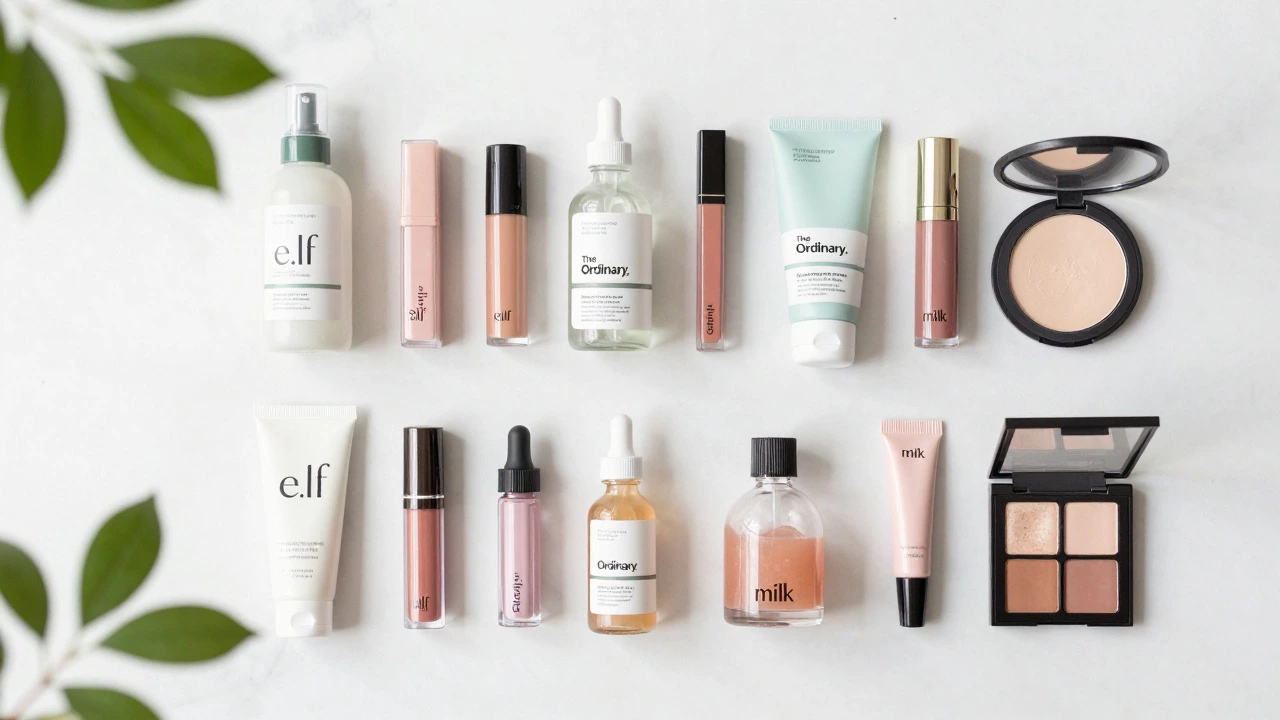
If L'Oreal doesn't fit your ethical criteria, don't worry. The beauty industry has exploded with high-quality, genuinely cruelty-free options. Here are a few reliable alternatives that cover similar ground to L'Oreal's popular products:
- e.l.f. Cosmetics: Offers affordable makeup comparable to Maybelline. Fully certified cruelty-free and vegan-friendly options.
- The Ordinary: Provides science-backed skincare at drugstore prices. Owned by DECIEM, which is staunchly anti-animal testing.
- Milk Makeup: A trendy, clean beauty brand that is Leaping Bunny certified. Great for those who like Lancôme's aesthetic but want ethics.
- Paula's Choice: An excellent alternative to Kiehl's or Eucerin for serious skincare enthusiasts. Transparent about their no-testing policy.
When shopping, look for the Leaping Bunny logo. It is the gold standard because it requires annual audits and monitoring of the entire supply chain. PETA's "Beauty Without Bunnies" list is also helpful, though some critics argue it is less rigorous than Leaping Bunny. Using both resources together gives you the best protection against greenwashing.
How to Spot Greenwashing in Beauty Marketing
Companies love using vague language to sound ethical without committing to it. Watch out for phrases like "never tested on animals" without mentioning where they sell. If a brand says this but sells in mainland China physical stores, they are likely omitting the part about regulatory testing.
Another red flag is the absence of a recognized certification logo. If a brand claims to be cruelty-free but doesn't display the Leaping Bunny or PETA logo, ask yourself why. Certification costs money and requires transparency. Avoiding it often signals hesitation.
Finally, check the parent company. Just because a small indie brand is cruelty-free doesn't mean the corporation that bought them last year is. Always verify the current ownership structure. In the case of L'Oreal, the parent company dictates the policy for all subsidiaries, making individual brand claims irrelevant if the group allows testing.
Is L'Oreal certified by Leaping Bunny?
No, L'Oreal is not certified by Leaping Bunny. To qualify, a brand must prove that no animal testing occurs at any stage of product development, including by suppliers and third parties, in any country. L'Oreal fails this requirement due to sales in China.
Can I trust L'Oreal's claim that they use alternative testing methods?
Yes, their investment in alternative methods is genuine and scientifically significant. They have pioneered many in-vitro tests used globally. However, using alternatives doesn't exempt them from mandatory animal testing laws in specific jurisdictions like China for certain products.
Are there any L'Oreal products that are completely cruelty-free?
Not officially. While products sold in Europe or New Zealand may not be tested on animals, the brand as a whole is not cruelty-free. Therefore, purchasing any L'Oreal product supports a company that permits animal testing elsewhere.
Why is China's regulation so important for cruelty-free status?
China historically required animal testing for all imported cosmetics. Although rules have relaxed for general cosmetics, special-use cosmetics still face testing requirements. Selling in China physically often triggers these tests, disqualifying brands from global cruelty-free certifications.
Is Garnier cruelty-free?
No. Garnier is a subsidiary of L'Oreal and follows the same corporate policy. It is not certified by Leaping Bunny or PETA and sells in markets where animal testing may be required by law.
Final Thoughts on Your Beauty Choices
Deciding whether to buy L'Oreal comes down to your personal values. If you prioritize affordability and accessibility and believe that gradual change through market presence is effective, L'Oreal might still work for you. They are certainly doing more research into alternatives than many competitors.
However, if you define cruelty-free strictly as "no animal testing anywhere, ever," then L'Oreal is not for you. The loopholes in their policy, driven by the demands of the Chinese market, keep them out of the good graces of ethical certification bodies. In 2026, we have more choices than ever. With so many vibrant, innovative, and truly cruelty-free brands available, switching away from L'Oreal is easier than it has ever been. Your wallet votes for the kind of beauty industry you want to support.