
Makeup Matchmaker
Not sure which foundation will work for you? Answer these questions to get a personalized recommendation.
You’ve been there. You walk into a store or scroll through an online shop, overwhelmed by hundreds of tubes and bottles promising "flawless" results. You buy one, apply it at home, and two hours later, your face looks like a cracked desert or an oil slick. It’s frustrating, right? The truth is, there is no single best makeup product in the world. There is only the best product for you. Choosing the right cosmetics isn’t about following trends; it’s about understanding your own biology and matching it with the chemistry of the product.
Know Your Canvas: Identifying Your Skin Type
Before you even look at a color swatch, you need to know what you’re working with. Most people guess their skin type, but guessing leads to bad purchases. The easiest way to determine this is the "bare-faced test." Wash your face, pat it dry, and wait 30 minutes without applying any products. Look in the mirror under natural light.
- Oily: Your entire face has a noticeable shine. You likely deal with enlarged pores and frequent breakouts.
- Dry: Your skin feels tight, maybe even flaky. It lacks elasticity and may feel rough to the touch.
- Combination: This is the most common type. You have an oily T-zone (forehead, nose, chin) but normal or dry cheeks.
- Normal: Balanced moisture levels, no excessive oiliness or dryness, and few imperfections.
- Sensitive: Your skin reacts quickly to products with redness, itching, or burning, regardless of oil production.
Why does this matter? Because a matte foundation designed for oily skin will cling to every dry patch on a dry-skinned person, emphasizing wrinkles instead of hiding them. Conversely, a dewy, hydrating formula might slide right off an oily face by lunchtime.
The Foundation Puzzle: Formula and Finish
Foundation is usually the first thing people buy, and the hardest to get right. It’s not just about shade; it’s about finish. The finish refers to how the product reflects light once it sets on your skin.
| Skin Type | Recommended Finish | Formula Type | Key Ingredient to Look For |
|---|---|---|---|
| Oily | Matte or Satin | Oil-free liquid or powder | Salicylic Acid or Niacinamide |
| Dry | Dewy or Luminous | Cream or Hydrating Liquid | Hyaluronic Acid or Glycerin |
| Combination | Natural/Satin | Buildable Liquid | Balancing Botanicals |
| Sensitive | Natural | Mineral Powder | Zinc Oxide or Titanium Dioxide |
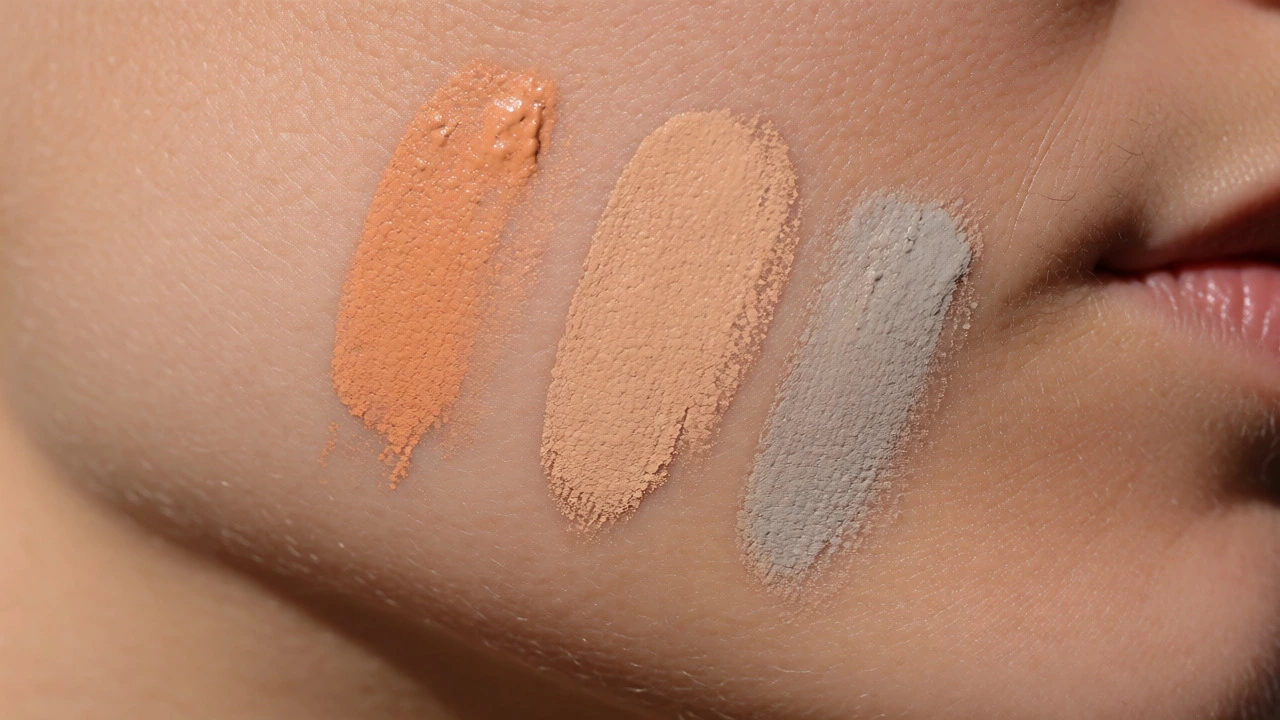
A common mistake is buying a foundation that oxidizes. This happens when the product reacts with your skin’s pH level and turns orange or darker after application. To avoid this, always test shades on your jawline, not your hand. Your face and neck often have different undertones than your hands, which are exposed to more sun and wear.
Undertones: The Hidden Variable
If you’ve ever bought a foundation that matched perfectly in the store but looked gray or yellowish in daylight, you ignored your undertone. Undertones are subtle hues beneath the surface of your skin that don’t change with sun exposure. They fall into three categories: cool, warm, and neutral.
How do you spot yours? Check the veins on the inside of your wrist. If they look blue or purple, you likely have a cool undertone. If they appear green, you’re probably warm. If you can’t tell if they’re blue or green, you likely have a neutral undertone. Another trick: hold up a piece of white paper next to your bare face. Cool skin often looks pink or bluish against white paper, while warm skin looks yellow or golden.
Choosing a foundation with the wrong undertone is why some people look "muddy" or "ashy." A cool-toned person wearing a warm, yellow-based foundation will look sallow. Always aim for a match that blends seamlessly into your neck.
Reading Labels: Ingredients That Matter
You don’t need a chemistry degree to read a label, but you should know what to look for. Marketing terms like "clean," "natural," or "non-toxic" are largely unregulated. Instead, focus on specific functional ingredients.
For dry skin, look for humectants like hyaluronic acid, glycerin, or ceramides. These pull moisture into the skin. For oily or acne-prone skin, seek out non-comedogenic labels, meaning the product won’t clog pores. Ingredients like niacinamide help regulate oil production, while salicylic acid fights breakouts.
If you have sensitive skin, avoid fragrances and alcohol denat (denatured alcohol). These are common irritants that can compromise your skin barrier. Mineral makeup, typically made from zinc oxide and titanium dioxide, is often gentler because these ingredients sit on top of the skin rather than absorbing into it, reducing the risk of irritation.
Texture and Application Tools
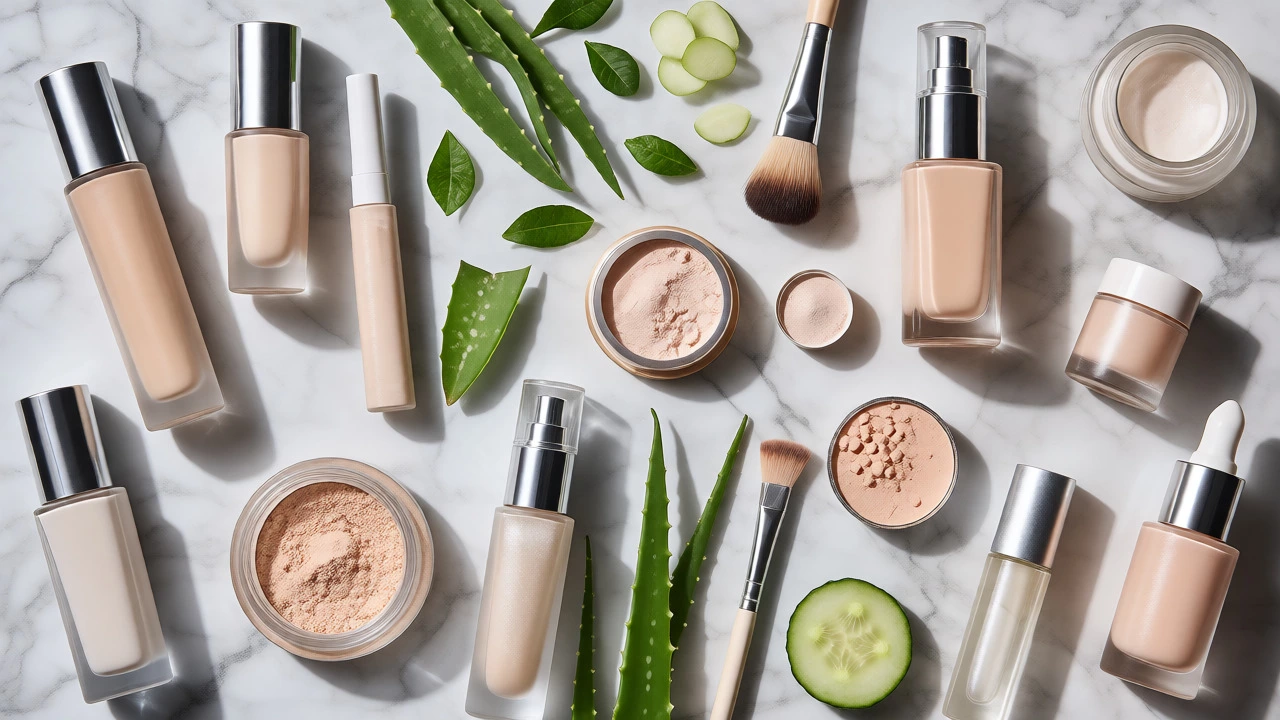
The tool you use changes the outcome as much as the product itself. A dense synthetic brush gives full coverage and a polished look. A damp beauty sponge provides a sheerer, airbrushed finish that melts into the skin. Fingers add warmth, which helps cream products blend, but can introduce bacteria if not washed frequently.
Consider the texture of the product relative to your routine. If you’re in a rush, stick to tinted moisturizers or BB creams that offer hydration and light coverage in one step. If you want long-wear durability for a wedding or workday, opt for high-pigment liquids or powders that require setting sprays. Remember, heavier formulas require more prep time-exfoliating and priming become crucial to prevent patchiness.
Trial and Error: The Patch Test Protocol
Never commit to a full-size purchase based on a quick swipe in a brightly lit store. Lighting in retail environments is deceptive. It’s often too bright or filtered, masking true colors and textures.
Here is a practical approach to testing new products:
- Sample First: Ask for samples or buy travel sizes. Many brands offer these for a reason.
- Wear It All Day: Apply the sample in the morning and check it at noon and again at night. Does it fade? Does it separate? Does it cause redness?
- Check in Different Lights: View your face in natural sunlight, office fluorescent lighting, and bathroom bulbs. A product might look great in one but terrible in another.
- Monitor Breakouts: Give it at least two weeks. Some reactions, like comedones (clogged pores), take time to surface.
This process saves money and prevents skin disasters. It also helps you build a mental library of what works for your unique physiology.
Budget vs. Quality: Where to Spend
Do you need to spend $50 on mascara? Probably not. Drugstore mascaras have improved significantly in recent years, offering excellent volume and lengthening properties. However, where should you invest?
Generally, splurge on foundations and concealers because these cover large areas of your face and need to look seamless. Cheap foundations can sometimes feel heavy or settle into fine lines. Similarly, invest in good skincare-prep products like primers and serums, as healthy skin makes any makeup look better.
Save money on eyeliners, brow pencils, and lip liners. These are small, simple formulations that perform similarly across price points. Blushes and bronzers are also safe bets for mid-range brands, especially if you prefer a natural wash of color rather than intense pigment.
Common Pitfalls to Avoid
Even experienced makeup users make mistakes. One big one is ignoring expiration dates. Mascara and liquid eyeliner should be replaced every three months due to bacterial growth. Foundations and powders last longer, usually 12-24 months, but check the Period After Opening (PAO) symbol on the packaging-a little open jar icon with a number like 6M or 12M.
Another pitfall is layering incompatible formulas. Water-based foundations don’t mix well with silicone-based primers, leading to pilling (little balls of product rolling off the skin). Stick to similar bases: water with water, silicone with silicone. Check the first few ingredients on the label to determine the base.
How do I find my exact foundation shade?
Start by identifying your undertone (cool, warm, or neutral) using the vein test. Then, test three shades close to your skin tone on your jawline. The correct shade will disappear into your skin, neither lighter nor darker. Always check the match in natural daylight before buying.
Can I use the same makeup for day and night?
Yes, but adjust the intensity. For daytime, use sheerer layers and natural finishes. For nighttime, you can build up coverage and add dimension with contour or highlighter. The key is ensuring the base formula suits your skin type, so it lasts through both settings without breaking down.
What is the difference between matte and dewy makeup?
Matte makeup absorbs light, giving a flat, velvety appearance ideal for oily skin. Dewy makeup reflects light, creating a glowing, hydrated look suited for dry or mature skin. Satin finishes offer a middle ground, providing a natural radiance without excess shine.
Are expensive makeup products always better?
Not necessarily. High-end brands often pay for packaging and marketing. While luxury foundations may have superior pigments or longevity, many drugstore alternatives use similar technology. Focus on ingredient quality and performance rather than brand prestige.
How often should I replace my makeup?
Liquid products like foundation and concealer last 6-12 months. Powders can last up to 2 years. Mascara and liquid eyeliner should be discarded every 3 months to prevent eye infections. If a product smells odd or changes texture, throw it away immediately.