Facial Recommendation Tool
Not all facials are created equal. Walk into any spa and you’ll see a wall of options: hydrating, brightening, acne-fighting, anti-aging, detoxifying. But if you pick the wrong one, you could end up with redness, breakouts, or wasted money. The key isn’t picking the trendiest treatment-it’s matching the facial to your skin’s real needs.
Start with your skin type
Before you even look at a menu, know your skin. Dry skin feels tight after washing. Oily skin shines by midday and clogs easily. Combination skin? Oily T-zone with dry cheeks. Sensitive skin reacts to fragrances or exfoliants with stinging or redness. Normal skin? Rare. Most people fall into one of the first four categories.
If you have dry skin, look for facials with hyaluronic acid, ceramides, or facial oils. These ingredients lock in moisture and repair your skin barrier. Avoid harsh scrubs or steam-heavy treatments-they strip natural oils and make dryness worse.
Oily or acne-prone skin needs salicylic acid, glycolic acid, or clay-based treatments. These dissolve excess oil and unclog pores. A facial with extractions can help, but only if done by a licensed esthetician. DIY extractions or aggressive pore-cleaning tools often cause scarring or infection.
Sensitive skin requires fragrance-free, alcohol-free, and dye-free products. Look for facials labeled "calming" or "soothing" with ingredients like aloe vera, centella asiatica, or oat extract. Skip chemical peels unless your esthetician has experience with sensitive skin.
What are you trying to fix?
Facials aren’t just for relaxation. They’re targeted treatments. Ask yourself: What’s bothering you right now?
Dark spots or dullness? A vitamin C facial can help. Vitamin C blocks melanin production and brightens skin over time. Most results show up after 4-6 sessions spaced two weeks apart. Don’t expect overnight glow-it’s a slow build.
Wrinkles and loss of firmness? Try a facial with peptides or retinol. Peptides signal skin to make more collagen. Retinol speeds up cell turnover. Both work best when used consistently. A single retinol facial won’t erase lines, but a monthly one combined with daily skincare can slow aging.
Breakouts? A clarifying facial with blue light therapy can kill acne bacteria. Some clinics combine it with extractions and a zinc serum. Avoid sugary or dairy-heavy diets around your treatment-these can trigger flare-ups.
Redness from rosacea or eczema? Stick to gentle hydration. Look for facials with niacinamide or chamomile. Avoid anything labeled "detox," "deep cleansing," or "exfoliating." These can irritate inflamed skin.
Know what’s in the treatment
Spas love fancy names: "Diamond Glow," "Oxygen Infusion," "Caviar Lift." But what matters is the active ingredients. A $200 facial with just moisturizer and steam isn’t worth it. A $75 facial with 10% glycolic acid might be.
Check the ingredient list. If they won’t tell you what’s in the products, walk away. Reputable clinics list them on their website or hand you a sheet before the treatment.
Some common effective ingredients:
- Salicylic acid - best for oily, acne-prone skin
- Hyaluronic acid - pulls water into skin, great for dryness
- Vitamin C - fades dark spots, boosts radiance
- Retinol - reduces fine lines, thickens skin over time
- Niacinamide - calms redness, balances oil, strengthens barrier
- Clay (kaolin, bentonite) - draws out oil and impurities
Avoid facials with alcohol, synthetic fragrance, or parabens if your skin is reactive. Even "natural" brands can irritate if they use essential oils like peppermint or citrus.

Frequency matters
More isn’t better. Getting a facial every week can damage your skin barrier. Most people benefit from one every 4-6 weeks. That’s about the time it takes for skin cells to renew.
If you have active acne, weekly treatments for 2-3 months can help control breakouts. After that, switch to monthly maintenance.
For anti-aging, monthly facials with peptides or light therapy work best. Pair them with daily sunscreen-no facial can undo UV damage.
Don’t book a facial right before a big event unless you’ve tried it before. Some treatments cause temporary redness or peeling. Test-drive a new facial at least two weeks ahead.
What to expect during your first facial
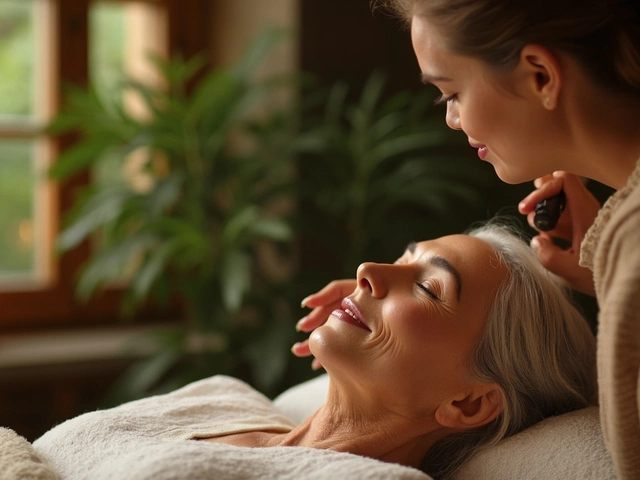
A good facial lasts 60-75 minutes. Here’s what should happen:
- Cleansing - removes makeup and surface dirt
- Steam - opens pores (skip if you have rosacea)
- Exfoliation - gentle chemical or physical scrub
- Extractions - only if needed, and done carefully
- Massage - improves circulation, reduces puffiness
- Mask - targeted to your skin concern
- Moisturizing and sunscreen - final step
If the esthetician skips the consultation, doesn’t ask about your skin concerns, or rushes through the massage, find someone else. A facial should feel personalized, not like a factory line.
At-home vs. professional
You can do basic cleansing and masks at home. But professional facials offer stronger ingredients and tools you can’t use safely yourself.
For example, chemical peels with 20%+ glycolic acid require training to apply. Laser and radiofrequency treatments are clinic-only. Extractions done improperly can leave scars.
At-home facials are great for maintenance. Use a gentle exfoliant once a week, a hydrating mask twice a week, and always follow with moisturizer and SPF.
But if you’re dealing with persistent acne, deep wrinkles, or stubborn pigmentation, skip the DIY route. A professional can diagnose what’s really going on under your skin.

Red flags to watch for
Some clinics push add-ons: "Add this serum for $50," "Upgrade to gold leaf for $120." Don’t fall for it. You don’t need gold, caviar, or diamond dust to get results.
Watch out for:
- Unlicensed staff doing extractions
- No patch test before using new products
- Pressure to buy expensive home products on the spot
- Claims like "permanent results" or "instant wrinkle removal"
Legitimate clinics offer free consultations. They’ll ask about your routine, medications, and past reactions. They won’t pressure you to spend more than you want.
Realistic expectations
A facial isn’t a magic fix. It won’t erase deep wrinkles or cure hormonal acne overnight. It’s part of a system.
Think of it like going to the gym. One workout won’t get you ripped. But weekly sessions, combined with good habits, change your skin over time.
After your first facial, your skin might look brighter and feel smoother. That’s normal. But real results-fading spots, fewer breakouts, firmer texture-take months.
Track your progress. Take a photo every 4 weeks. Notice how your skin feels, not just how it looks. If you’re not seeing improvement after 3-4 treatments, ask your esthetician to adjust your plan.
What to do next
Start by writing down:
- Your skin type (oily, dry, combo, sensitive)
- Your biggest skin concern (acne, dullness, fine lines, redness)
- Your budget per facial
- How often you can realistically go
Then call 2-3 local spas. Ask: "What facial do you recommend for [your skin type and concern]? What ingredients do you use? Can I see the product labels?"
Choose the one that answers clearly, doesn’t push upsells, and makes you feel heard. Your skin deserves a treatment that fits you-not a marketing gimmick.
Can I get a facial if I have acne?
Yes, but avoid facials with heavy oils or scrubs. Look for treatments with salicylic acid, blue light therapy, or clay masks. Extractions should be done gently by a licensed professional. Never pick or squeeze pimples yourself-it can spread bacteria and cause scars.
How often should I get a facial?
Most people benefit from a facial every 4 to 6 weeks. This matches your skin’s natural renewal cycle. If you have acne, weekly treatments for 2-3 months may help, then switch to monthly. For anti-aging, monthly facials with peptides or light therapy work best. More than once a week can damage your skin barrier.
Are expensive facials worth it?
Not always. A $250 facial with just moisturizer and steam isn’t better than a $75 one with 10% glycolic acid or retinol. What matters is the active ingredients and the esthetician’s skill-not the price tag. Avoid gimmicks like gold, caviar, or diamond-infused products. They don’t deliver results.
Can I get a facial while pregnant?
Yes, but avoid retinoids, salicylic acid over 2%, and chemical peels. Stick to gentle hydration with hyaluronic acid, glycerin, and soothing ingredients like aloe or chamomile. Always tell your esthetician you’re pregnant-they should adjust the products and avoid certain essential oils.
What should I avoid after a facial?
Avoid sun exposure, harsh scrubs, and strong actives like retinol or AHAs for at least 24-48 hours. Your skin is more sensitive after exfoliation. Skip sweating (gym, saunas) if you had extractions. Use gentle cleansers and moisturizers. Always apply sunscreen-even if it’s cloudy.