Makeup Match Finder
Answer a few questions to find the perfect formula and tones for your skin.
Your Personalized Guide:
Select your details on the left to see your personalized makeup recommendations.
Quick Guide to Your Makeup Match
- Identify Skin Type: Oily, Dry, Combination, or Sensitive.
- Find Your Undertone: Cool, Warm, or Neutral.
- Define Your Goal: Natural look, full coverage, or high-glam.
- Check Ingredients: Avoid alcohol in dry skin products; seek salicylic acid for oily skin.
Understanding Your Skin Type
Before you touch a single brush, you need to know what you're working with. Skin Type is the classification of your skin based on its oil production and moisture levels. It's the most important factor in how a product will wear throughout the day.
If your forehead and nose get shiny by noon, you've likely got Oily Skin. For you, water-based or matte formulas are a must. If you feel a tight, pulling sensation after washing your face, you're dealing with Dry Skin. You'll want cream-based products and hydrating ingredients like hyaluronic acid.
Then there's Combination Skin, where you might be an oil slick in the T-zone but flaky around the cheeks. This is where "multi-masking" or using different primers on different parts of the face becomes a lifesaver. Lastly, Sensitive Skin reacts easily to fragrances and harsh chemicals, meaning you should always look for hypoallergenic labels.
Decoding Your Undertones
This is where most people trip up. Your skin tone is the surface color (fair, medium, deep), but your Undertone is the color beneath the surface. Picking a foundation that doesn't match your undertone is why some makeup looks "grey" or "orange" on the skin.
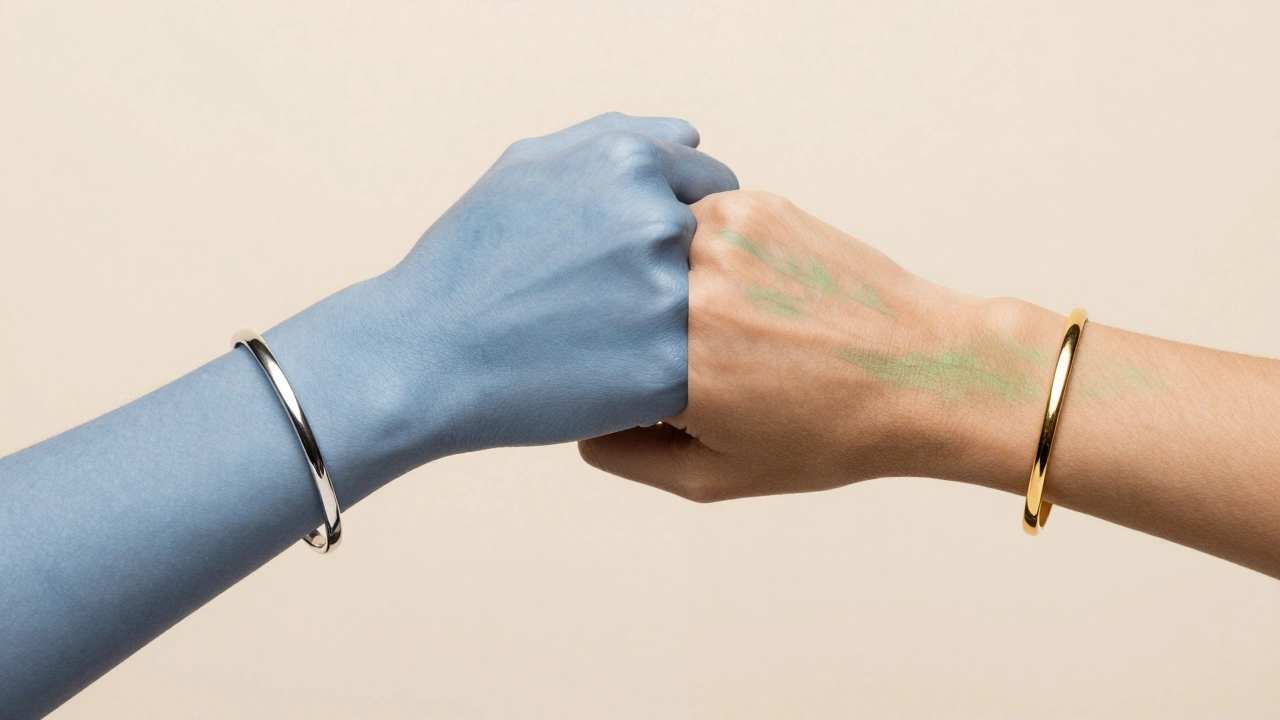
Here is a quick way to tell: look at the veins on your wrist. If they look blue or purple, you're Cool. If they look green or olive, you're Warm. If you can't really tell, or they look blue-green, you're Neutral. Another trick is the jewelry test: if silver pops against your skin, you're cool; if gold looks better, you're warm.
| Undertone | Best Foundation Tones | Flattering Eyeshadows/Blush |
|---|---|---|
| Cool | Pink or Red bases | Silver, Blue, Pink, Berry |
| Warm | Yellow or Golden bases | Gold, Orange, Peach, Warm Browns |
| Neutral | Balanced/Beige bases | Most colors work; muted tones are best |
Choosing Your Base: Foundation, BB Cream, or Tinted Moisturizer?
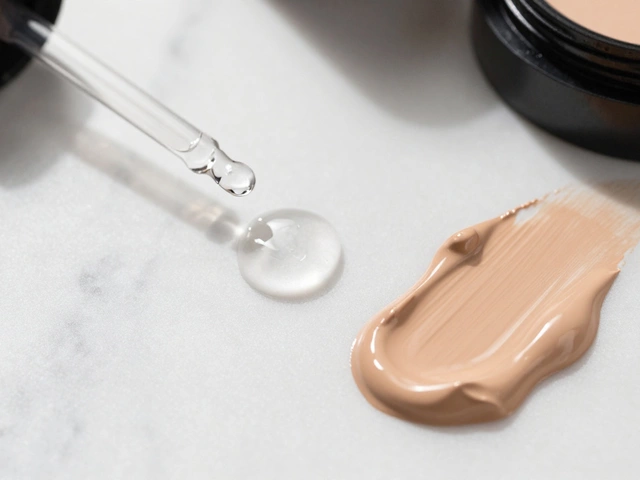
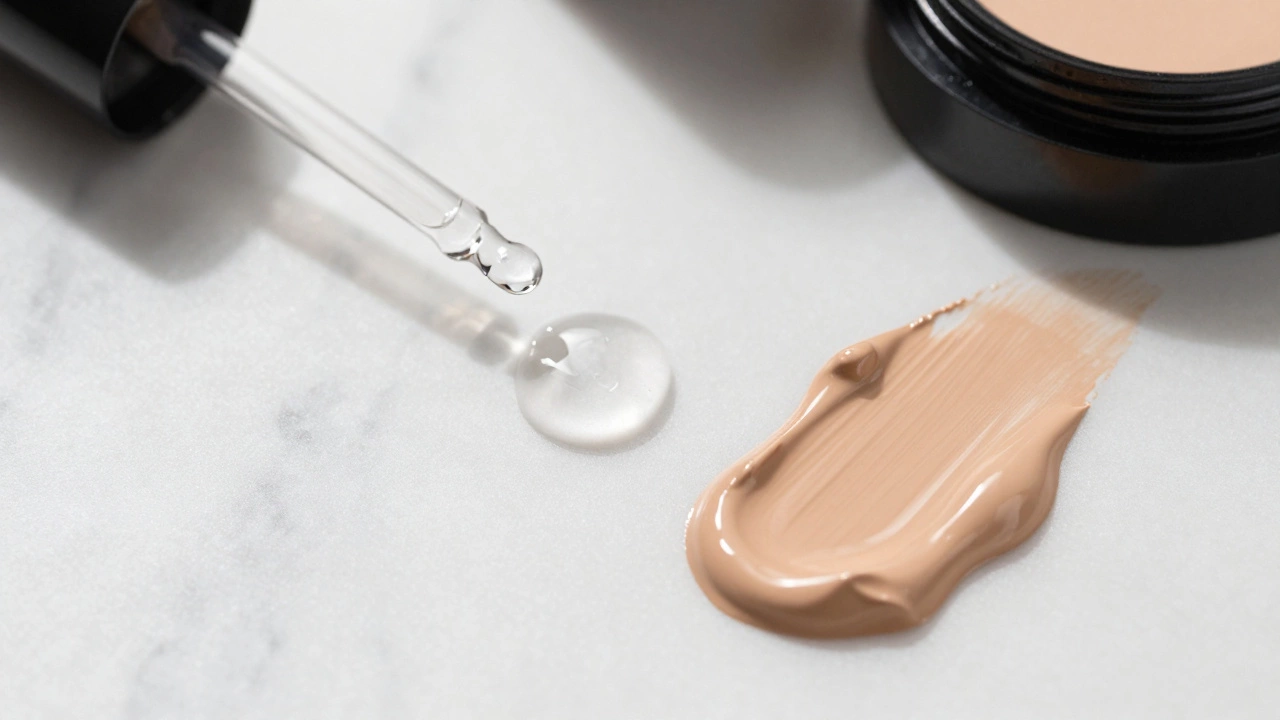
You don't always need heavy coverage. The key is choosing the right vehicle for your pigment. If you're heading to a wedding or a photo shoot, a Full Coverage Foundation will hide redness and acne. However, wearing this to the grocery store often looks cakey and unnatural.
For a daily glow, a BB Cream (Blemish Balm) is a great hybrid. It usually combines a light foundation with skincare benefits and SPF. If you want something even lighter, go for a tinted moisturizer. These are essentially lotions with a hint of color-perfect for dry skin or those who prefer a "no-makeup" look.
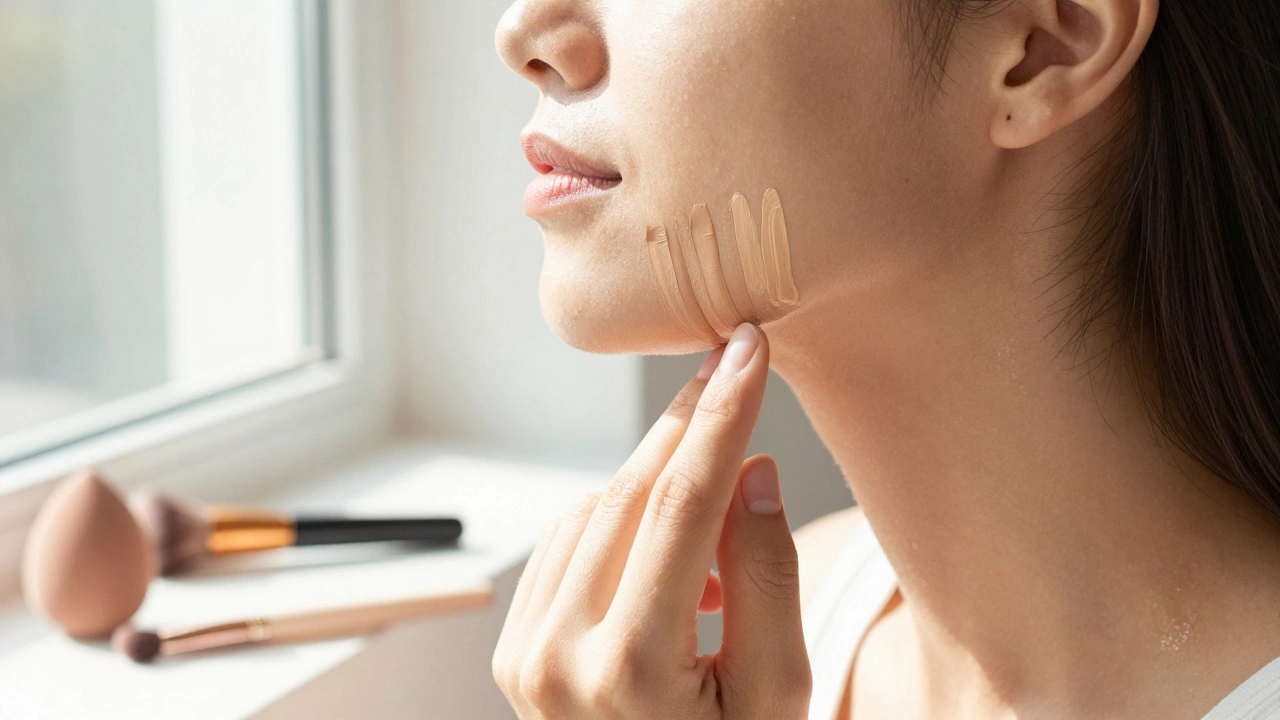
When testing, never swatch on your hand. Your hand is a different color than your face. Swipe a few shades on your jawline and walk into natural sunlight. If it disappears into your skin, that's the one. If you're shopping online, look for "shade finders" or read reviews from people who explicitly mention their skin type and undertone.
Picking the Right Eyes and Lips
Once the base is set, the eyes and lips are where you can play, but a few rules still apply. If you have small eyes, avoid very dark, matte shadows all over the lid, as this can make them look smaller. Use a light shimmer in the center to open them up.
For lips, the texture matters as much as the color. Matte lipsticks are great for longevity (they don't smudge during coffee dates) but can be drying. If you have fine lines, a creamy lipstick or a gloss will fill those in and make your lips look fuller. If you're choosing a red, remember the undertone rule: blue-reds look great on cool skin, while orange-reds pop on warm skin.
The Role of Primers and Setters
Think of Primer as the glue that holds everything together. It's a base layer that creates a smooth canvas. Silicone-based primers are amazing for blurring pores, while water-based ones provide hydration. A common mistake is mixing a silicone primer with a water-based foundation-this often causes the makeup to "pill" or roll off in little balls.
To keep everything in place, you need a Setting Spray or powder. If you have oily skin, a translucent powder is your best friend to stop the shine. If you have dry skin, skip the powder and use a hydrating setting spray to lock the makeup in without making it look like a desert.
Common Mistakes to Avoid
One of the biggest errors is ignoring the expiration date. Makeup doesn't last forever. If your mascara smells like vinegar or your cream blush has separated into oil and pigment, toss it. Using expired products is a fast track to a skin breakout or an eye infection.
Another mistake is over-applying. We've all seen the "Instagram face" with layers of contour and highlight, but in real life, less is usually more. Start with a small amount and build it up. It is much easier to add more product than it is to take it off without ruining your base.
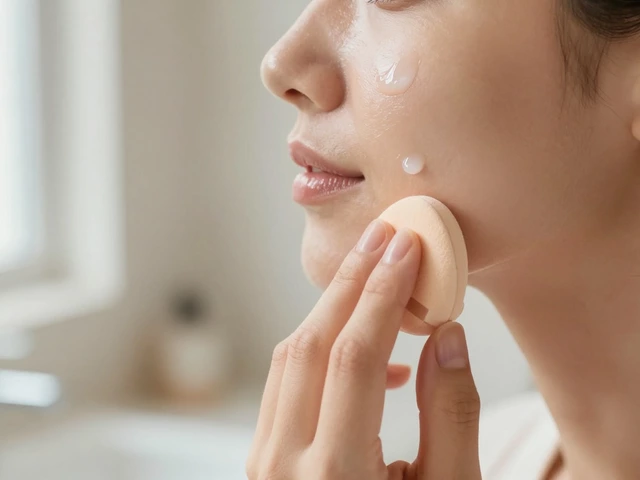
Lastly, don't ignore the tools. Using your fingers is fine for some things, but a damp beauty sponge will give you a much more seamless blend than a dry one. If you're using brushes, make sure they are clean. Old makeup buildup on a brush doesn't just smudge your look; it pushes bacteria directly into your pores.
How do I know if a foundation is too oxidized?
Oxidation happens when the makeup reacts with the oxygen in the air and the oils on your skin, causing it to turn a shade darker or more orange after an hour. To test this, apply a swatch to your jawline and wait 30 minutes. If the color shifts significantly, you may need to go one shade lighter or choose a formula specifically designed to be anti-oxidizing.
Can I use the same makeup for day and night?
You can, but you might want to adjust the intensity. Day makeup usually relies on creamier, more natural textures and sheerer coverage. Night makeup often involves higher pigments, like a matte liquid lipstick or a shimmering eyeshadow, which look better under artificial lighting but can look "too much" in the sun.
What is the best way to transition makeup between seasons?
Your skin changes with the weather. In summer, you might need a more matte foundation and a lighter shade due to a tan. In winter, your skin likely becomes drier, so switching to a hydrating BB cream or adding a drop of facial oil to your foundation can prevent flaking.
Is it okay to mix different brands of makeup?
Absolutely. Most products are compatible. The only thing to watch out for is the base (water vs. silicone). As long as your primer and foundation are from the same family, you can mix and match brands to find the best specific product for each step of your routine.
How do I choose a concealer that actually covers?
For blemishes, choose a concealer that matches your skin tone exactly. For under-eyes, you can go one or two shades lighter to brighten the area. Look for "full coverage" formulas if you're hiding a spot, but stick to "radiant" or "hydrating" formulas for the under-eye area to avoid creases.
Next Steps for Your Beauty Journey
If you're still feeling overwhelmed, start small. You don't need a 20-step routine. Buy a basic concealer, a mascara, and a tinted lip balm. Once you're comfortable with those, add a blush or a light foundation. Keep a digital diary of what worked and what didn't-note the brand and the specific shade name. This turns the guessing game into a science, ensuring that every single purchase you make from now on is a winner.