Glass Skin Progress Calculator
This calculator shows the expected glass skin progress based on your consistent routine duration. Follow the article's steps for best results.
Your Glass Skin Progress
Want skin that looks like it’s lit from within? Korean glass skin isn’t a filter. It’s not magic. It’s a consistent, thoughtful routine built on hydration, gentle care, and layering smart products-not harsh chemicals or overnight fixes. If you’ve seen those glowing, poreless cheeks in Korean dramas or Instagram posts, you’re not imagining it. Real glass skin exists, and it’s achievable without expensive treatments or 10-step routines that leave you broke and confused.
What Actually Is Glass Skin?
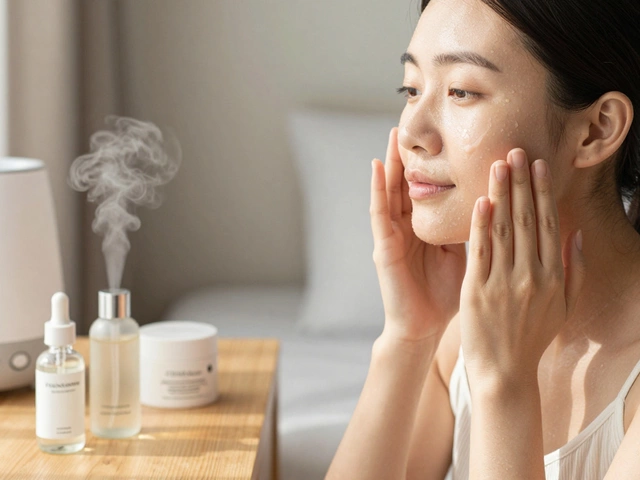
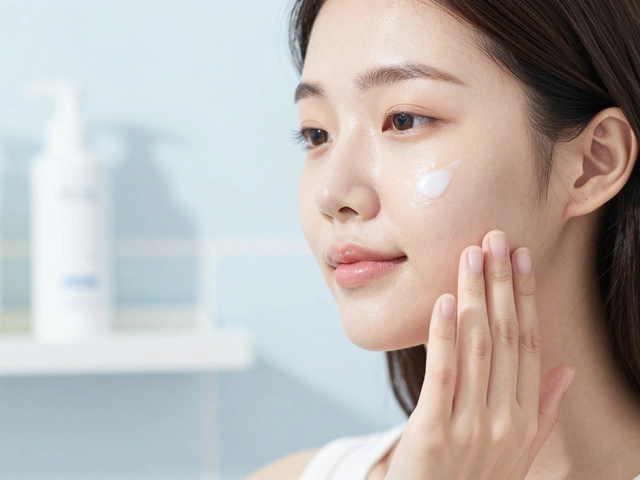
Glass skin means skin that’s so smooth, hydrated, and clear, it looks like translucent glass. It’s not about being shiny or oily-it’s about a natural, lit-from-within glow. Think of it as the opposite of matte, flat skin. You don’t see pores, redness, or texture. Just soft, even, dewy skin that reflects light naturally.
This look comes from a deep focus on hydration, barrier repair, and gentle exfoliation. It’s not about covering up flaws with makeup. It’s about fixing the skin itself. And yes, it’s doable no matter your skin type-oily, dry, or combination.
Why Korean Skincare Works for Glass Skin
Korean skincare doesn’t rely on aggressive ingredients like high-strength acids or alcohol. Instead, it builds skin health slowly, over time. The philosophy? Healthy skin doesn’t need heavy coverage. It needs consistent moisture, protection, and gentle renewal.
Unlike Western routines that often focus on treating acne or wrinkles, Korean routines treat skin as a living ecosystem. You’re not fighting it-you’re supporting it. That’s why glass skin takes weeks, not days, to appear. It’s not a quick fix. It’s a lifestyle shift.
The Core Steps to Build Glass Skin
You don’t need 12 products. You need the right ones, used the right way. Here’s the simplified version that works:
- Double cleanse at night - Start with an oil-based cleanser to melt away sunscreen, makeup, and sebum. Follow with a gentle water-based cleanser to remove what’s left. Skip this, and your skin can’t absorb anything else.
- Apply a toner - Not the alcohol-heavy kind. Look for toners with hyaluronic acid, fermented ingredients, or centella asiatica. These prep your skin to drink in moisture. Pat it in with your hands-don’t use cotton.
- Layer essences and serums - Essences are lighter than serums. They’re packed with nutrients to boost hydration. Follow with a targeted serum-like niacinamide for brightening or peptides for firmness. Wait 30 seconds between each layer.
- Use an eye cream - The skin around your eyes is thinner. Use a lightweight cream with caffeine or peptides. Don’t skip it.
- Seal it with a moisturizer - Pick one that feels like a second skin. Gel-creams or cushion formulas work best. Avoid heavy petrolatum-based creams unless you’re in a dry climate.
- Apply an occlusive at night (optional) - If your skin feels tight or flaky, use a thin layer of squalane or a ceramide balm on dry patches. This locks everything in.
- Mornings are simpler - Cleanse lightly, apply toner, serum, moisturizer, then sunscreen. Always sunscreen. No exceptions.
Products That Actually Deliver
You don’t need to buy everything from a Korean brand. But these ingredients are non-negotiable:
- Hyaluronic acid - Holds 1,000 times its weight in water. Found in toners, serums, and essences.
- Niacinamide - Reduces redness, refines pores, and boosts ceramide production. Works for all skin types.
- Snail mucin - A cult favorite. It’s not gross. It’s healing. It repairs damage and adds natural moisture.
- Centella asiatica - Calms irritation and strengthens the skin barrier. Great if your skin stings easily.
- Green tea extract - Antioxidant powerhouse. Fights pollution and dullness.
Brands like COSRX, Laneige, and Klairs have affordable, effective products. But you can find these ingredients in drugstore brands too-like The Ordinary, Neutrogena Hydro Boost, or CeraVe Hydrating Cleanser.

What to Avoid
Many people ruin their glass skin efforts by overdoing it:
- Don’t use physical scrubs daily. They tear the skin barrier. Use chemical exfoliants like PHA or low-concentration AHA 1-2 times a week max.
- Don’t layer 5 serums at once. Your skin can’t absorb them. Stick to 1-2 active serums per routine.
- Don’t skip sunscreen. UV damage breaks down collagen and causes dullness. Use SPF 30-50 every morning, even if it’s cloudy.
- Don’t use products with alcohol, fragrance, or essential oils if your skin is sensitive. They’re drying and irritating.
Realistic Timeline
Don’t expect glass skin in a week. It takes 4-8 weeks of consistent care to see real change. Here’s what to expect:
- Week 1-2: Skin feels softer. Less tightness after washing.
- Week 3-4: Redness fades. Makeup applies smoother.
- Week 5-8: That natural glow starts to show. Pores look smaller. Skin reflects light differently.
Patience isn’t optional. Glass skin is earned, not bought.
Climate Matters
If you live in a dry place like Wellington, winter can wreck your glow. Humidity levels drop, and skin gets thirsty. Adjust your routine:
- Switch to a thicker moisturizer in colder months.
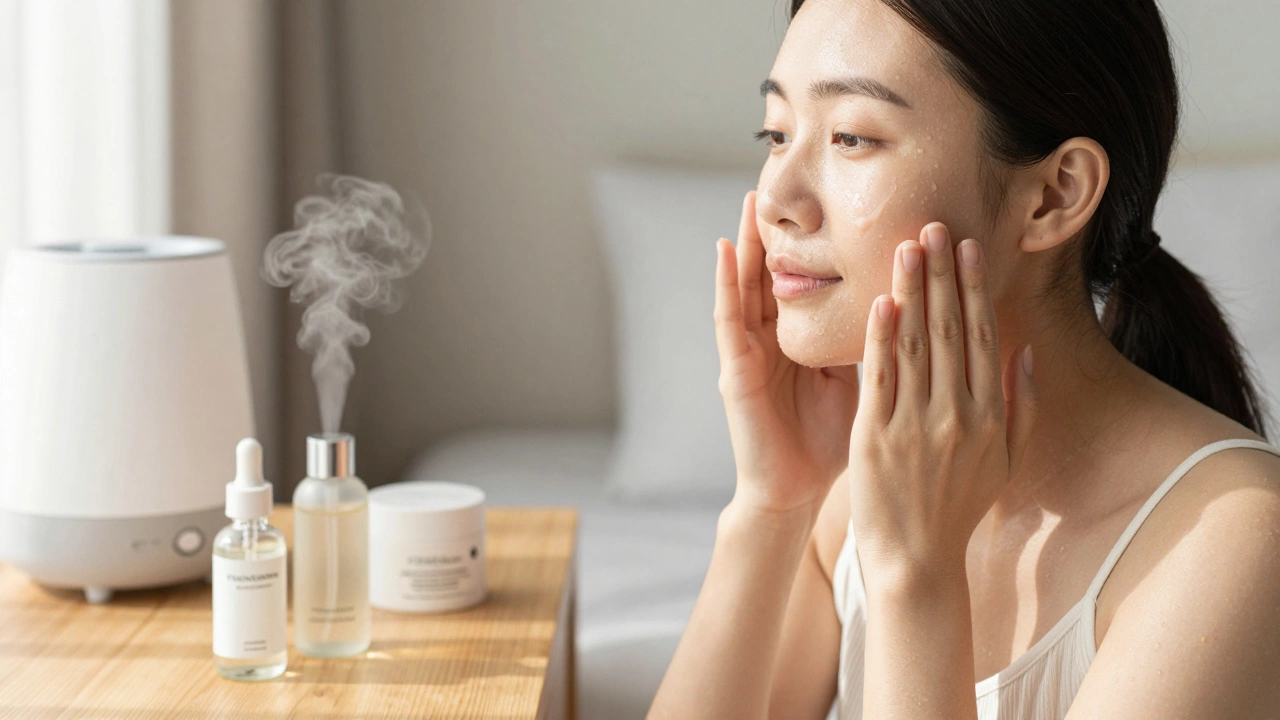
- Add a humidifier to your bedroom. Even a small one helps.
- Drink more water. Not because it’s a myth-because your skin needs internal hydration too.
And if you’re in a humid climate? You can skip the occlusive at night. Let your skin breathe.

Makeup Isn’t the Goal
Glass skin isn’t about flawless makeup. It’s about skin so healthy, you don’t need it. But if you wear foundation, glass skin makes it look better. Less cakey. Less patchy. Just natural, seamless coverage.
Try a dewy primer or skip primer entirely. Let your skin’s natural radiance show through.
What If It Doesn’t Work?
If after 8 weeks you still don’t see improvement:
- Check your cleanser. Are you over-cleansing? That strips natural oils.
- Are you using too many actives? Try cutting back to just hydration for 2 weeks.
- Have you been using expired products? Skincare expires. Check the PAO symbol (that open jar icon).
- Are you stressed or sleeping poorly? Skin reflects your internal state. Sleep, stress, and diet matter as much as your routine.
Some skin issues need professional help. If you have persistent acne, rosacea, or eczema, see a dermatologist. Glass skin isn’t a replacement for medical care.
Final Thought
Glass skin isn’t about perfection. It’s about health. It’s about skin that feels as good as it looks. You don’t need to copy a K-beauty influencer’s 12-step routine. You just need to be consistent, gentle, and patient. Your skin will thank you-not with instant results, but with a glow that lasts.
Can you get glass skin if you have acne?
Yes, but you need to treat the acne first. Glass skin routines focus on hydration and barrier repair, which can help calm inflammation. Avoid harsh scrubs or alcohol-based toners. Use gentle cleansers, niacinamide serums, and non-comedogenic moisturizers. If acne persists, see a dermatologist. You can’t glow if your skin is in distress.
How often should I exfoliate for glass skin?
Once or twice a week max. Use chemical exfoliants like PHA (polyhydroxy acid) or low-dose AHA (like 5% lactic acid). These are gentler than physical scrubs. Never exfoliate if your skin is red, peeling, or irritated. Let it heal first.
Is glass skin only for young people?
No. People in their 40s, 50s, and beyond can achieve glass skin. The key is adapting the routine. Older skin needs more ceramides and peptides. Skip heavy oils if you’re oily, but don’t skip hydration. Glass skin is about skin health, not age.
Do I need to use Korean products to get glass skin?
No. You need the right ingredients, not the right country of origin. Look for products with hyaluronic acid, niacinamide, snail mucin, or centella asiatica. These are in many drugstore and Western brands. Focus on formulation, not marketing.
Can I get glass skin without spending a lot of money?
Absolutely. You don’t need luxury brands. A basic routine with a gentle cleanser, hyaluronic acid serum, moisturizer, and sunscreen costs under $50. Brands like The Ordinary, CeraVe, and Neutrogena offer effective, affordable options. Spend on a few key products, not 10.