Hair Nutrient Calculator
Thin, weak hair isn’t just a cosmetic issue-it can make you feel less confident, affect your daily routine, and even signal something deeper about your health. The good news? You don’t need expensive treatments or miracle products to see real changes. Hair thickness and strength come from a mix of internal health and simple, consistent care. Let’s cut through the noise and focus on what actually works.
Start with what’s inside
Your hair grows from follicles fed by blood. If your body lacks key nutrients, your hair pays the price. A 2023 study in the Journal of Clinical and Aesthetic Dermatology found that people with thinning hair had significantly lower levels of iron, vitamin D, and biotin compared to those with thicker hair. That doesn’t mean popping a biotin pill will fix everything-but ignoring nutrition won’t help either.
Focus on these four nutrients:
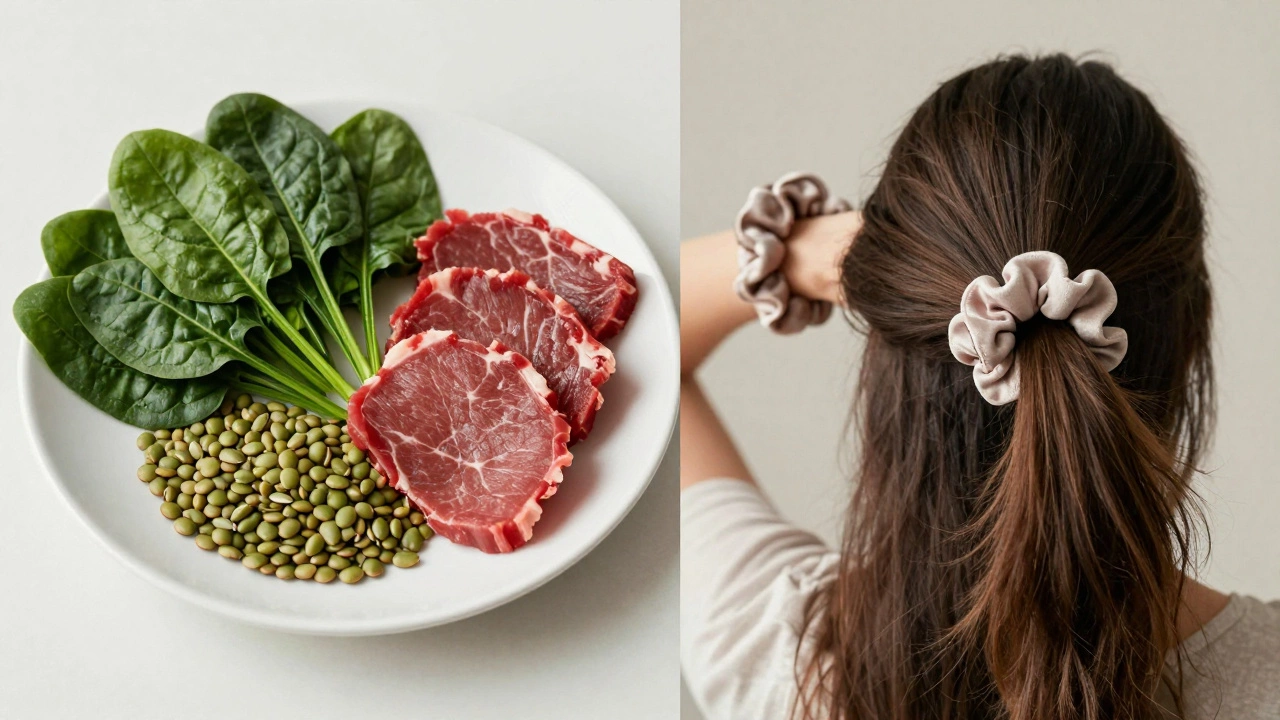
- Iron: Low iron (especially ferritin) is one of the top causes of hair shedding in women. Aim for 18 mg daily. Good sources: lentils, spinach, red meat, and pumpkin seeds.
- Vitamin D: Low levels are linked to telogen effluvium-a condition where hair enters resting mode too early. Get 10-15 minutes of sun daily, or consider 2,000 IU of D3 if your levels are low (get tested first).
- Protein: Hair is 90% keratin, a protein. If you’re not eating enough, your body rationing it for vital organs, not your scalp. Aim for 0.8-1 gram of protein per pound of body weight. Eggs, Greek yogurt, tofu, and chicken are solid choices.
- Zinc: Helps with follicle repair and oil regulation. Deficiency can lead to brittle strands. Oysters, cashews, and chickpeas are rich sources.
Stop damaging your hair
No supplement or serum will help if you’re constantly frying, pulling, or chemically treating your hair. Damage weakens the cuticle-the outer layer that protects each strand. Once it’s frayed, hair breaks before it can grow long.
Here’s what to cut out:
- Heat tools above 350°F. Blow dryers, flat irons, and curling wands at high heat cause irreversible protein loss. Use a heat protectant, but better yet-air dry when you can.
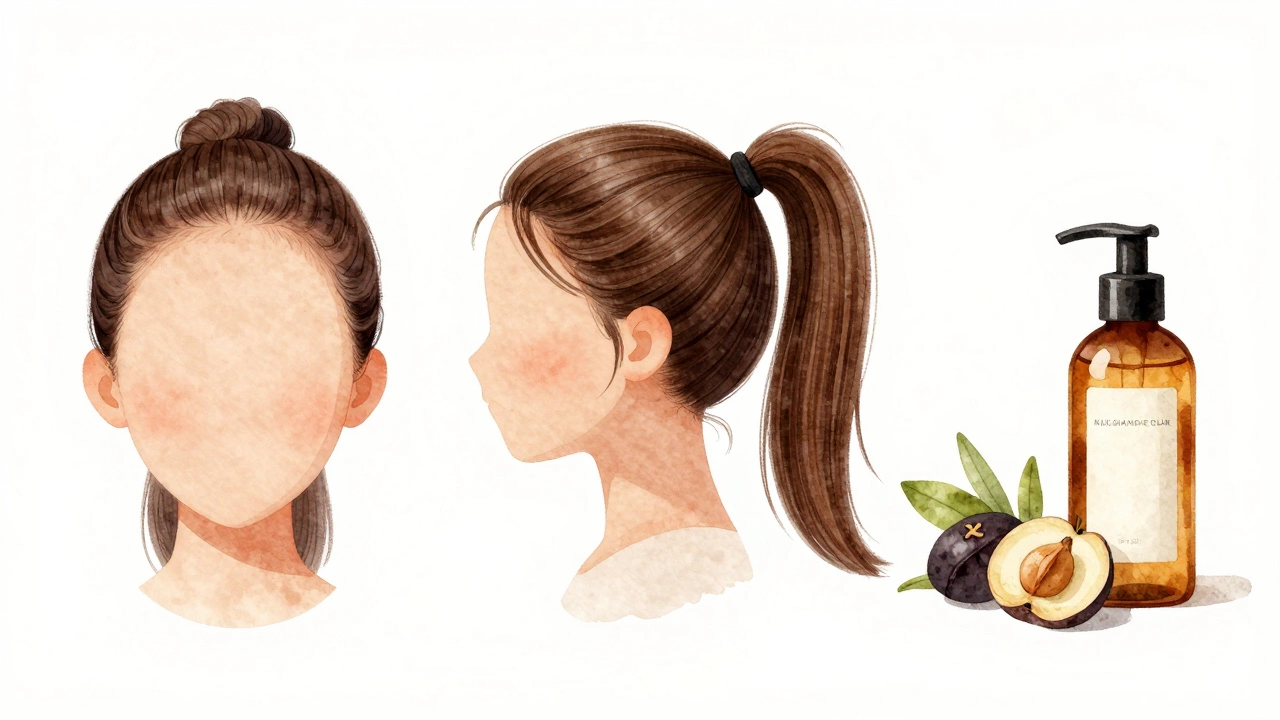
- Tight hairstyles. Ponytails, buns, and braids that pull on your scalp can cause traction alopecia. Switch to loose styles, silk scrunchies, or no-elastic headbands.
- Harsh shampoos. Sulfates strip natural oils and dry out the scalp. Look for sulfate-free formulas with gentle cleansers like cocamidopropyl betaine.
- Overwashing. Washing daily removes protective sebum. Most people do fine with 2-3 times a week. If your scalp feels oily, try a dry shampoo made with arrowroot or cornstarch.
Scalp health is everything
Your scalp isn’t just a place where hair grows-it’s a living ecosystem. A clogged, inflamed, or dry scalp blocks follicles and slows growth. Think of it like soil: if it’s compacted or moldy, nothing thrives.
Try this simple routine:
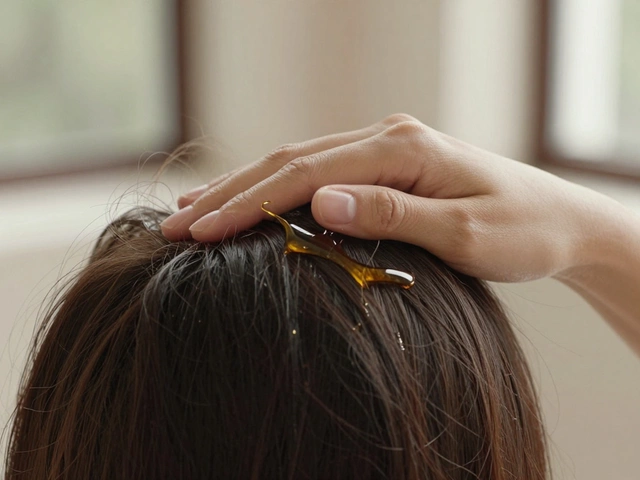
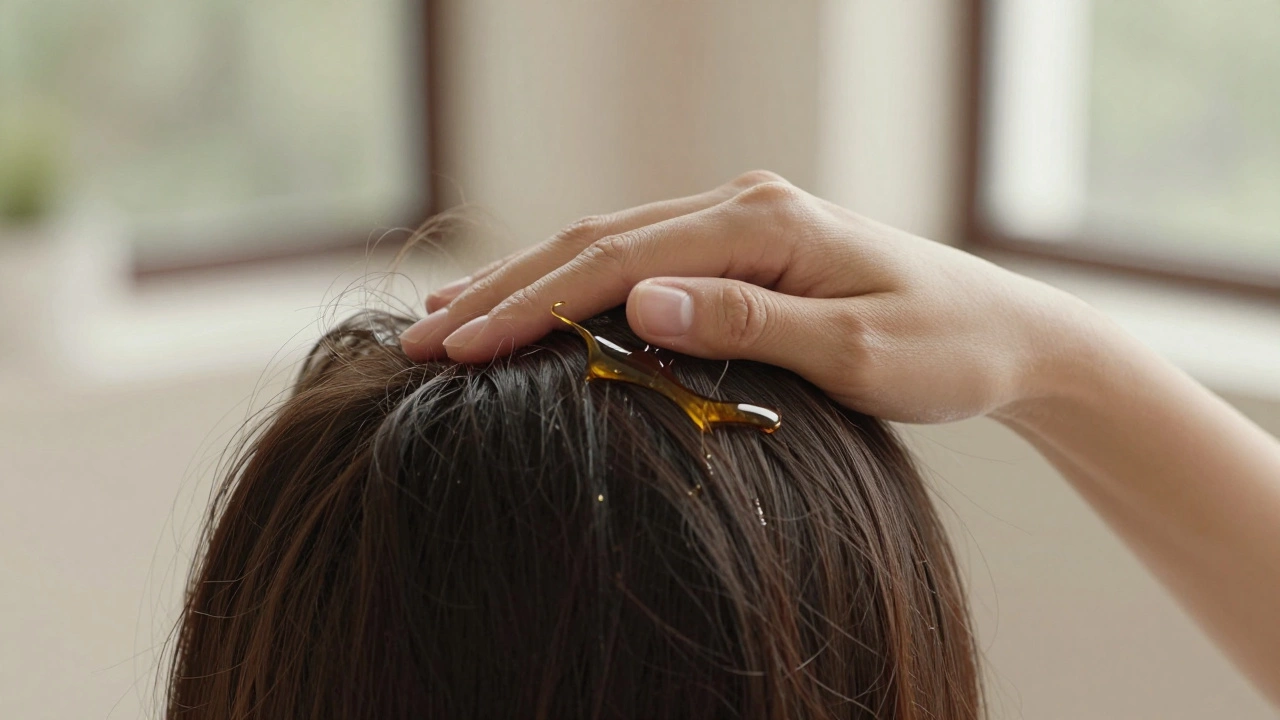
- Once a week, massage your scalp for 5 minutes with warm coconut or jojoba oil. This boosts circulation and loosens buildup.
- Use a gentle exfoliating scrub (with sugar or salicylic acid) to remove dead skin and product residue. Do this every 10-14 days.
- Apply a lightweight serum with niacinamide or caffeine. These ingredients reduce inflammation and may stimulate follicles.
Don’t overdo it. Scrubbing too hard or using too many active ingredients can irritate the scalp and make things worse.
Use the right products
Not all thickening shampoos and conditioners are created equal. Some just coat hair with silicones to make it look fuller temporarily. Real thickness comes from ingredients that strengthen and repair.
Look for these on ingredient labels:
- Panthenol (Provitamin B5): Penetrates the hair shaft, improves elasticity, and reduces breakage.
- Ceramides: Rebuild the lipid layer around each strand, locking in moisture.
- Hydrolyzed wheat protein: Bonds to damaged areas, filling in gaps and reinforcing structure.
- Peptides: Signal follicles to stay active longer, potentially extending the growth phase.
Avoid products with heavy alcohols (like ethanol or isopropyl alcohol) near the top of the list-they dry out hair over time.
Give it time
Hair grows about half an inch per month. That means it takes 3-6 months to see noticeable changes in thickness or strength. Most people quit too soon. If you start improving your diet, reduce heat, and care for your scalp, you’ll likely see less shedding after 4-6 weeks. Real density gains? That takes longer.
Track progress: Take a photo of your part every two weeks. Notice if the part looks narrower. Check if your ponytail feels fuller. These are better indicators than running your fingers through your hair.
When to see a professional
If you’ve tried the basics for 6 months with no improvement, or if you’re losing more than 100 hairs a day (you can count them on your pillow or in the drain), it’s time to see a dermatologist. Conditions like androgenetic alopecia, thyroid disorders, or autoimmune issues can mimic simple thinning. A blood test can reveal hidden issues-and early treatment makes a big difference.
Quick checklist to start today
- Swap one high-heat tool for air-drying
- Add one iron-rich food to your lunch
- Massage scalp with oil for 5 minutes
- Check your shampoo for sulfates or harsh alcohols
- Take a photo of your scalp today-compare in 30 days
Thicker, stronger hair isn’t about luck or expensive treatments. It’s about consistency. Small changes, done daily, add up. Your hair is a reflection of your health-and you have more control than you think.
Can biotin supplements make my hair thicker?
Biotin can help if you’re deficient-but most people aren’t. Studies show biotin supplements only improve hair growth in people with a diagnosed deficiency. If you eat eggs, nuts, or whole grains regularly, extra biotin won’t make a difference. It’s not a magic pill. Focus on overall nutrition instead.
Does brushing hair 100 times a day help?
No. Brushing too much, especially with plastic bristles, can cause breakage and damage the cuticle. It doesn’t stimulate growth or improve thickness. If you want to distribute natural oils, use a wide-tooth comb or a boar bristle brush once or twice a day-gently.
Can scalp massages really grow thicker hair?
Yes, but not instantly. A 2016 study found that daily 4-minute scalp massages over 24 weeks increased hair thickness by 22% in men with thinning hair. The effect comes from improved blood flow to follicles, not from stimulating cells directly. Consistency matters-do it every day for at least 3 months.
Will cutting hair make it grow thicker?
No. Trimming doesn’t affect the follicle or growth rate. But it does remove split ends, which prevents breakage from traveling up the strand. This helps your hair appear longer and fuller over time. Get a trim every 8-12 weeks if your ends are dry or frayed.
Are there any foods I should avoid for healthier hair?
Yes. Excess sugar, refined carbs, and fried foods can trigger inflammation and insulin spikes, which may worsen hair shedding. Too much salt can lead to water retention and reduce nutrient delivery to follicles. Also, avoid crash diets-rapid weight loss can shock your system and trigger temporary hair loss.