Regulatory Classification & Safety Checker
1. Legal Claim Analyzer
Regulators distinguish products by what they promise to do. Does your product label make these statements?
2. Ingredient Compliance (2026)
Check if your exfoliating particles meet environmental regulations.
3. PAO Expiry Check
Calculate your discard date using the Period After Opening (PAO) symbol.
If you walk down the aisles of a beauty store here in Wellington, or anywhere else in the world, body scrub stands out as a staple for anyone serious about their hygiene routine. You pick up the bottle, feeling the texture through the packaging, maybe reading the back label to see if it contains shea butter or volcanic ash. But have you ever paused to wonder about the legal label sitting above those ingredients? Is it truly just a beauty tool, or does it fall under stricter rules? The short answer is yes, a body scrub is overwhelmingly classified as a cosmetic product. However, that simple "yes" unlocks a complex world of safety regulations, ingredient bans, and marketing restrictions that became even tighter after the sweeping reforms we saw in 2024 and 2025.
Understanding this classification isn’t just boring bureaucracy-it directly impacts what you can put on your skin. When we talk about the body scrub category, we are discussing items designed to clean or alter the appearance of the outer skin layer. This distinction is vital because if a product crosses the line into making therapeutic claims, the entire classification changes, often moving it from a cosmetic to a drug or medical device. For consumers, this means safety standards and oversight levels differ drastically. In New Zealand, our Medicines and Devices team handles these distinctions with increasing scrutiny, mirroring international standards set by the FDA in the United States and the European Union’s cosmetic regulations.
The Official Definition of a Cosmetic Product
To understand why your sugar scrub is a cosmetic, we have to look at how regulators define these terms. It’s not just about where the product sits in a shop. By law, a Cosmetic Product is generally defined as any substance or mixture intended to be placed in contact with external parts of the human body (the epidermis, hair, nails, lips, etc.) for the purpose of cleaning, perfuming, changing appearance, or keeping them in good condition. Notice the specific phrasing here: "cleaning" and "changing appearance." A body scrub fits right in because its primary job is mechanical cleaning-removing dead skin cells and dirt to make the skin look smoother.
In contrast, a product becomes a drug or medical treatment if it intends to diagnose, treat, prevent, or mitigate a disease. If your body scrub claimed to "cure eczema" or "treat clinical psoriasis," it would no longer be a cosmetic. It would be reclassified as a drug, requiring clinical trials and prescription approval. This is why you rarely see major brands putting therapeutic promises on a jar of sea salt scrub. Staying within the cosmetic lane allows for innovation without the heavy burden of pharmaceutical testing, provided they stick to cosmetic functions like hydration or exfoliation.
Regulatory Framework in 2026
Living in New Zealand today, we enjoy a system that is tightly integrated with Australian regulations through our trans-Tasman mutual recognition framework. However, since we are in March 2026, we are seeing the full effects of the updated Global Harmonization of Cosmetic Regulation initiatives rolled out in the last two years. Every cosmetic product, including body scrubs, must now adhere to a stricter notification process before hitting the shelves. This ensures that if a batch causes issues, authorities like the Ministry of Health can trace it immediately.
For businesses importing or manufacturing these goods, the responsibilities are heavier than they were five years ago. Residue limits for prohibited substances have been tightened significantly. We aren't talking about banned ingredients that were never allowed in the first place; rather, we are looking at the threshold levels for allergens and contamination markers. If you run a small business in the Manawatu or operate a spa chain in Auckland, your responsibility involves verifying that every single ingredient in your formulation meets these safety profiles. This includes ensuring that preservatives function correctly without releasing toxic byproducts over time.
| Feature | Cosmetic Product | Drug/Medical Product |
|---|---|---|
| Purpose | Clean, perfume, maintain, enhance appearance | Treat, cure, prevent disease or bodily function |
| Safety Proof | Safety assessment by qualified experts required | Clinical trials and efficacy proof mandatory |
| Approval Time | No pre-market approval (but post-market surveillance) | Mandatory pre-market authorization |
| Claims Allowed | Moisturizes, exfoliates, softens | Reduces inflammation, heals wounds, cures rashes |
The Role of Ingredients in Classification
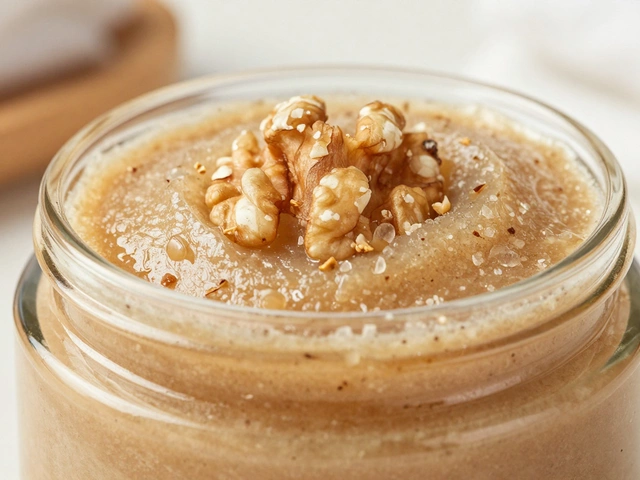
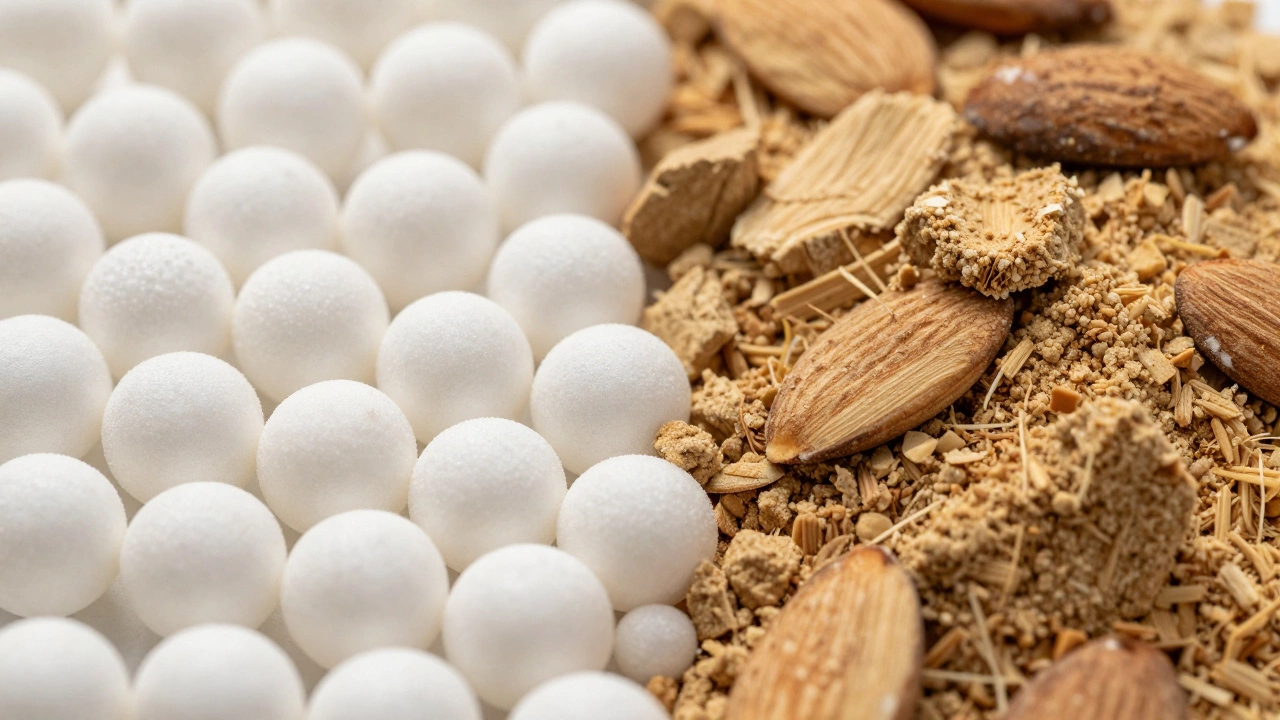
The components inside a body scrub dictate its safety profile and regulatory category. Most scrubs rely on either physical abrasion or chemical action to work. Physical exfoliants include things like walnut shells, rice bran, sugar, or synthetic beads. Chemical exfoliants include acids like glycolic acid, lactic acid, or salicylic acid. In the past, synthetic polyethylene microbeads were a standard filler until bans came into play. By 2026, using plastic microbeads in rinse-off products is strictly illegal in many jurisdictions due to environmental persistence in waterways.
This environmental shift changed the formula landscape. Now, manufacturers lean heavily into natural alternatives. However, nature comes with its own risks. Essential oils, common in scented scrubs, are known sensitizers. Under current Good Manufacturing Practice guidelines, the concentration of fragrances must be documented clearly. If a customer applies a scrub and develops contact dermatitis, the ingredient list becomes the investigation focus. This is why you will see terms like "Allergen Alert" on newer packaging-transparency is no longer optional, it is a requirement under modern cosmetic directives.
We also have to consider the pH balance. While a shampoo needs a lower pH to protect hair, a body scrub usually aims for a neutral pH to avoid irritating the skin barrier. If a formulation alters the pH significantly, it might trigger a discussion on whether it is safe for daily use. Some highly acidic peeling scrubs sit on the border between a cosmetic and a professional chemical peel. Using a scrub meant for professional use at home could breach safety warnings, leading to burns or chemical irritation, which falls under product liability.
Labeling and Transparency Requirements
If you hold a bottle of body scrub, the back label tells a very specific story. By 2026, labeling has evolved to be incredibly detailed. Gone are the days of vague descriptions like "all-natural blend." Manufacturers must now provide a full Ingredient Declaration, listed in descending order of quantity. This helps people with allergies identify potential triggers instantly.
Beyond the ingredients, the label must specify the volume (weight or milliliters), the manufacturer's contact details, and a Period After Opening (PAO) symbol. That open jar icon showing "12M" means you should discard the product 12 months after opening. Why does this matter? Because once a cosmetic product is exposed to air and moisture, bacteria grows. Preservatives lose effectiveness over time. Using an expired scrub poses real health risks, particularly if the emollient base starts to rancidify, causing skin reactions.
We also see the rise of QR codes on packaging linked to digital sustainability certificates. Scanning a code takes you to a page detailing the carbon footprint of the production or the ethical sourcing of ingredients like coconut oil or Shea Butter. This isn't just marketing fluff anymore; it is part of the broader regulatory push towards sustainable commerce. As consumers in Wellington and globally become more conscious of supply chains, these labels act as a trust signal that the brand adheres to higher standards than the bare minimum.
Differences Between Commercial and DIY Scrubs
You might think making your own coffee scrub at home removes all these regulatory worries. Legally, the definition of a cosmetic product applies regardless of who makes it, though enforcement varies based on scale. If you sell that homemade scrub online, even in a small volume, you step into the realm of commercial regulation. You become responsible for the safety assessment.
However, most home users making products for personal family use do not face regulatory audits. The catch lies in safety knowledge. Commercial formulas undergo stability testing to ensure the sugar doesn't dissolve instantly, creating a slip hazard, or that the oils don't oxidize. Homemade mixtures lack this protection. If you apply a scrub made with unpasteurized honey or unfiltered essential oils, you risk infection or severe allergic reaction.
This highlights a crucial safety gap. A commercial body scrub is subject to microbiological challenge testing. You leave the product in warm conditions for weeks to see if bugs grow. A kitchen-made scrub skips this step. Therefore, while the law focuses heavily on mass-market producers, individual users benefit greatly from sticking to regulated, tested products, especially for sensitive skin types.

Environmental Regulations on Scrub Texture
A massive driver for change in the body scrub market over the last decade has been environmental legislation. We are well past the phase of voluntary removal of microplastics. By 2026, any cosmetic product sold in major markets cannot contain persistent particles smaller than 1mm that are not biodegradable. This effectively killed the cheap plastic bead scrub industry and forced innovation.
Current trends show a shift toward naturally derived micro-textures. Cornstarch granules, almond meal, and bamboo powder dominate the shelf. These materials break down safely in wastewater treatment plants. From a regulatory standpoint, companies must prove that their abrasive particle degrades within a set timeframe. If a lab analysis shows synthetic polymers lingering, the product faces recall or seizure.
This connects directly to the consumer experience. Scrubs feel different now. Natural particles vary in shape and hardness compared to uniform synthetic spheres. Some users find almond meal rougher on sensitive areas, but the trade-off for ecological safety is widely accepted. Regulators encourage this shift by offering green certifications, signaling to buyers that a scrub is not just a cosmetic tool, but an environmentally responsible choice.
Why Classification Matters to Your Wallet
Knowing a body scrub is a cosmetic product affects the price you pay and the value you get. In many jurisdictions, cosmetic taxes are structured differently than medical devices. Cosmetics typically carry a lower tax rate than pharmaceuticals because they are considered luxury or discretionary items. However, they also offer less guarantee of clinical results. If you want guaranteed medical-grade healing, you must switch to drug-class products, which are taxed higher but proven effective.
Insurance policies often exclude cosmetic procedures or treatments unless they are reconstructive. This implies that buying expensive scrub formulations for medical reasons might not be reimbursable. Understanding this boundary helps shoppers manage expectations. A scrub will brighten your skin tone; it will not cure fungal infections. The pricing reflects the R&D costs required to keep the product stable and pleasant, rather than the cost of clinical trial data.
Frequently Asked Questions
Can a body scrub be considered a medicine?
Generally, no. A body scrub is a cosmetic product unless it specifically claims to treat, cure, or prevent a skin disease. If it treats conditions like eczema or acne medically, it would be regulated as a drug.
Are body scrubs regulated in New Zealand?
Yes. The Medicinal Products and Medical Devices Act oversees cosmetics in NZ. Manufacturers must perform safety assessments and comply with restricted substance lists before selling products.
Do I need a prescription for chemical body scrubs?
Most over-the-counter body scrubs containing mild acids (like glycolic or lactic) do not require a prescription. However, high-strength peels are sold only through professionals or pharmacies.
What happens if a body scrub is recalled?
If a cosmetic product is recalled, retailers are notified immediately. The product must be removed from shelves. Recalls usually happen due to contamination, undisclosed allergens, or incorrect labeling.
Why do some scrubs expire faster than others?
Products with high water content or fresh organic ingredients spoil faster. Anhydrous (oil-based) scrubs often last longer. The PAO symbol on the package indicates how long it is safe to use after opening.