CeraVe Product Finder
What is your primary skin type?
Select the option that best describes your skin's natural state.
Dry / Dehydrated
Feels tight after washing, may flake or look dull. Lacks moisture and feels rough.
Oily / Combination
Shiny appearance, especially in T-zone. Prone to enlarged pores and congestion.
Sensitive / Reactive
Easily irritated, redness-prone, reacts strongly to new products or environmental changes.
Normal / Balanced
No major issues. Skin feels comfortable, neither too dry nor too oily most of the time.
What is your main skin concern?
Choose the issue you'd most like to address with your skincare routine.
Acne & Breakouts
Frequent pimples, blackheads, or clogged pores that need gentle treatment.
Rough Texture
Bumpy skin, keratosis pilaris, or uneven texture that feels rough to touch.
Barrier Repair
Damaged skin barrier from over-exfoliation, retinoids, or harsh treatments.
General Hydration
Just want well-moisturized, healthy-looking skin without specific problems.
What are you looking for?
Select the type of product you need help choosing.
Face Cleanser
A daily wash that removes impurities without stripping your skin's natural oils.
Moisturizer
A day or night cream/lotion to hydrate and protect your skin throughout the day.
Full Routine
Recommendations for both a cleanser and moisturizer to build a complete regimen.
Your Personalized Recommendations
Based on your skin profile, here are the CeraVe products that will work best for you:
💡 Pro Tip
You’ve probably seen CeraVe everywhere. It’s on TikTok shelves, in Sephora aisles, and sitting next to the toothbrush at your local pharmacy. The brand promises to repair your skin barrier with a simple formula. But here is the real question: Is it actually good for you, or is it just another hype-driven product that might clog your pores?
The short answer is yes, CeraVe is generally excellent for most skin types. However, "good" depends entirely on what your skin needs right now. If you have dry, irritated, or eczema-prone skin, this brand is a goldmine. If you are struggling with severe acne or oily congestion, some of their heavier creams might work against you. Let’s break down exactly why this brand works, who should avoid it, and how to use it without ruining your complexion.
The Science Behind the Hype: Why CeraVe Works
To understand if CeraVe is right for you, you need to look at what’s inside the bottle. Unlike many beauty brands that rely on marketing buzzwords, CeraVe was developed with dermatologists. Their core philosophy revolves around one thing: the skin barrier.
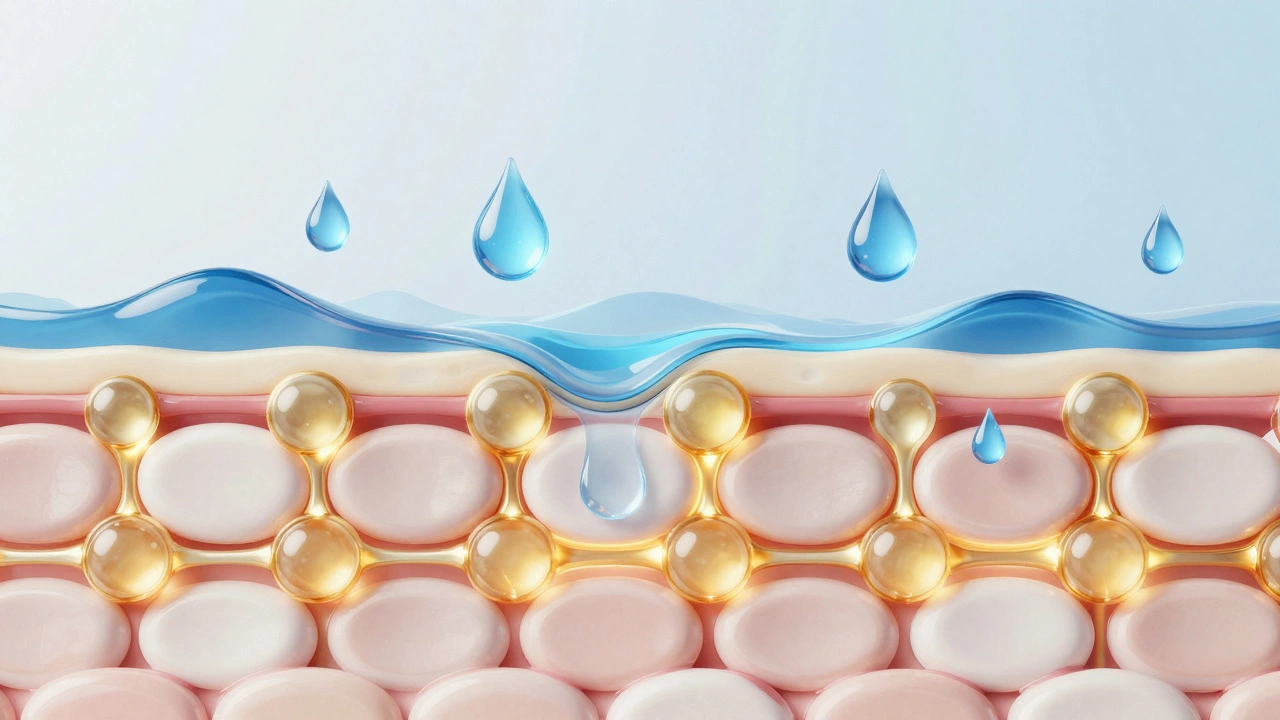
Your skin barrier is like a brick wall. The "bricks" are your skin cells, and the "mortar" holding them together is made largely of lipids, specifically ceramides. When that mortar cracks, moisture escapes, and irritants get in. This leads to redness, dryness, and sensitivity. CeraVe products contain three essential ceramides (1, 3, and 6-II) that mimic your skin’s natural structure.
They also include hyaluronic acid, a molecule that holds up to 1,000 times its weight in water. This pulls hydration into the upper layers of your skin. Finally, they use a delivery system called MVE Technology (Multivesicular Emulsion). Instead of dumping all the ingredients onto your skin at once, MVE releases moisturizers slowly over 24 hours. This means you don’t need to reapply as often, which is great for busy mornings.
Who Should Absolutely Use CeraVe?
If you fall into any of these categories, CeraVe is likely a hero product for you:
- Dry and Dehydrated Skin: If your face feels tight after washing, the Moisturizing Cream will help restore softness without feeling greasy.
- Eczema and Psoriasis: The National Eczema Association has given several CeraVe products its Seal of Acceptance. The gentle, non-fragranced formulas reduce the risk of flare-ups.
- Sensitive Skin: Because CeraVe avoids common irritants like alcohol and heavy perfumes, it rarely causes stinging or redness.
- Post-Procedure Care: Many dermatologists recommend CeraVe after laser treatments or chemical peels because it heals without interfering with medical protocols.
When CeraVe Might Be "Bad" for You
No product is perfect for everyone. Here is where CeraVe can cause problems:
Severe Acne Prone Skin: While CeraVe labels many products as "non-comedogenic" (meaning they won’t clog pores), individual reactions vary. The Moisturizing Cream contains petrolatum, which creates an occlusive seal. For some people with very oily or acne-prone skin, this seal can trap bacteria and sweat, leading to breakouts. If you are prone to pimples, stick to their lighter lotions or gel cleansers.
Retinoid Users Need Caution: If you are using strong retinoids like Tretinoin, adding a heavy cream might be too much for your skin barrier initially. Start with the Hydrating Cleanser and a lightweight lotion before moving to the thick cream.
Fragrance Sensitivity (Rare but Possible): Most CeraVe products are fragrance-free. However, always check the label. Some limited edition or body care lines may contain subtle scents that could irritate extremely sensitive conditions like rosacea.
Top CeraVe Products Breakdown
| Product | Best For | Key Ingredients | Texture |
|---|---|---|---|
| Moisturizing Cream | Dry, Eczema-prone | Ceramides, Hyaluronic Acid, Petrolatum | Thick, rich |
| Moisturizing Lotion | Normal to Dry Body | Ceramides, Hyaluronic Acid | Lightweight, fast-absorbing |
| PM Facial Moisturizing Lotion | Face (Night) | Niacinamide, Ceramides | Non-greasy, matte finish |
| SA Smoothing Cleanser | Rough, Bumpy Texture | Salicylic Acid, Licorice Root | Gel-to-milk |
| Hydrating Cleanser | Dry/Sensitive Face | Ceramides, Hyaluronic Acid | Creamy, non-foaming |
Common Mistakes People Make with CeraVe
Even the best product can fail if used incorrectly. Here are the biggest errors I see:
- Using the Wrong Cleanser: Many people buy the SA Smoothing Cleanser for their face when they only have dry skin. Salicylic acid strips moisture. If you don’t have acne or rough texture, use the Hydrating Cleanser instead.
- Applying Too Much: A pea-sized amount of the PM Lotion is enough for the entire face. Slathering on thick layers doesn’t increase benefits; it just increases the chance of clogged pores.
- Ignoring Patch Testing: Even though CeraVe is gentle, you can still be allergic to specific ingredients like niacinamide or certain preservatives. Always test a small amount behind your ear for 24 hours before full application.
- Expecting Instant Results: Barrier repair takes time. You won’t see dramatic changes overnight. Consistency over 2-4 weeks is key.
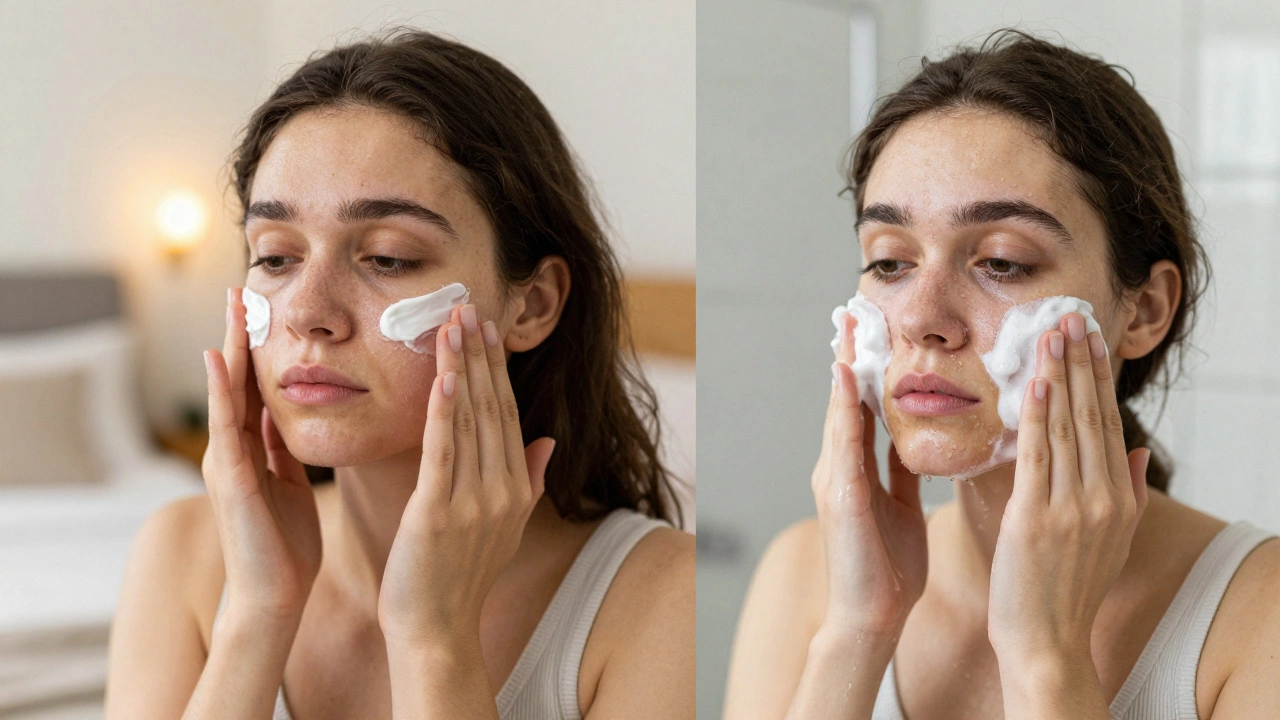
How to Build a Simple CeraVe Routine
You don’t need ten steps. A simple routine works best. Here is a basic setup for most skin types:
Morning:
- Cleanse with lukewarm water or a gentle Hydrating Cleanser.
- Apply PM Facial Moisturizing Lotion (yes, you can use it in the AM too).
- Add sunscreen (CeraVe has AM Lotions with SPF, but standalone sunscreens are often more cosmetically elegant).
Night:
- Cleanse with Hydrating Cleanser or SA Cleanser (if treating acne).
- Apply treatment serums if needed (like vitamin C or retinol).
- Seal everything with Moisturizing Cream or PM Lotion.
Is CeraVe Worth the Price?
Compared to luxury skincare brands charging $100+ for creams, CeraVe is incredibly affordable. You can often find their large tubs of Moisturizing Cream for under $20. Given that the active ingredients (ceramides and hyaluronic acid) are scientifically proven to work, you are paying for efficacy, not packaging. It’s one of the few brands where the price-to-performance ratio is unbeatable.
Does CeraVe contain parabens?
Some CeraVe products do contain parabens, such as methylparaben and propylparaben. These are preservatives that prevent bacterial growth. While there is ongoing debate about parabens, major health organizations consider them safe in the low concentrations used in skincare. If you prefer paraben-free options, check the ingredient list carefully, as formulations change.
Can I use CeraVe if I have rosacea?
Yes, many people with rosacea find CeraVe helpful because it is fragrance-free and gentle. The Hydrating Cleanser and Moisturizing Cream are less likely to trigger flushing. However, avoid products with salicylic acid or benzoyl peroxide during flare-ups, as these can be too drying and irritating.
Why does CeraVe feel sticky?
The slight tackiness comes from the polymers and humectants like hyaluronic acid that help bind moisture to your skin. If it feels too sticky, you are likely using too much product. Try reducing the amount to a pea size and let each layer absorb fully before applying the next.
Is CeraVe vegan?
Not all CeraVe products are vegan. Some contain cholesterol derived from animal sources. However, many of their facial moisturizers and cleansers are suitable for vegans. Check the specific product label or the brand’s website for current vegan certifications.
Can teenagers use CeraVe?
Absolutely. Teenagers often struggle with hormonal acne and sensitive skin. CeraVe’s SA Smoothing Cleanser and Foaming Oil Cleanser are great for teens with oily skin, while the Hydrating Cleanser works well for those with dryness. Just avoid over-washing, which can worsen breakouts.