Dermalogica Skincare Advisor Quiz
Question 1 of 5
Medical-grade vs. ProfessionalWhat best describes your skin concern?
Question 2 of 5
Product ExperienceWhat's your experience with active ingredients like retinol or acids?
Question 3 of 5
Professional GuidanceHave you ever seen a skincare professional?
Question 4 of 5
Ingredient SafetyHow important is avoiding irritants in your skincare routine?
Question 5 of 5
ExpectationsWhat results are you looking for?
Your Skincare Recommendation
Based on your responses, we've determined the best skincare approach for your needs.
When you see "medical grade" on a skincare bottle, it sounds like something your dermatologist would prescribe. It makes you think of clinical results, hospital-grade ingredients, and science-backed formulas. So when Dermalogica shows up in dermatologist offices, medspas, and high-end spas, it’s easy to assume it’s medical grade. But is it really?
What Does "Medical Grade" Even Mean?
There’s no legal or regulatory definition for "medical grade" in skincare. The FDA doesn’t recognize it. No government body in the U.S., Canada, the EU, or New Zealand certifies skincare as "medical grade." It’s a marketing term, not a technical one. Brands use it to suggest their products are stronger, purer, or more effective than what you find at the drugstore.
Compare that to actual medical-grade products - like prescription tretinoin, compounded acne treatments, or topical antibiotics. Those are regulated, require a prescription, and have documented clinical trials proving their safety and potency. Dermalogica doesn’t require a prescription. You can’t buy it at a pharmacy. It’s sold through licensed professionals, not on Amazon or Walmart shelves.
How Dermalogica Actually Works
Dermalogica was founded in 1986 by Jane Wurwand, a skin therapist who wanted to create products free from common irritants like artificial fragrances, dyes, and mineral oil. Their focus has always been on professional skin analysis and targeted treatment. They don’t market themselves as "medical grade." They market themselves as "professional skincare."
Here’s what sets Dermalogica apart:
- Formulated without parabens, sulfates, phthalates, or artificial colors
- Active ingredients like niacinamide, hyaluronic acid, retinol, and salicylic acid in effective concentrations
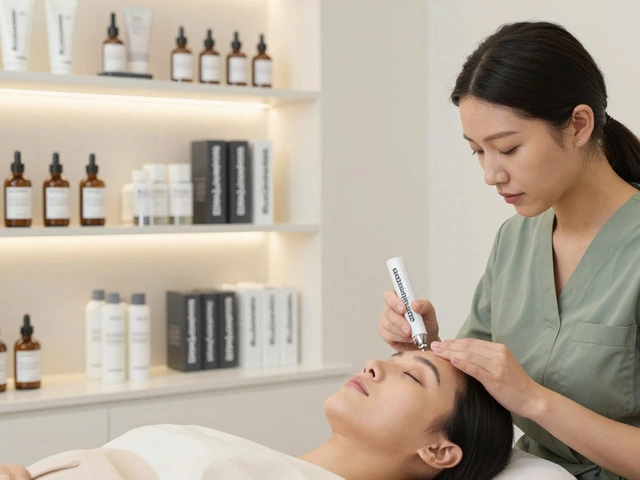
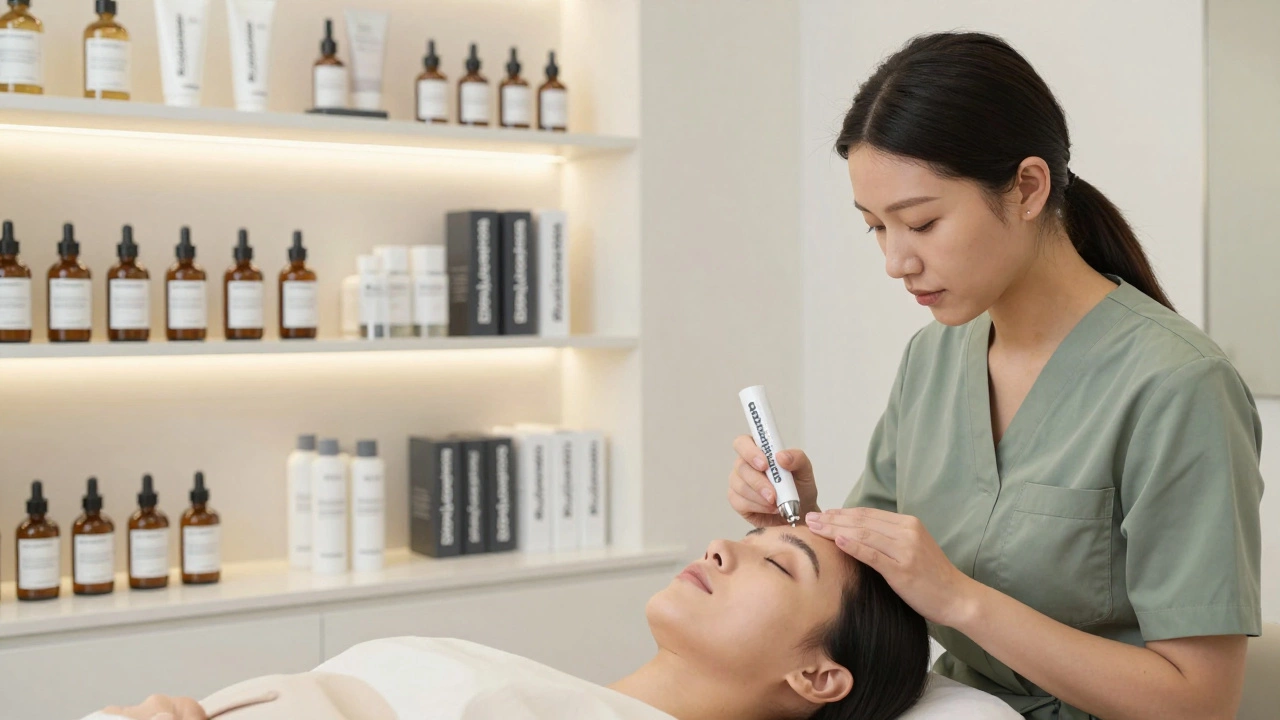
- Designed for use by licensed estheticians during clinical facials
- Backed by over 30 years of skin therapy research
- Available only through certified professionals - not retail
These aren’t random claims. Dermalogica’s product development team includes chemists, dermatologists, and skin therapists. Their formulations are tested on real skin types, not just in labs. Many of their products contain the same actives found in prescription-grade skincare - but at levels safe for over-the-counter professional use.
Professional Skincare vs. Medical Grade
Here’s the key difference: medical-grade skincare is regulated like medicine. Professional skincare is regulated like cosmetics - but designed with clinical results in mind.
Think of it like this: a personal trainer isn’t a doctor, but they still know how to get you results safely. Dermalogica is the personal trainer of skincare. It’s not prescribed, but it’s not a mass-market product either. It’s the middle ground where science meets real-world skin needs.
Some professional brands, like Obagi or SkinCeuticals, do have FDA-cleared products that cross into medical territory - like their vitamin C serums with stabilized L-ascorbic acid at 15-20%. Dermalogica doesn’t go that far. Their strongest products still fall under cosmetic regulations, even if they’re used in medical settings.

Why Dermalogica Is Used in Clinics
If it’s not medical grade, why do dermatologists and estheticians choose it?
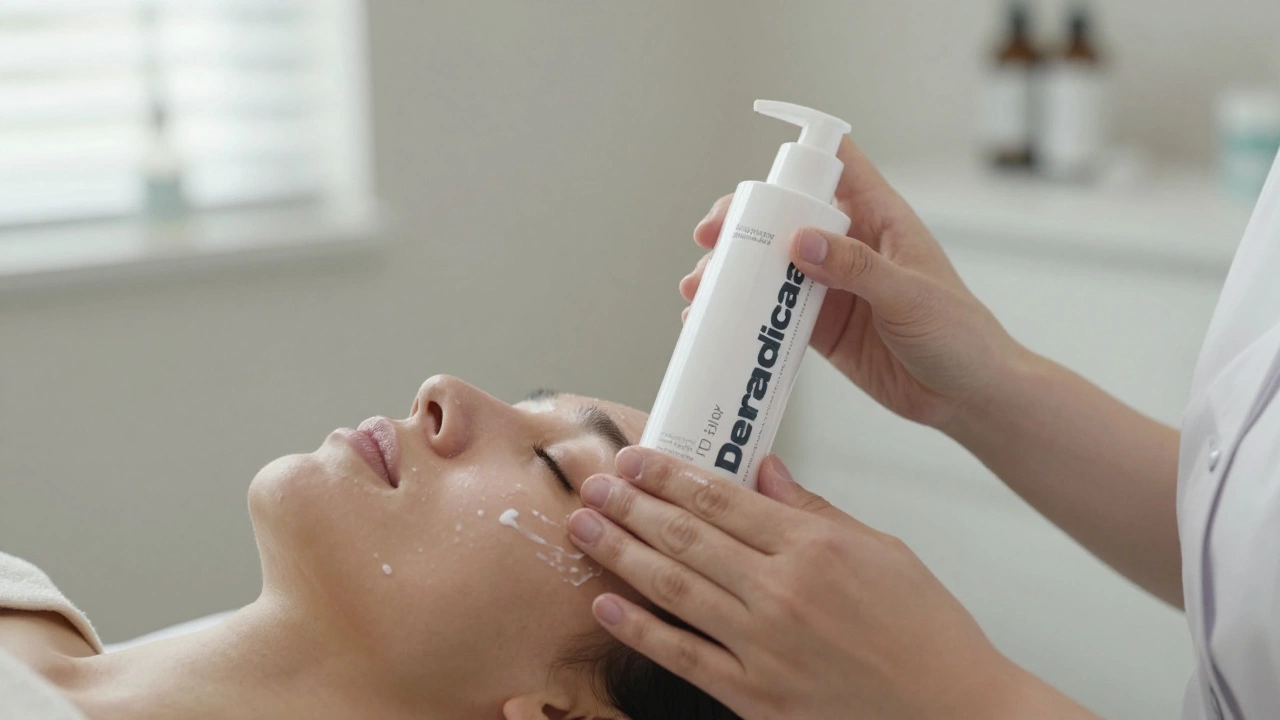
Because it works - and it’s predictable. When a clinician is treating acne, rosacea, or aging skin, they need products that won’t irritate compromised skin. Dermalogica’s formulas are designed to be non-comedogenic, fragrance-free, and pH-balanced. Their Daily Cleansing Milk, for example, is used after chemical peels because it doesn’t disrupt the skin barrier.
In New Zealand, clinics in Wellington and Auckland use Dermalogica for post-laser care, acne management, and sensitive skin protocols. Why? Because they’ve seen consistent results over decades. It’s not about the label "medical grade." It’s about what the skin responds to.
What You Can Expect From Dermalogica
If you use Dermalogica at home, you won’t get the same results as you would with a prescription. But you also won’t get the side effects - redness, peeling, or burning - that often come with stronger products.
Here’s what you can realistically expect:
- Improved skin texture within 2-4 weeks
- Reduced redness and sensitivity with consistent use
- Visible brightening from niacinamide and vitamin C
- Hydration that lasts without greasiness
- Less breakouts if you’re using their Clear Start or Skin Smoothing Cream
These aren’t miracle fixes. But they’re real. And they’re backed by thousands of skin therapists who use these products daily.
Who Should Use Dermalogica?
Dermalogica is ideal if:
- You have sensitive, reactive, or acne-prone skin
- You’ve tried drugstore brands and got irritated
- You want results without harsh chemicals
- You’re willing to invest in quality over price
- You plan to see a professional for skin analysis first
It’s not for you if you’re looking for a quick fix, want to treat severe acne or melasma without a doctor’s help, or expect the same strength as a prescription retinoid.
Alternatives That Are Actually Medical Grade
If you’re after true medical-grade skincare, here are brands that cross the line:
- Obagi Medical - offers prescription-strength tretinoin and hydroquinone
- SkinCeuticals - their C E Ferulic serum is clinically proven and FDA-cleared
- La Roche-Posay Effaclar - used in dermatology clinics for acne
- Alastin Skincare - developed for post-procedure recovery
These brands have products that are either prescribed or have clinical data published in peer-reviewed journals. Dermalogica doesn’t.
The Bottom Line
Dermalogica isn’t medical grade. But it’s not far off. It’s professional-grade - meaning it’s formulated with the same rigor as medical products, just without the prescription requirement. It’s the best of both worlds: science-backed, clean ingredients, and results you can see - without the risk of irritation or the need for a doctor’s visit.
If you’re looking for trustworthy, effective skincare that doesn’t compromise on safety, Dermalogica delivers. Just don’t call it medical grade. Call it what it is: professional.
Is Dermalogica FDA approved?
Dermalogica products are not FDA approved because they’re classified as cosmetics, not drugs. The FDA doesn’t approve cosmetics before they go to market. However, Dermalogica follows all FDA cosmetic regulations and uses ingredients that are Generally Recognized As Safe (GRAS). Their manufacturing facilities are FDA-inspected and comply with Good Manufacturing Practices (GMP).
Can I buy Dermalogica at a pharmacy or online?
No. Dermalogica is sold exclusively through licensed skincare professionals - dermatologists, estheticians, medspas, and authorized salons. You can’t buy it on Amazon, Ulta, or drugstore websites. This ensures you get proper skin analysis before using the products, which is part of their professional approach.
Does Dermalogica contain retinol?
Yes. Dermalogica includes retinol in several products, like the Daily Microfoliant and Age Smart line. The concentration is lower than prescription retinoids (like tretinoin), but it’s still effective for improving texture and reducing fine lines without causing extreme dryness or peeling. It’s designed for daily use, even on sensitive skin.
Is Dermalogica better than CeraVe or Neutrogena?
It depends on your skin. CeraVe and Neutrogena are great for basic hydration and barrier repair. Dermalogica is better if you have specific concerns - like persistent acne, redness, or aging - and want stronger actives without a prescription. Dermalogica uses more advanced delivery systems and avoids fillers, making it more targeted. But it’s also more expensive. For most people, CeraVe is a solid daily option. Dermalogica is for those ready to upgrade.
Do dermatologists recommend Dermalogica?
Many do - especially those who focus on sensitive skin or holistic skincare. Dermatologists in the U.S., Canada, Australia, and New Zealand often recommend Dermalogica for post-procedure care, rosacea management, and as a gentler alternative to harsh prescriptions. They don’t call it "medical grade," but they trust its formulation and results.