Cosmetic Classification Checker
Is This a Cosmetic?
Enter a product claim or description to determine if it classifies as a cosmetic (beautification only) or drug (medical treatment).
Classification Result
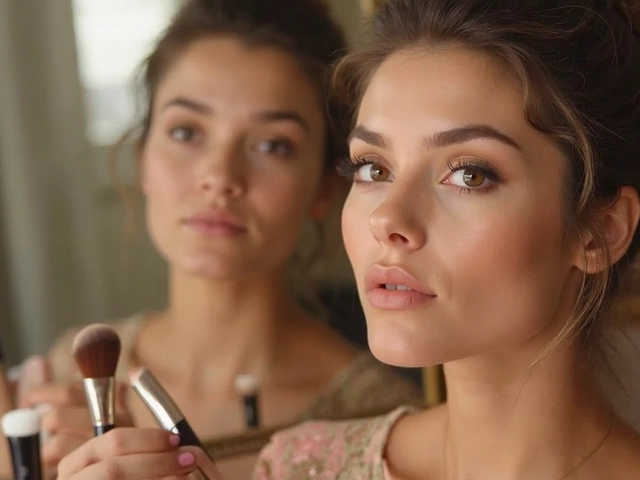
Ever stared at your eyeliner tube and wondered, "Is this even a cosmetic?" It’s not just you. People get tripped up by this all the time. You see eyeliner on a shelf next to lipstick and blush, but then you hear someone say, "I don’t wear makeup, just eyeliner." So what’s the truth? Is eyeliner a cosmetic? The answer isn’t just yes or no-it’s about how we define the word, what regulators say, and why it matters to you.
What Exactly Is a Cosmetic?
A cosmetic, by legal and industry standards, is any product applied to the human body to cleanse, beautify, promote attractiveness, or alter appearance-without affecting body structure or function. That’s the official definition from the U.S. Food and Drug Administration (FDA) and similar agencies worldwide. So if it’s meant to change how you look, not treat a condition, it’s a cosmetic.
Think about it: moisturizer? Cosmetic. Foundation? Cosmetic. Mascara? Cosmetic. Shampoo? Also a cosmetic-it cleanses your scalp. Even deodorant counts if it’s just masking odor. But if a product claims to treat acne, reduce wrinkles, or cure dandruff, it crosses into drug territory. That’s the line.
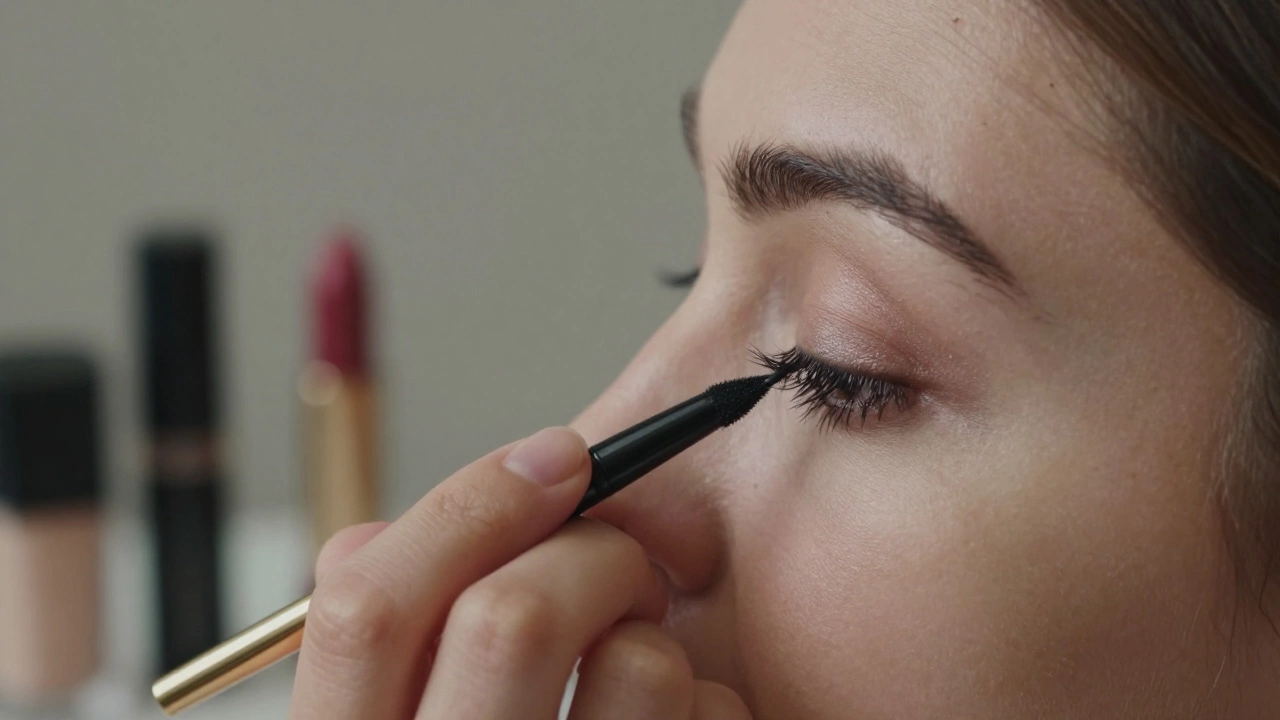
Eyeliner? It doesn’t heal, prevent, or cure anything. It doesn’t change your skin’s biology. It just makes your eyes stand out. That’s pure appearance alteration. So yes, by definition, eyeliner is a cosmetic.
Why the Confusion?
You might hear people say, "I don’t wear makeup," while they’re wearing eyeliner, brow pencil, or even tinted lip balm. Why? Because culture shapes language more than regulation does. In many places, especially in Asia and among minimalist beauty routines, "makeup" is seen as heavy stuff-foundation, contour, full eye shadow. Eyeliner feels like a neutral, natural touch. It’s not "putting on a face." It’s just "enhancing."
But that’s a social distinction, not a scientific one. In a lab, a cosmetic chemist treats eyeliner the same way they treat lipstick. Same base ingredients-waxes, pigments, oils. Same safety testing. Same packaging rules. Same shelf-life standards. If you’re buying eyeliner from a drugstore, beauty retailer, or online brand, it’s regulated as a cosmetic. Period.
Even waterproof eyeliner? Still a cosmetic. Smudge-proof? Still a cosmetic. Vegan, cruelty-free, organic? Still a cosmetic. The marketing labels change, but the category doesn’t.
How Regulators Classify Eyeliner
Let’s get technical. The FDA doesn’t list eyeliner as a separate category. It falls under "eye cosmetics," which includes mascara, eyeshadow, kohl, and eyeliner. In the EU, it’s covered under Regulation (EC) No 1223/2009 on cosmetic products. Australia’s TGA, Health Canada, and Japan’s MHLW all classify it the same way.
Here’s what’s required for eyeliner to be legally sold as a cosmetic:
- Pigments must be approved for use around the eyes (no lead, no unsafe dyes)
- Manufacturers must ensure no microbial contamination
- Labeling must list all ingredients
- Claims like "long-lasting" or "smudge-proof" are allowed-but not "clinically proven to reduce eye fatigue" (that’s a drug claim)
That’s why you’ll never see eyeliner marketed as "treats dry eyelids" or "reduces puffiness." If it did, the product would need to go through drug approval-which is expensive, slow, and unnecessary for something meant to color.

Is Eyeliner Different From Other Makeup?
Not really. It’s just applied differently. Lipstick goes on lips. Blush goes on cheeks. Eyeliner goes along the lash line. But the function? Same: to enhance appearance. Some people think eyeliner is "less makeup" because it’s subtle. But so is a tinted lip balm or a bit of concealer. Subtlety doesn’t change classification.
Think of it like this: a pencil is still a writing tool whether you use it to jot a quick note or draft a novel. Eyeliner is still makeup, whether you use it for a bold wing or a soft smudge.
Even eyeliner pencils that double as brow fillers? Still cosmetics. The FDA doesn’t care if you use it on your brows-it’s still a product applied to alter appearance. Same rules apply.
What About Eyeliner for Medical or Therapeutic Use?
There’s one exception: medical eyeliner. Some people with vision impairments or conditions like ptosis (drooping eyelids) use specialized eyeliner to create visual contrast that helps them see better. In rare cases, dermatologists recommend specific pigments to camouflage scars around the eyes.
But even then, if the product is sold over the counter and labeled as "eyeliner," it’s still classified as a cosmetic. If it’s prescribed or formulated specifically to treat a medical condition, it becomes a medical device or drug. That’s not something you’ll find at Sephora. Those are custom-made by licensed professionals under strict medical guidelines.
So unless your eyeliner came from a hospital or a dermatologist’s office with a prescription, it’s a cosmetic.
Why Does This Even Matter?
Because it affects what you’re putting on your face-and what you can expect from it.
If you’re sensitive to ingredients, you need to read the label. Cosmetics aren’t required to undergo pre-market approval, so it’s up to you to check for allergens like fragrances, parabens, or certain dyes. Brands can say "natural" or "hypoallergenic," but those aren’t regulated terms. Only the ingredient list is.
Also, if you’re buying eyeliner labeled as "FDA-approved," that’s misleading. The FDA doesn’t approve individual cosmetics. They approve the ingredients. The brand is responsible for safety. So "FDA-approved" on a tube? That’s marketing speak, not truth.
Knowing eyeliner is a cosmetic means you can make smarter choices. You can compare ingredients. You can research brands. You can avoid products that don’t meet your standards-whether that’s vegan, gluten-free, or free of synthetic dyes.
It also helps when you’re shopping. If you’re looking for clean beauty, you know to check the same criteria as you would for lipstick or foundation. No need to treat eyeliner as a separate category.
Final Answer: Yes, Eyeliner Is a Cosmetic
There’s no gray area here. Eyeliner is a cosmetic. It’s designed to enhance your appearance. It’s regulated as one. It’s made with cosmetic-grade ingredients. It’s sold alongside other makeup. And if you’re using it to make your eyes pop, you’re using a cosmetic product-whether you call it makeup or not.
The real question isn’t whether it’s a cosmetic. It’s whether you care enough to know what’s in it. Because once you understand that eyeliner falls under the same rules as your lipstick and mascara, you start asking better questions. And that’s where real beauty confidence begins.