Toner Necessity Checker
Not sure if you need that extra step? Answer a few questions about your skin and environment to get a personalized recommendation.
You’ve probably been told your morning routine needs seven steps. Cleanse, tone, essence, serum, eye cream, moisturizer, SPF. It sounds exhausting, doesn’t it? And if you’re staring at that little bottle of liquid sitting on your bathroom shelf, wondering if you can just toss it out without ruining your face, you aren’t alone. The short answer is: yes, for most people, skipping toner is totally fine. But the long answer depends entirely on what your skin actually needs versus what marketing tells you it needs.
The Misunderstood Role of Toner
Let’s clear up the confusion first. Historically, toners were necessary because old-school soaps and cleansies left a high-pH residue on your skin. This disrupted the skin barrier, making it feel tight and stripped. Toners were acidic liquids designed to rebalance that pH quickly. Fast forward to 2026, and modern cleansers are formulated to be pH-balanced right out of the bottle. They don’t leave that alkaline mess behind. So, the original job of toner-fixing pH-is largely obsolete for the average user.
Today, toners have evolved into delivery vehicles for active ingredients. Think of them as lightweight serums in disguise. If you use a toner with glycolic acid, it’s doing chemical exfoliation. If it has hyaluronic acid, it’s providing hydration. If it’s alcohol-based, it’s likely stripping oil. Understanding this shift is key to deciding whether you need one.
When Skipping Toner Is Actually Better
If you have sensitive or dry skin, skipping toner might save your complexion. Many traditional toners contain drying alcohols like denatured alcohol or witch hazel with high alcohol content. These ingredients dissolve sebum aggressively, which feels clean but damages the lipid barrier over time. You end up with "tight" skin that looks shiny later in the day because it’s overproducing oil to compensate.
Furthermore, if your current routine already includes a potent serum or treatment step, adding a toner can lead to product pilling or irritation. Layering too many actives increases the risk of contact dermatitis. For those with eczema-prone skin or rosacea, fewer products mean fewer triggers. Simplifying your routine allows your skin barrier to repair itself naturally.
Situations Where Toner Earns Its Spot
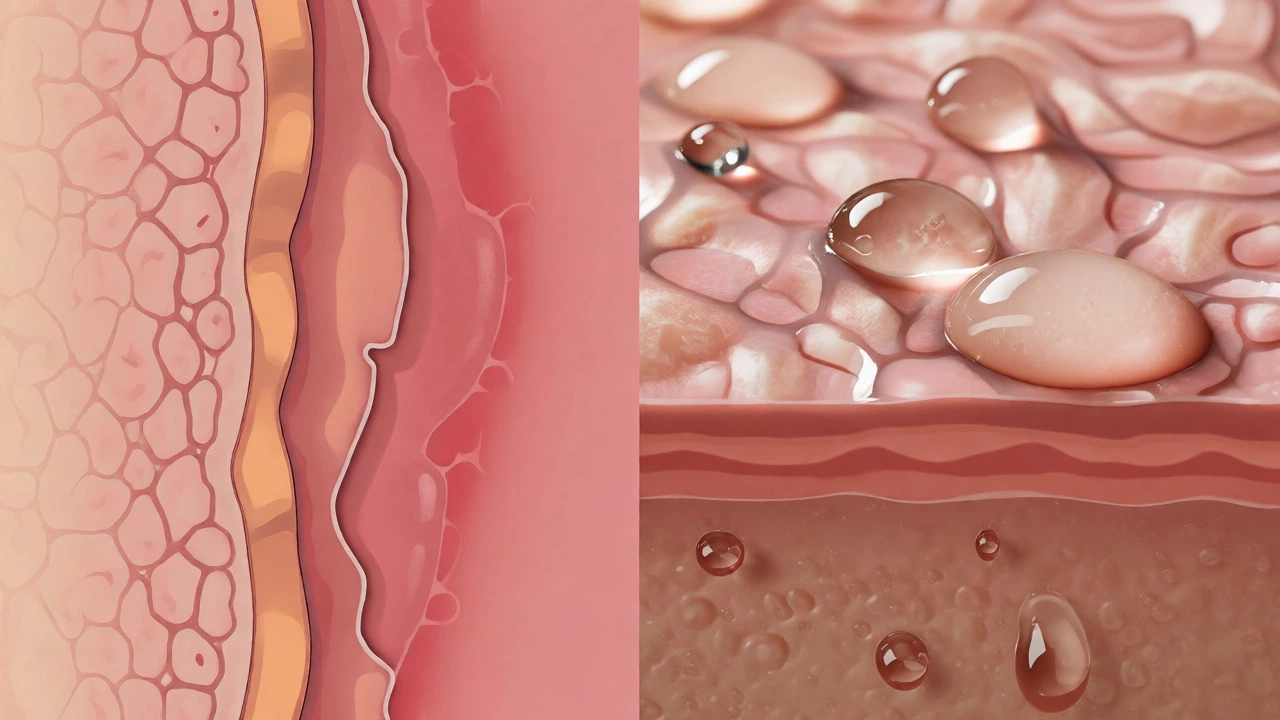
While you can skip it, there are specific scenarios where a toner adds genuine value. First, consider the concept of "layering." In Korean beauty routines, multiple thin layers of hydrating toner help saturate the stratum corneum (the outermost layer of skin). This technique, often called "7-skin method," boosts absorption of subsequent products. If you live in a dry climate or use heating systems heavily, this extra hydration step can prevent flakiness.
Second, if you struggle with clogged pores or acne, an exfoliating toner containing salicylic acid (BHA) or glycolic acid (AHA) works better than a wash-off cleanser. Because it stays on the skin, these acids have more time to penetrate pores and dissolve debris. Cleansers are on your face for maybe 30 seconds; toners sit there for hours. That dwell time matters for efficacy.
How to Decide: A Quick Checklist
Not sure if you should keep or ditch your toner? Run through this quick assessment:
- Check the ingredient list: Does it contain alcohol denat near the top? If yes, and your skin feels tight, skip it. If it contains humectants like glycerin or panthenol, it’s likely beneficial.
- Evaluate your cleanser: Is your cleanser foaming and squeaky-clean? If so, a hydrating toner can restore moisture. If your cleanser is creamy and non-foaming, you probably don’t need the extra step.
- Assess your skin type: Oily/acne-prone skin often benefits from BHA toners. Dry/sensitive skin often benefits from hydrating essences or skips toner entirely.
- Monitor results: Try skipping it for two weeks. Did your breakouts increase? Did your skin get drier? If nothing changed, you didn’t need it.
Alternatives to Traditional Toners
If you decide you want some of the benefits of toner without the hassle of another step, look into multi-tasking products. Micellar water, for instance, cleanses and preps the skin in one go. Some modern moisturizers now include exfoliating acids, eliminating the need for a separate toner step. Or, switch to a "treatment essence." These are thicker than water but thinner than lotion, offering concentrated hydration that acts like a primer for your moisturizer.
| Product Type | Primary Function | Texture | Best For |
|---|---|---|---|
| Traditional Toner | pH balancing, light cleansing | Watery, sometimes alcoholic | Oily skin, old soap-based cleansers |
| Hydrating Toner/Essence | Boosting hydration, prep | Light, slightly viscous | Dry skin, layering routines |
| Exfoliating Toner | Unclogging pores, brightening | Watery, active-heavy | Acne, dullness, texture issues |
| Serum | Treating specific concerns | Thicker, concentrated | Aging, hyperpigmentation, deep hydration |

The Wellington Weather Factor
Living here in Wellington, we deal with wind and humidity swings. Wind strips moisture rapidly, while humidity can make heavy creams feel suffocating. A lightweight, hydrating toner can actually be a strategic tool here. It provides a breathable layer of hydration that sits under sunscreen. However, if you find your skin feeling sticky or congested after using toner, the local humidity might be working against you. In summer, you might skip it. In winter, when the air is crisp and dry, you might bring it back. Listen to your skin’s seasonal needs rather than sticking rigidly to a routine.
Common Myths About Skipping Steps
People fear that skipping toner will cause premature aging or breakouts. There is no scientific evidence supporting this. Aging is primarily driven by UV exposure and genetics, not the absence of a watery liquid. Breakouts are caused by bacteria, oil production, and inflammation. Unless your toner was actively helping control bacteria (like a benzoyl peroxide toner), removing it won’t suddenly cause acne.
Another myth is that toner "opens pores." Pores don’t have muscles; they don’t open or close. Toners can clean out debris, making pores appear smaller temporarily, but they don’t physically alter pore structure. Don’t let marketing jargon pressure you into buying unnecessary products.
Final Thoughts on Routine Simplicity
Your skincare routine should serve your life, not complicate it. If skipping toner saves you money, time, and potential irritation, do it. Skin health is about consistency with basics: gentle cleansing, effective moisturizing, and daily sun protection. Everything else is optional optimization. Experiment safely, patch test new changes, and remember that less is often more when it comes to maintaining a healthy skin barrier.
Does toner remove makeup?
Some toners, especially micellar waters or cleansing toners, can remove light makeup. However, most traditional toners are not designed to dissolve heavy foundation or waterproof mascara. Always use a dedicated cleanser or balm first to ensure thorough removal.
Can I use toner instead of moisturizer?
Generally, no. Toners are mostly water-based and evaporate quickly. They lack the occlusive agents (like oils or ceramides) found in moisturizers that lock in hydration. Using toner alone usually leads to dryness, especially in windy climates like Wellington.
Is alcohol-free toner better?
For most skin types, yes. Alcohol-free toners are less irritating and help maintain the skin barrier. Exceptions exist for very oily, resilient skin types who tolerate alcohol well, but even then, newer formulations offer better alternatives without the sting.
How often should I use toner?
If you choose to use one, twice daily (morning and night) is standard. However, exfoliating toners with AHAs/BHAs should only be used 2-3 times a week initially to avoid over-exfoliation. Hydrating toners can be used daily.
Will skipping toner make my skin oily?
No. Oil production is hormonal and genetic. Skipping a drying toner might actually reduce rebound oiliness if your skin was previously dehydrated. Your skin regulates its own oil balance based on internal signals, not external toner application.