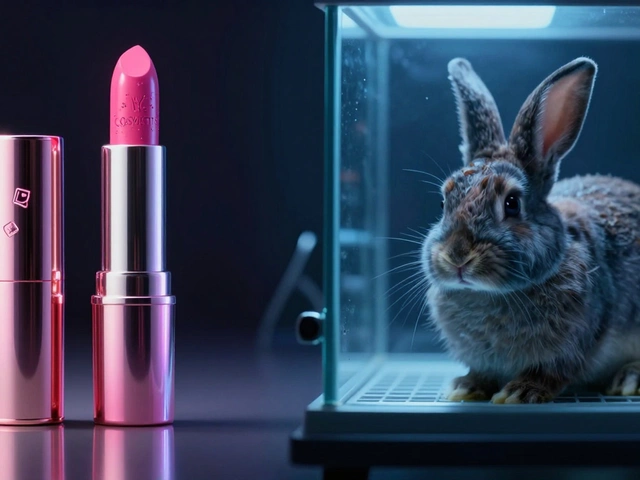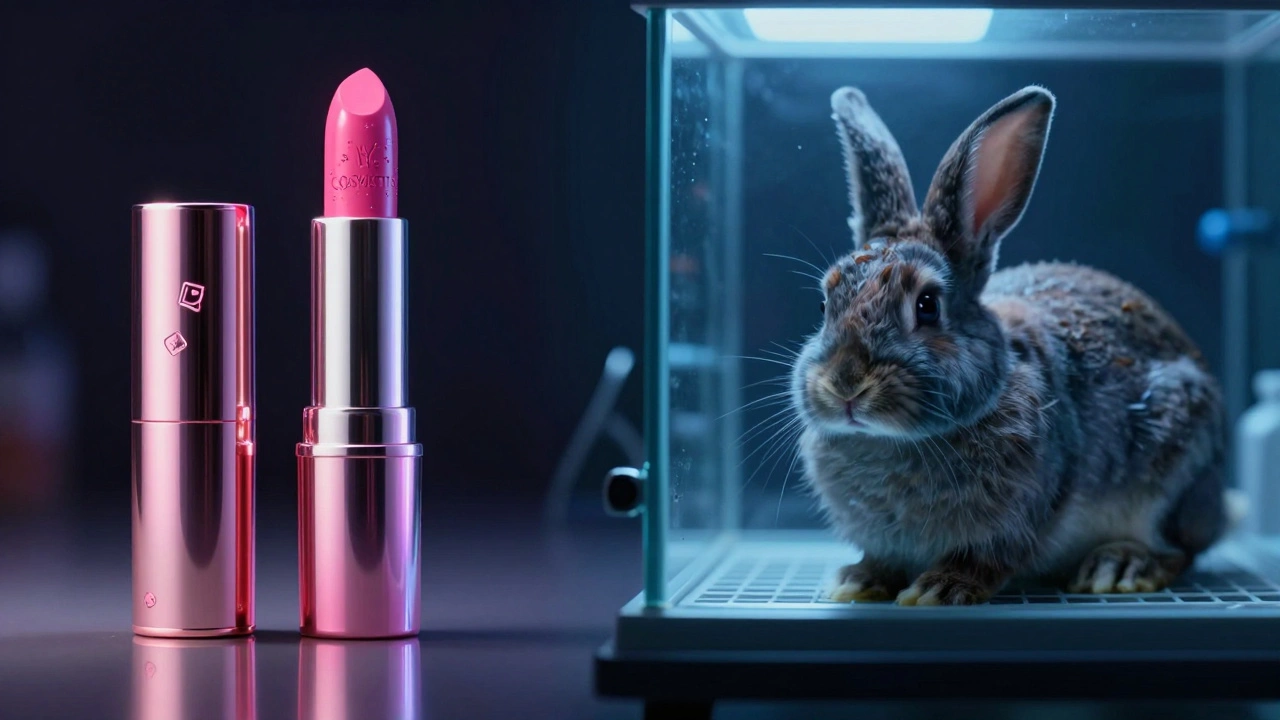
When you see Kylie Jenner’s name on a lipstick, it’s hard not to think of glam, speed, and influence. But behind the glitter and the viral posts, there’s a bigger question: Is Kylie Cosmetics cruelty-free? If you care about ethical beauty, you’re not alone. Millions of shoppers check labels before they buy - and for good reason. Animal testing isn’t just outdated; it’s unnecessary. So what’s the real story with Kylie Cosmetics in 2025?
What Kylie Cosmetics Claims
Kylie Cosmetics says it’s cruelty-free. Their website states they don’t test finished products on animals. They also say their suppliers don’t test on animals either. That sounds clean. But claims like this aren’t enough. Many brands say they’re cruelty-free while still selling where animal testing is required by law. That’s where things get messy.
The China Factor
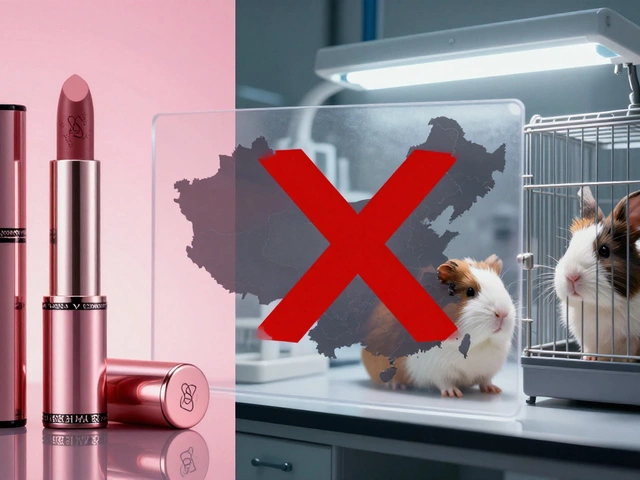
In 2025, China still requires animal testing for most imported cosmetics - unless the product is made and sold exclusively online, and meets strict criteria. Kylie Cosmetics sells in China through Tmall Global, an online-only platform. That’s a loophole. By not selling in physical stores, they avoid mandatory testing. But here’s the catch: China can still pull products off shelves and test them randomly. No brand can guarantee they’ll never be tested on animals if they’re sold there at all. That’s why PETA and Leaping Bunny don’t list Kylie Cosmetics as cruelty-free.
Parent Company Ownership
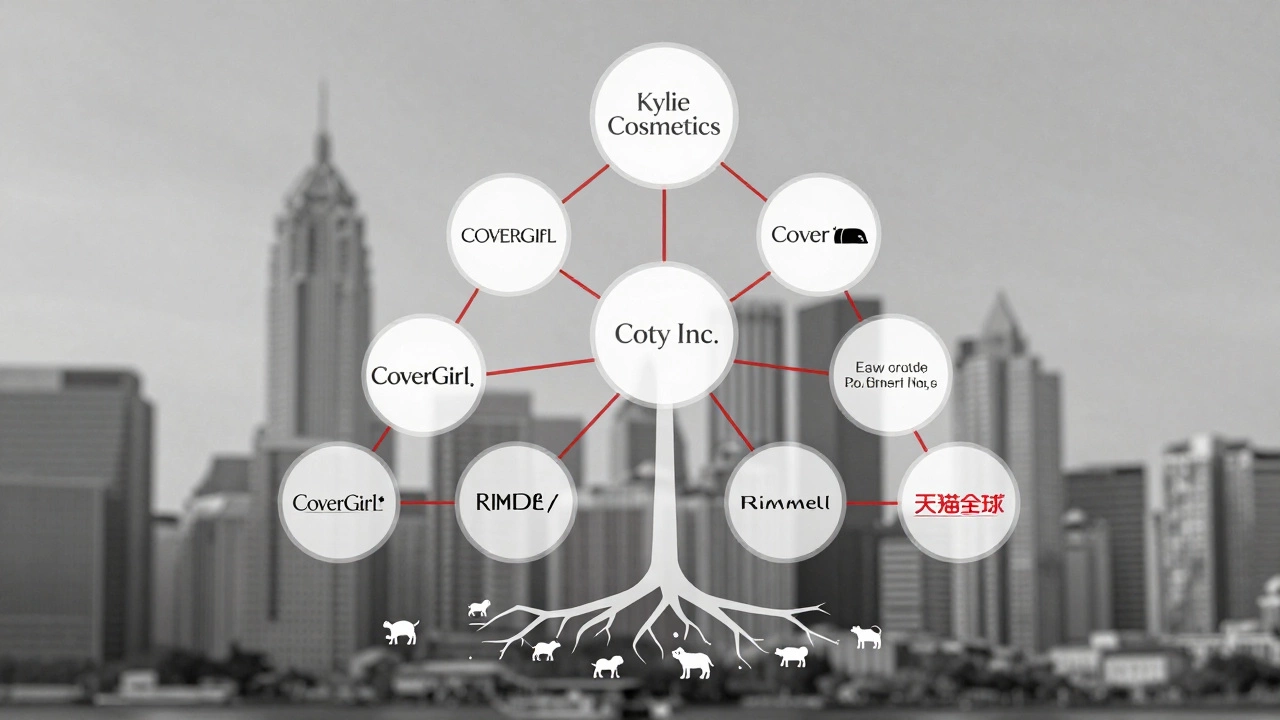
Kylie Cosmetics is owned by Kylie Jenner’s company, but it’s distributed by Coty Inc. Coty is a major beauty conglomerate that owns brands like CoverGirl, Rimmel, and Wella. Coty itself is not cruelty-free. They test on animals when required by law - including in China. Even if Kylie Cosmetics avoids testing directly, being under a parent company that does testing undermines the claim. Ethical consumers don’t just look at one brand. They look at the whole system. And that system includes Coty.
What About Vegan?
Being cruelty-free doesn’t mean vegan. Kylie Cosmetics has some vegan products - like their lip kits and liquid lipsticks without beeswax. But many still contain carmine (made from crushed beetles), lanolin (from sheep’s wool), or other animal-derived ingredients. If you’re looking for vegan makeup, you’ll need to check each product’s ingredients. There’s no blanket vegan certification for the brand.
Third-Party Certifications Matter
Brands that are truly cruelty-free usually carry certifications from trusted groups like Leaping Bunny or PETA’s Beauty Without Bunnies. Kylie Cosmetics has neither. They rely on their own wording - which is easy to change. Leaping Bunny requires strict audits, supply chain checks, and proof that no animal testing happens at any stage. Kylie Cosmetics doesn’t open their supply chain to that level of scrutiny. That’s not a small detail. It’s the difference between a claim and a guarantee.
What Other Brands Do Better
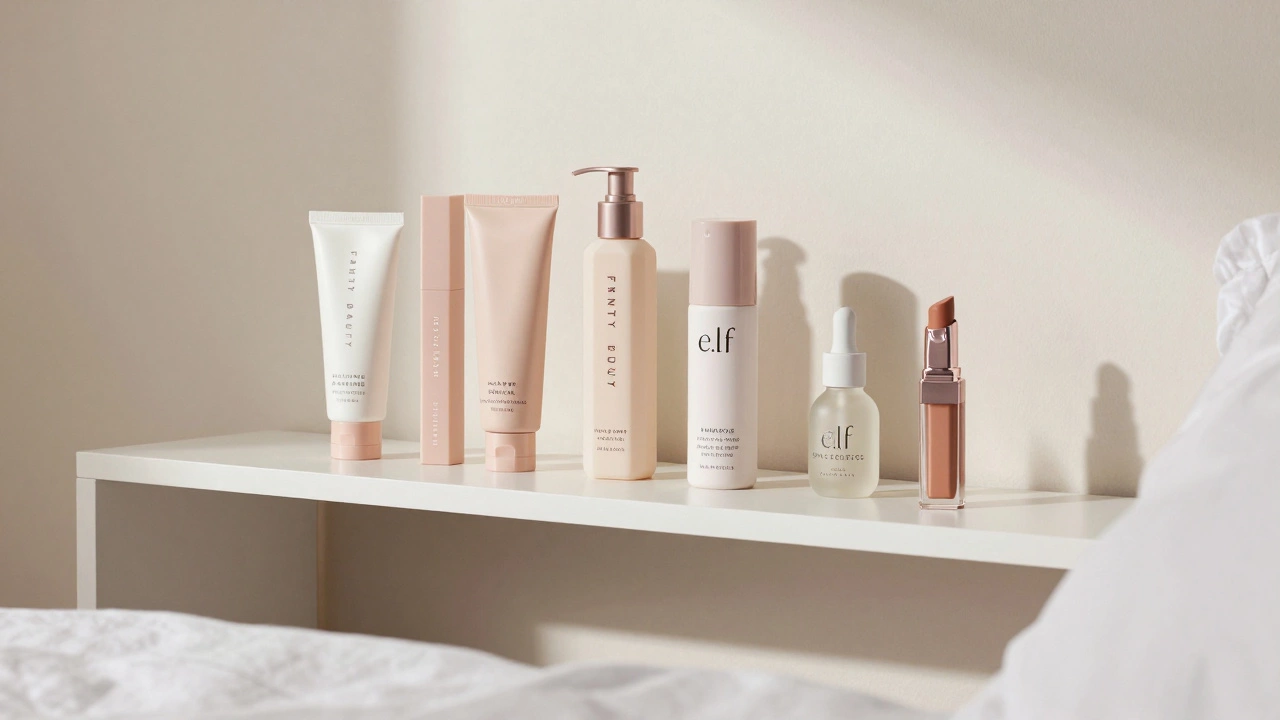
There are plenty of makeup brands that meet higher standards. Fenty Beauty, e.l.f. Cosmetics, and Milk Makeup are all Leaping Bunny certified. They don’t sell in China. Their parent companies don’t test on animals. Their formulas are vegan-friendly. And they prove it with third-party audits. These brands don’t just say they’re ethical - they show it. Kylie Cosmetics doesn’t.
Why This Matters Beyond the Label
When you buy from a brand that claims cruelty-free but avoids certification, you’re funding a system that still allows animal testing. It’s not about being perfect. It’s about supporting companies that are transparent and accountable. If a brand is truly committed to ethics, they’ll go the extra mile to get certified. Kylie Cosmetics hasn’t. That’s a signal.
Can You Still Use Kylie Cosmetics?
Yes - if you’re okay with the gray area. If you love the shades, the packaging, or the marketing, and you’re fine supporting a brand that benefits from a parent company that tests on animals, then go ahead. But don’t call it cruelty-free. It’s not. Not by any standard that matters to ethical shoppers.
The Bottom Line
In 2025, Kylie Cosmetics is not cruelty-free. Not by independent standards. Not by industry benchmarks. Not if you care about the full picture - from supply chains to parent companies to global regulations. They use clever wording to sound ethical, but they avoid the hard proof. If you want real cruelty-free makeup, choose brands that let third parties verify their claims. Your conscience, and the animals, deserve nothing less.
Is Kylie Cosmetics certified cruelty-free by Leaping Bunny or PETA?
No. Kylie Cosmetics is not certified by Leaping Bunny or PETA’s Beauty Without Bunnies program. They make their own claims but don’t submit to third-party audits or supply chain verification, which both organizations require.
Does Kylie Cosmetics test on animals in China?
Kylie Cosmetics sells in China via Tmall Global, an online-only platform. While they avoid mandatory pre-market testing, China can still randomly test imported products on animals. No brand selling in China can guarantee they’ll never be tested on animals - which is why certified cruelty-free brands don’t sell there at all.
Are any Kylie Cosmetics products vegan?
Some Kylie Cosmetics products are labeled vegan, like certain liquid lipsticks and lip kits that don’t contain beeswax or carmine. But many still use animal-derived ingredients like lanolin or carmine. There’s no full vegan line, and no official vegan certification for the brand.
Why does parent company Coty matter for cruelty-free status?
Coty Inc., which distributes Kylie Cosmetics, tests on animals when required by law - including in China. Even if Kylie Cosmetics avoids testing directly, being owned by a company that does testing means the brand is tied to animal testing practices. Ethical consumers look at the entire corporate structure, not just one label.
What are better cruelty-free alternatives to Kylie Cosmetics?
Brands like Fenty Beauty, e.l.f. Cosmetics, Milk Makeup, and Pacifica are Leaping Bunny certified, sell in no countries requiring animal testing, and offer full vegan lines. They’re transparent about ingredients, supply chains, and testing policies - and they prove it with third-party audits.