Cruelty-Free Knowledge Quiz
You love your L'Oréal mascara. It holds up through rain, tears, and long workdays. But when you look at the bunny logo on other brands, a nagging question pops up: Is L'Oréal actually cruelty-free? The short answer is no, but the "why" is complicated enough to make even seasoned beauty shoppers scratch their heads.
It’s not just about whether they poke animals in labs today. It’s about where they sell, who owns them, and what "cruelty-free" actually means in a global market. If you’re trying to align your bathroom shelf with your ethics, you need the real story, not just the marketing fluff. Let’s break down exactly where L'Oréal stands on animal testing, why they aren’t certified by major organizations, and what alternatives exist if you want to switch.
The Short Answer: No, L'Oréal Is Not Cruelty-Free
Here is the hard truth right off the bat: L'Oréal is not considered a cruelty-free brand by major ethical standards like Leaping Bunny or PETA. Why? Because they allow animal testing when required by law. This usually happens when selling products in mainland China, where regulatory authorities may mandate animal tests for imported cosmetics.
Many people get confused because L'Oréal states they don't test on animals *unless* required by law. To an ethical consumer, that distinction matters. If a brand pays for tests to happen elsewhere so they can sell in a specific country, they are still funding animal suffering. That money goes into the system that keeps those tests running. So, while you won't find a lab coat technician injecting rabbits with shampoo in Paris every day, the corporate structure supports testing globally.
Why Does L'Oréal Still Test on Animals?
It comes down to geography and regulation. For years, China required mandatory animal testing for all imported cosmetics. While laws have relaxed slightly since 2021 for "general cosmetics," post-market testing can still involve animals. If L'Oréal wants to sell its popular Infallible foundation in Shanghai, they might face a requirement to submit samples for safety checks that involve animals.
L'Oréal argues that they are working with regulators to change these laws. They claim to be pioneers in alternative testing methods. And honestly, they do invest heavily in science. They developed Episkin, a reconstructed human skin model, which reduces the need for live animals in many scenarios. But investment isn't the same as elimination. As long as one product line requires a mouse to survive a toxicity test to enter a market, the brand cannot claim to be 100% cruelty-free.
Vegan vs. Cruelty-Free: Don't Mix Them Up
This is where things get tricky. You might see some L'Oréal products labeled "vegan." Does that mean they are cruelty-free? Nope. These are two different concepts that often get tangled together.
- Cruelty-Free: Means no animal testing was done on the ingredients or final product.
- Vegan: Means the product contains no animal-derived ingredients (like beeswax, carmine, or lanolin).
A product can be vegan but tested on animals. A product can be cruelty-free but contain honey. L'Oréal has launched vegan versions of certain shampoos and hair dyes. However, because the parent company allows animal testing where legally required, those vegan products are still part of a non-cruelty-free ecosystem. If you buy a vegan L'Oréal shampoo, you’re avoiding pig fat, but you’re still supporting a company that funds rabbit tests in Asia.

The Parent Company Problem
If you dig deeper, you’ll find that L'Oréal isn’t just a single brand; it’s a giant conglomerate. Owning brands like Lancôme, Maybelline, NYX, and Garnier, the parent company’s policies trickle down. Even if NYX claims to be cruelty-free, they are owned by L'Oréal. Many strict cruelty-free advocates boycott parent companies that test on animals, regardless of how individual sub-brands operate.
| Brand | Owned By | Animal Testing Policy | Certified Cruelty-Free? |
|---|---|---|---|
| L'Oréal Paris | L'Oréal Group | Tests where required by law | No |
| Garnier | L'Oréal Group | Leaping Bunny Certified (but parent tests) | Yes (Brand Level)* |
| NYX Professional Makeup | L'Oréal Group | PETA Certified | Yes (Brand Level)* |
| Lancôme | L'Oréal Group | Tests where required by law | No |
*Note: Some sub-brands within the L'Oréal group have obtained certifications. However, strict consumers often avoid them because profits flow back to a parent company that tests on animals. It’s a gray area, but transparency helps you decide how strict you want to be.
What Are the Best Cruelty-Free Alternatives?
If you’re ready to swap out your L'Oréal staples, you don’t have to sacrifice quality. Plenty of brands offer similar performance without the ethical baggage. Here are a few solid swaps depending on what you use.
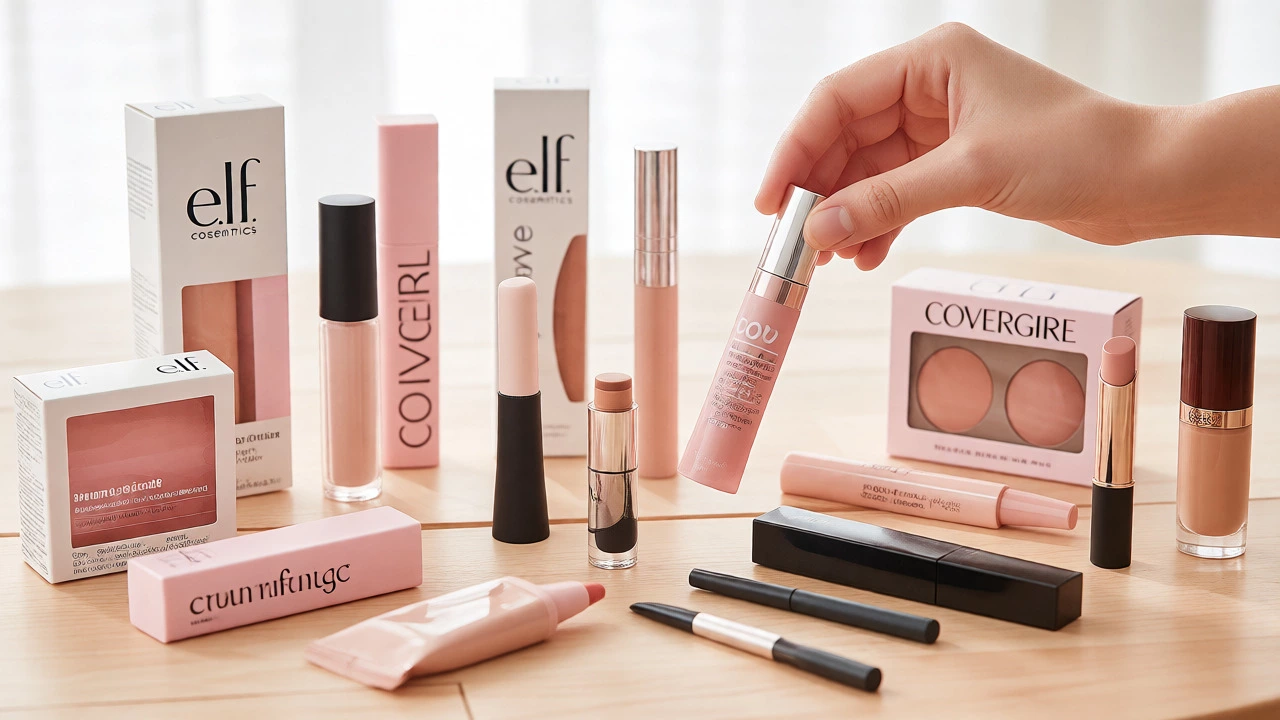
For drugstore makeup lovers, look at e.l.f. Cosmetics. They are fully cruelty-free and mostly vegan, with prices that rival L'Oréal. Their Camo Cream Concealer is a direct competitor to L'Oréal’s True Match, and it costs less. Another great option is CoverGirl. Wait, didn't Cover Girl used to test? Yes, but they became Leaping Bunny certified recently. They are now a legitimate cruelty-free option under the Coty umbrella, which has also committed to ending animal testing.
If you prefer high-end foundations, consider Hourglass. They are 100% vegan and cruelty-free, known for their Vanish Seamless Finish Foundation Stick. It’s pricier than L'Oréal’s Infallible, but the formula is comparable in coverage and longevity. For skincare-makeup hybrids, Ilia Beauty offers clean, ethical options that feel luxurious on the skin.
How to Spot a Truly Cruelty-Free Brand
Don’t trust the packaging alone. Marketing teams are creative. A cute bunny sticker doesn’t always mean official certification. Here is your quick checklist before you swipe your credit card.
- Look for Official Logos: Check for the Leaping Bunny or PETA Global Beauty Without Bunnies logos. These require audits.
- Check the Parent Company: Use apps like Cruelty-Free Kitty or Logical Harmony. They track ownership structures. If the parent company tests, you know the source of the controversy.
- Read the Fine Print: Avoid phrases like "We don't test on animals unless required by law." That is the loophole that disqualifies a brand from being truly cruelty-free.
- Verify Ingredient Lists: If you want vegan too, scan for carmine, shellac, and lanolin. These are common hidden animal derivatives.
Frequently Asked Questions
Does L'Oréal test on animals in Europe?
No, the European Union banned animal testing for cosmetics in 2013. L'Oréal does not test finished products or ingredients on animals within the EU. However, because they sell globally, they may conduct tests in other regions where regulations differ, such as parts of Asia.
Are all L'Oréal products vegan?
No. Only specific lines are labeled vegan. Many traditional formulas still contain animal-derived ingredients like beeswax or collagen. Always check the individual product label for vegan certification.
Is Garnier cruelty-free if L'Oréal isn't?
Garnier received Leaping Bunny certification in 2021, meaning they do not test on animals. However, they are owned by L'Oréal. Strict consumers often avoid them because profits support the parent company's testing policies, while others support them as a step toward changing industry standards.
Why did China ban animal testing?
China hasn't fully banned it yet. In 2021, they exempted "general cosmetics" (like shampoo and lipstick) from mandatory pre-market animal testing if manufacturers provide safety data. However, "special use" cosmetics (like sunscreen and hair dye) still require testing, and post-market surveillance can still involve animals.
Can I trust the "Cruelty-Free" claim on L'Oréal packaging?
Be cautious. L'Oréal typically uses the phrase "Against Animal Testing" or notes that they only test where required by law. This is not the same as a certified "Cruelty-Free" status from third-party auditors like Leaping Bunny.
Making the Switch: Next Steps
You don’t need to throw away your entire makeup bag overnight. Start with the products you use most. If you go through a bottle of L'Oréal micellar water every month, try swapping it for a cruelty-free brand like Bioderma or Simple. See if you notice a difference. Most likely, you won’t miss the old formula, but you will feel better about your purchase.
Remember, voting with your wallet works. When big corporations see sales shifting toward ethically sourced goods, they adapt. L'Oréal is already investing in cell-based testing methods. Your demand for stricter standards pushes them further. Keep checking certifications, stay curious about ingredient lists, and don’t let vague marketing terms fool you. Your conscience-and the bunnies-will thank you.