Lip Balm Classifier: Cosmetic or Drug?
Determine how your lip balm is legally classified based on its ingredients and intended use.
You probably grab your lip balm from the same drawer as your lipstick or moisturizer. It feels like makeup. It smells like perfume. But if you’ve ever wondered whether that little tube is legally considered a cosmetic, you are asking the right question. The answer isn’t just a simple yes or no. It depends entirely on what is inside that tube and what the manufacturer claims it does.
In the world of product regulation, labels matter more than ingredients. A stick of beeswax and shea butter might be a cosmetic. That exact same stick with added zinc oxide to block UV rays becomes an over-the-counter drug. Understanding this distinction helps you know what protections apply to the products you put on your body every day.
The Legal Definition of a Cosmetic
To understand where lip balm fits, we first need to look at how regulatory bodies define a cosmetic. In the United States, the Food and Drug Administration (FDA) defines a cosmetic as any substance intended to be rubbed, poured, sprinkled, or sprayed on the human body for cleansing, beautifying, promoting attractiveness, or altering appearance.
This definition covers a huge range of items. Shampoo, perfume, lipstick, and hand lotion all fall under this umbrella. If your lip balm’s only job is to keep your lips soft, smooth, and looking nice, it is classified as a cosmetic. The key word here is "intended." If the packaging says it moisturizes or conditions, it stays in the cosmetic lane.
Cosmetic Product is a substance applied to the body for cleansing, beautifying, or altering appearance without affecting bodily functions. Common examples include lip balms without SPF, lip glosses, and facial moisturizers.
When Lip Balm Becomes a Drug
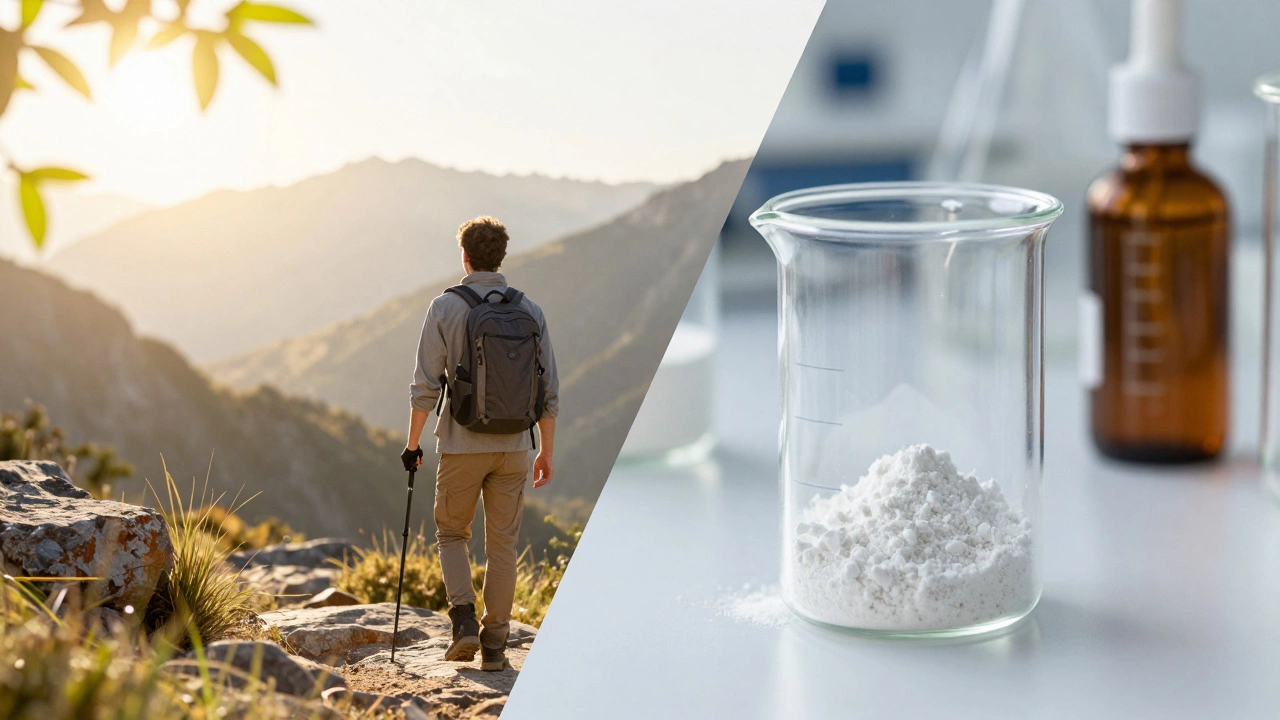
Things get complicated when manufacturers add specific active ingredients. If your lip balm contains sunscreen agents like octinoxate, avobenzone, or zinc oxide, it is no longer just a cosmetic. It is now an Over-The-Counter (OTC) drug. Why? Because sun protection is considered a medical function. It prevents disease (skin cancer) and affects the structure of the skin by blocking radiation.
Similarly, if a lip balm claims to treat chapped lips, cure cold sores, or reduce inflammation, it crosses into drug territory. Ingredients like camphor, menthol, or phenol are often used for their therapeutic effects. When a product treats or prevents a condition, the FDA regulates it as a drug, not a cosmetic.
This dual status means some lip balms are both cosmetics and drugs. This is known as a "combination product." You can find these easily on store shelves. Look at the back label. If you see an "Drug Facts" panel alongside the ingredient list, you are holding a regulated drug product. If you only see an "Other Ingredients" list, it is likely a pure cosmetic.
Why the Distinction Matters for Safety
You might think, "It’s just wax, why does it matter?" The difference dictates the level of scrutiny the product undergoes before it reaches you. Cosmetics do not require pre-market approval from the FDA. Manufacturers are responsible for ensuring their products are safe and properly labeled, but they don’t have to prove efficacy to regulators before selling them.
Drugs, however, face stricter rules. OTC drugs must use monograph-listed ingredients in approved concentrations. They must also demonstrate stability and safety through rigorous testing. If you buy a lip balm with SPF 30, the manufacturer has had to follow specific protocols to ensure that SPF number is accurate. If they claim it heals cracks, they need data to back that up.
For consumers, this means higher assurance for medicinal claims. If you are buying lip balm to protect against sun damage, choosing one with the "Drug Facts" label ensures it meets federal standards for UV protection. Pure cosmetic lip balms offer hydration, but they offer no guaranteed defense against UV rays unless explicitly tested and labeled as such.
Ingredients: What’s Actually in Your Tube?
Most basic lip balms rely on occlusives and emollients. Occlusives create a barrier to prevent water loss. Common examples include petrolatum (petroleum jelly), beeswax, and lanolin. Emollients fill in the cracks between skin cells to make lips feel smooth. Jojoba oil, shea butter, and cocoa butter fit this category.
These ingredients are generally recognized as safe (GRAS) for topical use. However, "natural" does not always mean hypoallergenic. Beeswax and lanolin are common allergens. Fragrances and flavorings-like mint, cherry, or cinnamon-are frequent culprits behind contact dermatitis on the lips. The thin skin of the lips absorbs chemicals more readily than other parts of the face, making sensitivity a real concern.
If you are prone to allergies, reading the full ingredient list is crucial. Many cosmetic lip balms hide potential irritants behind vague terms like "fragrance." Drug-classified lip balms often list specific active agents clearly, which can help you avoid unwanted additives.
Global Differences: How Other Countries Regulate Lip Care
The US system is unique in its reliance on post-market enforcement for cosmetics. Other regions take different approaches. In the European Union, the regulation of cosmetics is much stricter regarding banned substances and nanomaterials. The EU bans over 1,300 substances in cosmetics, while the US bans fewer than 1,100. This means a lip balm sold in Europe may have undergone more stringent safety screening than one sold in the US, even if both are classified as cosmetics.
In New Zealand, where I live, the Medicines Regulatory Group oversees therapeutic goods. Similar to the US, if a lip balm makes medicinal claims, it falls under medicine regulations. Otherwise, it is treated as a consumer good. Australia follows a similar path with the Therapeutic Goods Administration (TGA). These differences highlight why international travelers should check labels carefully. A product deemed safe in one country might contain ingredients restricted in another.
| Feature | Cosmetic Lip Balm | Drug Lip Balm |
|---|---|---|
| Primary Purpose | Moisturize, beautify, soften | Treat chapping, protect from sun, heal sores |
| Regulatory Body (US) | FDA (Cosmetics Division) | FDA (Drugs Division) |
| Pre-Market Approval | Not required | Required for new drugs; OTC uses monographs |
| Labeling Requirements | Ingredient list, net weight | Drug Facts panel, active ingredients, warnings |
| Common Active Ingredients | None (only inactive bases) | Zinc oxide, Octinoxate, Camphor, Menthol |
How to Choose the Right Lip Balm for You
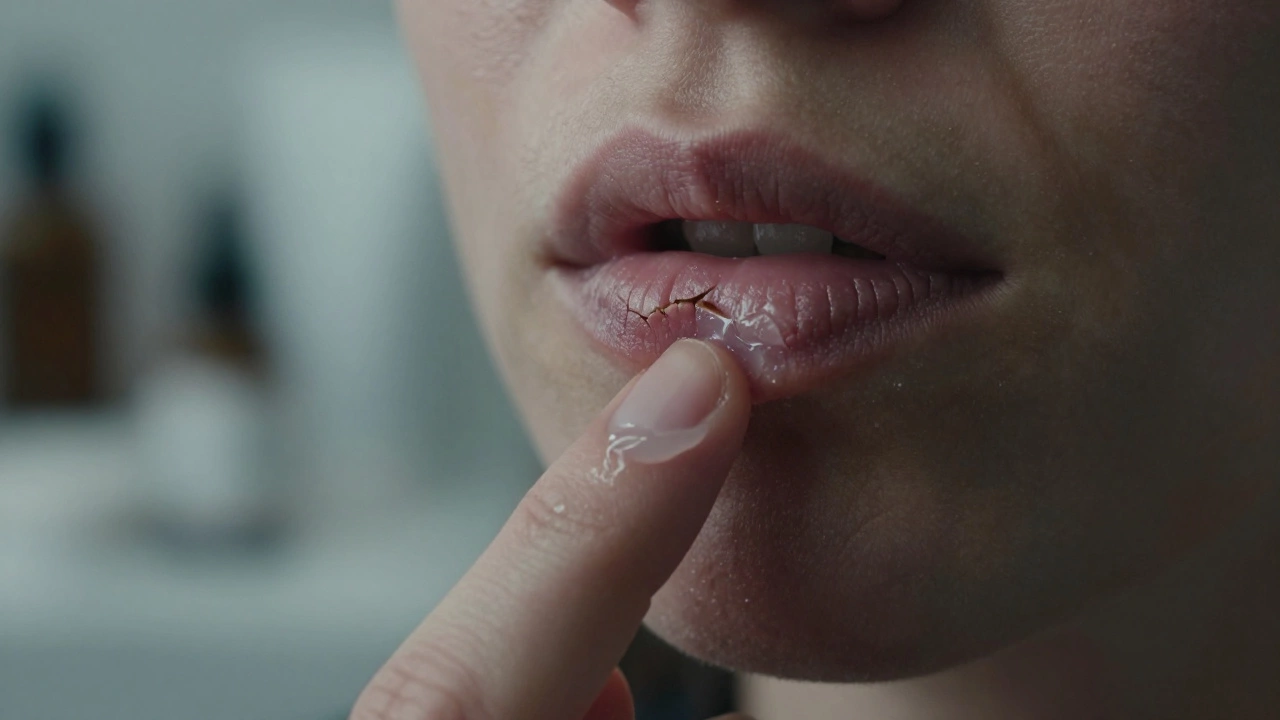
Your choice should depend on your specific needs. Are you dealing with painful, cracked lips in winter? You might benefit from a drug-classified balm with camphor or menthol to soothe irritation. Do you spend hours outdoors hiking or skiing? You need a lip balm with broad-spectrum SPF, which legally makes it a drug. For daily maintenance and comfort, a simple cosmetic balm with beeswax and oils is sufficient and often gentler on sensitive skin.
Avoid products that cause tingling or burning sensations. While many people associate the "cooling" effect of menthol with healing, it can sometimes dry out the lips further by increasing blood flow and evaporation. If your lips become dependent on the cooling sensation, you may be trapped in a cycle of reapplication. Switching to a bland, fragrance-free cosmetic balm can break this cycle and allow the skin barrier to repair itself.
Also, check for expiration dates. Lip balms contain oils and butters that can go rancid. Using expired product can introduce bacteria or irritants to your mouth. Store them in cool, dark places to extend their shelf life. Most unopened lip balms last two to three years, but once opened, aim to replace them within six months to a year.
The Future of Lip Care Regulations
Regulations are evolving. The Modernization of Cosmetics Regulation Act (MoCRA), passed in the US in 2022, significantly increased oversight of cosmetic products. It requires facility registration, product listing, and mandatory reporting of serious adverse events. This means that even pure cosmetic lip balms will face more scrutiny than in the past. Manufacturers must now provide better evidence of safety and quality control.
This shift benefits consumers by reducing the risk of contaminated or unsafe products. As awareness grows about endocrine disruptors and microplastics, expect to see clearer labeling and stricter bans on certain synthetic ingredients in lip care products globally. The line between cosmetic and drug may blur further as more "wellness" claims enter the beauty market.
Is ChapStick considered a cosmetic or a drug?
ChapStick is a brand name, not a product type. Whether it is a cosmetic or drug depends on the specific variant. Original ChapStick with no SPF is a cosmetic. Variants with SPF 15 or higher are classified as over-the-counter drugs because they provide sun protection. Always check the back of the tube for a "Drug Facts" panel.
Do cosmetic lip balms expire?
Yes, all lip balms expire. Even though they don't contain water (which breeds bacteria quickly), the oils and waxes can oxidize and turn rancid. An expired lip balm may smell off, change texture, or irritate the skin. Most lip balms have a shelf life of 1-2 years after opening. Check the Period After Opening (PAO) symbol on the packaging, which looks like an open jar with a number and 'M' (e.g., 12M).
Can I use lip balm if I have a cold sore?
You can use lip balm, but standard cosmetic balms will not cure a cold sore. Cold sores are caused by the herpes simplex virus. To treat them, you need an antiviral medication, which is classified as a drug. Some lip balms contain docosanol, an active ingredient approved to shorten healing time. Using a plain cosmetic balm over a blister can trap moisture and potentially worsen the outbreak if hygiene isn't maintained.
Are natural lip balms safer than synthetic ones?
Not necessarily. "Natural" ingredients like essential oils, citrus extracts, and botanical fragrances are common causes of allergic reactions. Synthetic ingredients like petrolatum are highly refined and inert, meaning they rarely cause irritation. Safety depends on individual sensitivity, not just the source of the ingredient. Always patch-test new products, regardless of whether they are labeled natural or synthetic.
Why do some lip balms make my lips drier?
Some lip balms contain irritating ingredients like camphor, menthol, salicylic acid, or strong fragrances. These can cause contact dermatitis, leading to peeling and dryness. Additionally, if a balm lacks adequate occlusives (barriers), it may not lock in moisture effectively. Switching to a simple formula with petrolatum, beeswax, or ceramides often resolves chronic dryness.