The Bottom Line on OPI and Animal Testing
If you're looking for a quick answer: No, OPI is not a cruelty-free brand. While they might not conduct animal testing on their finished products in their own labs, the company still sells its products in mainland China. This is the deal-breaker for most ethical shoppers. In China, the government has historically required animal testing for many imported cosmetics, meaning OPI accepts these practices to maintain access to that massive market.
It's a common point of confusion because brands often use a bit of "corporate speak" to hide the truth. They might say they don't test on animals, but they forget to mention that they allow others to do it. If a brand sells in a region where animal testing is mandated by law, they are essentially consenting to that process. This is why you won't find OPI with the Leaping Bunny seal, which is the gold standard for cruelty-free verification.
What Exactly is Cruelty-Free?
To understand why OPI fails this test, we need to be clear about what Cruelty-Free actually means. It doesn't just mean the company doesn't have a lab full of rabbits. A truly cruelty-free brand ensures that no animal was harmed at any stage of the product development. This includes the raw ingredients. If a supplier tests a specific pigment on animals, the final polish isn't cruelty-free, even if OPI didn't do the testing themselves.
The CCFZ (Cruelty Free Cosmetics) and other monitoring groups look for transparency. When a company is vague about their supply chain or their international sales, they can't be certified. OPI's presence in the Chinese market creates a gap in this transparency that makes it impossible for them to claim a cruelty-free status.
Is OPI Vegan?
Here is where things get even more complicated. People often lump "cruelty-free" and Vegan together, but they are different things. A product can be vegan (no animal ingredients) but not cruelty-free (tested on animals). Conversely, a product can be cruelty-free but contain honey or carmine (animal-derived ingredients).
Most OPI polishes are not vegan. Many of their formulas contain Guanine, which is a shimmering substance often derived from fish scales. While they have some vegan options, the majority of their classic line relies on these animal-derived components to get that specific pearlescent glow. If you're trying to avoid all animal products, you'll need to check every single bottle carefully.
| Criteria | OPI Status | Cruelty-Free Requirement |
|---|---|---|
| Direct Animal Testing | No | None allowed |
| Sells in Mainland China | Yes | No (for Leaping Bunny) |
| Leaping Bunny Certified | No | Yes |
| Vegan Ingredients | Mostly No | No animal derivatives |
Why the China Market Matters
You might wonder why one country's laws matter so much. For years, the National Medical Products Administration (NMPA) in China required animal testing for all "special use" cosmetics. While laws have started to loosen for some general cosmetics, the risk remains high for professional-grade products. When a brand like OPI chooses to sell there, they are prioritizing profit over the ethical mandate of animal welfare.
Compare this to brands that have completely pulled out of China or refused to enter the market specifically to keep their cruelty-free status. Those brands prove that it's possible to be a global success without compromising on animal rights. It's a conscious business decision, not a lack of options.
Better Alternatives for Your Nails
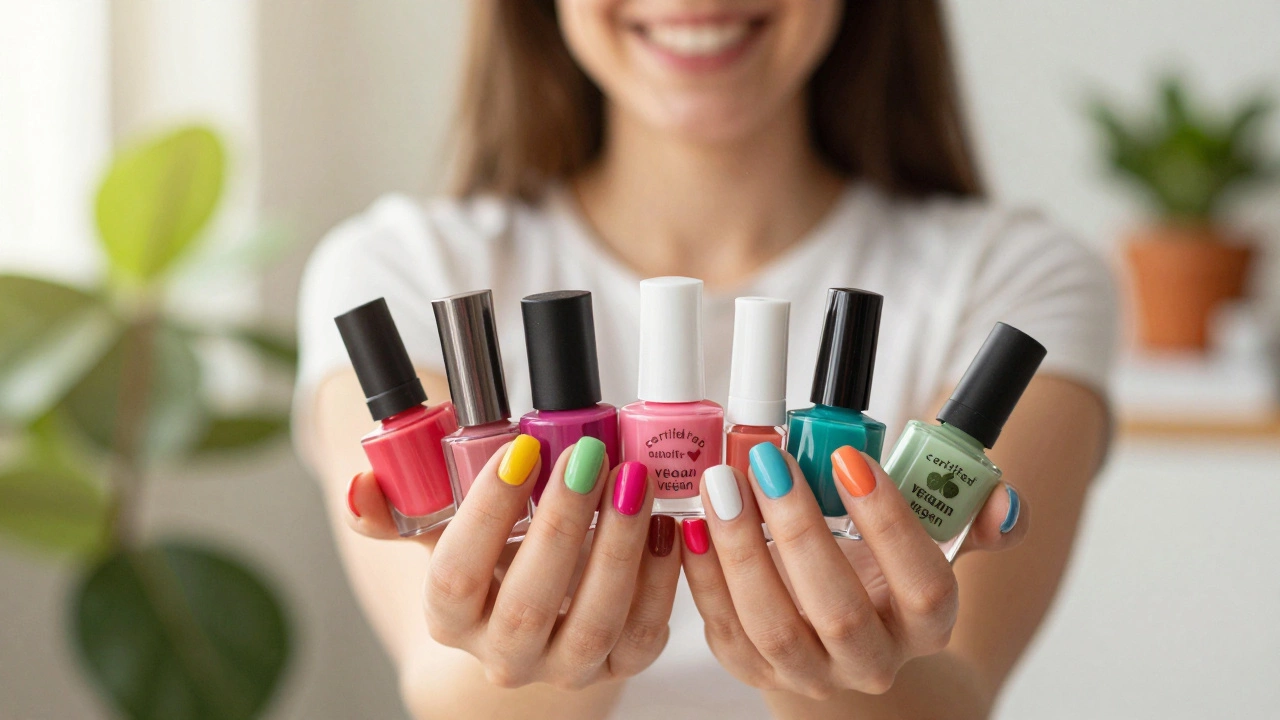
Just because OPI isn't an ethical choice doesn't mean you have to settle for boring nails. There are plenty of professional-grade alternatives that are both vegan and cruelty-free. If you want that high-shine, long-wear finish without the guilt, look into these options:
- Ella + Mila: A brand that focuses heavily on being non-toxic and 100% vegan.
- Zoya: Known for an incredible range of colors and a strict no-animal-testing policy.
- Essie: While not all their lines are the same, they have made significant strides in their cruelty-free offerings (though always check the specific line).
- Olive & June: A modern brand that prioritizes clean ingredients and ethical sourcing.
Switching brands is the most powerful way to send a message to companies. When the demand for cruelty-free nail polish outweighs the demand for traditional brands, companies like OPI have a financial incentive to change their practices and drop their ties to animal testing.
How to Spot "Cruelty-Free Washing"
Be careful with the language brands use on their websites. "Cruelty-free washing" is when a company uses vague terms to make you think they're ethical when they aren't. Watch out for phrases like "We do not test on animals, except where required by law." That little phrase at the end is a huge red flag-it's a polite way of saying they'll test on animals if it helps them sell in China.
Instead, look for third-party certifications. A company claiming they are cruelty-free is just a company saying they are cruelty-free. A certification from an organization like the PETA "Beauty Without Bunnies" program or Leaping Bunny means an independent auditor has checked their records and supply chain. That is the only way to be sure.
Does OPI test on animals in the US?
OPI generally does not conduct animal testing in their own laboratories in the US. However, because they sell in markets like China where animal testing is often mandated by law, they are not considered cruelty-free by global ethical standards.
Are all OPI nail polishes non-vegan?
Not all, but many are not. A lot of OPI formulas contain guanine, which is derived from fish scales. You have to check the individual ingredient list for each color to determine if it is vegan.
Is there a cruelty-free alternative to OPI's professional range?
Yes, brands like Zoya and Ella + Mila offer professional-quality pigments and longevity while maintaining strict cruelty-free and vegan certifications.
Why isn't OPI Leaping Bunny certified?
Leaping Bunny requires companies to commit to no animal testing anywhere in the world, at any point in the supply chain, and prohibits selling in markets that require animal testing. OPI's sales in China violate these requirements.
Can I still use OPI if I care about animals?
That is a personal choice. However, if your goal is to avoid supporting brands that permit animal testing, OPI would not fit your criteria. Switching to a certified cruelty-free brand is the best way to ensure your beauty routine aligns with your values.
Moving Forward with Ethical Beauty
Making the switch to ethical beauty can feel overwhelming, especially when you're used to the reliability of a brand like OPI. But the market has changed. You no longer have to choose between a polish that lasts two weeks and a polish that is kind to animals. The technology in vegan resins and cruelty-free pigments has caught up.
Next time you're at the salon, ask your technician if they carry any Leaping Bunny certified brands. Many salons are starting to pivot toward cleaner, more ethical options because their clients are asking for them. Your voice as a consumer is the only thing that actually forces these giant corporations to stop animal testing and start prioritizing ethics over expansion.