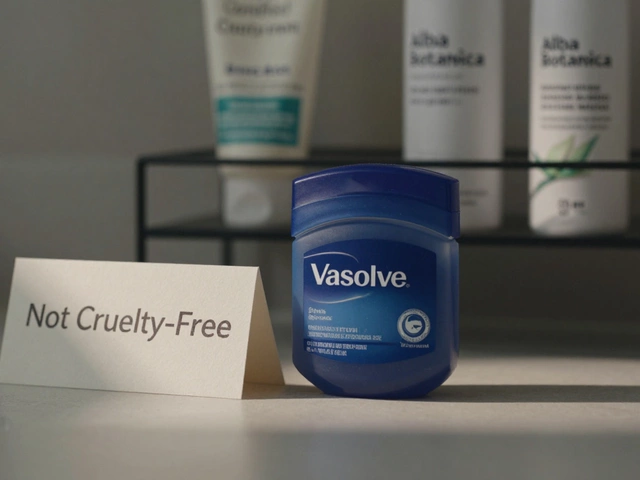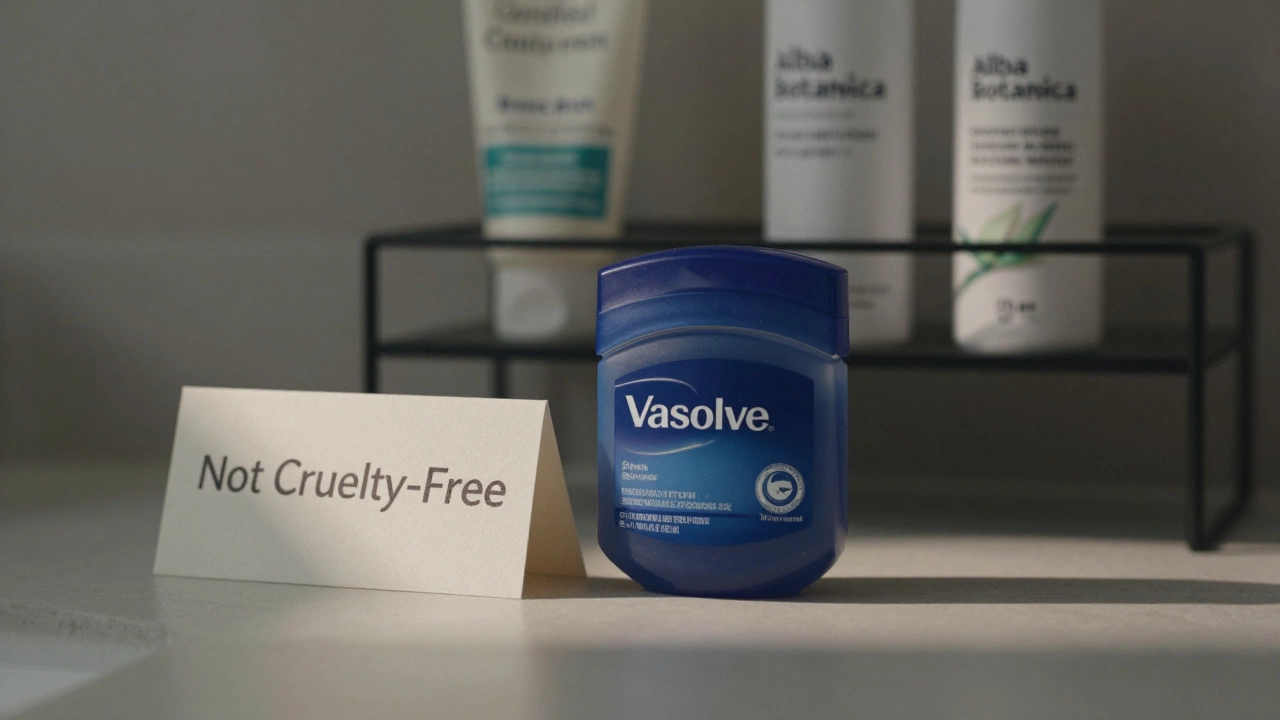
You’ve seen the blue tubs. You’ve used it on chapped lips, dry elbows, even as a makeup remover. But when you really think about it-Vaseline-is it really cruelty-free?
It’s not just about whether they test on animals. It’s about the whole system behind it. Vaseline isn’t a niche brand. It’s everywhere. And if you’re trying to live by cruelty-free values, you need to know what’s really going on.
What Vaseline Says About Animal Testing
Vaseline, owned by Unilever, claims on its website that they don’t test finished products on animals. That sounds good, right? But here’s the catch: they say they only do it when required by law. That’s the industry’s go-to excuse.
That means if a country like China requires animal testing for imported cosmetics-Vaseline will comply. And they sell in China. That’s not a side note. It’s a dealbreaker for most cruelty-free advocates. Brands that sell in China can’t be certified as cruelty-free by Leaping Bunny or PETA, because those programs demand zero animal testing, anywhere, under any condition.
Unilever, Vaseline’s parent company, has a corporate policy that says they avoid animal testing. But policies don’t override laws. And in practice, Vaseline’s products have been tested on animals to meet regulatory demands in certain markets. That’s not a loophole-it’s a standard business decision.
The Difference Between ‘No Animal Testing’ and ‘Cruelty-Free’
Many people think these terms mean the same thing. They don’t.
‘No animal testing’ can mean the brand doesn’t do it themselves. But if their ingredients were tested on animals by a third party, or if they sell where animal testing is mandatory, they still benefit from animal suffering.
Cruelty-free means no part of the product-ingredients, final formula, or distribution-has ever involved animal testing. Not now. Not in the past. Not in any country they sell to.
Vaseline doesn’t meet that standard. Their parent company, Unilever, tests some of its other brands on animals for regulatory compliance. That includes brands like Dove and Axe. So even if Vaseline itself didn’t test directly, the system it’s part of does.
Who Certifies Cruelty-Free? And Why It Matters
If you want to be sure, look for certifications. The two most trusted are:
- Leaping Bunny - requires full supply chain audits. No animal testing at any stage, ever.
- PETA’s Beauty Without Bunnies - requires companies to sign a statement promising no animal testing anywhere in the world.
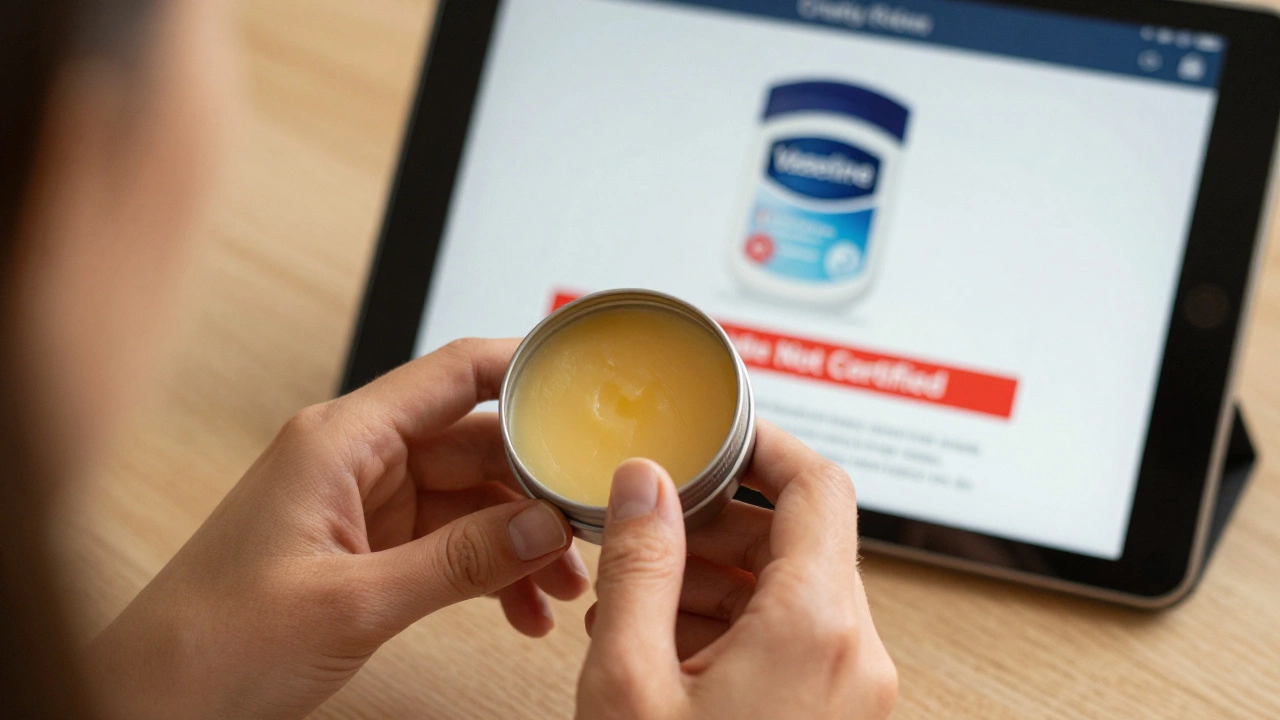
Vaseline is not on either list. Not even close.
Some brands get away with saying ‘cruelty-free’ because there’s no legal definition in most countries. That’s why third-party certifications exist. They’re the only real guarantee. Without them, you’re trusting marketing language-and that’s risky.

What About the Ingredients? Is Petroleum Jelly Ethical?
Vaseline is made from petroleum jelly, a byproduct of oil refining. That’s not an animal product, so some people think it’s automatically ethical. But ethical isn’t just about ingredients-it’s about how the whole system operates.
Even if petroleum jelly itself doesn’t involve animals, the fact that it’s sold in markets that force animal testing makes it complicit. You can’t separate the product from the company’s behavior.
Also, petroleum is a fossil fuel. That’s a whole other ethical issue-environmental harm, pollution, climate impact. If you’re avoiding animal testing for ethical reasons, you might also care about sustainability. Vaseline doesn’t make that easy.
Real Alternatives That Actually Pass the Test
You don’t need Vaseline to protect your skin. There are dozens of certified cruelty-free alternatives that work just as well-or better.
Here are a few that are trusted by people who refuse to support animal testing:
- Alba Botanica - plant-based, vegan, Leaping Bunny certified.
- Herbivore Botanicals - uses natural oils and butters, no animal testing, PETA certified.
- Dr. Bronner’s - organic, fair-trade, cruelty-free, and you can use their pure castile soap as a multipurpose balm.
- Badger Balm - made with beeswax and plant oils, certified by Leaping Bunny.
These brands don’t just avoid animal testing-they avoid toxic chemicals, synthetic fragrances, and plastic packaging too. They’re not just alternatives. They’re upgrades.
Why This Matters Beyond Vaseline
This isn’t just about one brand. It’s about how the beauty industry manipulates language to look ethical while still supporting harm.
Companies like Vaseline know consumers care. So they say just enough to make you feel good. But if you dig a little, the truth comes out.
Every time you buy a product that’s tested on animals-even if it’s just for one market-you’re funding that system. It’s not a small choice. It’s part of a larger pattern.
Switching to certified cruelty-free brands doesn’t mean giving up on effective products. It means supporting companies that are transparent, accountable, and willing to sacrifice profits for ethics.
What You Can Do Right Now
If you’ve been using Vaseline and want to make a change, here’s what to do:
- Finish what you have. Don’t waste it.
- Next time you need a moisturizer, pick a Leaping Bunny or PETA-certified brand.
- Check the certification logos on the packaging. If you don’t see them, don’t assume.
- Use apps like Cruelty-Free Kitty or Think Dirty to scan products in-store.
- Ask brands directly: ‘Do you test on animals if required by law?’ If they say yes, move on.
It’s not about being perfect. It’s about being informed. And choosing better, one product at a time.
Is Vaseline tested on animals?
Vaseline doesn’t test its finished products directly, but its parent company, Unilever, allows animal testing when required by law-such as in China. Because Vaseline sells there, it is not considered cruelty-free by any major certification body.
Is Vaseline vegan?
Vaseline petroleum jelly contains no animal-derived ingredients, so technically it’s vegan. But because it’s tested on animals in certain markets, most vegans avoid it due to ethical concerns about supporting animal testing.
What brands are truly cruelty-free alternatives to Vaseline?
Brands like Alba Botanica, Herbivore Botanicals, Dr. Bronner’s, and Badger Balm are all certified cruelty-free and vegan. They use plant-based ingredients and avoid animal testing in every market they sell in.
Why doesn’t Vaseline get certified as cruelty-free?
To get certified by Leaping Bunny or PETA, a company must promise never to test on animals under any circumstance. Vaseline’s parent company sells in countries that require animal testing, so they refuse to make that commitment. Certification would mean losing access to those markets-and they’re not willing to give that up.
Can I still use Vaseline if I care about animals?
If you’ve already bought it, using it up is fine. But continuing to buy it supports a system that allows animal testing. If you care about animals, switching to a certified cruelty-free brand is the only way to ensure your choices align with your values.