Bikini Laser Hair Removal: What You Need to Know Before You Go
When it comes to bikini laser hair removal, a cosmetic procedure that uses concentrated light to target and destroy hair follicles in the bikini area. Also known as laser hair reduction, it’s one of the most popular ways to get long-lasting smoothness without the daily hassle of shaving or waxing. Unlike temporary methods, this isn’t about masking hair—it’s about reducing growth over time. But it’s not magic. It works best on dark, coarse hair and lighter skin, and results vary based on your body’s response.
Many people assume laser hair removal is a one-and-done fix, but that’s not true. Most need 6 to 8 sessions, a series of treatments spaced 4 to 6 weeks apart to see real results. Why? Hair grows in cycles, and the laser only catches follicles in the active growth phase. Skipping sessions or rushing them can leave patchy regrowth. And yes, it hurts—most describe it as a rubber band snap. But clinics often use cooling gels or built-in chillers to keep things manageable.
Cost is another big factor. A single session for the bikini line can run between £50 and £150 in the UK, depending on the clinic and location. Full packages often drop the per-session price, but make sure you’re not locked into a contract with hidden fees. Also, not all clinics are equal. Look for certified technicians, clean facilities, and before-and-after photos from real clients—not stock images. Avoid places that push you into unlimited plans or promise "permanent" results right away. The FDA says it’s "permanent hair reduction," not removal. Some fine hairs may still grow back, but they’ll be lighter and sparser.
What about side effects? Redness and swelling are normal for a few hours. Burns or pigment changes? Those happen when the wrong settings are used or if you’ve been tanning. That’s why you’re told to skip sun exposure for weeks before and after. And if you’re on certain medications, have a skin condition like psoriasis, or are pregnant, talk to your doctor first. This isn’t just a beauty treatment—it’s a medical procedure with real risks if done poorly.
There’s also a big difference between diode lasers, the most common type used in clinics for bikini areas and cheaper IPL devices sold for home use. IPL isn’t as powerful or precise. It might slow hair growth a bit, but it won’t deliver the same long-term results as professional laser. Don’t confuse the two.
So who’s it for? If you’re tired of razor burn, ingrown hairs, or waxing every few weeks, and you’re ready to invest time and money for lasting results, then yes—it’s worth considering. But if you’re looking for a quick fix or have very light or gray hair, you’ll probably be disappointed. The technology just doesn’t work well on those tones.
Below, you’ll find real reviews, cost breakdowns, and honest advice from people who’ve been through it. No fluff. No marketing spin. Just what actually happens when you book that first appointment.
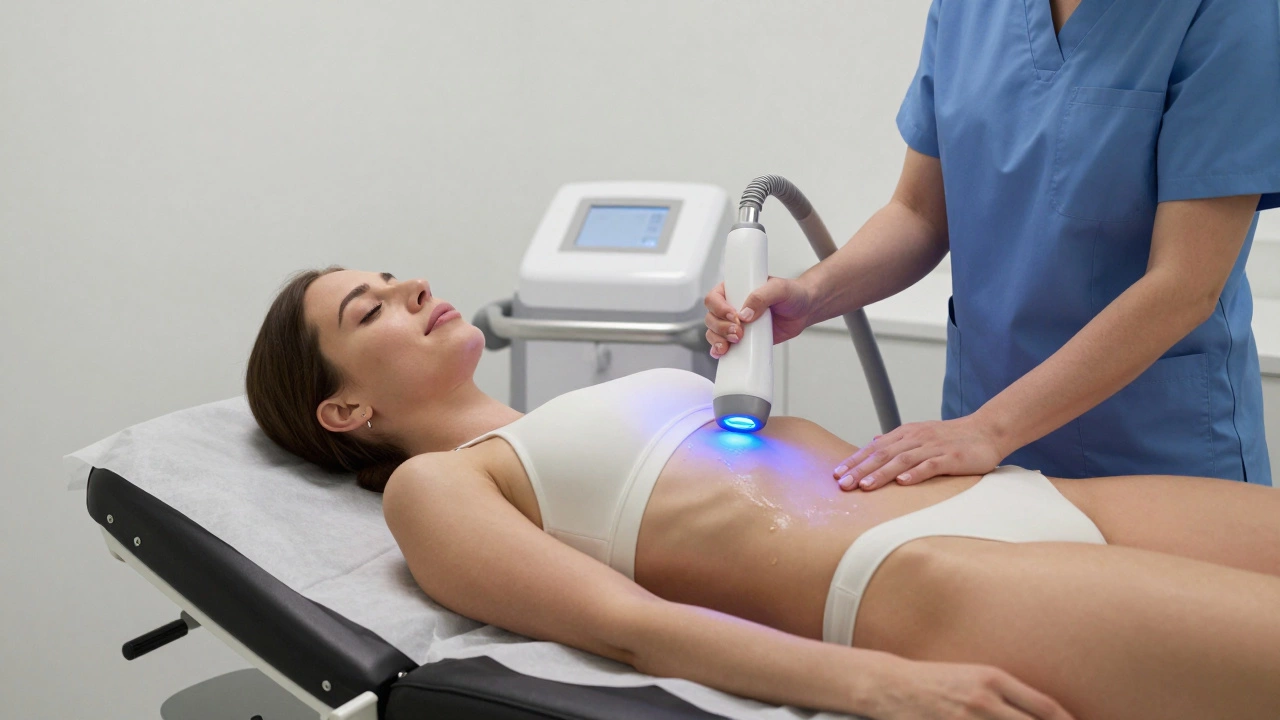
Should I Get Laser Hair Removal on My Pubic Area?
Laser pubic hair removal offers long-term hair reduction, fewer ingrowns, and less grooming. Learn how it works, costs in New Zealand, risks, and whether it's right for you.