Laser Pubic Hair Removal: What It Is, Who It's For, and What You Really Need to Know
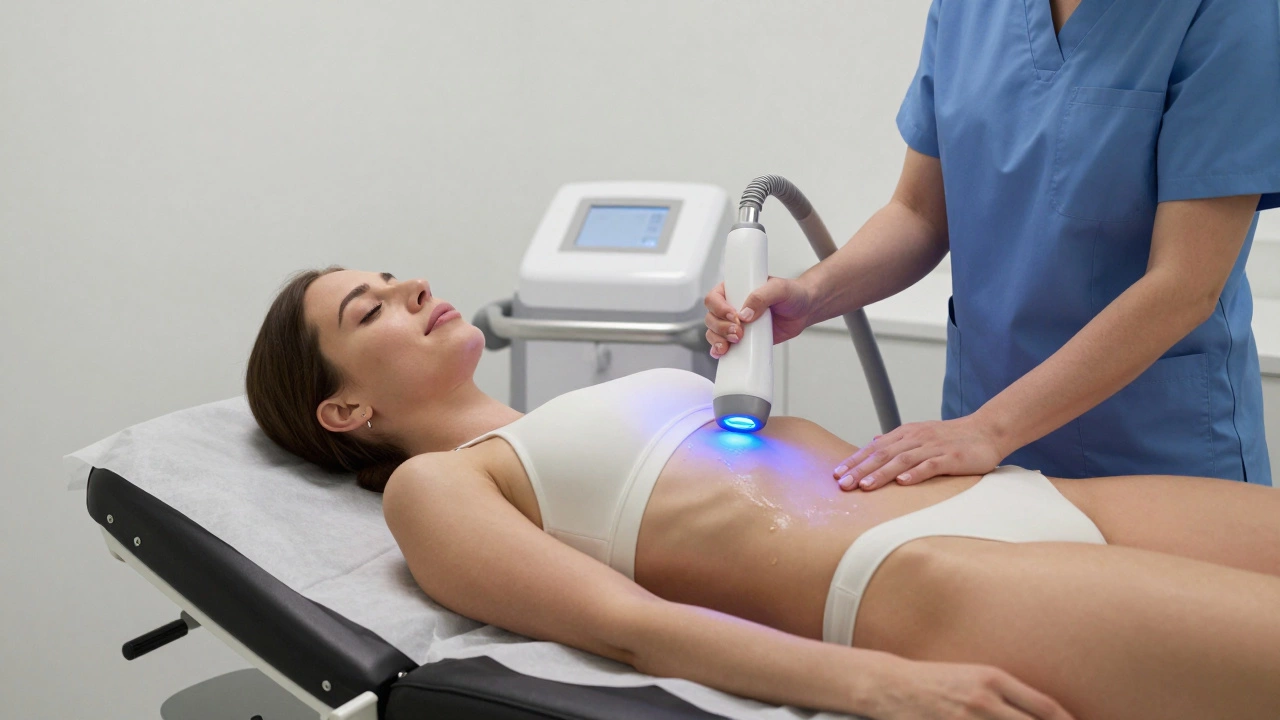
When you think about laser pubic hair removal, a medical cosmetic procedure that uses targeted light to destroy hair follicles in the bikini area. Also known as bikini laser hair removal, it’s one of the most popular long-term solutions for unwanted body hair—especially for people who want to skip the weekly shave or painful waxing. Unlike temporary methods, this isn’t about masking the problem. It’s about reducing growth over time, with many users seeing 70–90% less hair after a full course of treatments.
It works best on people with dark hair and light skin because the laser targets melanin—the pigment in hair. But modern devices have improved, making it safer and more effective for a wider range of skin tones than before. Still, it’s not magic. It doesn’t work well on blonde, gray, or fine hair. And it’s not a one-and-done deal. Most people need 6–8 sessions spaced 4–8 weeks apart to hit the hair’s growth cycle. You’ll notice hair falling out gradually after each session, not instantly.
People often confuse this with permanent hair reduction, the official term used by the FDA to describe what laser treatments actually achieve. It’s not permanent removal—no method is. But it’s close enough that many users go months, even years, without needing touch-ups. The key is consistency. Skipping sessions or rushing the timeline reduces results. And while it’s mostly safe, side effects like redness, swelling, or rare burns can happen if done by an untrained technician.
It’s also not just about looks. Many choose it for comfort—no more ingrown hairs, razor burn, or itching after a swim. Athletes, dancers, and people with sensitive skin often swear by it. But it’s expensive. A full package can cost hundreds to over a thousand pounds in the UK, depending on the clinic and area treated. That’s why some start with a single session to test how their skin reacts.
What you won’t find in most ads is how much aftercare matters. Sun exposure before or after treatment can cause burns or discoloration. You’re told to avoid tanning, hot baths, and tight clothing for a few days. And yes, you still need to shave between sessions—just don’t wax or pluck, or you’ll remove the very thing the laser needs to target.
If you’re considering it, ask about the device they use. Candela, Alexandrite, and Diode lasers are the most common—and some are better suited for sensitive areas than others. Don’t be afraid to ask for a patch test. That’s your chance to see how your skin responds before committing.
There’s a lot of noise out there. Some influencers act like it’s effortless. Others scare you with horror stories. The truth? It’s a personal choice. For some, it’s life-changing. For others, it’s not worth the cost or time. But if you’ve tried everything else and still hate the upkeep, this might be the closest thing to a real solution.
Below, you’ll find real reviews, expert breakdowns, and honest takes on what works—and what doesn’t—when it comes to laser hair removal in sensitive areas. No fluff. Just what you need to decide if it’s right for you.
Should I Get Laser Hair Removal on My Pubic Area?
Laser pubic hair removal offers long-term hair reduction, fewer ingrowns, and less grooming. Learn how it works, costs in New Zealand, risks, and whether it's right for you.