Organic Skincare Risk Analyzer
Product Profile
Configure the product details on the left and click Analyze Risks to see a breakdown of potential negative effects.
We often assume that if a product is labeled "organic" or "natural," it must be safe. We picture green pastures, gentle botanicals, and nothing toxic in sight. But here is the hard truth: nature is powerful, and sometimes, it is aggressive. Your skin can react violently to an organic cream is a topical skincare product made primarily from plant-derived ingredients grown without synthetic pesticides or fertilizers. just as easily as it reacts to a chemical-heavy drugstore brand. In fact, because organic formulations often skip certain preservatives, they might carry their own unique set of risks.
If you are switching to clean beauty, you need to know what you are getting into. It is not just about avoiding parabens; it is about understanding how concentrated plant extracts, essential oils, and weaker preservation systems interact with your specific biology. Let’s look at the real negative effects of organic creams so you can make smarter choices for your skin barrier.
The Myth of Hypoallergenic Naturals
The biggest misconception in the beauty world is that natural equals hypoallergenic. This is simply false. Plants produce compounds called phytochemicals to defend themselves against insects, fungi, and UV radiation. When you rub these defense mechanisms onto your face, your immune system might see them as threats.
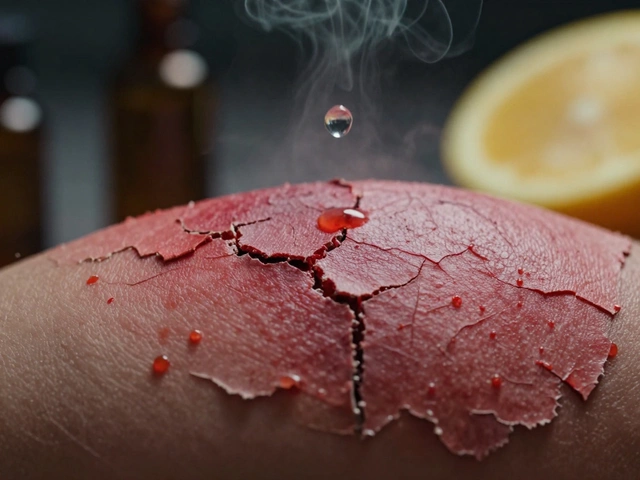
Take essential oils, a staple in many organic skincare is the practice of using cosmetics derived from naturally sourced, biodegradable, and non-synthetic ingredients. lines. Lavender, tea tree, and citrus oils smell amazing, but they are among the most common causes of contact dermatitis. A study published in the *Journal of the American Academy of Dermatology* found that fragrance sensitivity is a leading cause of allergic reactions, and natural fragrances are just as potent triggers as synthetic ones. If you have sensitive skin, an organic cream loaded with rosemary or peppermint oil could leave you with redness, itching, and swelling.
Then there are fruit enzymes. Papain (from papaya) and bromelain (from pineapple) are popular exfoliants in natural masks. While effective, they are highly unstable and can cause chemical burns if left on too long or if the concentration is too high. Unlike synthetic acids like glycolic acid, which have precise pH levels and molecular sizes, natural enzymes vary batch by batch. One jar might be mild; the next might strip your moisture barrier completely.
The Preservation Problem: Bacteria in Your Jar
This is the most overlooked risk of organic creams. To keep a product "clean" and free from synthetic preservatives like phenoxyethanol or methylisothiazolinone, brands often rely on natural alternatives. These include grapefruit seed extract, vitamin E (tocopherol), rosemary extract, or even alcohol.
Here is the issue: these natural preservatives are weak. They do not kill bacteria as effectively as synthetic options. If an organic cream contains water (which most do), it becomes a breeding ground for mold and bacteria once opened. Without strong broad-spectrum preservatives, your jar of expensive night cream could harbor microbial growth within weeks, especially if you dip your fingers into it regularly.
Using a contaminated product leads to breakouts, fungal acne (malassezia folliculitis), and even secondary infections. Many organic brands try to solve this by using airless pumps or recommending refrigeration, but consumer behavior rarely follows instructions perfectly. Always check the expiration date and the period-after-opening symbol (the little open jar icon with a number inside). If an organic cream claims to last two years after opening without strong preservatives, be skeptical.
Photosensitivity: Sun Damage from Natural Ingredients
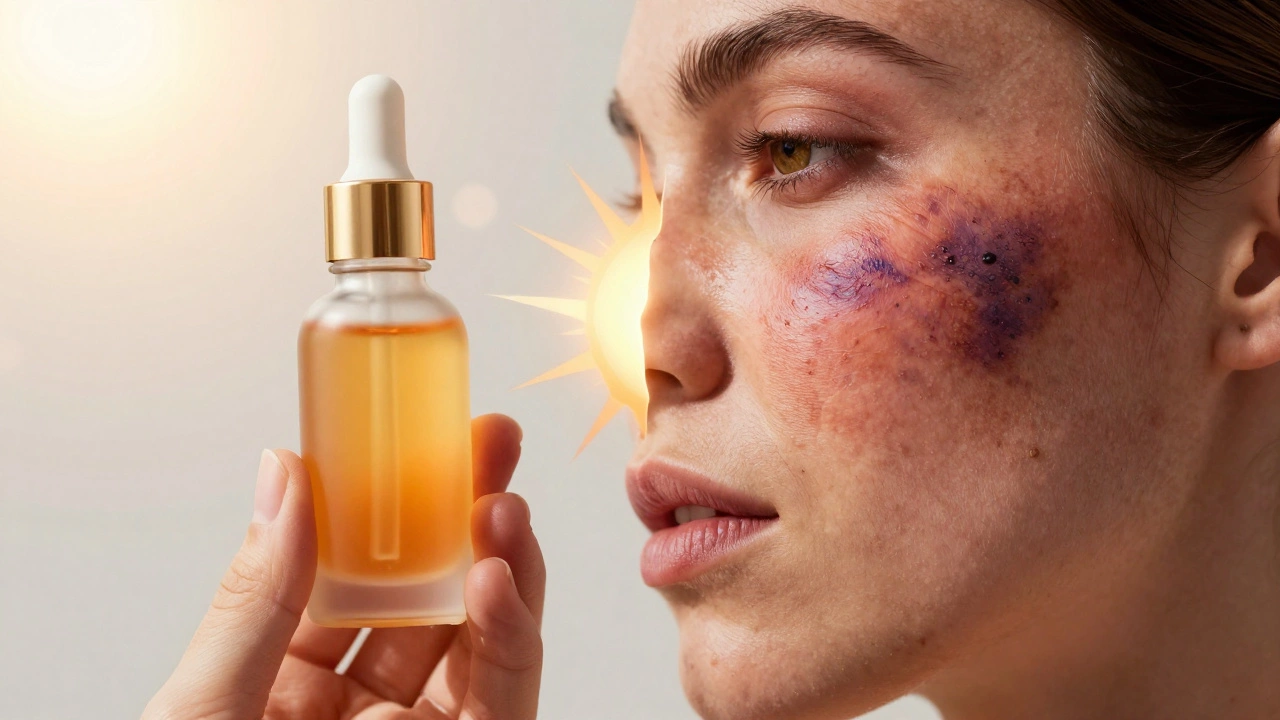
Some organic ingredients make your skin more sensitive to sunlight. This condition is known as photosensitivity. The most notorious culprit is bergamot oil, commonly found in citrus-based organic blends. Bergapten, a compound in bergamot, reacts with UV light to cause phytophotodermatitis-a painful burn that looks like blisters and leaves dark hyperpigmentation scars that can last for months.
Lemon, lime, and grapefruit oils also contain furocoumarins that increase sun sensitivity. If you apply an organic toner or serum containing these extracts during the day and forget to wear sunscreen, you are essentially inviting damage. Synthetic sunscreens block UV rays consistently, but many organic sunscreens rely solely on zinc oxide or titanium dioxide. While physical blockers are great, some organic formulas use lower concentrations to avoid the white cast, leaving gaps in protection. Never assume an organic moisturizer offers enough SPF unless it is explicitly tested and labeled with a broad-spectrum rating.

Greenwashing and Label Confusion
You cannot trust the word "organic" on a front label alone. In many countries, including the United States and parts of Europe, the term "natural" is unregulated. A company can slap "100% Natural" on a bottle even if only 1% of the ingredients are plant-derived. This is called greenwashing.
To verify true organic status, look for third-party certifications. In the US, the USDA Organic seal means at least 95% of the agricultural ingredients are organically grown. In Europe, COSMOS Organic is the gold standard. In New Zealand, where I live, we look for certifications like BioGro. Without these seals, you are buying marketing, not quality. Some brands use synthetic emulsifiers or stabilizers to make the texture feel luxurious, then hide them deep in the ingredient list under complex names. Reading the INCI (International Nomenclature of Cosmetic Ingredients) list is non-negotiable if you want to avoid hidden synthetics.
Performance Gaps and Texture Issues
Let’s be honest: organic creams often perform differently than their conventional counterparts. Synthetic polymers provide smooth spreadability, quick absorption, and long-lasting hydration. Natural waxes like beeswax or shea butter can feel heavy, greasy, or occlusive. For people with oily or acne-prone skin, a thick organic balm might clog pores, leading to comedones (blackheads and whiteheads).
Furthermore, active ingredients in organic products are less stable. Vitamin C, for example, oxidizes rapidly when exposed to air and light. Synthetic L-ascorbic acid is potent but irritating; organic brands often use derivatives like sodium ascorbyl phosphate or fruit extracts rich in vitamin C. These are gentler but significantly less effective at brightening skin or boosting collagen production. If you are using organic skincare for anti-aging purposes, you might find that results take much longer, or may not appear at all, compared to retinoids or peptides used in clinical skincare.
| Factor | Organic Creams | Conventional Creams |
|---|---|---|
| Allergy Risk | High (essential oils, plant proteins) | Moderate (synthetic fragrances, preservatives) |
| Preservation | Weaker; higher risk of bacterial growth | Strong; low risk of contamination |
| Sun Sensitivity | Possible (citrus oils, bergamot) | Rare (unless specified) |
| Texture | Often heavier, slower absorption | Lighter, faster absorption |
| Regulation | Varies; "Natural" is unregulated | Strictly regulated by FDA/EU standards |
How to Use Organic Creams Safely
Does this mean you should avoid organic skincare entirely? No. It means you should approach it with caution and knowledge. Here is how to minimize the negative effects:
- Always Patch Test: Apply a small amount of the product behind your ear or on your inner arm. Wait 24 to 48 hours. If you see redness, itching, or bumps, do not put it on your face. This is crucial for organic products due to variable plant potency.
- Avoid High-Risk Ingredients: If you have sensitive skin, steer clear of products containing lavender, citrus oils, mint, or eucalyptus. Look for "fragrance-free" organic options, even if they lack scent appeal.
- Check Packaging: Choose tubes or airless pumps over jars. Jars require dipping fingers, introducing bacteria. Airless packaging protects the formula from oxidation and contamination.
- Store Properly: Keep organic products in a cool, dark place. Heat and light degrade natural antioxidants quickly. Some brands recommend refrigeration; follow those instructions strictly.
- Verify Certifications: Only buy from brands with recognized organic certifications (USDA, COSMOS, Ecocert). Ignore vague terms like "botanical" or "green."
- Layer with Caution: Do not mix multiple active organic ingredients (like AHAs from fruits and retinol alternatives like bakuchiol) in one routine. Start slowly, introducing one new product every two weeks.
When to See a Dermatologist
If you experience persistent redness, stinging, oozing, or severe breakouts after using an organic cream, stop immediately. Wash your face with a gentle cleanser and apply a plain, fragrance-free moisturizer. If symptoms do not improve within a few days, consult a dermatologist. Allergic contact dermatitis can worsen over time with repeated exposure, leading to chronic skin issues. Do not try to "push through" irritation thinking your skin is just adjusting. True adjustment periods are rare and usually involve mild dryness, not pain or inflammation.
Can organic creams cause acne?
Yes. Many organic creams use natural oils like coconut oil, cocoa butter, or wheat germ oil, which are highly comedogenic (pore-clogging). If you have acne-prone skin, these ingredients can trigger breakouts. Always check the comedogenic rating of the main oils in the product.
Are organic preservatives safe?
They are generally safe for human consumption but less effective at preventing microbial growth in skincare. Products with weak natural preservatives may spoil faster, leading to bacterial contamination that can irritate the skin. Look for products with robust natural preservation systems like ethylhexylglycerin combined with radish root ferment.
Why does my organic cream smell weird?
A sour, rancid, or fermented smell indicates the product has gone bad. Natural oils oxidize over time. If your cream smells off, discard it immediately. Using expired or spoiled organic skincare can lead to infections and severe irritation.
Is "natural" the same as "organic"?
No. "Natural" is an unregulated marketing term. "Organic" refers to how the ingredients were grown (without synthetic pesticides) and usually requires certification. A product can be natural but still contain harmful allergens or contaminants if not properly sourced.
Can I use organic skincare if I have eczema?
Proceed with extreme caution. Many organic ingredients, including essential oils and plant extracts, are common triggers for eczema flares. Consult your dermatologist before trying any new organic product. Stick to simple, fragrance-free formulations with minimal ingredients.