Hair Care Routine Builder
Select your hair type and current concerns to see the optimal product application order.
Recommended Sequence
You’re standing in the shower, water hitting your scalp, and suddenly you freeze. Do I wash first? Condition second? Wait, does that mask go on before or after the detangler? It’s a surprisingly common panic, even for people who’ve been washing their hair for decades. The confusion isn’t just about vanity; it’s about chemistry. Put a hair care routine product in the wrong slot, and you might as well be rinsing money down the drain.
The truth is, there isn’t one universal law etched in stone. Your hair type-whether it’s fine and oily or thick and curly-dictates the flow. But there is a logical baseline that works for 90% of people. Get this foundation right, and you’ll stop fighting frizz, breakage, and dullness. Let’s walk through the actual order, why it matters, and where you can safely break the rules.
The Core Principle: Clean Slate First
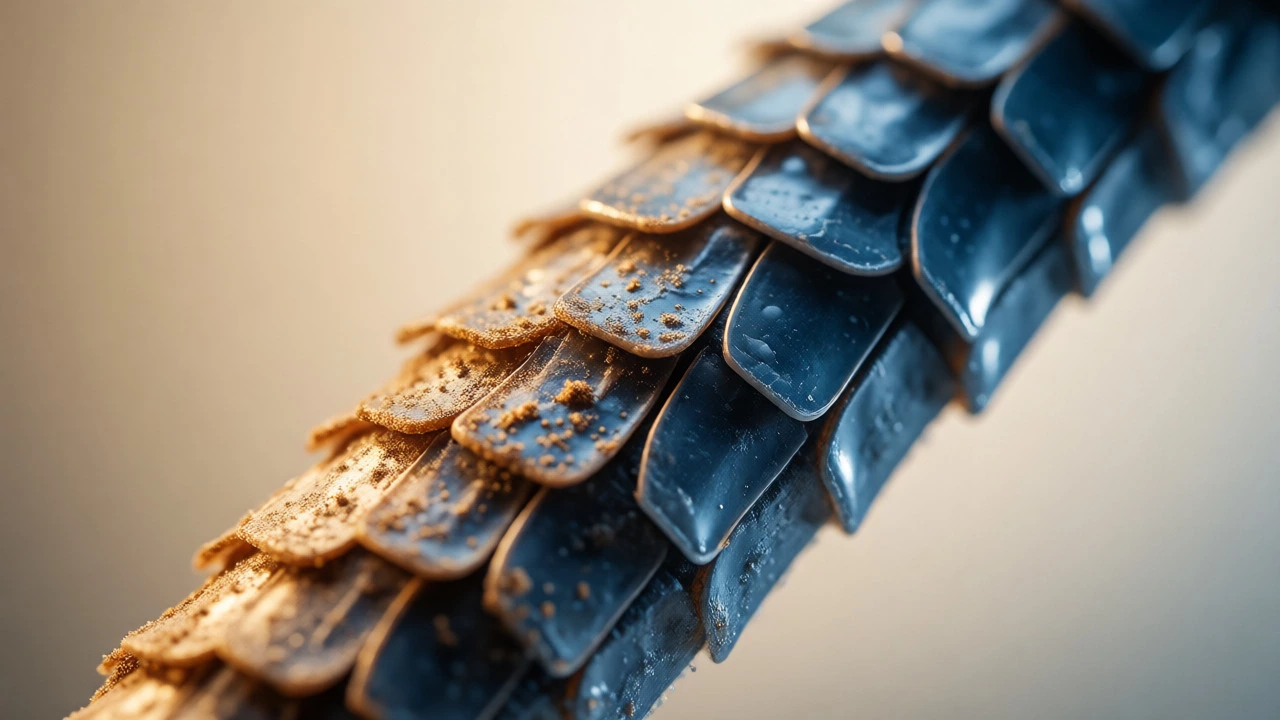
Think of your hair shaft like a roof shingle. Underneath those overlapping cuticles sits the cortex, which holds moisture and strength. If you try to apply treatment products over dirt, oil, and styling buildup, they sit on top. They don’t penetrate. That’s why the golden rule of any effective regimen is simple: cleanse before you treat.
This seems obvious, but many people skip a thorough cleanse because they’re afraid of stripping natural oils. Here’s the reality: if your scalp has sebum (natural oil) and pollution particles coating it, your expensive hydrating mask cannot reach the hair strand. You need a clean canvas. This doesn’t mean scrubbing with harsh sulfates every day, but it does mean ensuring the surface is free of debris before introducing active ingredients.
Shampoo is a cleansing agent designed to remove oil, sweat, and product buildup from the scalp and hair shaft. Its primary job is to lift away grime so subsequent products can work effectively.
The Standard Sequence for Most Hair Types
If you have normal to dry hair, here is the step-by-step order that minimizes damage and maximizes absorption. Don’t rush these steps. The timing between them matters as much as the order.
- Pre-Wash Oil Treatment (Optional): Apply coconut, argan, or jojoba oil to dry hair 30 minutes to an hour before showering. This protects the protein structure during washing.
- Shampoo: Focus on the scalp, not the ends. Massage gently for 60 seconds. Rinse thoroughly.
- Conditioner: Apply from mid-lengths to ends. Avoid the roots unless you have extremely coarse hair. Leave for 2-3 minutes.
- Rinse with Cool Water: This helps flatten the cuticle layer, sealing in moisture and adding shine.
- Towel Dry Gently: Squeeze, don’t rub. Rubbing causes friction and breakage.
- Leave-In Conditioner/Detangler: Apply to damp hair to prevent tangling and protect against heat.
- Styling Product: Add mousse, gel, or cream based on your desired hold and texture.
Why this order? Shampoo opens the cuticle slightly to clean. Conditioner then smooths it back down. If you reverse them, the shampoo strips away the conditioning agents before they can fully bond. It’s inefficient and leaves hair feeling rough.
When to Break the Rules: Curly and Coily Hair
If your hair is tightly coiled or highly textured, the standard order often fails. Curly hair tends to be drier because natural oils from the scalp struggle to travel down the spiral shaft. For these types, a technique called "Co-Washing" or "Conditioner-First" washing is popular.
In this method, you apply conditioner before shampoo. Why? The conditioner coats the hair strands, protecting them from the potentially drying effects of shampoo. You then shampoo only the scalp. When you rinse, the shampoo lifts the conditioner off the lengths while cleaning the roots. This leaves the ends softer and less tangled.
| Hair Type | Recommended Order | Key Benefit |
|---|---|---|
| Fine/Straight | Shampoo → Conditioner | Prevents weighing hair down; adds volume |
| Wavy | Shampoo → Conditioner → Leave-in | Balances hydration without greasiness |
| Curly/Coily | Conditioner → Shampoo → Deep Condition | Protects fragile ends; reduces tangles |
| Damaged/Bleached | Pre-Oil → Shampoo → Protein Mask → Moisture Mask | Strengthens bonds; restores elasticity |
Where Masks and Treatments Fit In
Deep conditioning masks are heavy hitters. They contain larger molecules meant to penetrate deeply. Because of this, they require specific placement in your routine.
Protein Masks: Use these on freshly cleansed hair. Apply after shampooing, before regular conditioner. Rinse thoroughly. Using protein on dirty hair is wasteful; it won’t stick. Overusing protein can make hair brittle, so limit this to once every two weeks.
Moisture Masks: These can be used similarly to protein masks but are generally gentler. Some people prefer using a moisture mask after conditioner to seal everything in. If you do this, ensure you rinse with cool water to lock the moisture inside the shaft.
A common mistake is leaving a mask on too long. Most formulas are designed for 5-10 minutes. Leaving them on overnight rarely provides extra benefit and can sometimes lead to hygral fatigue-a condition where hair swells excessively and weakens.
Oiling: Before, During, or After?
Hair oil is versatile, but its position changes its function entirely. There are three distinct ways to use oil, each serving a different purpose.
- Pre-Poo (Before Wash): Applying oil to dry hair before shampooing acts as a shield. It prevents the shampoo from stripping too much natural lipid from the hair. This is ideal for high-porosity hair that absorbs water quickly but loses it just as fast.
- Mid-Routine (During Wash): Some people mix a few drops of oil into their conditioner. This boosts slip, making detangling easier. However, this can reduce the effectiveness of the conditioner’s emulsifiers, so use sparingly.
- Post-Styling (After Drying): Applying oil to dry or nearly dry hair seals the cuticle. This fights frizz and adds shine. It’s the finishing touch, not the base layer.
If you have fine hair, avoid putting oil on the roots during styling. It will look flat and greasy within hours. Stick to the ends.

Heat Protection and Styling Products
Once your hair is clean and conditioned, how you dry and style it determines the final health of your strands. Heat protectants are non-negotiable if you use blow dryers, straighteners, or curling irons.
Apply heat protectant to damp hair, not wet hair. Wet hair conducts heat differently than damp hair, leading to uneven drying and potential "bubble hair" (where water boils inside the shaft). Once applied, proceed with blow-drying. If you use hot tools afterward, reapply a light serum or spray to dry hair for extra protection.
Styling creams and gels should go on last, after heat protection. If you put gel under heat, it can harden and crack when you brush it out later. Always let heat-styled hair cool completely before brushing to set the shape.
Common Mistakes That Ruin Your Routine
Even with the right order, small habits can sabotage your results. Here are the biggest culprits:
- Skipping Clarifying: Every 4-6 weeks, use a clarifying shampoo to remove silicone and mineral buildup. Regular shampoos often can’t handle this accumulation, leading to dull, lifeless hair.
- Applying Conditioner to Roots: Unless you have very coarse, afro-textured hair, keep conditioner off the scalp. It clogs follicles and causes flatness.
- Brushing Wet Hair Aggressively: Hair is weakest when wet. Use a wide-tooth comb or a flexible detangler brush, starting from the ends and working up.
- Using Too Much Product: More isn’t better. Start with a dime-sized amount of leave-in and add more if needed. Overloading leads to crunchiness and buildup.
Building Your Personalized Schedule
Your routine shouldn’t be static. Adjust based on your environment and hair needs. Living in Wellington, for example, means dealing with high humidity and wind. On humid days, you might need stronger anti-humidity sprays in your styling step. On dry winter days, you might lean heavier on pre-wash oils.
Try this experiment for two weeks: follow the standard order strictly. Note how your hair feels on day 1 versus day 3. Then, tweak one variable-like moving your mask to a different day or changing your oil application time. Keep what works. Discard what doesn’t. Hair care is personal, but logic beats guesswork every time.
Should I always use conditioner after shampoo?
For most hair types, yes. Shampoo cleanses and can strip natural oils, while conditioner replenishes moisture and smooths the cuticle. However, if you have very oily hair, you might skip conditioner on some days or use a lightweight rinse-out conditioner only on the ends.
Can I use a hair mask instead of conditioner?
You can, but not necessarily every time. Masks are concentrated treatments usually intended for weekly use. Using them daily can lead to protein overload or excessive softness depending on the formula. Alternate between regular conditioner and deep masks.
Does applying oil before shampoo really help?
Yes, especially for dry or damaged hair. Known as "pre-poo," this method creates a barrier that prevents shampoo from stripping too much moisture. It also makes detangling easier during the wash process.
What happens if I put leave-in conditioner on dry hair?
It can still work, but it may not distribute evenly. Damp hair allows the product to spread smoothly along the shaft. On dry hair, you risk patchy application or buildup. If you must refresh dry hair, mix the leave-in with a little water in your palms first.
How often should I clarify my hair?
Every 4 to 6 weeks is a good rule of thumb. If you use many styling products, live in a hard water area, or swim frequently, you might need to clarify every 2 weeks. Over-clarifying can dry out hair, so monitor your scalp’s response.