Find Your Perfect Makeup Brand
Answer three simple questions to discover which top makeup brand aligns best with your needs in 2026.
Your Top Recommendation
You’re standing in the aisle, staring at a wall of foundations. One bottle costs $15, another costs $85. Both promise "flawless coverage." So, which one actually works? And more importantly, why is everyone talking about the expensive one?
It’s easy to get lost in the noise of influencer hauls and TikTok trends. But when you strip away the hype, the most popular makeup brands aren’t just winning because of clever marketing. They win because they solve specific problems better than the competition. Whether you need a foundation that survives a Wellington windstorm or a mascara that doesn’t flake by lunchtime, there’s a brand built for that exact job.
This guide cuts through the clutter. We’re looking at the data from 2026, analyzing sales figures, user reviews, and ingredient lists to tell you exactly who is leading the pack right now. No fluff, just the facts on what’s worth your money.
The Current Landscape of Beauty Giants
If you look at global revenue and social media mentions, three names dominate the conversation: L’Oréal Paris, Maybelline New York, and MAC Cosmetics. These aren’t new players; they are titans. But their dominance isn’t accidental. It’s a mix of accessibility, consistent quality, and smart innovation.
L’Oréal Paris is the world's largest cosmetics company by revenue, known for bridging the gap between high-end science and everyday affordability. Their strategy is simple: take lab-tested ingredients usually found in luxury skincare and put them into accessible packaging. When they launched their True Match foundation years ago, it changed how people thought about shade ranges. Today, their Infallible line remains a top seller because it offers 24-hour wear without feeling like cement.
Then there’s Maybelline New York, which specializes in mass-market makeup with a focus on durability and viral product launches. If you’ve ever seen a mascara go viral overnight, chances are it was Maybelline’s Lash Sensational Sky High. They understand that most people don’t want a complicated routine. They want one product that does ten things well.
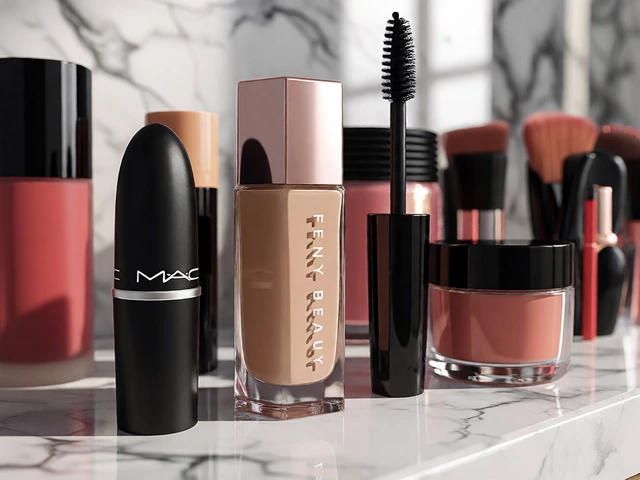
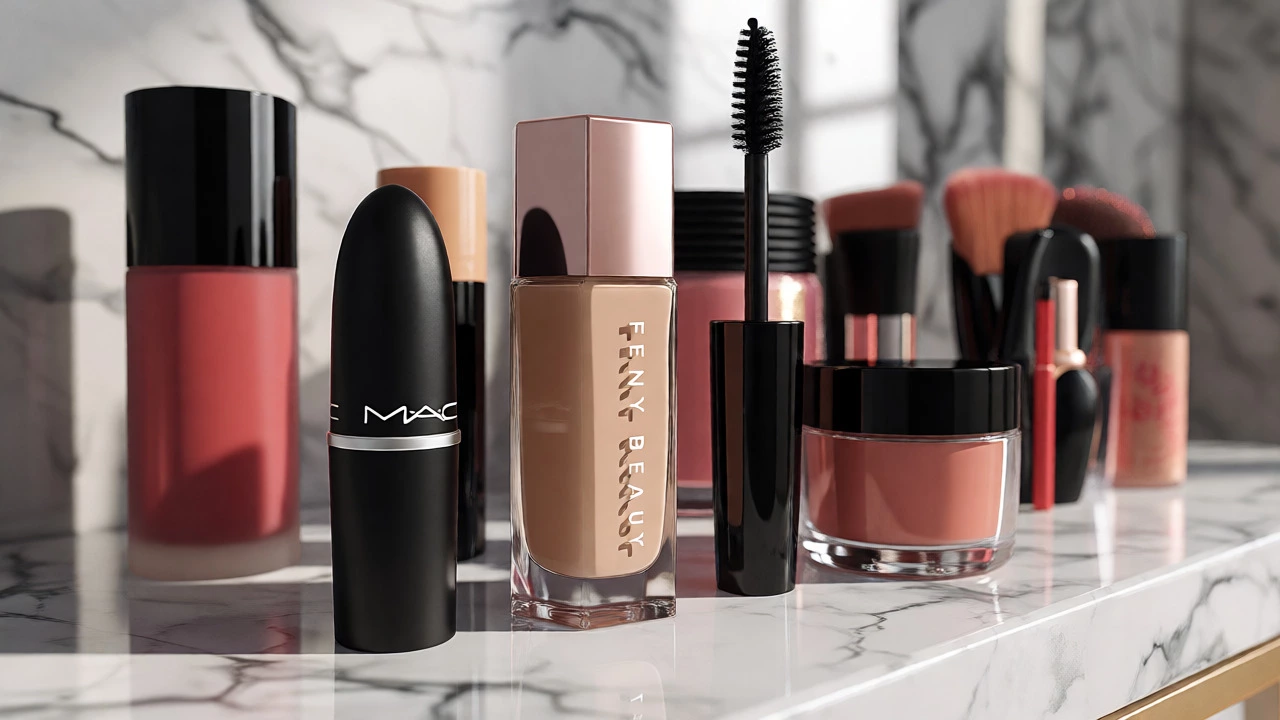
On the other end of the spectrum sits MAC Cosmetics, a professional-grade makeup brand favored by artists for its extensive color range and matte finishes. While L’Oréal targets the supermarket shopper, MAC targets the person who wants to feel like a pro. Their lipstick shades alone number in the hundreds, making them the go-to for anyone who needs a specific red or nude that matches their skin tone perfectly.
Luxury vs. Drugstore: Where Does Your Money Go?
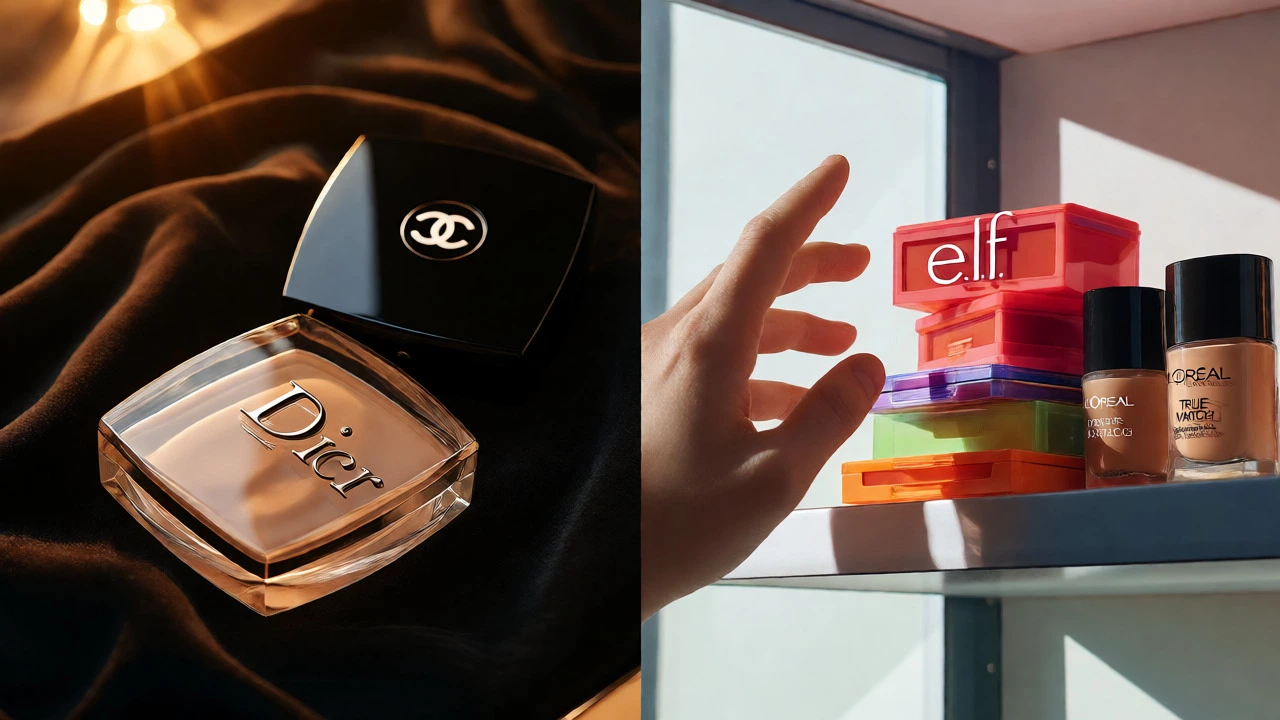
Here is the question that keeps beauty editors up at night: Is that $60 Chanel powder actually better than the $15 Elf powder? The answer depends entirely on what you value.
Luxury brands like Chanel and Dior sell an experience. You’re paying for elegant packaging, a subtle scent, and a formula that feels lightweight on the skin. For example, Chanel’s Les Beiges Healthy Glow Foundation is famous for its sheer, natural finish. It doesn’t cover everything, but it makes your skin look healthy. That’s a specific aesthetic choice.
Drugstore brands have caught up significantly in formulation technology. Ten years ago, drugstore eyeshadows were chalky. Today, brands like e.l.f. Cosmetics offer pigments that rival high-end palettes at a fraction of the cost. e.l.f.’s Bite Size Eyeshadows became a global phenomenon because they proved you could get vibrant, blendable colors for under $5 per palette. The difference now is often less about performance and more about texture and longevity.
| Brand | Best For | Average Price Point | Key Strength |
|---|---|---|---|
| L’Oréal Paris | All-around daily wear | $ (Low) | Wide shade range & tech-infused formulas |
| Maybelline | Mascara & bold looks | $ (Low) | Viral hits & extreme durability |
| MAC | Lips & professional artistry | $$ (Mid) | Huge color library & matte textures |
| Fenty Beauty | Inclusive shade ranges | $$ (Mid) | Global diversity in foundation tones |
| Charlotte Tilbury | Quick glam & skincare hybrids | $$$ (High) | "Pillow Talk" branding & multi-use sticks |
| e.l.f. Cosmetics | Budget experimentation | $ (Very Low) | Cruelty-free & rapid trend adaptation |
The Rise of Inclusivity and Clean Beauty
If there’s one thing that has shifted the popularity rankings in the last five years, it’s inclusivity. Before Rihanna launched Fenty Beauty, many brands offered only 30-40 foundation shades. Fenty debuted with 40, then expanded to over 50, specifically catering to deep skin tones that had been ignored for decades. This wasn’t just a nice gesture; it was a business masterstroke. People finally felt seen, and they bought out the shelves.
Today, if a brand doesn’t have a diverse shade range, it’s considered outdated. Even heritage brands like Estée Lauder have revamped their lines to compete. But inclusivity isn’t just about color. It’s also about ethics.
ILIA Beauty represents the growing demand for clean beauty products that combine non-toxic ingredients with high-performance pigments. Consumers in 2026 are reading labels more than ever. They want to know what’s inside the tube. ILIA succeeded by proving that "natural" doesn’t mean "weak." Their Super Serum Skin Tint SPF 40 is a cult favorite because it acts as skincare, sunscreen, and light coverage all in one.
Similarly, Tarte Cosmetics has maintained its popularity by focusing on high-pigment, vegan formulas with playful, nature-inspired branding. Their Shape Tape concealer is arguably the most reviewed concealer online, largely because it delivers full coverage without caking, appealing to those who prefer a flawless, airbrushed look.
How to Choose the Right Brand for You
Don’t just buy what’s trending. Buy what fits your life. Here is a quick decision tree to help you narrow down the field:
- Do you have oily skin? Look at Smashbox or Estée Lauder Double Wear. These brands specialize in long-wear, oil-controlling formulas that hold up in heat and humidity.
- Do you prefer a natural, no-makeup look? Try Glossier or Rare Beauty. Glossier’s Boy Brow and Cloud Paint are designed to enhance features rather than mask them. Rare Beauty’s Soft Pinch Liquid Blush is so pigmented you need only a dot, making it perfect for minimalists.
- Are you on a tight budget? Stick with e.l.f. or CoverGirl. You can build a full kit-foundation, mascara, blush, lips-for under $50 total. The quality has improved dramatically, so you won’t notice a drop in performance for daily wear.
- Do you want professional results at home? Invest in NARS or Bobbi Brown. NARS is renowned for its blushes and concealers that mimic the finish used by editorial makeup artists. Bobbi Brown focuses on neutral, wearable tones that work across different skin types.
Remember, the "best" brand is the one you’ll actually use every day. A $100 lipstick you never wear is worse than a $10 lipstick you love.
Emerging Trends for 2026
The market is constantly evolving. Currently, we’re seeing a surge in "skinification" of makeup. This means makeup products are increasingly formulated with skincare ingredients like hyaluronic acid, niacinamide, and peptides. Brands like Westman Atelier lead this niche, offering luxury clean beauty products made with organic, traceable ingredients. Their foundation bars are popular among eco-conscious consumers who want zero waste and high efficacy.
Another trend is the rise of K-beauty influences in Western markets. While Korean brands like Laneige and Innisfree have always been popular for skincare, their makeup lines are gaining traction for their dewy, youthful finishes. Western brands are responding by releasing more hydrating foundations and glossy lip products to match this aesthetic.
Which makeup brand has the best foundation?
There is no single "best," but Fenty Beauty Pro Filt'r Soft Matte Longwear Foundation is widely considered the top choice for its inclusive shade range and matte finish. For dry skin, Giorgio Armani Luminous Silk Foundation is often cited as the gold standard for a natural, radiant glow. Budget-wise, L'Oréal True Match remains the most recommended affordable option due to its widespread availability and reliable formula.
Is expensive makeup really better than drugstore makeup?
Not necessarily. In terms of pigment and basic function, drugstore brands like e.l.f. and Maybelline often perform just as well as luxury counterparts. Luxury brands typically charge more for packaging, brand prestige, and specialized skincare ingredients. If you prioritize longevity and specific finish types (like ultra-matte or high-glow), luxury might be worth it. For general daily wear, drugstore options are excellent value.
What are the most popular makeup brands in 2026?
As of 2026, the most popular brands globally include L'Oréal Paris, Maybelline New York, MAC Cosmetics, Fenty Beauty, and Charlotte Tilbury. These brands lead in sales volume and social media engagement. e.l.f. Cosmetics has also surged in popularity due to its aggressive pricing and viral marketing strategies.
Which makeup brands are cruelty-free?
Many major brands are now cruelty-free. e.l.f. Cosmetics, Tarte, Too Faced, and NYX Professional Makeup are all certified cruelty-free. MAC recently updated its policies to allow sales in mainland China without mandatory animal testing, aligning with modern ethical standards. Always check for the Leaping Bunny or PETA certification logos on packaging to be sure.
How do I find my correct foundation shade?
Test shades on your jawline, not your hand, in natural daylight. Wait 5 minutes for the formula to oxidize before deciding. If you can't visit a store, order samples from brands like Fenty Beauty or MAC that offer sample kits. Alternatively, use online shade-finding tools provided by websites like Sephora or Ulta, which ask questions about your undertone and skin depth.