Cosmetic vs. Drug Regulator
Analyze a Product Claim
Select the primary function described on the label.
COSMETIC
OTC DRUG
HYBRID
Select the primary function described on the label.
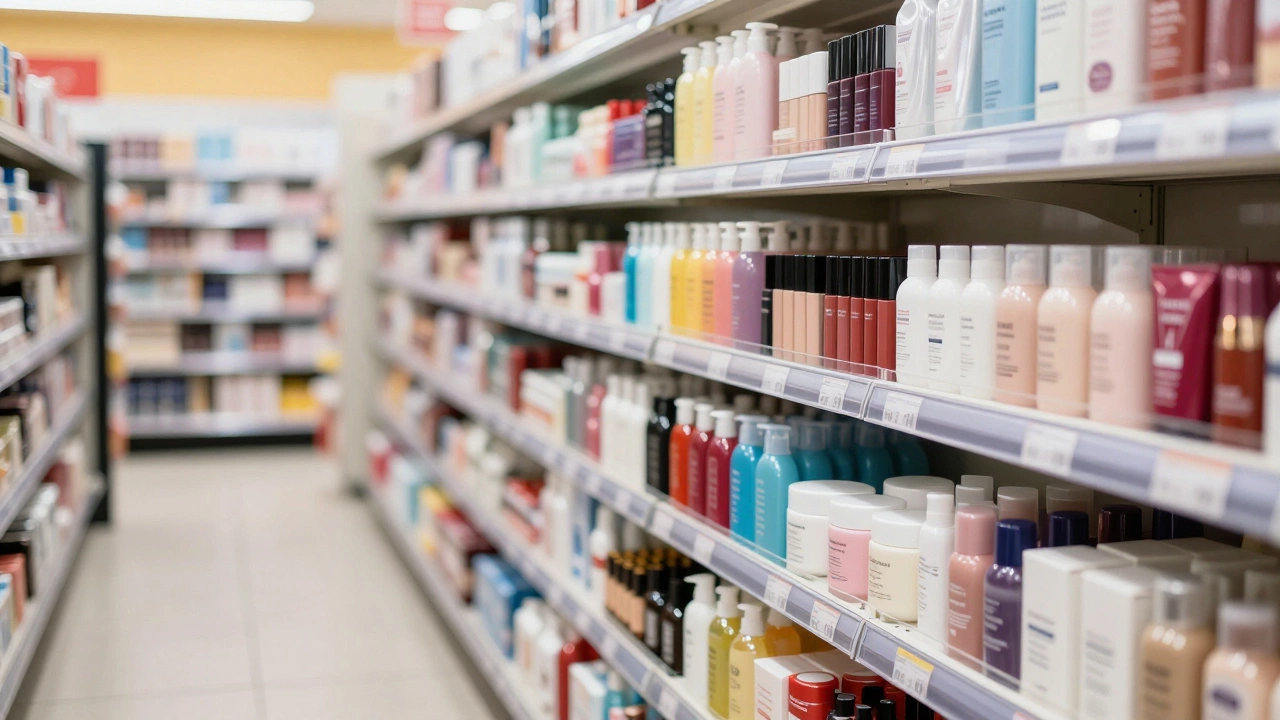
Walking down the aisle at a department store, you might feel overwhelmed by the endless rows of bottles, tubes, and jars. But what exactly separates a moisturizer from a medicine? The answer lies in the definition of cosmetic products. Essentially, these are substances applied to the body for cleaning, beautifying, or altering appearance without changing your internal physiology. Knowing the difference isn’t just academic; it affects how you shop, how you read labels, and what protection you have under the law.
Many people assume anything they put on their skin is a cosmetic, but that’s not always true. If a bottle claims to treat psoriasis or stop acne bacteria dead in its tracks, regulators often classify it differently. Understanding these boundaries helps you make smarter choices for your health and wallet. Let’s break down exactly what qualifies as a cosmetic, the rules that govern them, and how to spot quality in a crowded market.
At its heart, a cosmetic product is defined by its function rather than its ingredients alone. Regulators generally categorize an item based on its intended use. If the goal is to clean, promote attractiveness, change appearance, or correct body odors, it falls under cosmetics. Think of your daily lip balm, face powder, or deodorant spray. These sit on the surface. They don’t penetrate deep enough to alter your body’s structure or functions.
| Feature | Cosmetic | Drug |
|---|---|---|
| Purpose | Cleanse or beautify | Treat, prevent, cure disease |
| Application | Surface level | Systemic absorption allowed |
| Approval | Post-market monitoring | Pre-market approval required |
| Examples | Lipstick, Shampoo | Sunscreen, Antiperspirant |
This distinction matters because the rules for selling these items differ significantly. In markets like the United States, the Food and Drug Administration does not approve cosmetics before they hit the shelves. Instead, manufacturers rely on good manufacturing practices to ensure safety. However, once you claim a treatment for a medical condition, the item becomes an Over-The-Counter Drug, triggering stricter testing requirements and clinical trials.
Confusion often arises with hybrid products. Take an anti-wrinkle cream, for instance. If it promises to “reduce the look of fine lines,” it stays a cosmetic. If it promises to “remove wrinkles” or change skin structure permanently, it veers into drug territory. Always read the label claims carefully, as they dictate the regulatory category.
The universe of beauty goods is vast, but it splits neatly into a few primary buckets. Grouping them helps you navigate brands and understand where your money goes.
Makeup and Color Cosmetics: This group includes items designed to change color temporarily. You see this with lipstick, blush, eyeshadow, and mascara. These products focus on aesthetics. The pigments used here are highly regulated for purity to avoid eye irritation or allergic reactions. When buying heavy-coverage foundation, you’re engaging with a pigment-heavy formula designed to reflect light and mask discoloration.
Skincare: Often called skin toiletries, these include cleansers, moisturizers, and serums. While they overlap with cosmetics, many aim to maintain skin health. Moisturizers hydrate the outer layer using humectants and occlusives. Toners balance pH levels after washing. Even though some actives like retinol exist here, unless the brand makes specific medical claims, it remains in the cosmetic lane.
Fragrances: Perfumes and colognes are purely sensory experiences. They contain a complex mix of volatile oils and alcohol. Because they are sprayed near mucous membranes, allergen disclosure is increasingly strict in regions like the EU.
Hair Care: From shampoos to hair dyes, these products manage cleanliness and style. Hair dye is interesting because permanent coloring involves chemical reactions that alter the hair shaft. Despite this, it is still classified as a cosmetic in most jurisdictions, provided it doesn’t claim to regrow hair lost to alopecia.
Reading an ingredient list can feel like decoding alien language. Manufacturers list components by weight concentration, from highest to lowest. The first few items are the bulk carriers, while later entries are active agents or preservatives. Understanding cosmetic ingredients empowers you to check for sensitivities.
Ingredients fall into two functional groups. Carriers provide texture, slip, or solubility. Examples include water, glycerin, and silicones. Actives are the heroes meant to deliver a result, such as hyaluronic acid for hydration or Vitamin C for brightness. Recently, consumer demand has pushed transparency higher. Brands now disclose sourcing and origin more openly.
Preservatives are a contentious topic. Without them, bacteria grow easily in water-based formulas, causing infections. Parabens, phenoxyethanol, and formaldehyde-releasing agents are common. While fears often circulate online regarding parabens, scientific consensus generally finds them safe at approved concentrations. The real risk comes from unregulated home-made beauty blends lacking proper preservation.
You might travel from Wellington to Paris to New York, yet the products in your bag follow different rulebooks. The EU typically leads with some of the strictest bans on harmful chemicals. Their Cosmetics Regulation prohibits animal testing and lists thousands of restricted substances. The FDA in the US takes a post-market enforcement approach, meaning companies can launch products faster but must report adverse events.
In New Zealand, Medsafe oversees safety, aligning closely with international standards. Importers have the legal duty to ensure goods meet local labeling requirements. If you buy products online globally, remember that something sold legally in one country might be banned elsewhere. Checking for GMP (Good Manufacturing Practice) certification offers a baseline of trust across borders.
Modern consumers aren’t just asking what a product does; they ask how it was made. Terms like “Cruelty-Free,” “Vegan,” and “Clean Beauty” now drive purchasing decisions. Cruelty-free implies no animal testing occurred at any stage. Vegan means no animal-derived ingredients like beeswax or lanolin. However, these labels are often marketing terms rather than legal definitions, unlike USDA Organic standards which require third-party audits.
Packaging waste is another massive concern. Brands are shifting toward refillable containers and glass packaging to reduce plastic footprint. Some innovators are even exploring waterless beauty formats where powders replace creams to save weight and transportation emissions. These shifts matter because environmental impact is becoming part of the overall product definition in the eyes of buyers.
Navigating the counterfeits market is a major issue today. Fake luxury cosmetics flood online marketplaces, often containing lead or mercury. Always purchase from authorized retailers. Check the batch codes on the bottom of the box; legitimate products track these for recalls. Expiration dates also matter. Once opened, a jar of cream becomes susceptible to contamination. Look for the Period After Opening (PAO) symbol, an open jar icon showing how many months the product remains safe to use.
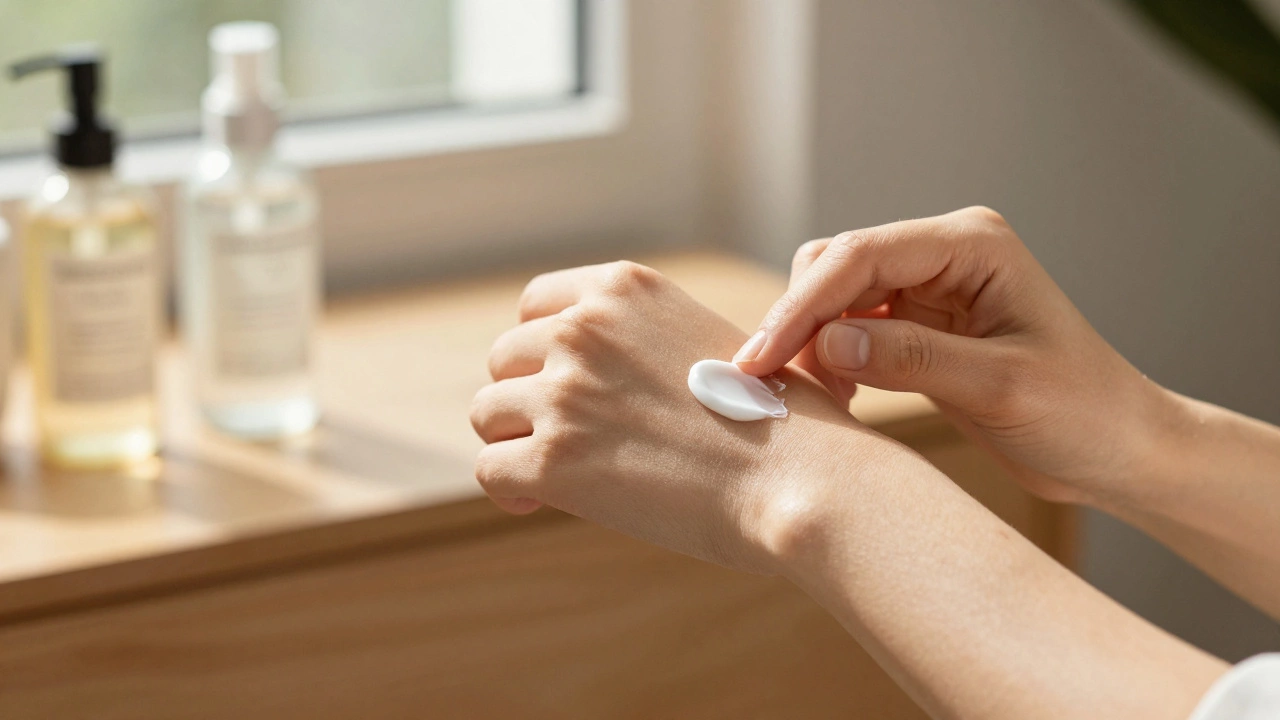
Allergic contact dermatitis is common. Patch testing new products on a small area of your arm before full application can prevent bad reactions. If you notice stinging, redness, or swelling, discontinue immediately. Reactions are often caused by fragrance or essential oils rather than harsh chemicals.
To recap, Cosmetics are defined by their external application for aesthetic purposes. They operate under specific laws distinct from medications, relying heavily on manufacturer responsibility for safety. The sector is split into makeup, skin care, hair, and fragrance. Ingredient literacy helps you avoid allergens and understand preservation systems. Finally, ethical considerations are reshaping the industry standards, pushing for cleaner formulas and sustainable practices. Knowledge is the best tool to cut through the marketing noise and choose what truly benefits you.
Most lotions are cosmetics, but if a lotion specifically claims to treat eczema or acne medically, it may be classified as an OTC drug depending on the jurisdiction.
In the US, sunscreen is regulated as a drug because it prevents sunburn. In many other regions, including parts of Europe and New Zealand, it is treated as a cosmetic with strict performance guidelines.
Generally, no. Legitimate products undergo safety assessments. However, contamination or counterfeit items can pose serious risks. Long-term exposure to banned substances in unregulated markets is the primary concern.
Organic implies farming methods without synthetic pesticides. In cosmetics, it often refers to natural ingredients. Certified Organic requires meeting specific agricultural standards set by bodies like ECOCERT.
Check the Period After Opening (PAO) symbol on the packaging. It usually ranges from 6 to 12 months. Beyond this, preservative efficacy drops, and bacterial growth becomes possible.
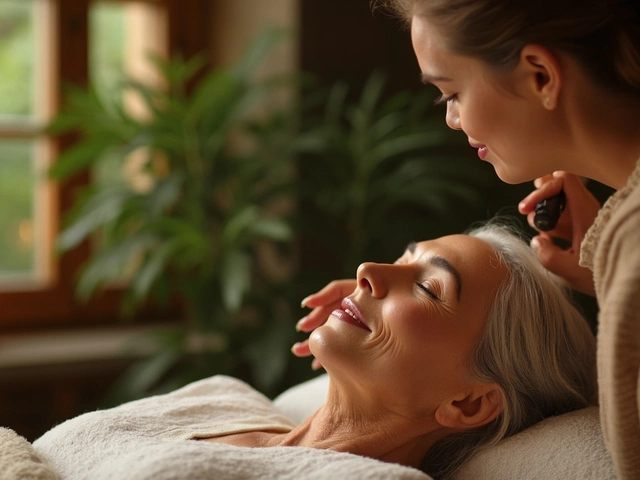
At 66, maintaining radiant skin can be a delightful journey with the right facial treatments. With age, the skin's needs change, and so should the skincare routine. Discover facials that rejuvenate mature skin, focusing on hydration, elasticity, and overall glow. Simple adjustments to skincare routines can aid in achieving youthful radiance effectively.
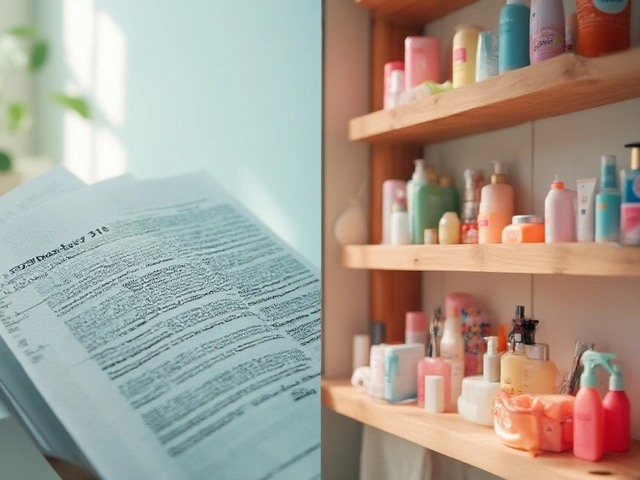
Learn what defines a cosmetic, from legal definitions to everyday products, and get helpful tips on smart choices in skincare, beauty, and makeup. Discover surprising facts you won't expect.