Sulfa Allergy Skincare Ingredient Checker
Confused by ingredient labels? Enter an ingredient name below to check if it's safe for people with a confirmed sulfa antibiotic allergy.
Common Ingredients to Check
Click to instantly check:
Have you ever looked at an ingredient list, seen the word "sulfur," and panicked because you thought it meant a sulfa drug? You aren't alone. The confusion between these two terms is one of the most common mix-ups in dermatology today. For someone with a severe sulfa allergy an immune reaction to sulfonamide antibiotics, this misunderstanding can lead to unnecessary anxiety or, worse, avoiding safe products.
The short answer is simple: Sulfa drugs are prescription antibiotics used to treat bacterial infections. They do not belong in your moisturizer, serum, or cleanser. However, Sulfur a natural element often used in acne treatments for its drying and exfoliating properties is a staple in many over-the-counter skincare products, especially those targeting breakouts. If you have a sulfa allergy, you can likely still use sulfur-based skincare without issue. Let's clear up the science behind why these two sound-alikes are completely different.
The Chemistry Confusion: Sulfonamides vs. Sulfur
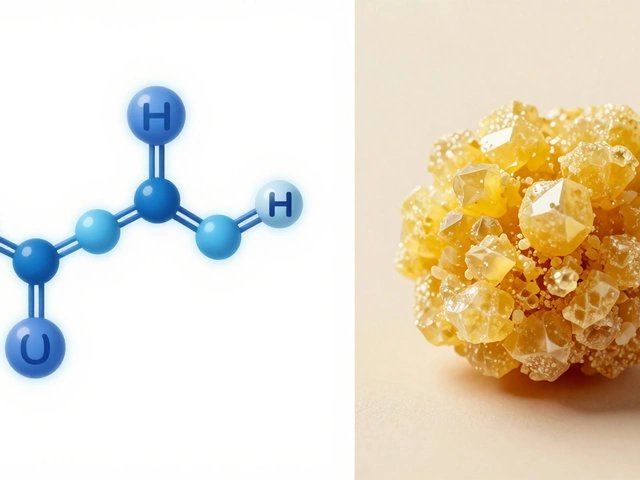
To understand why you shouldn't worry about every product containing "sulfur," we need to look at basic chemistry. The term "sulfa" comes from Sulfonamide a class of synthetic antibiotics derived from sulfanilamide. These are complex molecules where a sulfur atom is bonded to a nitrogen atom in a specific configuration (the sulfonamide group). This structure allows them to interfere with bacterial growth by blocking folic acid synthesis.
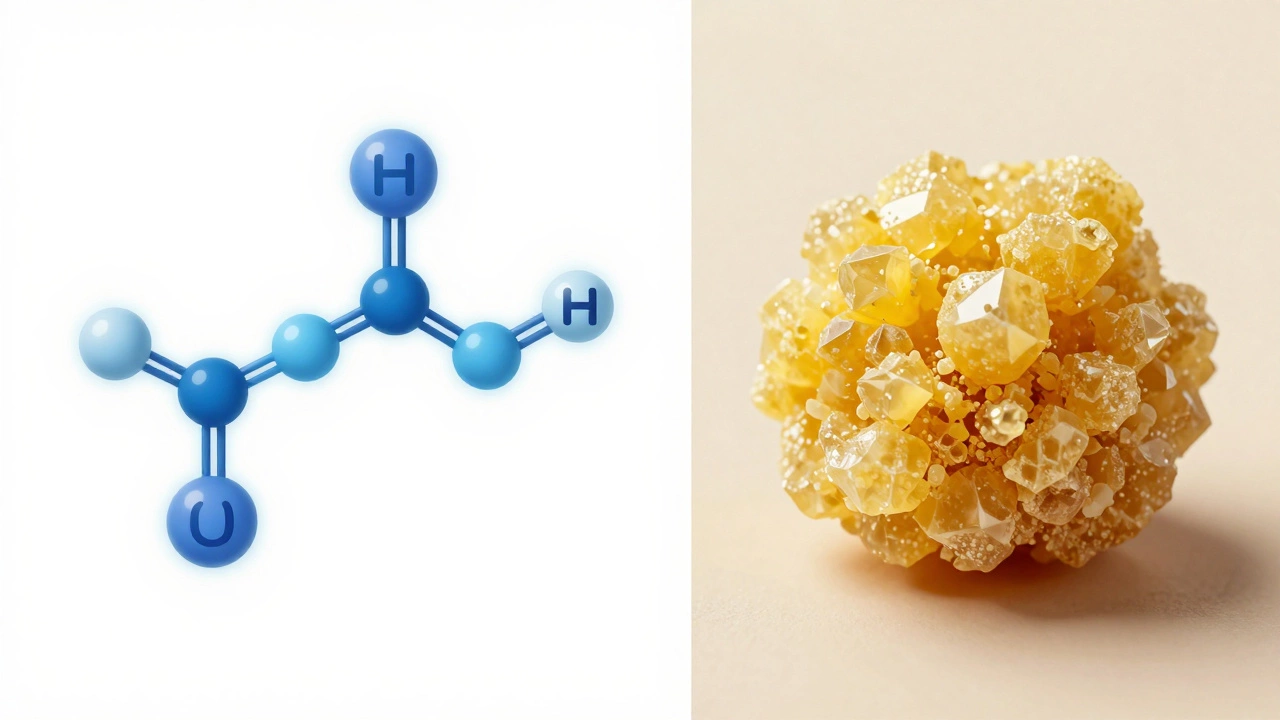
Sulfur, on the other hand, is just an element. It’s the yellow stuff you might remember from high school chemistry labs. In skincare, it exists as elemental sulfur or in compounds like Magnesium Sulfate commonly known as Epsom salt, used for soothing baths or Sodium Lauryl Sulfate a common foaming agent in cleansers. None of these contain the sulfonamide structure that triggers an allergic reaction in sensitive individuals.
Think of it like this: having a peanut allergy doesn't mean you're allergic to all nuts. Similarly, a sulfa allergy targets a very specific chemical shape found in certain antibiotics and some non-antibiotic medications (like certain diuretics or diabetes drugs), but it does not target elemental sulfur or sulfate salts.
Where Do Sulfa Drugs Actually Appear?
If you are managing a sulfa allergy, your primary concern should be pharmaceuticals, not cosmetics. Sulfonamide Antibiotics medications ending in -sulf, such as Bactrim or Septra are prescribed for urinary tract infections, ear infections, and sometimes respiratory issues. Common brand names include Bactrim, Septra, and Gantanol.
In the realm of topical medicine, you might encounter Silver Sulfadiazine a cream used primarily for burn victims to prevent infection. This is a topical antibiotic that contains a sulfonamide. If you have a confirmed sulfa allergy, your doctor will avoid prescribing this. However, this medication is strictly controlled and rarely found outside of hospital settings or specialized wound care.
It is crucial to note that skincare products sold in stores or online do not contain sulfa drugs. Regulations in most countries, including the US and EU, prohibit the addition of prescription-strength antibiotics to cosmetic formulations. So, when you see a bottle labeled "Acne Treatment," it is not hiding Bactrim inside.
Why Sulfur Is a Skincare Hero (And Safe for Allergy Sufferers)
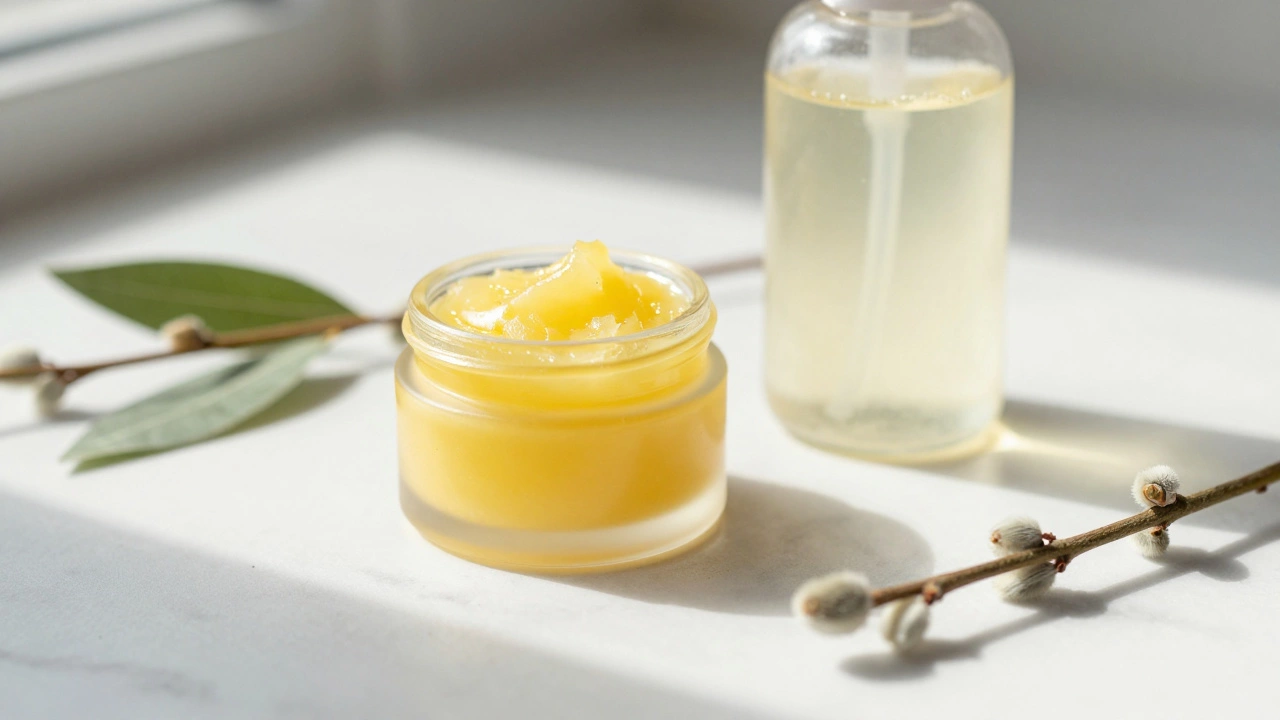
If sulfa drugs aren't in your skincare, what is that "sulfur" doing there? Sulfur has been used for thousands of years to treat skin conditions. It is particularly effective for Acne Vulgaris a common skin condition causing pimples and cysts and Rosacea a chronic skin condition causing redness and visible blood vessels.
Here is how sulfur works on your skin:
- Keratolytic Action: Sulfur helps dissolve dead skin cells. This prevents pores from getting clogged, which is the first step in forming a pimple.
- Antibacterial Properties: While not an antibiotic, sulfur creates an environment that bacteria hate. It reduces the population of Cutibacterium acnes (formerly P. acnes) on the skin surface.
- Drying Effect: Sulfur absorbs excess oil (sebum), helping to dry out existing whiteheads and blackheads.
For people with a sulfa allergy, using a 5% to 10% sulfur mask or wash is generally considered safe. Dermatologists frequently recommend sulfur as a gentle alternative to harsher ingredients like benzoyl peroxide, especially for sensitive skin types. The smell-often described as rotten eggs-is the only downside, but modern formulations are getting better at masking it.
Ingredients That Might Cross the Line
While pure sulfur is safe, there are other ingredients in skincare that contain "sulf" in their name. Understanding the difference helps you navigate labels with confidence.
| Ingredient Name | Type | Safety for Sulfa Allergy | Function in Skincare |
|---|---|---|---|
| Sulfur | Elemental | Safe | Treats acne, rosacea; exfoliates |
| Sodium Laureth Sulfate (SLES) | Sulfate Surfactant | Safe | Foaming agent in cleansers |
| Sodium Lauryl Sulfate (SLS) | Sulfate Surfactant | Safe | Foaming agent in cleansers |
| Sulfites | Preservative | Safe (unless asthmatic) | Prevents oxidation in serums |
| Sulfonamides | Antibiotic | Avoid (if present) | Not allowed in cosmetics |
You might also see Sulfites preservatives used to keep vitamins stable in skincare. These are different from sulfonamides. A sulfa allergy does not typically react to sulfites. However, if you have asthma, sulfites can trigger breathing issues, so check labels if you have respiratory sensitivities.
Organic Skincare and the Sulfa Question
Since you are interested in Organic Skincare products made with naturally derived ingredients, free from synthetic chemicals, you might assume these products are automatically free of hidden risks. Organic certification bodies, like USDA Organic or COSMOS, strictly regulate what can go into these bottles. They do not allow synthetic antibiotics like sulfonamides.
However, "natural" doesn't always mean "gentle." Some organic brands lean heavily on sulfur masks because sulfur is a natural mineral. If you love organic skincare but have a sulfa allergy, you are in luck: you can enjoy these sulfur-rich treatments without fear. Just ensure you patch-test any new product, as organic formulas often contain potent botanical extracts that can cause irritation unrelated to sulfa allergies.
Look for brands that highlight "mineral-based" or "botanical" acne treatments. Ingredients like Tea Tree Oil an essential oil with natural antibacterial properties, Willow Bark Extract a natural source of salicylic acid, and Zinc Oxide are excellent alternatives if you want to avoid sulfur due to its smell, even though it is chemically safe for you.
How to Spot a True Sulfa Risk
If you are hyper-vigilant about your health, here is how to double-check. Read the full ingredient list (INCI list) on the back of the bottle. Look for words ending in "-sulf" that are associated with medications, not cosmetics. In a legitimate skincare product, you will never see "Sulfamethoxazole" or "Sulfadiazine." If you do see these, the product is mislabeled or illegal, and you should stop using it immediately.
Most reactions people think are "sulfa allergies" triggered by skincare are actually contact dermatitis caused by fragrances, preservatives, or essential oils. If you break out after using a new sulfur mask, it’s likely the sulfur itself irritating your barrier or another ingredient in the formula, not a systemic sulfa allergy.
Can I use benzoyl peroxide if I have a sulfa allergy?
Yes. Benzoyl peroxide is a completely different chemical compound. It does not contain sulfonamide structures and is safe for people with sulfa allergies. It works by releasing oxygen to kill acne bacteria.
Is EPSOM salt safe for me?
Yes. Epsom salt is Magnesium Sulfate. It is a sulfate, not a sulfonamide. People with sulfa allergies can safely use Epsom salt baths without risk of an allergic reaction.
Do sunscreens contain sulfa drugs?
No. Sunscreens use filters like zinc oxide, titanium dioxide, avobenzone, or oxybenzone. None of these are sulfa drugs. However, some older studies suggested a potential cross-reactivity with certain sunscreen agents, but this is extremely rare and not related to the standard sulfa antibiotic allergy.
What if my doctor prescribed topical clindamycin?
Clindamycin is an antibiotic, but it is not a sulfonamide. It belongs to the lincosamide class. Therefore, it is generally safe for people with sulfa allergies. Always inform your pharmacist of your allergies before starting any new prescription.
How do I know if I'm reacting to sulfur or something else?
If you experience itching, hives, or swelling shortly after applying a product, it could be contact dermatitis. Since true sulfa allergies are systemic (internal), a local skin reaction to a sulfur mask is more likely due to irritation from the sulfur itself or other ingredients like fragrance. Patch testing on your inner arm for 48 hours is the best way to check.