Cosmetology Earning Potential Calculator
Career Path Calculator
Estimate your potential earnings based on your cosmetology specialization and experience level.
Estimated Annual Salary
Not all cosmetology degrees are created equal when it comes to earning potential. If you're wondering which path leads to the highest pay, the answer isn’t just about which school you attend-it’s about which specialization you choose and how you build your career after graduation.
Esthetician vs. Cosmetologist vs. Nail Technician: The Basic Differences
First, clear up the confusion. A cosmetologist is trained in hair, skin, and nails. An esthetician focuses only on skin care-facials, chemical peels, microdermabrasion, and acne treatment. A nail technician specializes in manicures, pedicures, and artificial nails. Each has a different license, different training hours, and very different income potential.
In most U.S. states, cosmetology licenses require 1,500+ hours of training. Esthetician licenses range from 600 to 1,200 hours depending on the state. Nail technician licenses often need only 300 to 600 hours. Shorter training doesn’t mean lower pay-it just means you can start working faster.
Estheticians Are the Highest Earners in Clinical Settings
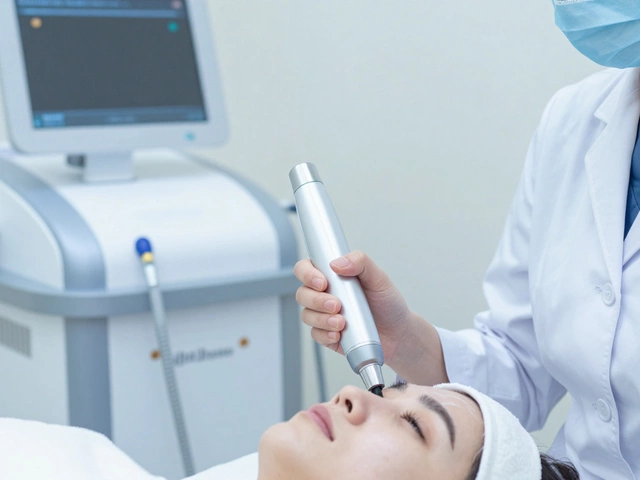
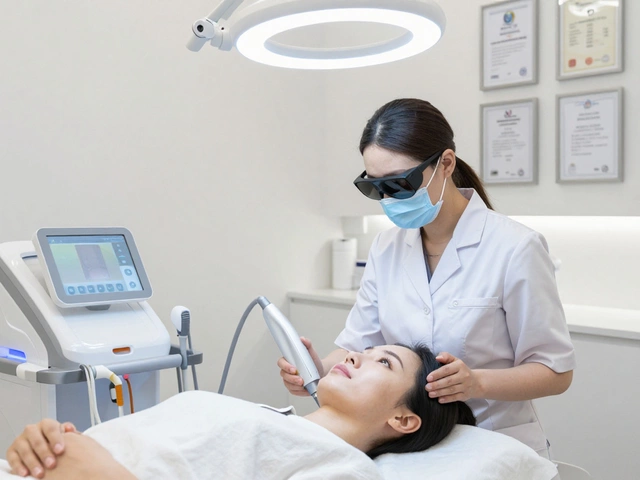
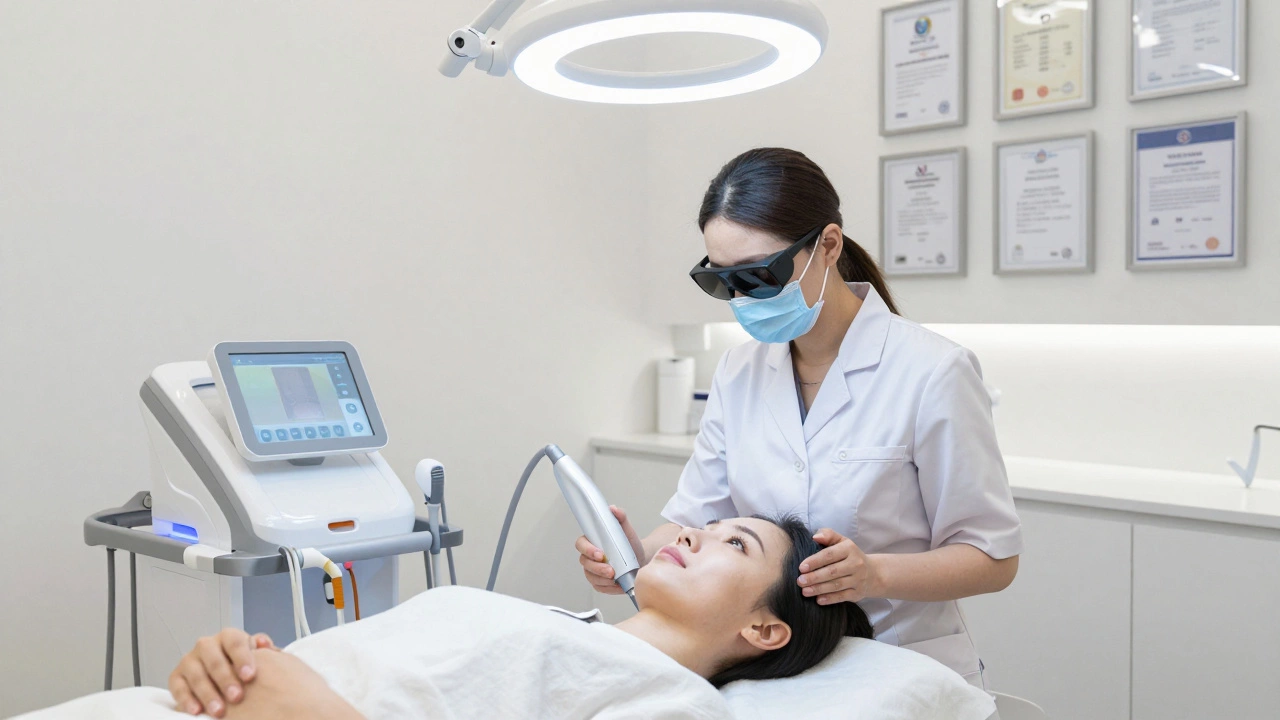
Estheticians working in medical spas, dermatology clinics, or plastic surgery centers make the most money in the field. These aren’t your average day spas. These are high-end medical aesthetics practices where clients pay $200 to $800 per session for treatments like laser hair removal, radiofrequency skin tightening, or injectable fillers (under a doctor’s supervision).
In 2025, the average salary for a medical esthetician in major U.S. cities is $62,000 per year. Top earners-those with 5+ years of experience, certified in advanced procedures, and working in places like Beverly Hills, New York, or Miami-make over $95,000. Some even earn six figures by commissioning on product sales and repeat clients.
Why? Because these treatments are in demand. The global medical aesthetics market hit $22 billion in 2024, and it’s growing at 9% annually. Doctors need trained professionals who can safely operate lasers and handle post-procedure care. That’s not something just anyone can do-it requires certification beyond basic esthetics.
Makeup Artists Who Work in Film, Fashion, and Celebrity Aren’t Just Lucky
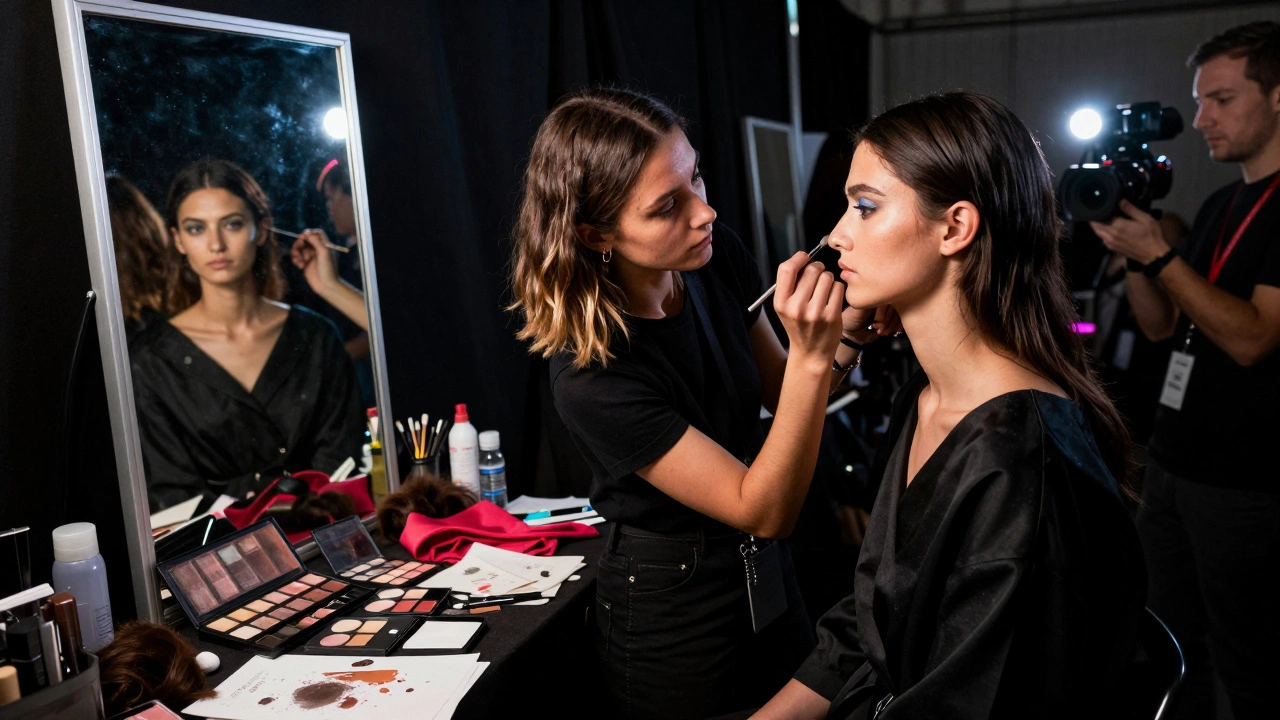
Think of a makeup artist as a visual storyteller. The ones making bank aren’t doing wedding makeup at $150 per client. They’re working on Netflix shows, high-fashion runway shows, or for celebrities.
According to the Entertainment Industry Council, professional makeup artists in film and TV earn between $75 and $150 per hour. On a 12-hour shoot, that’s $900 to $1,800 in one day. Top artists working on major studio productions or for A-list clients can charge $5,000 to $15,000 per project.
How do you get there? You don’t just take a cosmetology course and call yourself a makeup artist. You build a portfolio. You assist established artists. You network on Instagram and LinkedIn. You learn lighting, skin tones for cameras, and how to make makeup last 14 hours under hot lights. That’s a skill set that takes years to master.
Salon Owners Make More Than Employees-But It’s Not Easy
If you want to make serious money in cosmetology, owning your own salon is the clearest path. The average salon owner in the U.S. pulls in $75,000 to $120,000 a year. But here’s the catch: that’s after paying rent, staff, utilities, products, and taxes.
Successful owners don’t just cut hair. They run a business. They hire and train technicians. They manage inventory. They use software to schedule clients and track revenue. They build a brand. They market on social media. They create packages that keep clients coming back.
One owner in Austin started with one chair and a $15,000 loan. Three years later, she had six chairs, two estheticians, and a product line she sells online. Her annual revenue? $320,000. Her take-home? $110,000 after expenses. That’s not luck-it’s strategy.
Specialized Certifications Are the Real Money Multipliers
Here’s what most people don’t tell you: your base license is just the entry ticket. The real pay comes from certifications.
- Advanced laser safety certification (required in 42 states for medical spas)
- Medical aesthetic injectables assistant training (works under a physician)
- Permanent makeup certification (micropigmentation for brows, lips, eyeliner)
- Chemical peel specialist (medical-grade peels like TCA or phenol)
- Body contouring technician (cryolipolysis, radiofrequency)
These certifications cost $1,500 to $5,000 and take 1 to 4 weeks to complete. But they can increase your hourly rate by 200% to 400%. A regular esthetician charging $50/hour for a facial can jump to $150/hour for a laser treatment after certification.
Many employers will even pay for your training if you commit to staying with them for two years. That’s a free upgrade to your earning power.

Where the Money Isn’t: Traditional Day Spas and Retail Salons
Don’t get misled by ads promising "high-paying cosmetology jobs" at local day spas. Most of those places pay $12 to $18 an hour. You might earn tips, but you’re also paying for your own products, cleaning supplies, and station fees.
Salons that rely on commission-only pay (like 50% of service revenue) can leave you with $25,000 to $35,000 a year if you’re busy. That’s not bad-but it’s not life-changing either. And it’s not the path to six figures.
If you’re stuck in a low-paying salon, your best move is to get certified in something medical-grade or start building your own client base on the side. Use Instagram to post before-and-after photos. Offer free consultations. Build trust. Then, when you’re ready, open your own space.
The Real Secret: Clients Don’t Pay for Haircuts. They Pay for Results.
People don’t go to a salon because they need a trim. They go because they want to feel confident. They want smoother skin. They want to look younger. They want to stand out.
The highest earners in cosmetology don’t sell services. They sell transformation. They track results. They follow up. They ask for reviews. They create loyalty programs. They turn one-time clients into repeat customers who spend $2,000 a year.
That’s why a certified medical esthetician with 10 loyal clients doing monthly laser treatments makes more than a salon stylist with 50 clients coming in for $40 haircuts every six weeks.
What You Should Do Right Now
If you’re serious about making the most money from your cosmetology degree, here’s your action plan:
- Choose esthetics over general cosmetology if you want the highest earning ceiling.
- Get certified in at least one advanced procedure-laser, micropigmentation, or chemical peels.
- Work in a medical spa or dermatology clinic for 2-3 years to build credibility and savings.
- Start a social media account showing real client results (with permission).
- Save 30% of your income to fund your own space or product line.
- Network with doctors, plastic surgeons, and other estheticians. Your next big opportunity might come from a conversation at a conference.
The cosmetology field isn’t just about being good with your hands. It’s about understanding what clients truly want-and knowing how to deliver it at a premium price. The highest earners aren’t the ones with the most hours in school. They’re the ones who turned their license into a business.
What cosmetology degree has the highest salary?
The esthetician license, especially with advanced certifications in medical aesthetics like laser treatments, micropigmentation, or chemical peels, leads to the highest salaries. Estheticians working in medical spas or dermatology clinics in major cities can earn $70,000 to $95,000+ per year. Makeup artists in film and fashion can also reach six figures, but it requires building a high-profile portfolio.
Can you make six figures as a cosmetologist?
Yes, but not by working as a salon stylist. Six-figure earnings come from owning a successful spa or salon, working as a certified medical esthetician in a high-demand market, or being a top-tier makeup artist in film, TV, or celebrity circles. It takes 3-7 years of building skills, certifications, and client trust.
Is esthetician school worth it if I want to make money?
Absolutely-if you go beyond the basics. Basic esthetician training opens doors, but the real income comes from advanced certifications in medical procedures. Schools that offer laser or injectable assistant training are worth the extra cost. Look for programs accredited by the National Accrediting Commission of Career Arts & Sciences (NACCAS).
How much do makeup artists make compared to estheticians?
Entry-level makeup artists earn similar to estheticians-$15 to $25/hour. But top makeup artists in film, fashion, or celebrity work can earn $5,000 to $15,000 per project, sometimes more. Estheticians in medical settings earn more consistently, while makeup artists have higher peaks but less stability. Both can reach six figures, but through very different paths.
Do I need a college degree to make good money in cosmetology?
No. A cosmetology license is a vocational credential, not a college degree. You don’t need a bachelor’s to earn well. What you do need is specialized training, certifications, business skills, and a strong personal brand. Many of the highest earners never went to college.