Global Beauty Habits Analyzer
1. How often do you wear makeup?
2. What is your preferred aesthetic?
3. What drives your usage?
East Asia
0%High frequency, strategic perfection, glass skin.
Europe (Western)
0%Strategic points of color, elegant, natural base.
Latin America
0%High volume, bronzed, voluminous lashes, visible enhancement.
Africa (Urban)
0%Bold colors, intricate designs, celebration-focused.
North America
0%Variable, trend-driven, full coverage options.
Who wears the most makeup? It’s a question that pops up in group chats and on social media feeds all the time. You might think there’s a simple answer, like "Asian women" or "European women." But if you look at the actual data, the picture is much more complex. The truth isn't about one single ethnicity dominating the scene. Instead, it’s about how different cultures view beauty, what they spend on cosmetics, and where they live.
When we talk about "who wears the most," we usually mean two things: frequency (how often people apply makeup) and volume (how much product is used). These two metrics often tell different stories. For example, some cultures prioritize a flawless, natural base, which means less visible product but high daily usage. Others embrace bold colors and dramatic looks, which uses more product but might be reserved for special occasions. To really understand this, we need to look beyond stereotypes and dive into market data, cultural norms, and regional beauty rituals.
The Asian Beauty Market: High Frequency, Strategic Application
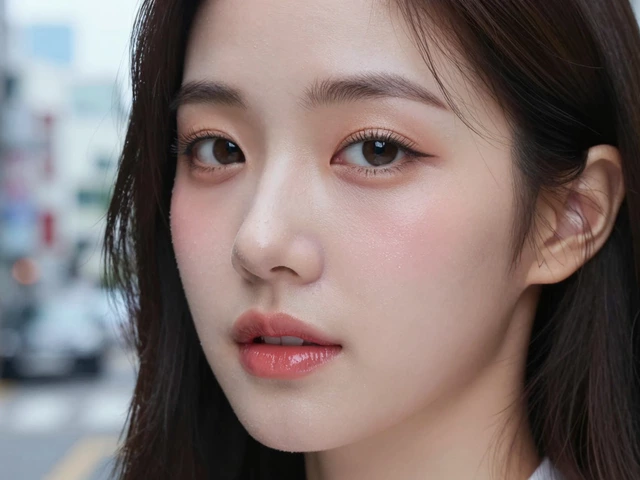
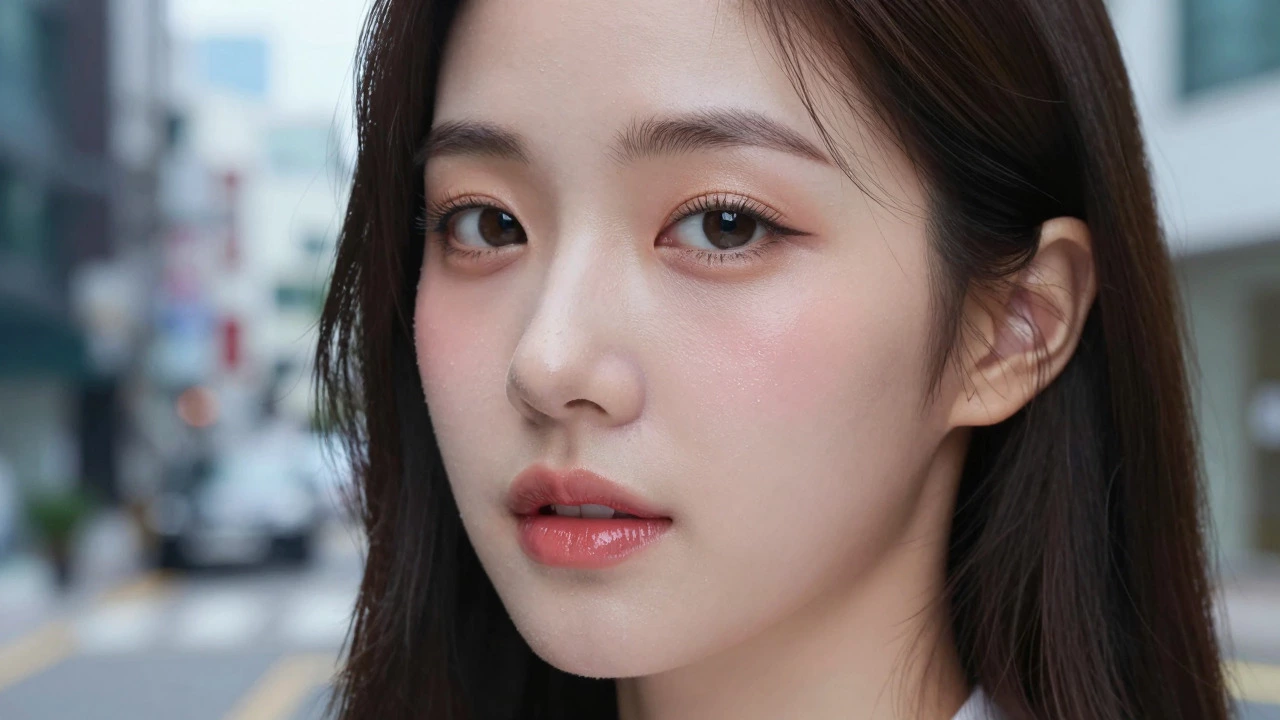
If you look at global sales figures, East Asia is an undisputed heavyweight. Countries like South Korea, a global leader in cosmetic innovation and skincare-makeup hybrid products, Japan, and China drive a massive portion of the world's beauty revenue. In South Korea alone, the beauty industry is worth billions, with a significant chunk going to color cosmetics.
Does this mean every person in these countries wears heavy makeup daily? Not necessarily. The trend here is often about perfection rather than coverage. The "glass skin" look, for instance, requires layers of lightweight foundations, primers, and setting sprays. It looks minimal, but the ritual involves multiple steps and products. This creates a high frequency of use. Many young women in Seoul or Tokyo wear makeup every day, even when just running errands. It’s seen as a sign of respect and self-care, not just vanity.
However, the style is distinct. There’s a strong emphasis on eye makeup-specifically eyeliner and mascara-to enlarge the eyes, and lip tints that provide a soft, gradient effect. This contrasts with Western trends that might focus more on contouring and full-coverage foundation. So, while the total volume of product per application might be lower than a full glam look, the consistency of daily use makes the overall consumption very high.
Europe: The Divide Between North and South
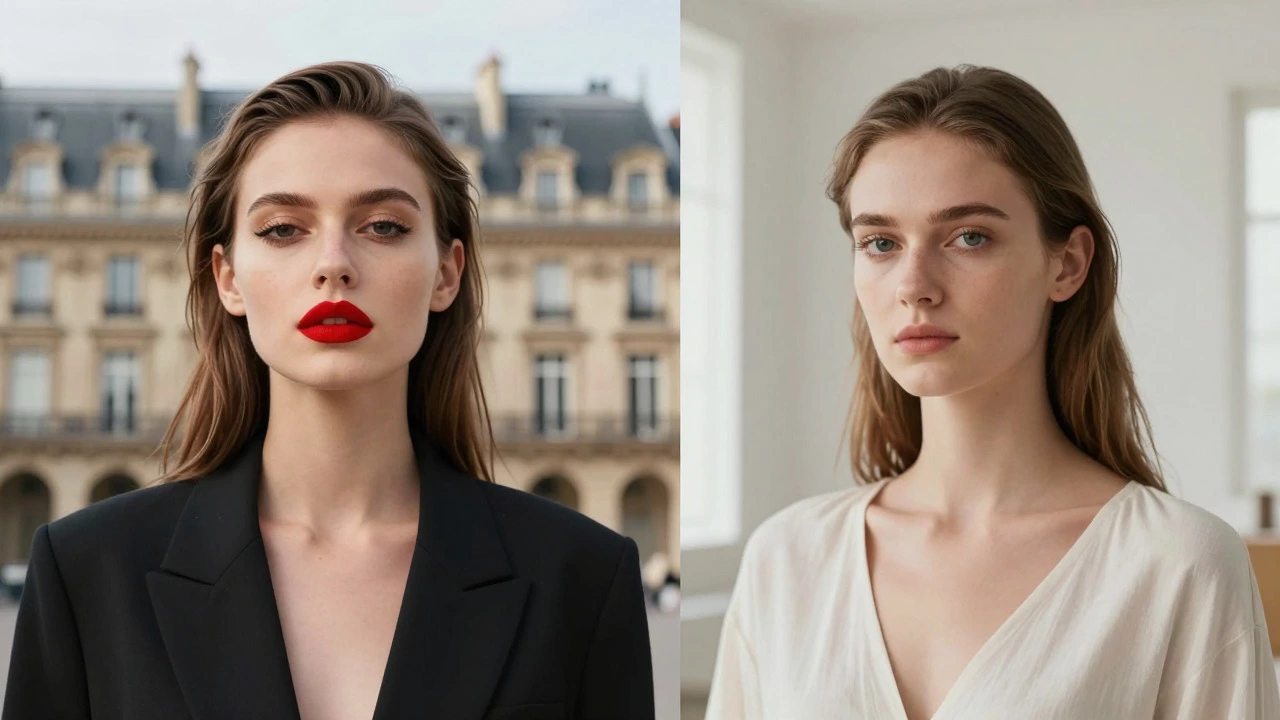
Europe doesn’t have a unified beauty culture, and splitting it by region reveals stark differences. If you walk down the street in Paris, you’ll notice a specific aesthetic: red lips, winged liner, and otherwise bare faces. This "Parisian chic" relies on strategic points of color rather than an all-over wash. It’s efficient, classic, and widely emulated globally.
In contrast, Northern European countries like Sweden, Norway, and Denmark often lean towards a more natural look. Skincare takes precedence here. The cultural norm is to let your skin breathe, using makeup only to enhance features slightly. Studies on consumer behavior in Scandinavia show a higher spending ratio on skincare compared to color cosmetics. This suggests that while Europeans do wear makeup, the intensity varies wildly depending on whether you’re in Milan or Oslo.
Italy and Spain fall somewhere in between, with a strong tradition of using makeup to complement fashion. In these regions, makeup is considered part of the outfit. A woman might skip makeup on a casual weekend, but on a workday or night out, the application is precise and polished. This selective approach means the average daily usage might be lower than in East Asia, but the occasion-based usage is high-impact.
African Beauty Standards: Boldness and Versatility
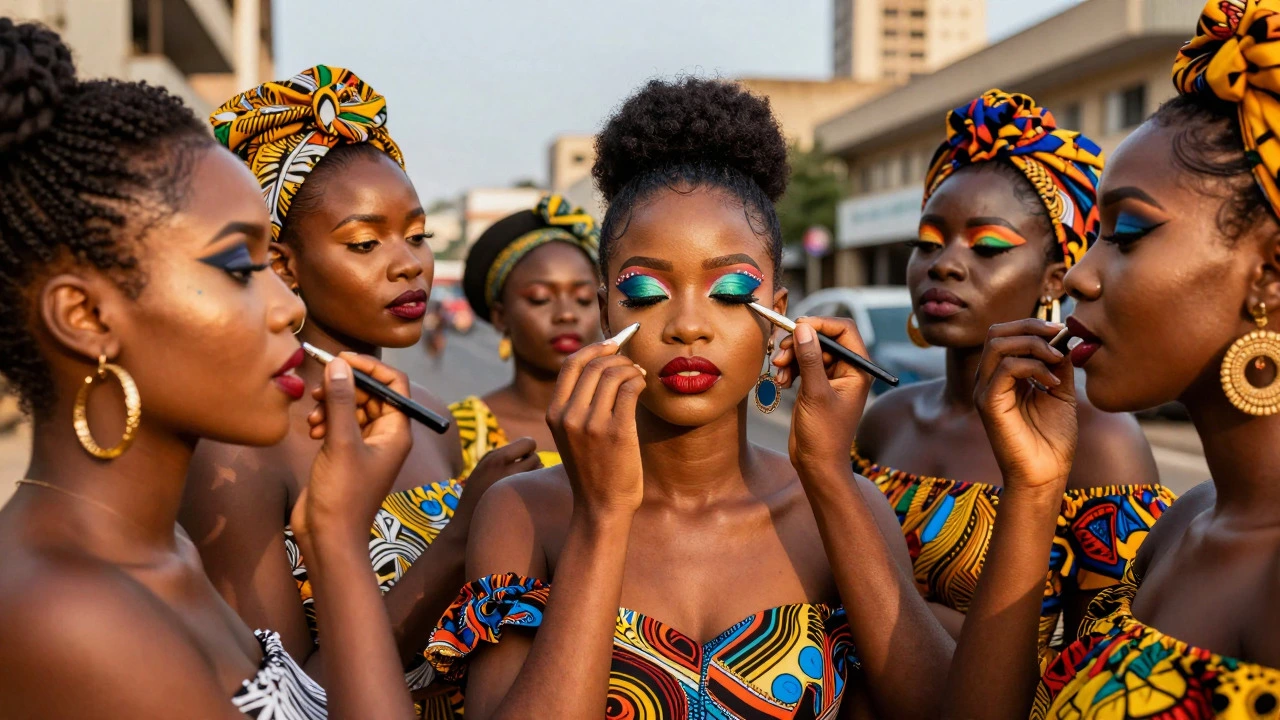
Africa is a continent with 54 countries and countless ethnic groups, so generalizing is tricky. However, urban centers across Africa-from Lagos to Johannesburg to Nairobi-show a vibrant makeup culture. There is a growing trend of embracing bold colors, intricate eye designs, and statement lips. Social media has played a huge role here, with influencers showcasing looks that celebrate diverse skin tones and features.
One key factor is the availability of shade ranges. Historically, many global brands failed to cater to deeper skin tones, limiting options. Recently, brands like Fenty Beauty and local African startups have filled this gap. As access improves, so does usage. In many African communities, makeup is also tied to cultural events, weddings, and ceremonies, where elaborate application is the norm. This means that while daily office makeup might be lighter, the cumulative usage during social events is significant.
Additionally, there’s a strong DIY culture. Many people mix their own highlighters or create custom shades, which adds a layer of complexity to the routine. This creativity drives engagement with makeup products, even if it doesn’t always translate to buying pre-made kits from major retailers.
The Americas: Diversity and Daily Norms
In the United States, makeup usage is highly segmented by age, profession, and subculture. According to surveys by organizations like the American Academy of Dermatology, a majority of American women wear makeup regularly, but the definition of "regularly" varies. For Gen Z, makeup is often experimental and TikTok-driven, leading to frequent changes in routine and product types. For older generations, it might be a consistent lipstick and mascara routine.
Latin America presents another interesting case. Countries like Brazil and Mexico have robust beauty industries. In Brazil, for example, makeup is deeply integrated into daily life, influenced by Carnival culture and a general emphasis on appearance. The use of bronzer, highlighter, and voluminous lashes is common. This results in a high volume of product usage per application. Unlike the subtle East Asian approach, Latin American beauty trends often encourage a more visible, enhanced look.
This diversity within the Americas means that no single "ethnicity" dominates. Instead, it’s a mix of indigenous, European, African, and Asian influences creating unique local styles. The key takeaway is that accessibility and cultural celebration drive usage more than any single genetic background.
| Region | Daily Usage Frequency | Typical Style | Primary Focus |
|---|---|---|---|
| East Asia | Very High | Natural, Glowy, Gradient Lips | Skin Perfection |
| Western Europe | Moderate | Strategic Color (Lips/Eyes) | Elegance/Simplicity |
| Latin America | High | Bronzed, Defined Features | Enhancement/Glamour |
| Africa (Urban) | Moderate to High | Bold Colors, Creative Eyes | Expression/Celebration |
| North America | Variable | Trend-Driven, Full Coverage | Adaptability |
Cultural Drivers vs. Biological Traits
It’s important to separate biology from culture. Skin type certainly influences product choice. People with oily skin might use more powder and blotting sheets, while those with dry skin rely on creams and oils. However, the decision to wear makeup is largely cultural. In some societies, going out without makeup is frowned upon, regardless of skin type. In others, it’s perfectly acceptable.
Consider the concept of "face" in many Asian cultures. Presenting a well-groomed appearance is a way of showing respect to others. This social pressure drives high daily usage. In contrast, in parts of Northern Europe, there’s less social stigma around looking "tired" or natural. This reduces the perceived need for daily application. So, when asking who wears the most makeup, we’re really asking which cultures place the highest social value on cosmetic enhancement.
The Role of Social Media and Globalization
In 2026, borders are blurring thanks to Instagram, TikTok, and YouTube. A Korean beauty tutorial can go viral in Nigeria, and a Brazilian influencer can inspire a look in Canada. This globalization is homogenizing some aspects of beauty. We see similar trends worldwide: dewy skin, defined brows, and glossy lips.
However, local adaptations remain strong. Even when adopting global trends, people tweak them to fit their local context. For example, the "no-makeup makeup" look might involve different products in Tokyo versus New York due to climate and available shade ranges. This means that while the *style* might converge, the *usage patterns* remain rooted in local habits.
Furthermore, the rise of inclusive branding has changed the game. Brands are now marketing directly to specific ethnicities, highlighting their unique needs. This targeted marketing encourages usage among groups that were previously underserved. For instance, campaigns focusing on curly hair or deeper skin tones have boosted engagement and product adoption in those communities.
Economic Factors and Accessibility
You can’t talk about makeup usage without mentioning money. In developed nations, makeup is often affordable and accessible. In developing economies, it might be a luxury item. This economic disparity affects who wears makeup and how often. In countries with a growing middle class, such as India and Indonesia, makeup usage is skyrocketing as disposable income rises.
In India, for example, bridal makeup is an elaborate affair, involving hours of application and expensive products. While daily makeup might be less common in rural areas, urban centers see high usage rates. The wedding industry alone drives significant cosmetic sales. This shows that even if daily usage is low, occasional high-volume usage can skew perceptions of "who wears the most."
Similarly, in Sub-Saharan Africa, the growth of local manufacturing has made cosmetics more affordable. As prices drop, usage increases. This trend is likely to continue, making it harder to pinpoint a single "top" ethnicity in the future. The landscape is constantly shifting.
Conclusion: It’s About Culture, Not Just Ethnicity
So, who wears the most makeup? If we measure by daily frequency and market size, East Asia leads the pack. If we measure by intensity and volume per application, Latin America and parts of Africa compete strongly. Europe and North America sit in the middle, with wide variations based on individual preference and regional norms.
The answer isn’t a single ethnicity. It’s a combination of cultural values, economic access, and social expectations. Understanding this helps us appreciate the diversity of global beauty practices. Instead of ranking ethnicities, we should recognize the unique ways different communities express themselves through makeup. Whether it’s the subtle glow of Seoul or the bold hues of Lagos, makeup is a universal language with many dialects.
Which country spends the most on makeup?
China and the United States typically top the list for total market size due to their large populations. However, on a per-capita basis, countries like South Korea and France often lead, reflecting high individual investment in beauty products.
Do Asian women wear more makeup than Western women?
Generally, yes, in terms of daily frequency. Cultural norms in many East Asian countries encourage daily makeup application as a standard of grooming. Western women may wear makeup less frequently but might use heavier coverage when they do.
Why do French women seem to wear less makeup?
The French beauty ideal emphasizes natural elegance. They often use fewer products but focus on quality and precision, such as a perfect red lip or winged liner, rather than an all-over covered look.
How does climate affect makeup usage?
Humid climates may require more setting products and water-resistant formulas, while dry climates might favor hydrating creams. Climate influences the type of makeup used, which can affect the total amount applied.
Is makeup usage increasing globally?
Yes, particularly in emerging markets. As incomes rise and social media exposure grows, more people in developing regions are incorporating makeup into their daily routines.