Build Your Custom K-Beauty Routine
Configuration
Your Recommended Routine
Based on Normal Skin - MorningHave you ever scrolled through social media and felt like your morning routine was missing something? You wash your face, maybe slap on some moisturizer, and call it a day. Then you see someone with that elusive 'glass skin' glow, and their routine looks like a chemistry experiment involving seven different bottles. It’s easy to feel overwhelmed. But here is the truth: the 7-step skincare routine is a structured Korean beauty regimen designed to cleanse, exfoliate, tone, and hydrate the skin in layers for maximum absorption and radiance. It isn’t about buying seven expensive products; it’s about understanding what your skin needs at each stage of the process.
This approach comes from South Korea, where skincare is treated as a preventative health practice rather than just a cosmetic fix. The goal isn’t just to look good today; it’s to keep your skin barrier strong so you don’t have issues ten years from now. If you are curious about whether this method is worth the time or if it will actually change how your skin feels, let’s break down exactly what happens in each step, why the order matters, and how you can adapt it to fit your actual life.
The Philosophy Behind Layering
Before we get into the specific products, you need to understand the core concept: layering. In Western skincare, we often mix things up or skip steps because we’re in a rush. In K-beauty, the rule is simple: apply products from thinnest consistency to thickest. Think of it like building a wall. You start with the foundation (cleansing), add the mortar (toners and essences), and finish with the protective coat (sunscreen or night cream). If you put the thick cream on first, the lighter serums can’t penetrate. They just sit on top and waste away.
This method relies on hydration over drying out your skin. Many traditional routines use harsh strips that leave your face feeling tight. That tightness is actually a sign of damage to your skin barrier. The 7-step routine aims to keep that barrier intact by constantly replenishing water and sealing it in. This is why people talk about 'dewy' skin. It’s not oily; it’s well-hydrated.
Step 1: Oil Cleanser
The routine starts with an oil cleanser. I know, it sounds counterintuitive. Why would you put oil on your face to clean it? The science is straightforward: "like dissolves like." Water alone cannot remove sebum, sunscreen, or waterproof makeup. These are oil-based substances. An oil cleanser binds to those oils on your skin and lifts them away without stripping your natural moisture.
You massage the oil onto dry skin for about a minute. It might feel weird at first, but watch what happens when you rinse it off with warm water. It emulsifies, turning milky white, and washes away cleanly. You won’t feel greasy. This step removes the heavy stuff-sunscreen, pollution particles, and makeup residue. Skip this, and your second cleanser has to work twice as hard, which can irritate your skin.
Step 2: Water-Based Cleanser
Now that the surface grime is gone, you use a water-based cleanser. This is your regular face wash. Its job is to clean the pores themselves. While the oil cleanser handled the external debris, this foaming or gel cleanser goes deeper to remove sweat, dirt, and any leftover impurities.
Look for a gentle formula. You don’t want a scrub here. Your skin is already prepped and open from the warm water and oil massage. A harsh soap will disrupt your pH balance. Aim for something with a neutral pH, around 5.5, which matches your skin’s natural acidity. After this step, your canvas is truly clean. Pat your face dry with a towel; never rub it.
Step 3: Exfoliation
Here is where many people get confused. Exfoliation is part of the 7-step framework, but it is not a daily step for everyone. Depending on your skin sensitivity, you do this one to three times a week. Exfoliation removes dead skin cells that clog pores and make your complexion look dull.
Korean skincare prefers chemical exfoliants over physical scrubs. Physical scrubs with walnut shells or sugar can cause micro-tears in the skin, leading to inflammation. Chemical exfoliants like AHAs (alpha hydroxy acids) and BHAs (beta hydroxy acids) dissolve the glue holding dead cells together. AHAs like glycolic acid work on the surface to brighten, while BHAs like salicylic acid dive into pores to clear out blackheads. Choose based on your concern: brightness vs. congestion.
Step 4: Toner
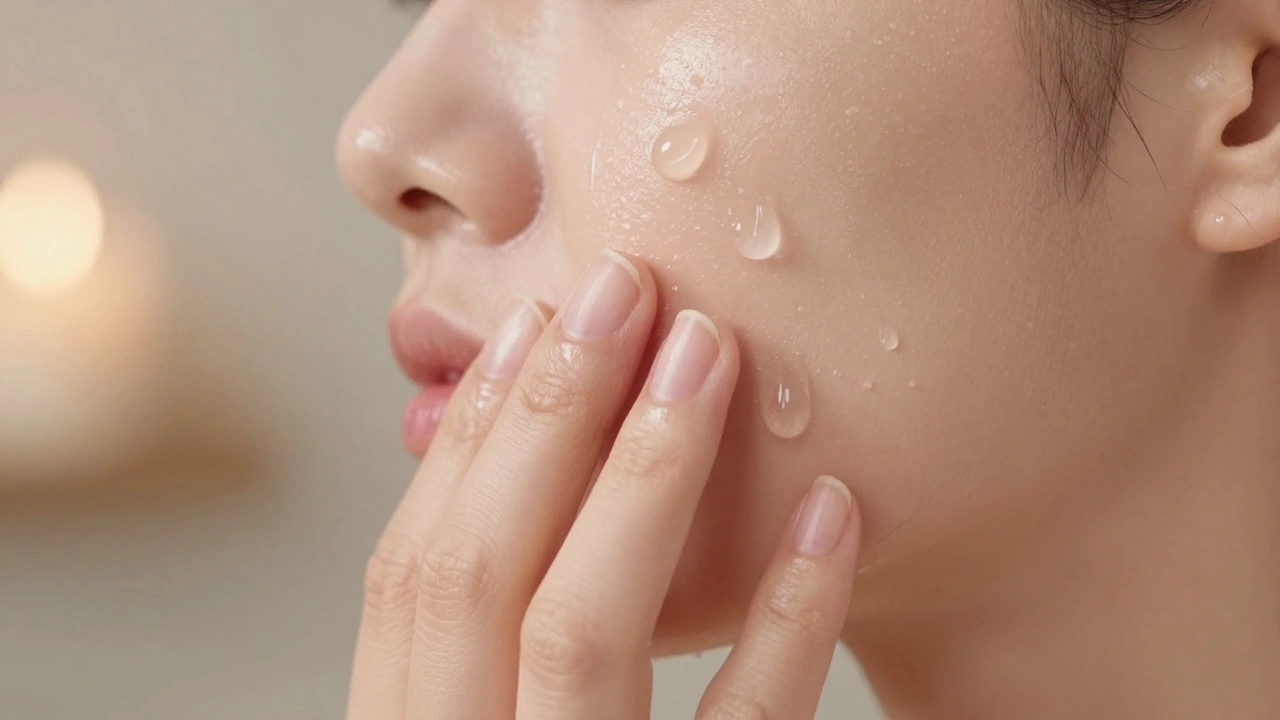
Forget the alcohol-heavy toners from the early 2000s that stung your eyes. Modern K-beauty toners are hydrating. Their primary job is to rebalance your skin’s pH after cleansing and provide a damp base for the next steps. Remember the layering rule? You want your skin slightly wet before applying serums. A toner does exactly that.
Apply it by patting it into your skin with your hands or using a cotton pad if you prefer a more thorough sweep. Look for ingredients like hyaluronic acid, rose water, or green tea. This step prepares your skin to absorb the active ingredients coming next. Without it, your expensive serums might not penetrate as deeply.
Step 5: Essence
If there is one product that defines Korean skincare, it’s essence. It’s thinner than a serum but thicker than a toner. Essences are fermented liquids packed with nutrients that promote cell turnover and hydration. They are the bridge between prep and treatment.
Think of essence as a primer for your skincare. It boosts the efficacy of everything you apply after it. Ingredients like snail mucin, ferments, and rice extract are common. You press this into your skin gently. Don’t rub. Press. This helps the product sink in. If you only buy one K-beauty product, make it a good essence. It’s the secret weapon behind that plump, youthful look.
Step 6: Serum or Ampoule
This is your targeted treatment step. While essence works on overall skin health, serum addresses specific problems. Do you have dark spots? Use a vitamin C serum. Dry patches? Hyaluronic acid. Fine lines? Retinol or peptides. Serums have a higher concentration of active ingredients than essences.
Ampoules are similar to serums but even more concentrated. They are often used for short-term intensive care, like calming a breakout or repairing damage after a long flight. For daily use, a standard serum is usually sufficient. Apply a few drops to your face and neck. Since this is the most potent step, listen to your skin. If you introduce too many actives at once, you risk irritation. Start slow.
Step 7: Moisturizer and Sunscreen
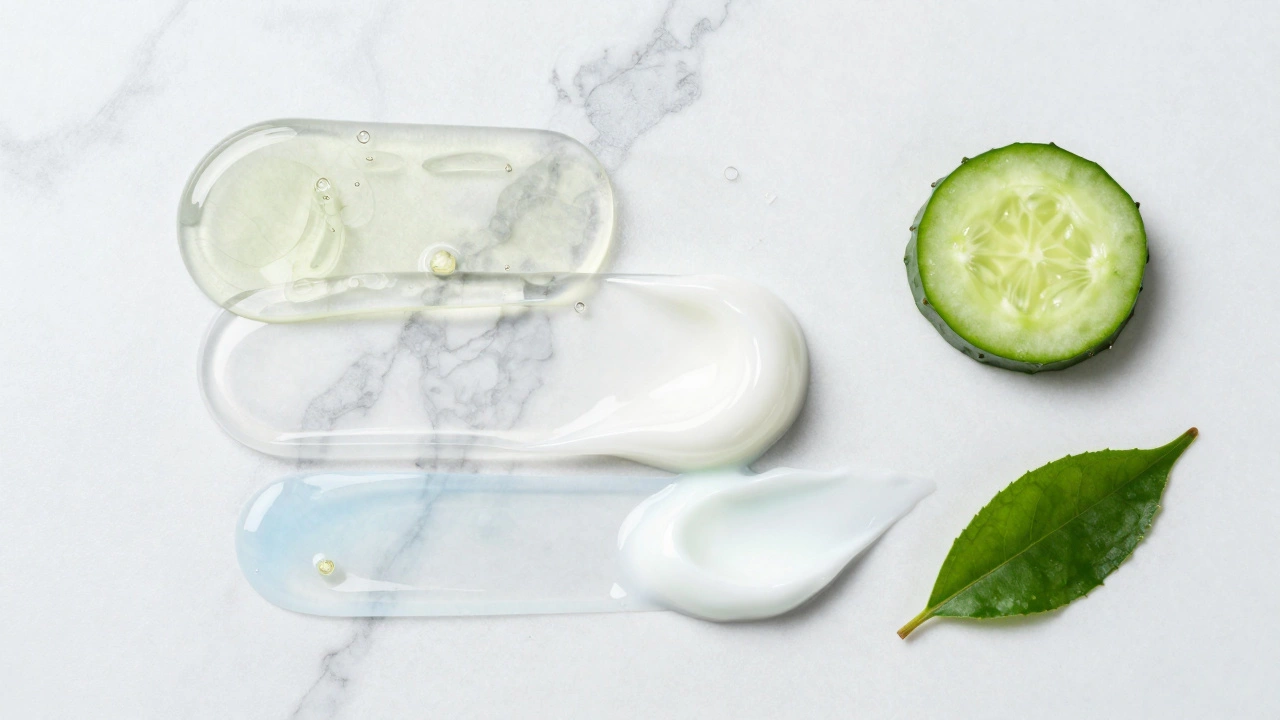
The final step seals everything in. During the day, this means moisturizer followed by sunscreen. At night, it’s just a richer moisturizer or sleeping mask. Moisturizers contain occlusives and emollients that lock in the hydration from the previous six steps. Without this seal, all that water evaporates, leaving you drier than before you started.
In the morning, sunscreen is non-negotiable. UV rays are the number one cause of premature aging. No amount of serum will fix sun damage if you aren’t protecting your skin every single day. Use at least SPF 30. At night, you might swap the sunscreen for a heavier cream or a sleeping pack that works while you rest. This completes the cycle.
| Step | Product Type | Primary Function | Frequency |
|---|---|---|---|
| 1 | Oil Cleanser | Remove makeup and sunscreen | Daily (PM) |
| 2 | Water Cleanser | Cleanse pores and balance pH | Daily (AM & PM) |
| 3 | Exfoliant | Remove dead skin cells | 1-3x per week |
| 4 | Toner | Hydrate and prep skin | Daily (AM & PM) |
| 5 | Essence | Boost cell turnover and hydration | Daily (AM & PM) |
| 6 | Serum/Ampoule | Target specific concerns | Daily (AM & PM) |
| 7 | Moisturizer/SPF | Seal in moisture and protect | Daily (AM & PM) |
Adapting the Routine to Your Lifestyle
Let’s be real. Doing seven steps twice a day takes time. Most of us don’t have twenty minutes every morning and evening. The beauty of this system is its modularity. You don’t have to do all seven steps every time. Here is how to simplify without losing benefits.
The Minimalist Morning: Cleanse with water or a gentle cleanser, apply toner, serum, moisturizer, and sunscreen. That’s five steps, but they are quick. You can skip the oil cleanser and exfoliation in the AM.
The Efficient Evening: Double cleanse (oil + water), then combine toner and essence if your toner is hydrating enough. Follow with serum and moisturizer. You’ve cut down to four main actions.
The Lazy Night: If you’re exhausted, just double cleanse and moisturize. Even removing sunscreen properly is better than leaving it on. Consistency beats intensity. Doing four steps every day is better than doing seven steps once a week.
Common Mistakes to Avoid
When starting a new routine, enthusiasm can lead to errors. One big mistake is introducing all seven products at once. If your skin breaks out, you won’t know which product caused it. Introduce one new product every two weeks. This way, you can track how your skin reacts.
Another error is ignoring your skin type. Oily skin still needs hydration, but it needs lightweight, water-based formulas. Dry skin needs richer creams and oil-based cleansers. Sensitive skin should avoid fragrances and high concentrations of acids. Read the ingredient list, not just the marketing claims.
Finally, don’t forget the neck and décolletage. The skin on your neck is thinner and shows age faster. Extend your products down to your chest. It takes five extra seconds and makes a huge difference in the long run.
Do I really need 7 steps every day?
No. The 7-step routine is a framework, not a strict law. You can skip steps based on your skin's needs and your schedule. For example, you might skip exfoliation on days when your skin feels sensitive. The key is consistency with the basics: cleansing, treating, and protecting.
What is the difference between toner and essence?
Toner is primarily for balancing pH and providing initial hydration. It is usually watery and applied immediately after cleansing. Essence is thicker and contains more active ingredients aimed at improving skin texture and promoting cell turnover. Think of toner as a prep step and essence as a treatment booster.
Can I use the 7-step routine for acne-prone skin?
Yes, but you must choose non-comedogenic products. Acne-prone skin often gets dehydrated due to harsh treatments. The hydration from toners and essences can help strengthen the barrier. Use a BHA exfoliant instead of AHA, and opt for lightweight gels instead of heavy creams.
Why is double cleansing important?
Double cleansing ensures that all types of impurities are removed. Oil cleansers remove oil-based debris like sunscreen and makeup, while water-based cleansers remove water-based dirt like sweat. Using only one type often leaves residue behind, which can clog pores and lead to breakouts.
How long does it take to see results?
Skin cycles take about 28 days. You may notice immediate hydration improvements within a week, but significant changes in texture, tone, or acne reduction usually take 4 to 6 weeks of consistent routine. Patience is crucial because rushing can lead to irritation.