Beauty Service Profitability Estimator
Select a service or enter custom values to see how technology-driven treatments compare to traditional manual services in terms of efficiency and profit.
Ready to Calculate
Choose a service from the list or enter your own data to see how it stacks up against top-tier beauty treatments.
You walk into a clinic, pay $400 for a quick facial, and wonder: how does that make sense? Or maybe you’re an esthetician staring at your bank account, thinking, "I spent two hours on this client, why am I still broke?" The truth is, not all beauty services are created equal. Some treatments barely cover the cost of the products used, while others generate massive margins with surprisingly little physical labor. If you want to know what is the highest paid beauty service, you have to look beyond the standard manicure or basic haircut. The money is hiding in specialized, technology-driven, and medical-grade procedures.
The Real Money Is in Medical-Grade Skincare
Let’s cut through the noise. Traditional beauty services like haircuts or standard facials are time-intensive. You trade hours for dollars, and there’s a hard cap on how many clients you can see in a day. But the highest-paid services break that model. They leverage technology or advanced chemical processes that deliver dramatic results quickly. Think about it: if a client sees a visible difference after one session, they’ll pay premium rates for the convenience and the outcome.
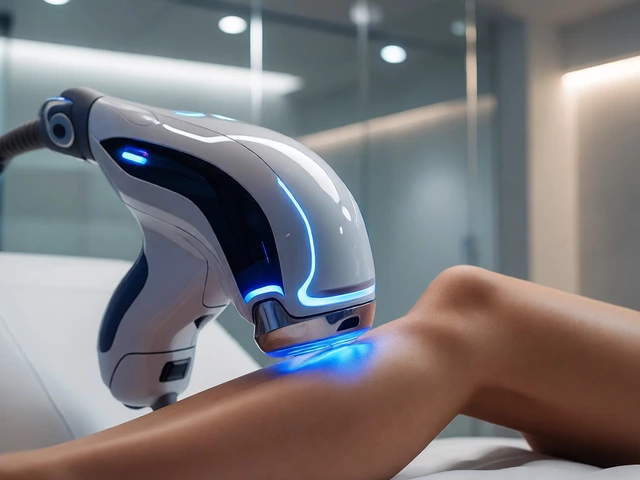
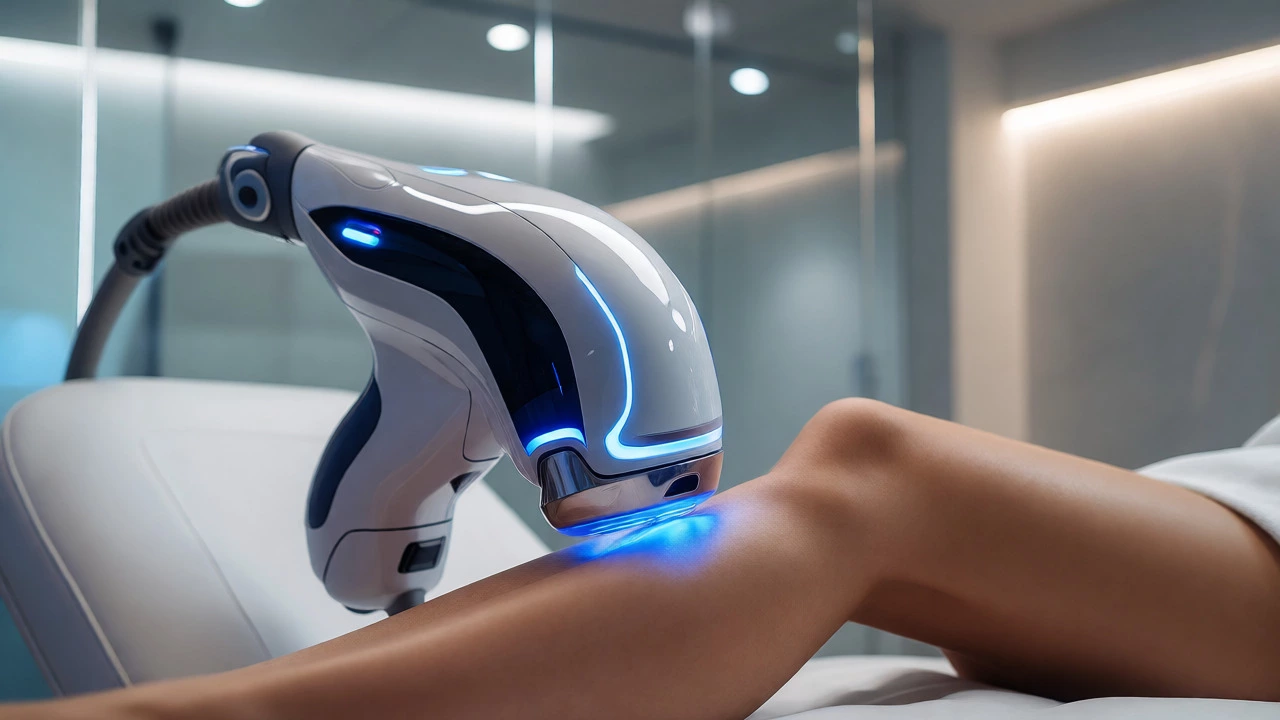
In 2026, the top earners aren’t just doing facials; they’re performing non-invasive skin rejuvenation. Procedures like laser hair removal, microcurrent therapy, and radiofrequency skin tightening dominate the high-revenue charts. Why? Because the equipment does the heavy lifting. A laser machine doesn’t get tired. It delivers consistent results across dozens of clients a day. This scalability is the secret sauce. While a hairstylist might max out at eight cuts a day, a laser technician can treat thirty areas. The hourly rate skyrockets because the throughput increases without increasing the physical strain on the provider.
Breaking Down the Top Five Highest-Paid Services
If you’re looking to pivot your business or upgrade your skill set, focus on these five categories. These aren’t guesses; they reflect current market trends in major metropolitan areas and high-end suburban clinics.
- Laser Hair Removal is consistently the top earner per hour. Sessions range from $150 to $600 depending on the body area. With packages often sold upfront, cash flow is immediate and substantial.
- HydraFacial and Advanced Dermaplaning command high prices ($200-$350) because they combine exfoliation, extraction, and infusion in under an hour. Clients love the instant glow, leading to high retention rates.
- Chemical Peels (Medical Grade) offer significant margins. A TCA peel or Jessner’s solution requires minimal product cost but demands expert application. Prices hover around $250-$450 per session.
- Microneedling with PRP (Platelet-Rich Plasma) has exploded in popularity. Combining mechanical stimulation with growth factors allows providers to charge $800-$1,200 per treatment. It’s perceived as a luxury anti-aging solution.
- LED Light Therapy Add-ons are pure profit. Often bundled for an extra $50-$100, the equipment costs amortize quickly, making every minute of LED exposure nearly 90% margin.
Notice a pattern? These services rely less on manual dexterity and more on specialized tools and science. That’s where the profit lives.
Why Location and Demographics Matter More Than You Think
You could perform the best microneedling in Wellington, but if your clientele isn’t ready to spend $900 on their face, you won’t stay profitable long. The highest-paid beauty services thrive in areas with disposable income and a culture of self-care investment. In New Zealand, suburbs like Brooklyn, Oriental Bay, or Hataitai support higher price points than outer rural areas. Globally, cities like Los Angeles, London, and Sydney drive the upper limits of pricing.
Consider the demographic. Women aged 35-55 are the primary consumers of anti-aging treatments. They value privacy, speed, and results over cheapness. If you position yourself as a "skin health specialist" rather than just a "esthetician," you justify higher fees. It’s not about being fancy; it’s about signaling expertise. When a client pays $400 for a service, they expect clinical precision, sterile environments, and measurable outcomes. Deliver that, and the price tag becomes irrelevant.

Product Costs vs. Service Value: The Margin Myth
Many beginners obsess over product costs. They worry about the $15 serum bottle. But in high-ticket services, product cost is negligible compared to service value. Take a HydraFacial. The serums used might cost $20 total. The machine wear-and-tear adds another $10. Yet the service sells for $250. Your gross margin is over 85%. Compare that to a haircut, where you might use $5 in shampoo and conditioner, but you’re charging $80 for 45 minutes of intense physical work. The ROI on tech-heavy services is vastly superior.
However, don’t ignore the hidden costs. Equipment maintenance, licensing, insurance, and marketing eat into those profits. A laser machine can cost $50,000+. You need volume to recoup that investment. This is why selling packages is crucial. Selling a single session is risky; selling a six-session package secures revenue upfront and builds loyalty.
How to Increase Your Average Ticket Size
If you’re already offering standard services, how do you jump into the high-income bracket? You don’t necessarily need to buy a $50k laser tomorrow. Start by bundling. Offer a "Glow Package" that includes a dermaplaning session plus an LED mask and a take-home retinol kit. Instead of charging $150 for the dermaplaning alone, charge $220 for the bundle. The added cost to you is minimal, but the perceived value to the client doubles.
Another tactic: upsell based on education. Don’t just say, "Want to add this?" Say, "Your skin shows signs of dehydration. Adding this hyaluronic acid boost will lock in moisture for 72 hours. It’s only $40." When you explain the "why," clients stop seeing it as an upcharge and start seeing it as necessary care. Data from industry reports suggests that educated clients spend 30% more per visit than those who aren’t consulted thoroughly.
| Service Type | Avg. Price (NZD/USD)* | Duration | Gross Margin % | Client Retention Rate |
|---|---|---|---|---|
| Basic Facial | $120 - $150 | 60 mins | 40% | Medium |
| Laser Hair Removal (Area) | $200 - $400 | 15-30 mins | 85% | High |
| Microneedling + PRP | $800 - $1,100 | 90 mins | 70% | Very High |
| HydraFacial Deluxe | $250 - $300 | 60 mins | 80% | High |
| Standard Manicure | $50 - $70 | 45 mins | 50% | Medium |
*Prices vary by region; estimates reflect urban metro averages.
Common Pitfalls That Kill Profits
So, why aren’t everyone doing lasers? Two reasons: liability and training. Performing advanced treatments requires certification. You can’t just buy a machine and start burning skin. Improper settings lead to burns, hyperpigmentation, or ineffective results. One bad review can tank your reputation faster than ten good ones can build it. Invest in rigorous training. Look for certifications from recognized bodies like CIDESCO or state-specific cosmetology boards that approve device usage.
Another trap is underpricing. Many new practitioners fear rejection, so they set low prices to attract clients. But in the beauty world, price often signals quality. If your microneedling is half the price of the clinic down the street, clients assume you’re using cheaper needles or skipping steps. Match your pricing to your expertise level. Once you establish trust, raise prices incrementally. Existing clients usually accept small annual increases if you continue to deliver excellent results.
Future-Proofing Your Income
The beauty industry is shifting toward personalization. Generic treatments are becoming obsolete. The next wave of high-paying services involves AI-driven skin analysis combined with custom-blended peels or serums. Imagine scanning a client’s skin, receiving an algorithmic recommendation, and mixing a bespoke treatment on the spot. This creates exclusivity. No one else has this exact formula. Exclusivity drives premium pricing.
Also, keep an eye on regulatory changes. As beauty merges closer with medicine, regulations tighten. Staying compliant protects your license and your wallet. In some regions, only nurses or doctors can administer injectables, but estheticians handle the prep and aftercare. Collaborating with medical practices can open doors to high-margin referral networks. You refer them for Botox; they refer you for pre- and post-treatment skin care. Everyone wins.
Which beauty service has the highest profit margin?
Laser hair removal typically offers the highest profit margin due to low consumable costs and high session frequency. Once the equipment is paid off, each session generates 80-90% gross profit, significantly higher than manual services like facials or massages.
Do I need a medical degree to perform high-paying beauty services?
Not necessarily. Most high-paying services like laser hair removal, microneedling, and advanced chemical peels require specific esthetician licenses and device certifications, not a medical degree. However, regulations vary by country and state, so always check local laws regarding device usage.
Is microneedling worth the investment for a salon owner?
Yes, if marketed correctly. Microneedling commands high ticket prices ($800+), especially when paired with PRP. While the initial equipment cost is moderate, the high retail price and strong demand for anti-aging solutions allow for a quick return on investment within 6-12 months of active marketing.
How can I raise my average service price?
Increase perceived value by adding educational consultations, using branded professional products, and bundling services. Instead of raising the base price, create premium packages that include take-home products or add-ons like LED therapy. This justifies the higher cost without shocking existing clients.
Are online bookings better for high-ticket services?
Online booking systems reduce no-shows, which is critical for expensive slots. For high-ticket services, requiring a deposit via an online platform ensures commitment. It also allows clients to view detailed descriptions and photos of results before booking, building confidence in the higher price point.