Hair Extension Safety Finder
Not all extensions are created equal. Your hair density and texture dictate which "low damage" method actually works for you. Select your hair type below to find the safest option.
You want longer, fuller hair without the regret of thinning strands or bald patches six months later. It is a valid fear. The beauty industry pushes quick fixes that often lead to traction alopecia, breakage, and expensive salon visits to repair the mess. If you are looking for the least damaging hair extension type, you need to look past the marketing hype and understand how weight, tension, and adhesive interact with your natural follicle.
The short answer? For most people, semi-permanent methods like Tape-in extensions or Micro-ring (I-tip) extensions cause the least structural damage when installed correctly. They distribute weight evenly and avoid the high heat or harsh chemicals used in other methods. However, "least damaging" does not mean "damage-free." Every extension method adds stress to your hair. The key is choosing the right method for your hair density and maintaining it with discipline.
Why Do Hair Extensions Cause Damage?
Before picking a style, you need to know what breaks your hair. There are three main culprits: tension, chemical exposure, and improper removal.
- Tension: This happens when the extension pulls on the root. If the attachment point is too heavy or too close to the scalp, it stretches the follicle. Over time, this leads to traction alopecia, where hair falls out and may not grow back.
- Chemical Stress: Methods using strong glues, keratin bonds, or silicone require solvents to remove. These solvents strip moisture from your natural hair, leaving it brittle and prone to snapping.
- Matting and Tangling: If extensions are installed too tightly or not maintained, they can mat against your natural hair. When you try to brush them out, you rip out your own hair.
The goal is to minimize these factors. You want a method that feels light, uses minimal chemicals, and allows your natural hair to breathe.
The Top Contenders for Low-Damage Extensions
Not all extensions are created equal. Here is how the popular methods stack up in terms of safety for your natural hair.
1. Tape-In Extensions
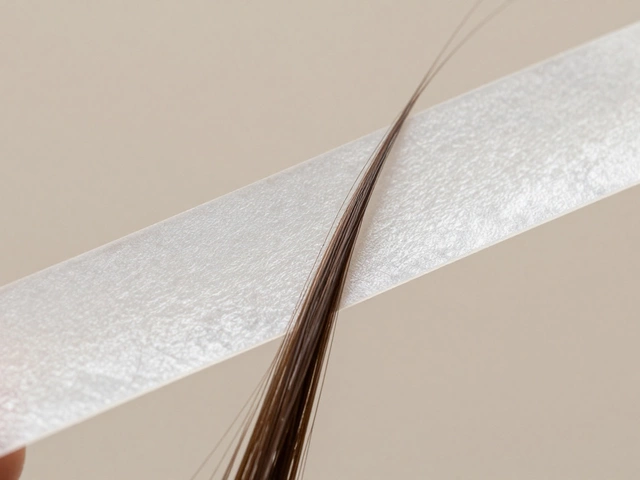
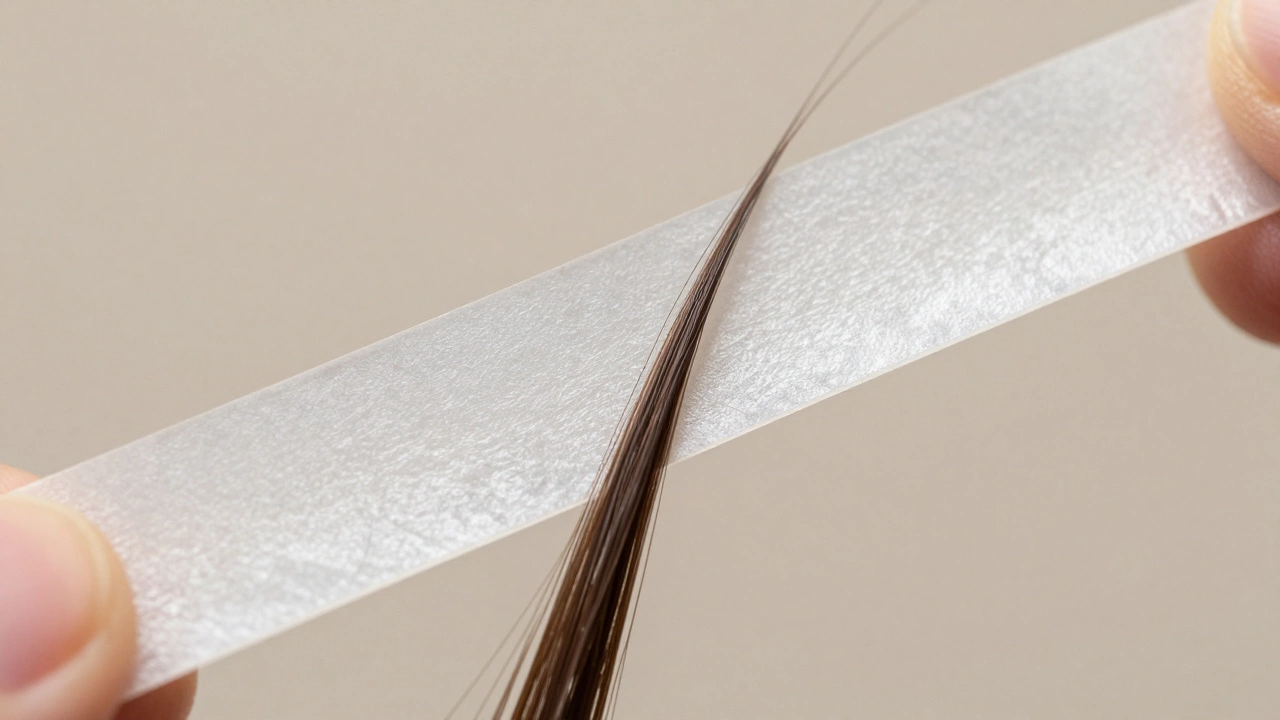
Tape-in extensions are thin wefts of hair attached with medical-grade adhesive tabs. They sit flat against the head, sandwiching a small section of your natural hair between two tapes.
Why they are gentle: They are incredibly lightweight. Because the weight is distributed across a wider surface area rather than a single bead or knot, there is less pull on individual strands. They do not require heat to apply. Removal involves a specialized oil-based remover that dissolves the glue without scrubbing or pulling.
The catch: They need to be moved up every 6-8 weeks. If left in too long, the adhesive can harden and stick to multiple layers of hair, causing breakage during removal. They also work best on medium to thick hair; fine hair might show the bulk of the tape.
2. Micro-Ring (I-Tip) Extensions
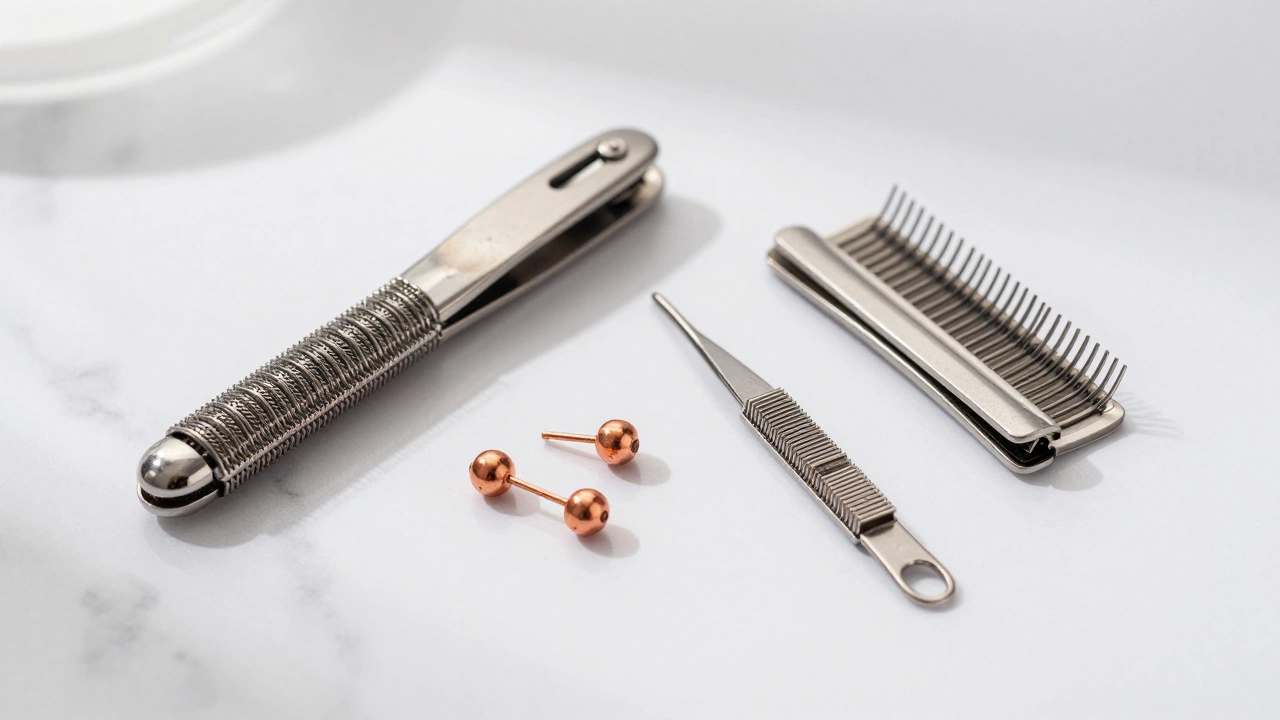
Micro-ring extensions use small copper or silicone beads clamped onto individual strands of natural hair. Also known as micro-bead or nano-ring extensions, this method is mechanical, meaning no glue or heat is involved.
Why they are gentle: Since there is no chemical adhesive, there is zero risk of chemical damage. The silicone lining inside the bead protects the hair shaft from friction. They are reusable, which makes them eco-friendly and cost-effective over time.
The catch: The installation takes a long time (3-4 hours). If the stylist clamps the bead too tight, it can crush the hair cuticle. If they clamp it too loose, the extension slides down and tangles. You must find a skilled technician who understands pressure control.
3. Clip-In Extensions
Clip-in extensions are temporary wefts with metal clips that attach to the hair. You put them in the morning and take them out at night.
Why they are gentle: They offer zero long-term tension because they are removed daily. Your hair gets a break every night. There are no chemicals, no heat, and no permanent alterations to your hair structure.
The catch: Daily clipping can cause mechanical wear if you always clip them in the exact same spot. You need to rotate the placement slightly each day. They can also feel bulky if you have very fine hair.
| Method | Damage Risk | Longevity | Best For |
|---|---|---|---|
| Tape-In | Low | 6-8 weeks | Medium to Thick Hair |
| Micro-Ring | Low-Medium | 3-4 months | All Hair Types (with skill) |
| Clip-In | Very Low | Temporary (Daily) | Fine Hair / Occasional Use |
| Keratin Bond | High | 3-5 months | Thick, Strong Hair |
| Weave/Braids | Medium-High | 6-8 weeks | Protective Styling |
Methods to Avoid if You Want Healthy Hair
If minimizing damage is your priority, steer clear of these options unless you have extremely robust, coarse hair.
Keratin Bond (Fusion) Extensions: These use heated keratin glue to bond extensions to your hair. The application requires high heat, which can cook your natural strand. Removal requires acetone or strong solvents that dry out hair significantly. The bonds are also bulky, creating uneven tension points.
Sew-In Weaves (if too tight): While sew-ins are great for protective styling, many salons braid the base cornrows too tightly to make the weave lay flat. This constant tension on the scalp causes inflammation and hair loss along the hairline. Always ask for a "loose braid" base.
How to Choose Based on Your Hair Type
Your hair density and texture dictate which "low damage" method actually works for you. Using the wrong method on the wrong hair type increases damage risk dramatically.
- Fine, Thin Hair: Go with Clip-ins or very small Tape-ins. Heavy beads or thick wefts will slip out or weigh down your roots, causing breakage. Avoid anything heavier than 0.5 grams per attachment point.
- Medium Density: Tape-ins are ideal here. They blend well and don’t overwhelm the hair. Micro-rings also work if the stylist uses nano-beads (smaller than standard micro-beads).
- Thick, Coarse Hair: You can handle Micro-rings or even Keratin bonds if maintained properly. Your hair has the strength to support the weight without immediate slippage.
- Color-Treated/Damaged Hair: Stick to Clip-ins or Tape-ins. Avoid any method that requires heat or strong adhesives, as your hair is already compromised. Consider taking a break from extensions entirely until your hair recovers.
Maintenance Tips to Prevent Damage
Even the safest extension method will ruin your hair if you treat it poorly. Follow these rules to keep your natural hair healthy.
- Use Sulfate-Free Shampoo: Sulfates strip natural oils and degrade adhesives faster, leading to premature slipping and tangling. Look for shampoos labeled "extension-safe" or "gentle cleansing."
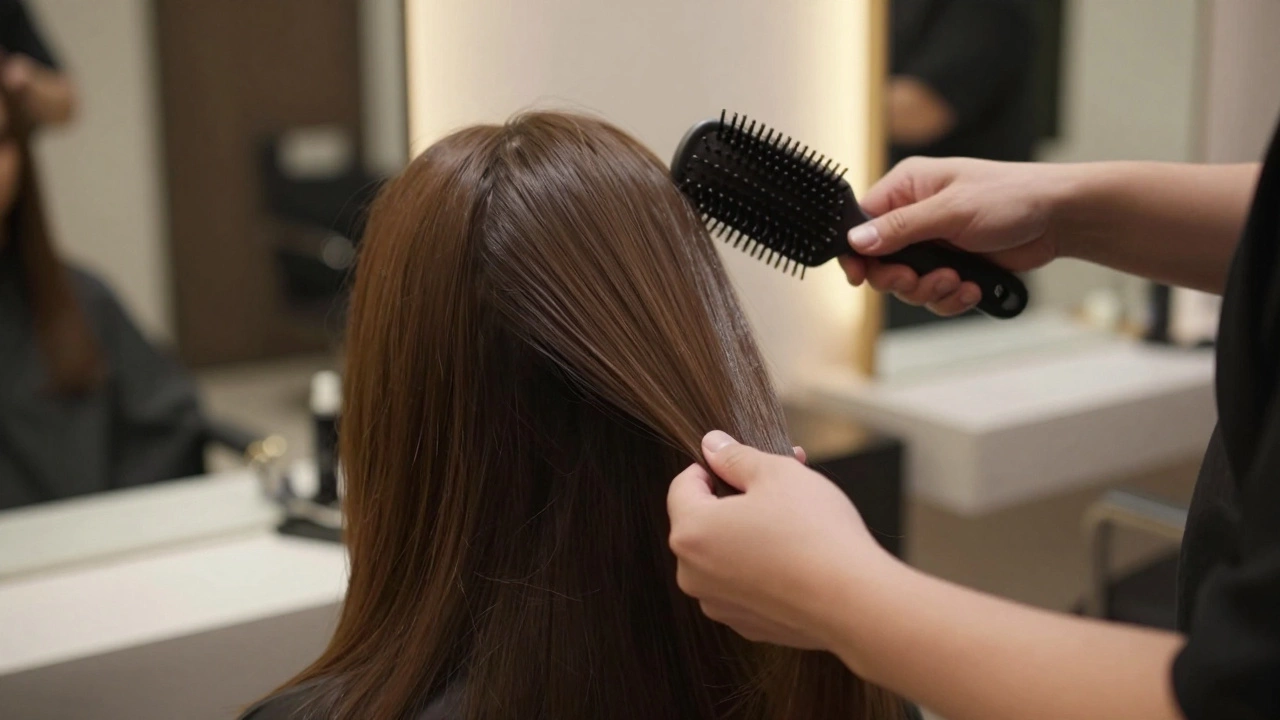
- Brush Correctly: Never brush from the top down. Start at the ends and work your way up to the roots. Hold the base of the extensions to prevent pulling on the scalp. Use a loop brush designed for extensions.
- Sleep Smart: Braid your hair loosely before bed or tie it in a low ponytail. Use a silk or satin pillowcase to reduce friction. Cotton pillowcases create static and tangles that lead to breakage.
- Avoid Heat Near Bonds: When blow-drying, direct airflow away from the attachment points. Heat weakens adhesives and melts silicone beads. Keep hot tools at least an inch away from the roots.
- Regular Maintenance: Do not skip appointments. Tape-ins need moving up every 6-8 weeks. Micro-rings need checking every 4-6 weeks to ensure they haven’t slid down. Leaving them in too long causes matting.
The Verdict: What Should You Pick?
If you want the absolute least damaging option for everyday wear, Clip-in extensions win. They give your hair a nightly rest and involve zero chemicals. But if you want the convenience of semi-permanent extensions without the trauma of glue or heat, Tape-in extensions are the gold standard for safety and comfort. Micro-ring extensions are a close second, provided you trust your stylist’s hand with the crimping tool.
Remember, the stylist matters more than the method. A bad technician can ruin your hair with clip-ins by placing them too tightly. A good technician can make tape-ins last months with minimal impact. Interview your stylist. Ask about their experience with your specific hair type. Look at photos of their previous clients’ hair after removal. If the hair looks healthy, you’re in good hands.
Do tape-in extensions damage fine hair?
Tape-ins can damage fine hair if the wefts are too thick or heavy. For fine hair, request thinner, lighter tape wefts and ensure they are placed further back from the hairline to reduce visibility and tension. If your hair is extremely fine, clip-ins may be a safer alternative.
How long can I leave extensions in without damage?
Tape-ins should be moved up every 6-8 weeks. Micro-rings can last 3-4 months but need checks every 6 weeks. Clip-ins are removed daily. Leaving any semi-permanent extension in beyond its recommended timeframe increases the risk of matting and breakage.
Are micro-ring extensions better than tape-ins?
It depends on your preference. Micro-rings have no adhesive, so they avoid chemical damage, but the metal/silicone beads can be felt in the hair. Tape-ins lie flatter and feel more natural but require adhesive removal. Both are low-damage if installed correctly.
Can I swim with hair extensions?
Yes, but wet hair is fragile. Before swimming, soak your hair in fresh water and apply a leave-in conditioner. After swimming, rinse immediately with fresh water to remove chlorine or salt. Gently squeeze out water and let it air dry. Avoid rubbing with a towel.
How do I know if my extensions are causing traction alopecia?
Signs include tenderness or pain at the scalp, redness around the attachment points, and noticeable hair loss along the hairline or part line. If you experience these symptoms, remove the extensions immediately and consult a dermatologist. Give your hair a break for at least 3-6 months.