Skincare Toxicity Checker
Paste the ingredient list from your product label below. This tool scans for common contaminants discussed in the article, including formaldehyde releasers, parabens, and hidden phthalates.
You might think the most toxic product on Earth is something you’d find in a nuclear waste dump or a chemical factory. Maybe it’s plutonium dust or concentrated sulfuric acid. But if you’re asking this question while standing in your bathroom, staring at a bottle of face cream, you’re likely worried about what’s touching your skin every single day. The truth is, there isn’t one single "most toxic" product because toxicity depends entirely on dose and exposure. However, when we narrow the lens to consumer goods that people apply directly to their bodies, certain ingredients consistently raise red flags.
Let’s cut through the marketing noise. You don’t need a PhD in chemistry to understand why some products are riskier than others. We’re talking about harmful chemicals like parabens, phthalates, and formaldehyde releasers that have been linked to hormonal disruptions and even cancer in animal studies. While no single drop of shampoo will kill you instantly, the cumulative effect of using multiple contaminated products over decades is where the real danger lies. This guide breaks down the actual contenders for the title of "most toxic," separates fact from fear-mongering, and helps you decide what really needs to leave your shelf.
The Myth of the Single Worst Item
If you search online for "the most toxic product," you’ll see lists claiming everything from conventional toothpaste to fast-fashion jeans takes the crown. Here’s the problem: these lists often ignore context. Arsenic is incredibly toxic if you eat a spoonful, but it’s found naturally in trace amounts in rice and seafood without killing us immediately. Similarly, many ingredients in skincare are safe in small concentrations but problematic in high doses or with prolonged use.
The Environmental Working Group (EWG) and other health organizations track thousands of ingredients. They don’t ban things arbitrarily; they look for evidence of endocrine disruption, carcinogenicity, and reproductive harm. When we talk about toxicity in the context of daily life, we aren’t looking for acute poisons. We’re looking for chronic irritants and disruptors. That means the "most toxic" item for you might be different from someone else depending on your skin sensitivity, pregnancy status, or existing health conditions.
So, instead of pointing a finger at one random object, let’s look at the categories that pose the highest statistical risk based on current scientific consensus and regulatory bans in stricter regions like the European Union.
Formaldehyde-Releasing Preservatives
If we had to pick one class of ingredients that scares dermatologists and toxicologists alike, it would probably be formaldehyde-releasing preservatives. Formaldehyde itself is a known human carcinogen. It’s used in embalming fluid for a reason-it stops decay. In cosmetics, manufacturers rarely add pure formaldehyde because it smells awful and is unstable. Instead, they use compounds that slowly release formaldehyde over time to keep bacteria away.
Look for these names on ingredient labels: DMDM hydantoin, imidazolidinyl urea, diazolidinyl urea, quaternium-15, and bronopol. These are sneaky. They’re hiding behind friendly-sounding names. Why are they considered so toxic? Because they can cause allergic contact dermatitis in sensitive users, and long-term exposure has been linked to respiratory issues and potential cancer risks. The EU has banned several of these specific releasers, but they remain legal in many other parts of the world, including the US.
| Ingredient Type | Examples | Primary Risk | Status in EU |
|---|---|---|---|
| Formaldehyde Releasers | DMDM Hydantoin, Quaternium-15 | Carcinogen, Skin Sensitizer | Banned/Restricted |
| Safer Preservatives | Phenoxyethanol, Ethylhexylglycerin | Low toxicity, widely accepted | Allowed |
Switching to products preserved with phenoxyethanol or natural antioxidants like vitamin E can significantly lower your exposure. It’s not just about avoiding cancer; it’s about stopping that itchiness you’ve been blaming on dry weather.
Parabens and Hormonal Disruption
Parabens are the next big contender for the "most toxic" title in skincare. Methylparaben, propylparaben, and butylparaben are everywhere. They’re cheap, effective, and keep your lotion from growing mold in the shower. But here’s the catch: parabens mimic estrogen. Yes, they are weak estrogens, but when you layer them across body wash, deodorant, moisturizer, and makeup, the cumulative load adds up.
A study published in the Journal of Applied Toxicology found parabens in breast tumor biopsies, though it didn’t prove causation. Still, the precautionary principle suggests caution. If you’re pregnant, trying to conceive, or dealing with hormone-sensitive conditions like endometriosis, cutting out parabens is a low-cost, high-reward move. Many brands have jumped on the "Paraben-Free" bandwagon, but beware of greenwashing. Sometimes they replace parabens with methylisothiazolinone (MI), which is a potent allergen. Always check the full list.
Phthalates: The Invisible Fragrance Trap
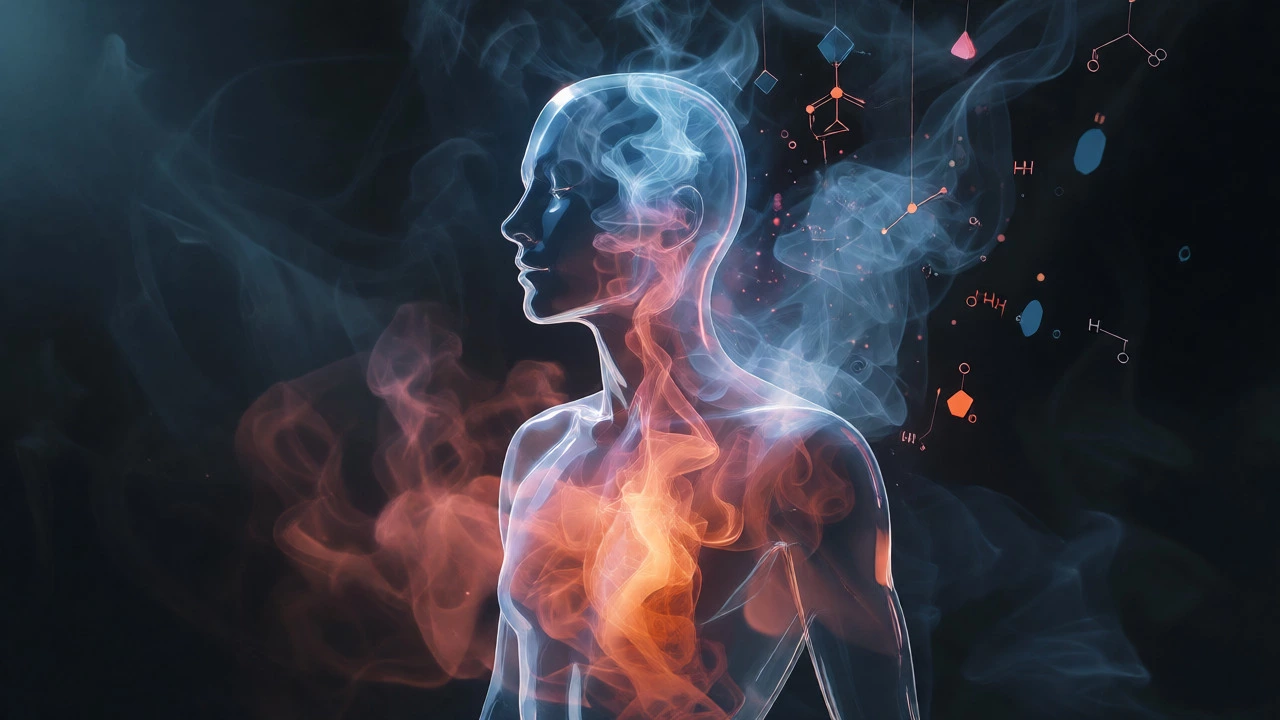
You won’t always see "phthalates" listed on the back of the bottle. Why? Because they’re often hidden under the word "fragrance" or "parfum." Phthalates make scents last longer and help plastics stay flexible. Diethyl phthalate (DEP) is the one most commonly found in personal care products. Unlike parabens, phthalates are strongly linked to reproductive toxicity. Animal studies show clear links to birth defects and developmental issues in males.
This is tricky because fragrance is subjective. One person loves the smell of a lavender body mist; another hates it. But if you want to avoid the most toxic elements, choose products labeled "fragrance-free" rather than "unscented." Unscented products often contain masking fragrances to cover up the raw smell of ingredients, which still contains phthalates. Fragrance-free means no scent was added at all. It’s a subtle difference that makes a huge impact on your chemical load.
Beyond Skincare: Household Culprits
While skincare is our focus, ignoring household products gives an incomplete picture. Air fresheners and dryer sheets are arguably more toxic than your face cream. Why? Because you inhale them. Your lungs absorb chemicals much faster than your skin does. Synthetic musks and volatile organic compounds (VOCs) released by plug-in air fresheners contribute to indoor air pollution. Some studies suggest exposure to these VOCs can trigger asthma attacks and headaches.
Consider this: you spend roughly 90% of your time indoors. If your home environment is saturated with synthetic fragrances and plasticizers, switching to clean skincare is only half the battle. Open windows. Use essential oils sparingly (and correctly-some are photosensitive). Wash clothes with plant-based detergents instead of heavily perfumed ones loaded with optical brighteners that never fully rinse out.

How to Spot a Toxic Product Yourself
You don’t need to memorize the periodic table. There are simple heuristics to spot troublemakers before you buy. First, read the label backwards. Ingredients are listed by concentration, from highest to lowest. If water is first, followed by five unpronounceable chemicals, proceed with caution. Second, look for certifications. USDA Organic, Ecocert, or COSMOS standards require strict limits on synthetic preservatives and petrochemicals.
Third, trust your nose. If a product smells overwhelmingly artificial, it likely relies on heavy fragrance loads. Natural products should smell like their ingredients-earthy, herbal, or neutral. Fourth, check the packaging. Plastic leaches chemicals into liquids, especially if exposed to heat. Glass or aluminum containers are safer bets for preserving the integrity of the formula and keeping microplastics out.
- Check for "Fragrance": Ask the brand what specific components make up the scent.
- Avoid Microbeads: Look for polyethylene or polypropylene in exfoliants.
- Watch for SLS/SLES: Sodium Lauryl Sulfate can strip skin barriers, leading to inflammation.
- Verify Claims: "Natural" is not a regulated term. "Certified Organic" is.
The Verdict: Is Anything Truly Deadly?
So, what is the most toxic product in the world? If we stick to consumer goods, the answer isn't a single item but a category: synthetic fragrance-heavy products. They combine phthalates, potential allergens, and unknown chemical blends into a black box that consumers can’t fully audit. Whether it’s a candle, a perfume, or a scented lotion, these items carry the highest burden of unregulated chemicals.
But don’t panic. Your skin is a robust barrier. It protects you from millions of microbes and pollutants daily. The goal isn’t to live in a sterile bubble. It’s to reduce unnecessary chemical stressors so your body doesn’t have to work overtime to process toxins. Start with the products you use most frequently and leave on your skin longest: moisturizers and serums. Then move to rinsables like shampoos. Small swaps lead to significant reductions in overall toxic load.
Is all synthetic fragrance toxic?
Not necessarily all, but it is the least transparent ingredient. Synthetic fragrances can contain hundreds of undisclosed chemicals, including phthalates and allergens. If you have sensitive skin or hormonal concerns, opting for fragrance-free or naturally scented products is the safest choice.
Are parabens actually dangerous?
The science is mixed but leans toward caution. Parabens are weak endocrine disruptors. While occasional use is unlikely to cause harm, chronic exposure through multiple products may accumulate. Many people choose to avoid them as a precautionary measure, especially during pregnancy.
What is the most toxic household item?
Plug-in air fresheners and synthetic dryer sheets often rank high due to inhalation risks. They release volatile organic compounds (VOCs) and particulate matter directly into your breathing space, which can affect lung health more quickly than topical applications.
Does "clean beauty" mean non-toxic?
No, "clean" is a marketing term, not a regulated definition. A product can be labeled clean and still contain irritating essential oils or questionable preservatives. Always read the ingredient list yourself rather than relying solely on front-label claims.
Can I detox my body from skincare chemicals?
Your liver and kidneys handle detoxification naturally. Switching to cleaner products reduces the input load, allowing these organs to function more efficiently. Hydration and a balanced diet also support your body's natural elimination processes.