Hair Beauty & Health Score Calculator
Answer a few quick questions about your hair's condition, texture and care. We'll estimate its visual appeal using the three scientific markers of attraction — luster, density and uniformity — plus texture, color and maintenance.
Walk into any salon in Wellington or scroll through a feed of celebrity photos, and you'll hear the same refrain: "Your hair is so beautiful!" But if you ask ten different people what actually makes hair "pretty," you'll get ten different answers. Some swear by thick, voluminous curls; others prefer sleek, straight locks that shine like glass. The truth is, there is no single scientific definition for the prettiest hair type. Instead, beauty is a mix of cultural trends, personal preference, and how well your hair is maintained.
However, when we look at global beauty standards and dermatological health markers, certain traits consistently rise to the top. This guide breaks down the specific characteristics that make hair visually appealing, explores why some textures are favored over others in different regions, and explains how you can enhance the natural beauty of whatever type you have.
The Science of Attractive Hair
Before we talk about styles, let's look at what our brains actually find attractive. Research in evolutionary psychology suggests that humans are drawn to hair that signals health and fertility. This isn't just about vanity; it's biology. When we see hair, we subconsciously evaluate its condition based on three key factors: luster, density, and uniformity.
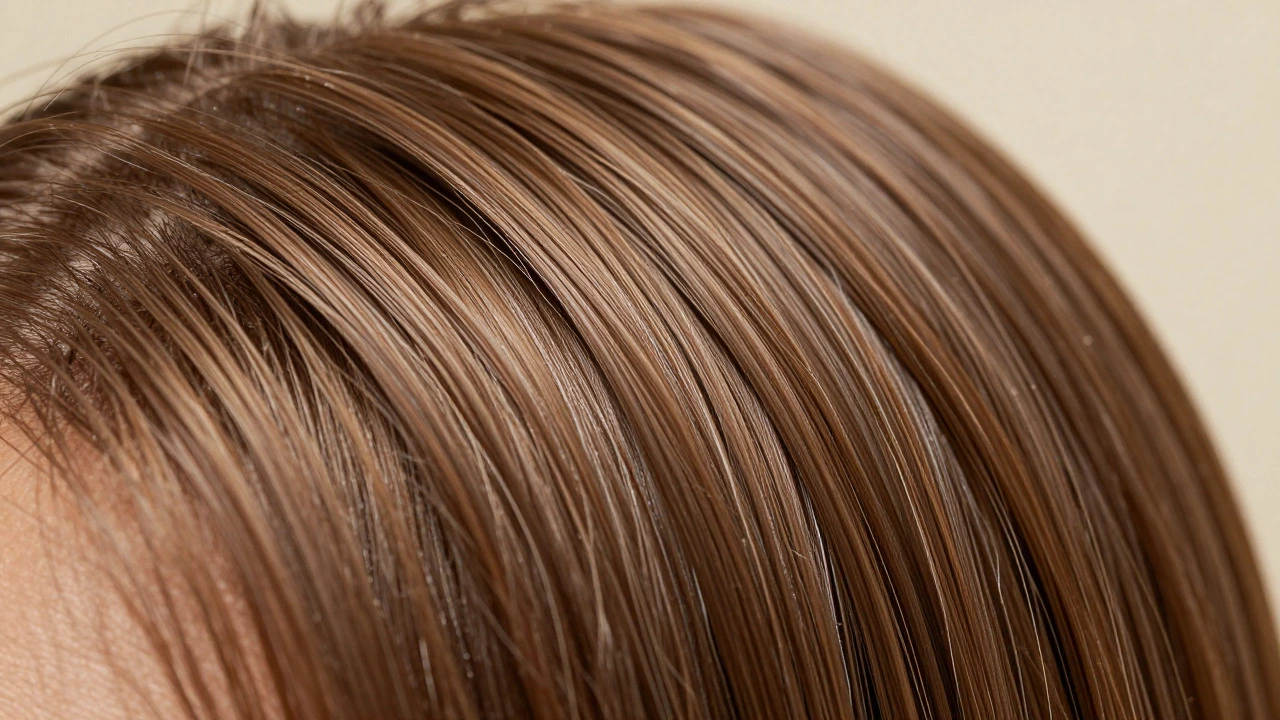
- Luster (Shine): Healthy hair reflects light smoothly. This happens when the cuticle layer-the outer protective shell of each strand-is flat and intact. Damaged or porous hair scatters light, making it look dull. High-gloss hair is often perceived as "cleaner" and more youthful.
- Density (Volume): Thick hair frames the face and creates a silhouette that draws attention. While fine hair can be styled to look full, high-density hair naturally provides a rich, textured canvas that many associate with vitality.
- Uniformity: Consistency in color and texture matters. Sudden patches of gray or significant breakage can disrupt the visual flow. However, this doesn't mean you need to dye every gray hair; rather, it means the hair should look cohesive and well-cared-for.
So, technically, the "prettiest" hair is healthy hair. Whether it's a tight coil or a loose wave, if it shines and feels strong, it meets the biological criteria for attractiveness.
Comparing Major Hair Textures
Hair is generally classified using the Andre Walker system, which ranges from Type 1 (straight) to Type 4 (coily). Each type has unique aesthetic qualities that appeal to different preferences. Let's compare the most common types to see where they stand in the realm of "prettiness."
| Type | Description | Primary Aesthetic Strength | Potential Challenge |
|---|---|---|---|
| Type 1 (Straight) | Lies flat, no curve | Maximum shine, sleekness, and ease of styling | Can appear flat or lifeless without volume |
| Type 2 (Wavy) | Forms an 'S' shape | Natural movement and soft texture | Prone to frizz in humid environments |
| Type 3 (Curly) | Forms distinct loops or spirals | High volume and bouncy structure | Requires moisture to prevent dryness |
| Type 4 (Coily) | Tight zig-zags or corkscrews | Incredible versatility and length retention | Needs frequent deep conditioning due to slow sebum travel |
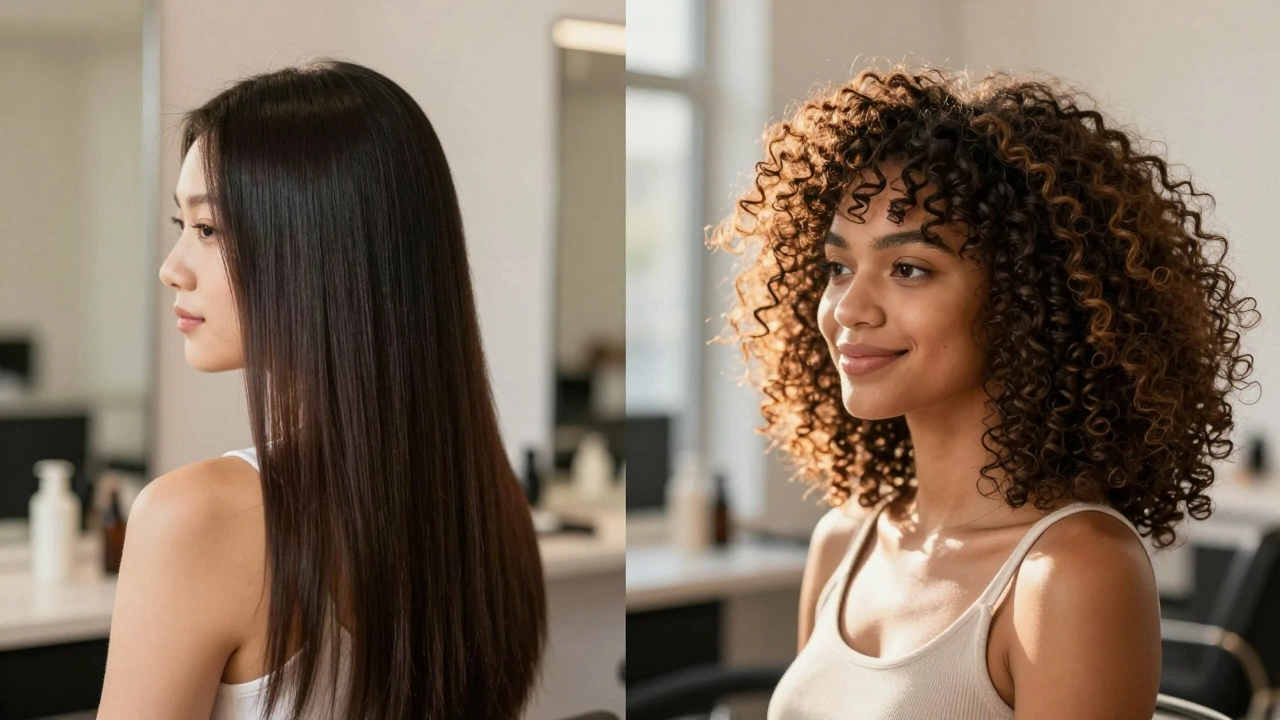
Type 2 wavy hair often gets the "best of both worlds" reputation. It has enough body to look interesting but enough smoothness to be manageable. In contrast, Type 1 straight hair is prized for its polish, especially in professional settings where a clean, put-together look is valued. Meanwhile, Type 3 and 4 hair are celebrated for their dramatic presence and ability to create stunning, sculptural shapes.
Cultural Perspectives on Hair Beauty
If science says healthy hair is pretty, culture dictates which *kind* of healthy hair is trendy. Beauty standards shift dramatically depending on where you live and what media you consume.
In East Asia, particularly in South Korea and Japan, straight, dark, and glossy hair has been the dominant ideal for decades. The concept of "glass hair"-hair so shiny it looks transparent-remains a major trend. Achieving this usually involves minimal heat styling and heavy use of serums and oils to flatten the cuticle.
Conversely, in many Western countries, including New Zealand and the US, there has been a massive shift toward embracing natural texture. The "curly girl method" and the celebration of afro-textured hair have moved from niche movements to mainstream norms. Today, big, defined curls are seen as luxurious and vibrant, whereas previously, they might have been viewed as difficult to manage.
This cultural duality means that the "prettiest" hair type is often the one that aligns with current social trends. If you live in a city where everyone wears sleek ponytails, wavy hair might stand out as fresh. If you're in a community that celebrates natural coils, straightened hair might look less authentic. Understanding your local context helps you decide whether to lean into your natural texture or style it differently.
The Role of Hair Color in Perception
You can't talk about pretty hair without mentioning color. Texture sets the stage, but color delivers the emotional impact. Certain colors are universally flattering because they complement skin undertones, while others require specific maintenance to look good.
- Brown Shades: The most versatile category. Rich chestnut or espresso tones provide high contrast against lighter skin and blend seamlessly with darker complexions. They are low-maintenance and rarely go out of style.
- Blonde Tones: From icy platinum to warm honey, blonde hair draws immediate attention. It looks striking against dark eyes and fair skin. However, it requires frequent toning to avoid looking brassy or yellowed.
- Red Tones: Natural red hair is rare, which makes it highly desirable. Copper and auburn shades add warmth and dimension. Red hair tends to show damage more quickly, so keeping it healthy is crucial for it to look "pretty" rather than faded.
- Black/Dark Brown: Provides the highest level of shine and depth. Dark hair masks imperfections like split ends better than light hair. It pairs exceptionally well with bold makeup or minimalist, natural looks.
Regardless of the shade, the prettiest color is the one that enhances your natural features without requiring daily correction. If you have to spend two hours a week fixing brassiness, the effort might outweigh the aesthetic benefit.
How to Make Your Hair Look Its Best
Since "pretty" is subjective, the best strategy is to maximize the potential of your specific hair type. Here are practical steps to elevate your hair's appearance, regardless of whether it's straight, wavy, curly, or coily.
- Match Your Products to Your Porosity: Low-porosity hair resists moisture absorption, so it needs lightweight liquids and heat to open the cuticle. High-porosity hair loses moisture quickly, so it needs heavier creams and protein treatments to seal in hydration. Using the wrong product is the number one reason hair looks dull.
- Protect the Ends: Split ends travel up the shaft and make hair look ragged. Get a trim every 8-12 weeks. For long hair, consider sleeping on a silk pillowcase to reduce friction and breakage overnight.
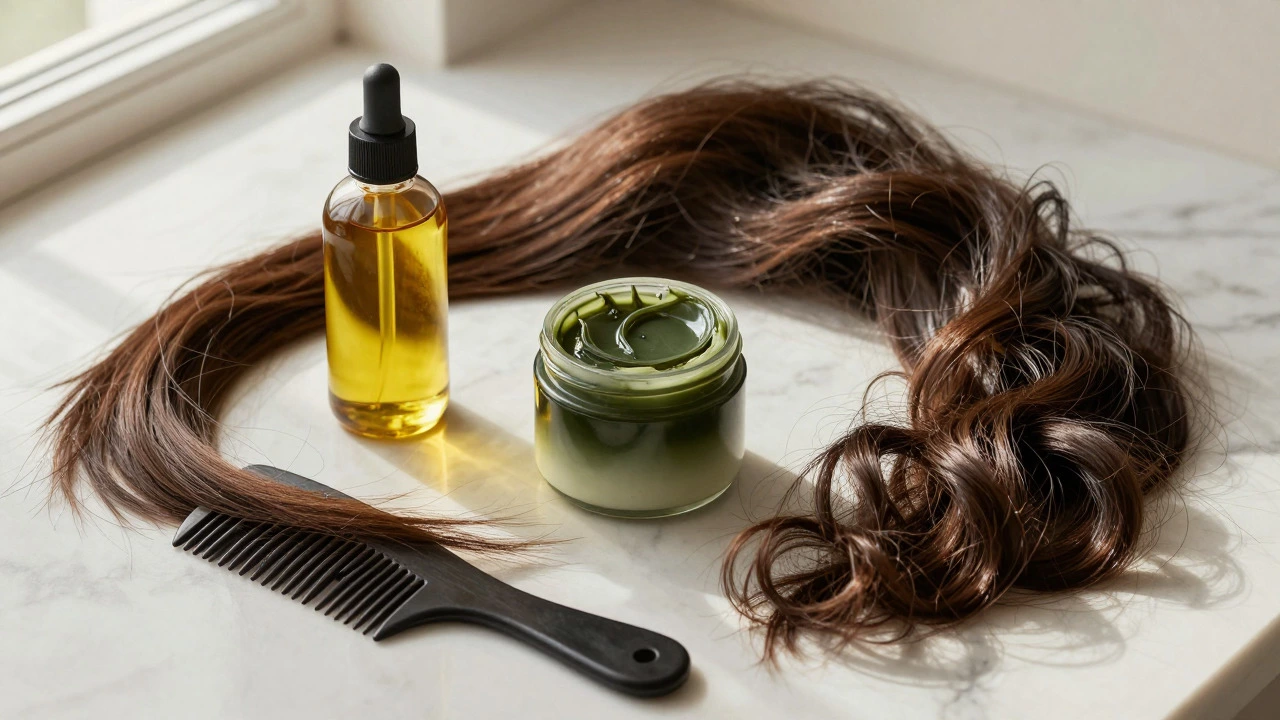
- Embrace Shine Boosters: A few drops of argan oil or a glossing serum applied to damp hair can transform matte strands into glossy ones. Focus on the mid-lengths and ends, avoiding the roots to prevent greasiness.
- Style for Your Face Shape: Bangs, layers, and volume placement can frame your face in flattering ways. Consult a stylist who understands facial geometry to ensure your haircut complements your features, not just your hair type.
Consistency is key. Pretty hair isn't a one-time event; it's a routine. When you treat your hair with respect, the results speak for themselves.
Frequently Asked Questions
Is straight or curly hair considered prettier?
It depends on cultural context and personal preference. Straight hair is often associated with sleekness and professionalism, while curly hair is valued for volume and texture. Both are equally pretty when healthy and well-styled.
What hair color is most universally attractive?
Rich brown shades are generally considered the most universally attractive because they suit a wide range of skin tones and eye colors. However, the most attractive color is the one that harmonizes with your natural undertones.
Does hair thickness affect how pretty hair looks?
Thickness contributes to volume and framing, which many people find attractive. However, fine hair can look very pretty if it is healthy and has good movement. The key is achieving balance between weight and lightness.
How do I know if my hair is healthy enough to be considered pretty?
Healthy hair feels smooth, breaks less frequently, and has visible shine. If your hair feels rough, tangles easily, or lacks luster despite proper washing, it may need deeper conditioning or less heat styling.
Can changing my hairstyle make my hair look prettier?
Yes. A haircut tailored to your face shape and hair density can significantly improve the overall aesthetic. For example, adding layers to thin hair can create the illusion of volume, while blunt cuts can emphasize the weight of thick hair.