Pre-Makeup Routine Builder
Select your primary skin concern to get a tailored step-by-step guide for flawless makeup application.
Select a skin type above to generate your routine.
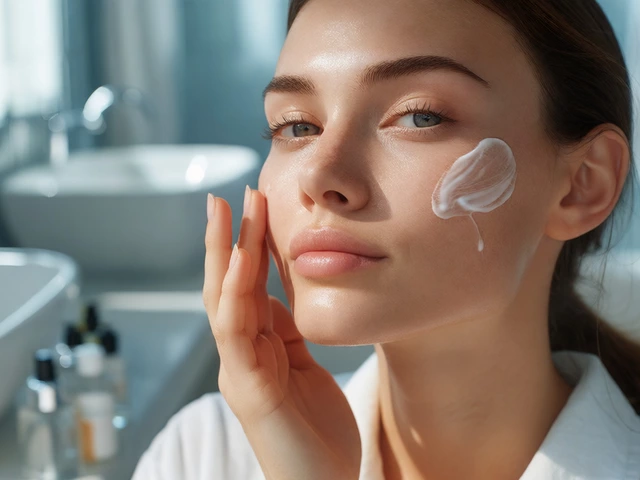
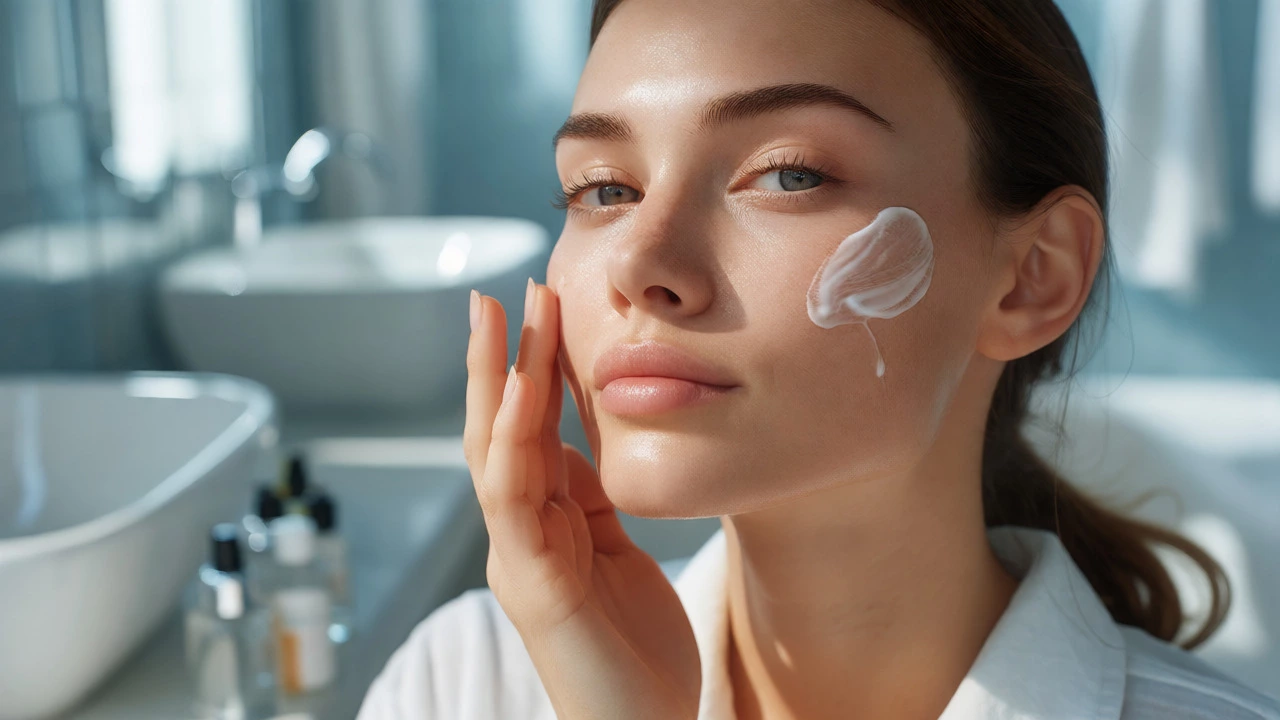
You’ve probably stood in front of the mirror, foundation applied, looking great for about ten minutes before your nose starts to shine or your cheeks look patchy. It’s frustrating, right? Most people blame their foundation formula, but the real culprit is usually what happened before you picked up a brush. The secret to that flawless, airbrushed finish isn’t just in the makeup bag-it’s in the skincare routine that precedes it. If you’re asking what product to use before makeup, the answer isn’t one single magic bottle. It’s a specific sequence of steps designed to hydrate, smooth, and protect your skin so the cosmetics sit on top rather than sink into dry patches or slide off oily zones.
Think of your face like a canvas. You wouldn’t paint a masterpiece on dusty, uneven wood without sanding and priming it first, would you? Your skin is living tissue, which means it reacts to temperature, humidity, and time. In Wellington, where the wind can strip moisture from your cheeks in seconds, skipping prep is a recipe for disaster. This guide breaks down exactly what goes under your makeup, why each step matters, and how to tweak it for your specific skin type. No fluff, no expensive gadgets-just practical steps that actually work.
The Foundation of Great Makeup: Cleansing and Hydration
Before we talk about primers, we have to talk about cleanliness. Applying makeup over sweat, excess oil, or leftover sunscreen from yesterday creates a barrier that prevents adhesion. Start with a gentle cleanser. You don’t need a harsh scrub that strips your natural oils; that actually triggers your skin to produce more oil later, leading to midday grease. Look for a pH-balanced gel or cream cleanser. Rinse with lukewarm water-hot water dilates capillaries and can cause redness that fights against your concealer.
Once your face is clean, hydration is non-negotiable. Many people skip moisturizer because they think it makes their makeup slide off. That’s only true if you apply makeup too soon. Moisturizer needs time to absorb. Apply a lightweight, water-based moisturizer and wait at least five minutes. This pause allows the ingredients to penetrate the stratum corneum (the outer layer of your skin). If you rush this, the foundation mixes with the unabsorbed cream, creating a muddy texture. For those with dry skin, look for hyaluronic acid or glycerin. These are humectants, meaning they pull water into the skin. For oily skin, choose a gel-cream formula that feels weightless.
The Game Changer: Why You Need a Primer
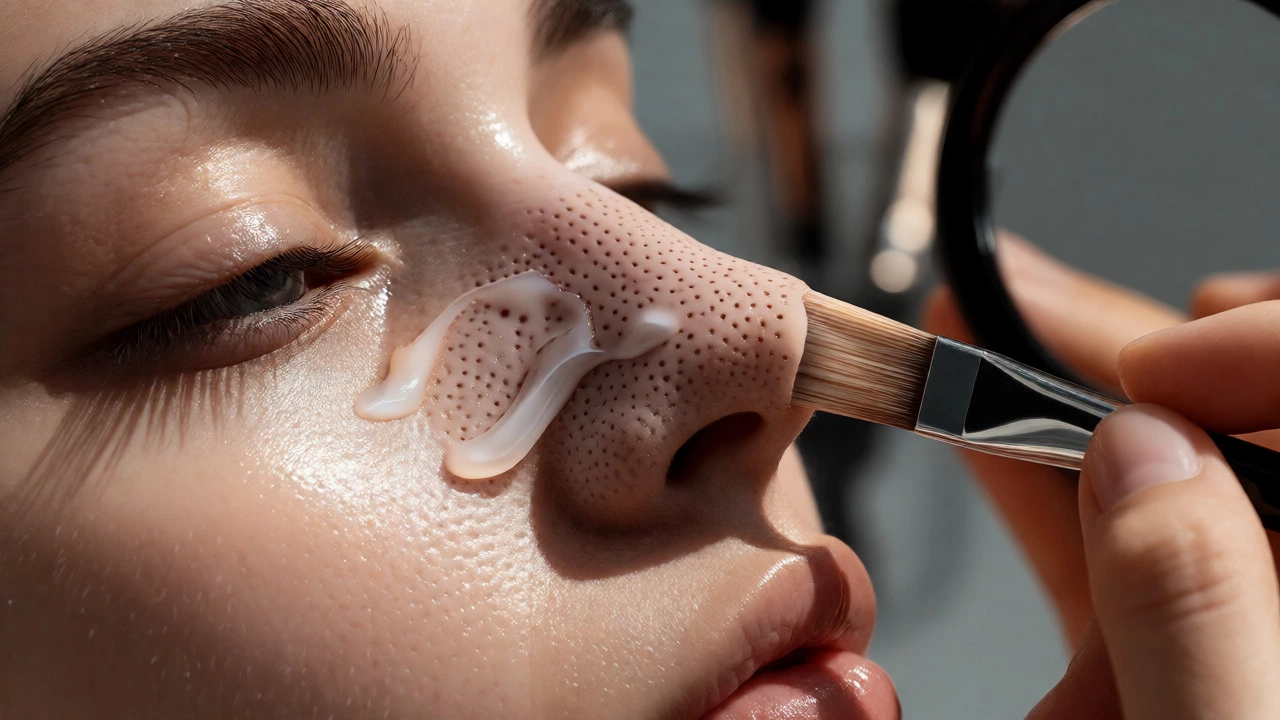
If there is one product that answers the question "what to put on face before makeup" definitively, it’s the primer. But not all primers are created equal. A primer is a cosmetic base coat. Its job is to create a uniform surface for foundation application. Without it, foundation tends to settle into fine lines and pores. With it, the pigment sits evenly, lasting hours longer.
Choosing the wrong primer is the most common mistake. Here is how to match your primer to your skin concern:
- Silicone-based primers: These contain dimethicone or cyclopentasiloxane. They fill in large pores and smooth out texture. Think of them as spackle for your face. Best for oily or combination skin with visible pores. Brands like Smashbox Photo Finish or Benefit Porefessional are classic examples.
- Hydrating primers: These are often water-based and contain ingredients like vitamin E or rosewater. They add a dewy glow and prevent cakey looks. Ideal for mature or dry skin types.
- Gripping primers: Popularized by brands like Milk Makeup, these have a tacky finish. They act like double-sided tape for heavy foundation or cream products. Perfect for long events or humid climates.
- Color-correcting primers: Green neutralizes redness (rosacea), peach brightens dark circles, and lavender counteracts sallow yellow tones. Use these sparingly only where needed, then blend.
Apply primer only where you need it. If you have an oily T-zone but dry cheeks, use a matte silicone primer on your forehead and nose, and a hydrating one on your cheeks. Blending two different primers is a pro move that saves money and improves results.
SPF: The Invisible Layer You Can’t Skip
Here is a controversial take: many makeup artists recommend applying sunscreen before primer, not after. Sunscreen is skincare, not makeup. To be effective, it needs to form a continuous film on the skin. If you mix sunscreen with foundation, you dilute its protection. So, apply your SPF 30 or higher broad-spectrum sunscreen as the last step of your skincare routine, before any cosmetics.
The challenge is pilling. Some sunscreens roll up into little balls when rubbed over. To avoid this, let the sunscreen set for 10-15 minutes before applying primer. Alternatively, choose a chemical sunscreen that absorbs quickly rather than a mineral one with zinc oxide, which can leave a white cast and thicker texture. If you live in a high-UV area like New Zealand summers, never skip this step, even if your foundation has SPF. The amount of foundation you wear rarely equals the recommended dose of sunscreen.
Troubleshooting Specific Skin Types
Your skin changes with seasons, hormones, and age. What worked in July might fail in September. Adjusting your pre-makeup routine based on current conditions is key.
| Skin Type | Cleanser | Moisturizer | Primer Choice | Pro Tip |
|---|---|---|---|---|
| Oily | Foaming gel with salicylic acid | Oil-free gel cream | Matte silicone-based | Blotting papers before powder |
| Dry | Cream or milk cleanser | Rich cream with ceramides | Hydrating or illuminating | Mix drop of facial oil into foundation |
| Combination | Gentle foaming wash | Lightweight lotion | Hybrid (matte T-zone, dewy cheeks) | Spot-prime only oily areas |
| Sensitive | Fragrance-free micellar water | Hypoallergenic balm | Mineral-based or soothing | Patch test new primers |
For sensitive skin, less is more. Fragrances in primers can trigger breakouts. Stick to minimal ingredient lists. If you have active acne, avoid heavy silicones that might trap bacteria. Instead, use a thin layer of niacinamide serum, which helps regulate oil production and reduces redness, followed by a light tinted moisturizer.
The Mistake Everyone Makes: Overloading Layers
A common misconception is that more layers equal better coverage. In reality, stacking too many products causes separation. If you apply toner, essence, serum, eye cream, moisturizer, eye primer, face primer, color corrector, and foundation, you risk a cakey mess. The rule of thumb: keep the skincare simple and let the makeup do the heavy lifting.
Focus on three core steps: Cleanse, Moisturize, Prime. Add SPF if it’s daytime. Anything else should be targeted. Do you have dark circles? Use a dedicated eye cream and concealer, not a full-face heavy lift. Do you have a large pore on your cheek? Dab a tiny bit of pore-filling primer there specifically. Precision beats volume every time.
Also, consider the tools you use to apply these products. Fingers warm up creams, helping them melt into the skin. Brushes provide precision for primers. Sponges (like Beautyblenders) are excellent for pressing foundation into hydrated skin, removing excess product. Using a damp sponge after priming ensures the makeup doesn’t sit on top of the primer but integrates slightly for a natural finish.
Longevity Hacks: Setting the Stage
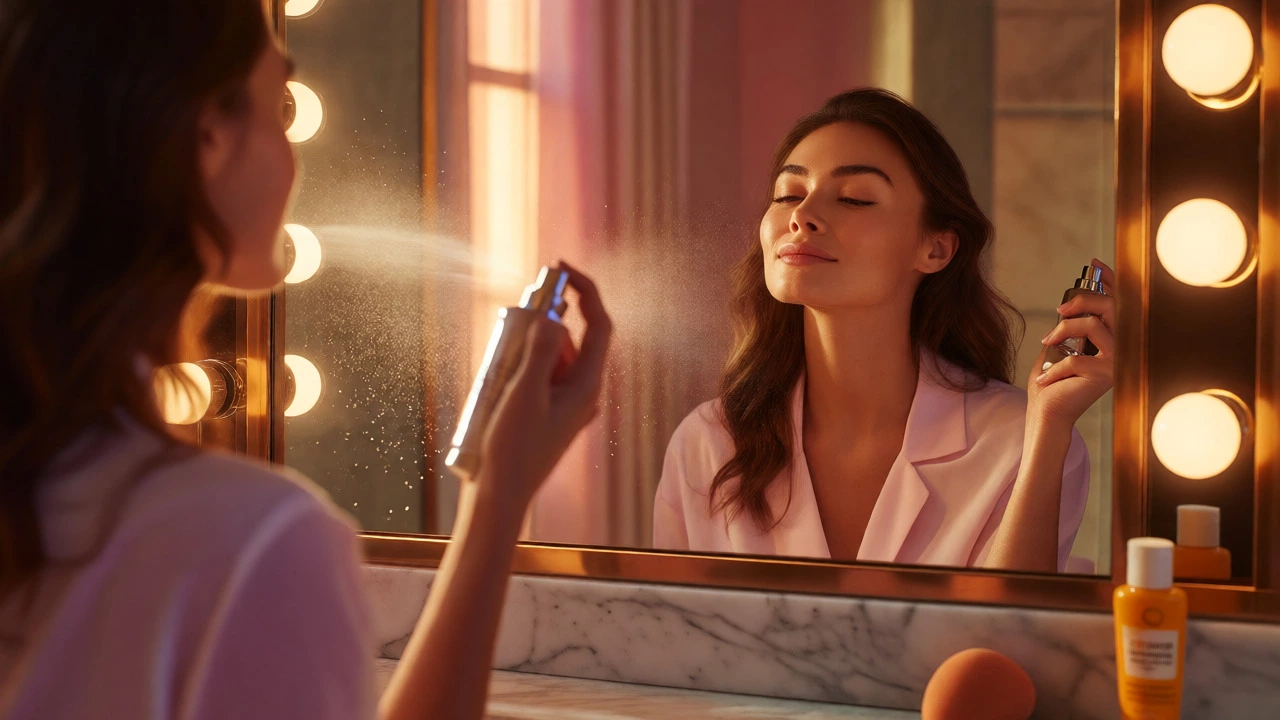
Even the best prep fails if you don’t lock it in. After applying foundation, use a setting spray. This isn’t just marketing hype; setting sprays help meld the layers of makeup together, reducing the powdery look. Spritz from arm’s length in an X and T pattern. Let it dry naturally-don’t fan it dry, as this can disturb the fresh application.
For extreme longevity, try the "sandwich" method. Lightly mist setting spray after primer, before foundation. Then apply foundation. Mist again. Finally, dust translucent powder only on oily areas. This traps moisture and pigment between layers, ensuring your makeup survives a full day of meetings, wind, and coffee breaks.
Remember, skin health dictates makeup quality. If you wake up with dull, dehydrated skin, no amount of primer will fix it completely. Invest in weekly exfoliation (chemical exfoliants like AHAs/BHAs are gentler than scrubs) to remove dead skin cells. Smooth skin reflects light better, making your complexion look radiant without needing thick layers of product.
Can I use moisturizer instead of primer?
Yes, especially if you have dry skin. A rich moisturizer can act as a hydrating base. However, it won't offer the same pore-smoothing or longevity benefits as a dedicated silicone-based primer. If your makeup slides off quickly, switch to a primer.
Do I need primer if I have good skin?
Not strictly. If your skin is smooth, hydrated, and free of large pores, you can skip primer. However, using a gripping primer can still extend the wear time of your foundation and prevent oxidation (where foundation turns orange due to skin oils).
Should I apply sunscreen before or after primer?
Always apply sunscreen before primer. Sunscreen is part of your skincare routine and needs direct contact with the skin to form a protective UV shield. Primer goes on top of skincare to prepare the surface for makeup.
Why does my makeup pill after using primer?
Pilling happens when products don't absorb properly or when incompatible formulas are mixed (e.g., water-based primer under silicone-based foundation). Ensure each layer is fully absorbed before applying the next. Try using products from the same brand line or switching to a universal compatible primer.
Is eye primer necessary?
Highly recommended. Eyelids are oily and crepey. Eye primer prevents eyeshadow from creasing and fading throughout the day. It also intensifies the color payoff of pigments. Without it, shimmer shadows tend to disappear within hours.