
Aging Accelerator Risk Calculator
Check Your Habits
Select all options that apply to your current lifestyle.
Your Risk Profile
Select habits above and click Calculate to see your results.
Top Recommendations:
- Start by applying broad-spectrum SPF 30+ daily.
- Reduce added sugar to protect collagen from glycation.
- Prioritize 7-9 hours of quality sleep for cellular repair.
It is a frustrating reality: you buy the most expensive serum, sleep eight hours a night, and still wake up to fine lines that weren't there last year. You might be doing everything "right" on the surface, but invisible forces are likely accelerating your body's clock faster than natural genetics alone. Premature aging is the process where external factors cause biological deterioration earlier than chronological age would predict. It isn't just about wrinkles; it is about cellular decline, loss of elasticity, and systemic inflammation.
We often blame time, but time is innocent. Time is just the canvas. The paint jobs-the damage-are caused by specific, avoidable triggers. Identifying what speeds up aging the most is the first step to reclaiming your timeline. Here is the hard truth about the biggest accelerators of aging, ranked by their impact on your cells.
The Silent Killer: Chronic Inflammation
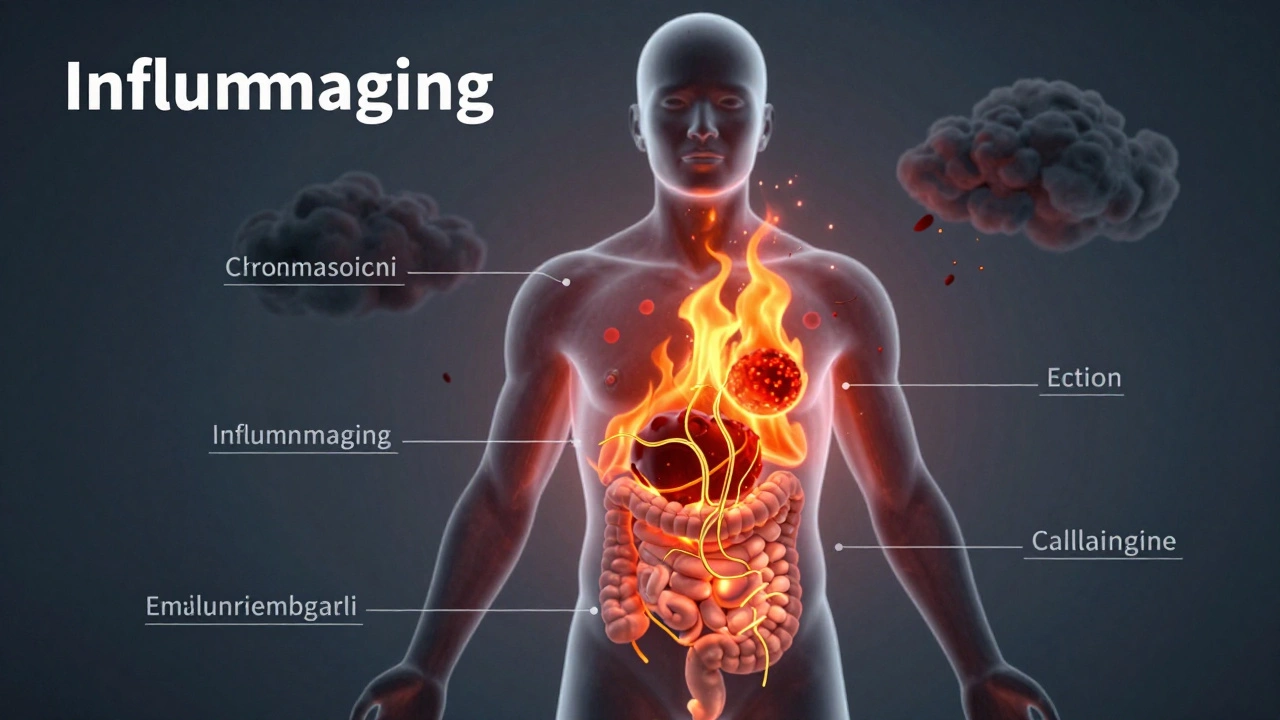
If you had to pick one single factor that drives almost every other sign of aging, it would be chronic inflammation. Scientists call this Inflammaging is a state of low-grade, systemic inflammation that persists over years, damaging tissues and organs.
This isn't the acute inflammation you get from a cut knee, which heals quickly. This is a smoldering fire in your background processes. When your immune system is constantly activated, it releases cytokines-signaling proteins that break down collagen and elastin. Without these structural proteins, your skin sags, your joints stiffen, and your heart health declines.
Where does this come from? Mostly from your gut. A leaky gut allows undigested food particles and toxins to enter the bloodstream, triggering an immune response. To slow this down, you need to focus on gut integrity. This means reducing processed foods high in refined sugars and opting for fiber-rich vegetables that feed beneficial bacteria. Probiotics help, but prebiotics (the food for those bacteria) are equally critical.
Sugar: The Collagen Destroyer
You know sugar isn't great for your waistline, but its effect on your face is arguably more visible. The culprit here is a process called Glycation is a chemical reaction where sugar molecules bind to proteins like collagen and elastin, forming harmful compounds called AGEs.
Advanced Glycation End-products (AGEs) make your collagen stiff, brittle, and prone to breaking. Imagine your skin’s support structure as a bouncy trampoline. Sugar turns that trampoline into a rusty, rigid net. It doesn't bounce back. This leads to deep wrinkles, particularly around the eyes and mouth, and a dull, yellowish complexion.
The worst offenders aren't just candy bars. They are hidden in sauces, breads, and even some "healthy" granola bars. High-glycemic index foods spike your blood sugar rapidly, fueling glycation. Switching to low-glycemic foods like leafy greens, legumes, and fatty fish can significantly reduce AGE formation. If you must have sweet things, pair them with protein or fat to blunt the sugar spike.
UV Radiation: The External Aggressor
Sun exposure accounts for up to 80% of visible facial aging. This phenomenon is known as Photoaging is premature skin aging resulting from repeated exposure to ultraviolet radiation from the sun.
UVA rays penetrate deep into the dermis, shattering collagen fibers directly. UVB rays burn the surface. Together, they create a chaotic environment where your skin prioritizes survival over repair. You don't need a beach holiday to suffer photoaging; driving with windows down or sitting near a window exposes you to significant UVA radiation daily.
Most people apply sunscreen incorrectly. We use too little, reapply too infrequently, or skip it on cloudy days. UVA rays penetrate clouds and glass. The solution is broad-spectrum SPF 30 or higher, applied generously every morning, regardless of weather. Think of it as your daily vitamin, not an optional beach accessory. Physical blockers containing zinc oxide are often better tolerated by sensitive skin than chemical filters.
Oxidative Stress and Environmental Pollutants
Beyond the sun, the air you breathe plays a massive role. Oxidative stress occurs when free radicals outnumber antioxidants in your body, causing cellular damage.
Free radicals are unstable atoms that steal electrons from healthy cells, damaging DNA and proteins. Pollution-specifically particulate matter (PM2.5) and nitrogen dioxide-generates thousands of free radicals upon contact with skin. Living in a city like Wellington or Auckland means constant exposure to traffic exhaust and industrial emissions.
Your body has natural antioxidant defenses, but they deplete over time. You can boost them through diet and topical skincare. Vitamin C, Vitamin E, and Niacinamide are powerhouses that neutralize free radicals. Eating colorful berries, dark chocolate, and green tea provides internal protection. Topically, look for serums with stabilized Vitamin C to protect against environmental assault during the day.
Cortisol: The Stress Hormone
Stress doesn't just live in your head; it lives in your skin. When you are stressed, your adrenal glands release Cortisol is the primary hormone released in response to stress, which breaks down collagen and thins the skin.
High cortisol levels inhibit the production of hyaluronic acid, the molecule responsible for keeping your skin plump and hydrated. This leads to dehydration, fine lines, and a tired appearance. Furthermore, chronic stress shortens telomeres-the protective caps on your chromosomes. Shorter telomeres mean cells divide fewer times before dying, essentially speeding up your biological clock at the genetic level.
Managing cortisol requires more than just "relaxing." It involves physiological regulation. Deep breathing exercises, regular moderate exercise (not excessive endurance training, which can raise cortisol), and adequate sleep are non-negotiable. Even ten minutes of mindful breathing can lower cortisol levels measurably.
Sleep Deprivation and Circadian Rhythm Disruption
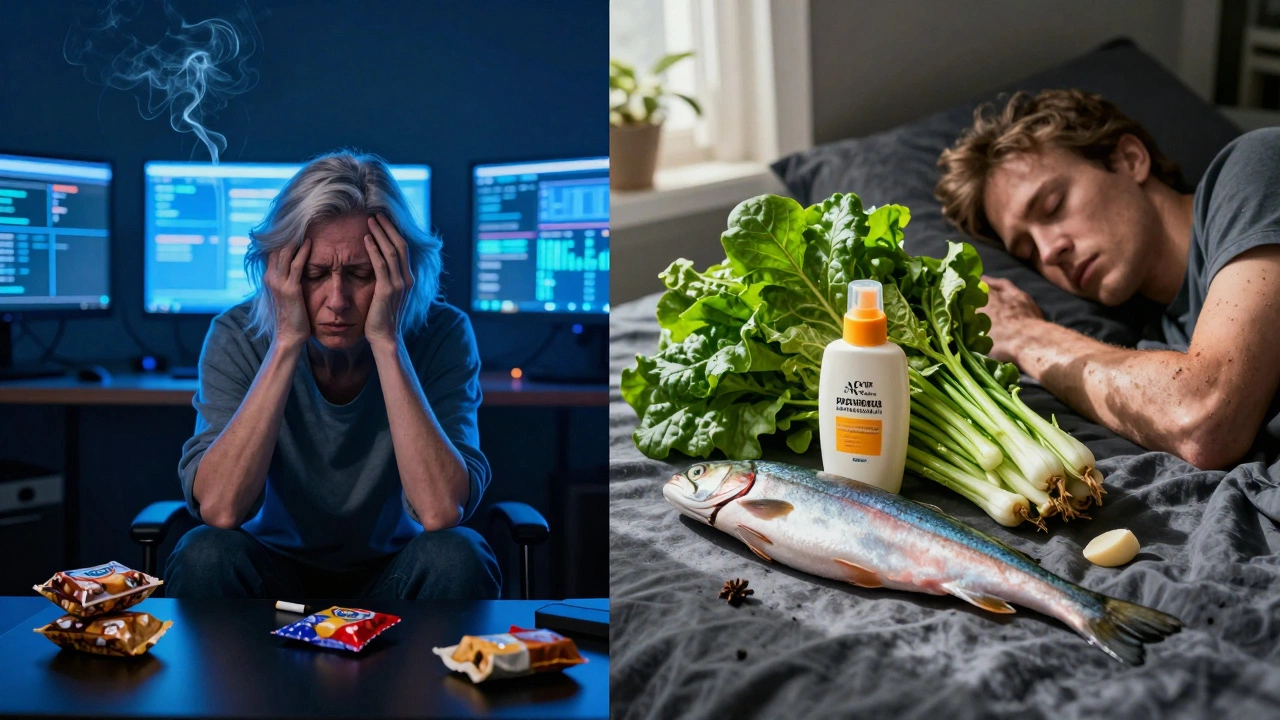
Sleep is when your body repairs itself. During deep sleep, human growth hormone (HGH) is released, stimulating cell regeneration. Sleep deprivation disrupts this process, leading to accumulated cellular damage and impaired cognitive function.
Lack of sleep increases cortisol and inflammatory markers. It also affects your circadian rhythm, the internal clock that regulates gene expression. When this rhythm is off, genes responsible for DNA repair are suppressed. Blue light from screens before bed exacerbates this by suppressing melatonin, the sleep hormone.
To optimize repair, aim for seven to nine hours of quality sleep. Keep your bedroom cool, dark, and quiet. Avoid screens at least an hour before bed. If you work shifts or travel across time zones frequently, prioritize consistent sleep schedules to minimize circadian disruption.
Smoking and Alcohol: The Double Whammy
If there were two substances guaranteed to speed up aging, smoking and heavy alcohol consumption would top the list. Smoking restricts blood flow to the skin, depriving it of oxygen and nutrients. It also destroys collagen and elastin directly. Smokers often develop "smoker’s lines" around the mouth and a leathery texture decades earlier than non-smokers.
Alcohol dehydrates the skin and inflames the gut. It also interferes with nutrient absorption, meaning the vitamins you eat may not reach your cells. Chronic alcohol use increases oxidative stress and liver strain, affecting overall detoxification. Moderation is key. Limiting alcohol intake gives your liver a break and reduces systemic inflammation.
| Accelerator | Primary Mechanism | Visible Sign | Mitigation Strategy |
|---|---|---|---|
| Chronic Inflammation | Cytokine release damages tissue | Sagging, joint pain | Gut health, anti-inflammatory diet |
| Sugar (Glycation) | Forms AGEs, stiffens collagen | Deep wrinkles, dullness | Low-glycemic diet, limit refined carbs |
| UV Radiation | Breaks down collagen/elastin | Sun spots, leathery texture | Daily broad-spectrum SPF 30+ |
| Oxidative Stress | Free radical damage to DNA | Premature graying, fatigue | Antioxidant-rich foods, Vitamin C serum |
| Cortisol (Stress) | Reduces hyaluronic acid | Dehydration, fine lines | Mindfulness, exercise, sleep hygiene |
| Smoking | Restricts blood flow, destroys elastin | Perioral lines, gray tone | Cessation, nicotine replacement therapy |
How to Reverse the Damage
Understanding what speeds up aging is only half the battle. The good news is that many of these processes are reversible or manageable. You cannot change your genetics, but you can control your environment and habits.
Start with the basics: protect your skin from the sun, eat whole foods, and manage stress. These three pillars address inflammation, glycation, and oxidative stress simultaneously. Add targeted skincare ingredients like retinoids, which stimulate collagen production and accelerate cell turnover. Retinoids are the gold standard in topical anti-aging, backed by decades of clinical research.
Consider periodic blood tests to monitor markers of inflammation (like CRP) and metabolic health (like HbA1c). This data-driven approach helps you adjust your lifestyle before visible signs appear. Remember, consistency beats intensity. Small, daily choices compound over time, either accelerating your decline or preserving your youth.
Does cold weather speed up aging?
Cold weather itself doesn't directly age you, but it can dry out your skin, compromising your moisture barrier. This makes existing damage from UV or pollution more visible. Using a rich moisturizer and humidifier in winter helps maintain skin integrity.
Can supplements reverse aging?
Supplements like collagen peptides, omega-3s, and CoQ10 can support skin health and reduce inflammation, but they are not magic bullets. They work best when combined with a healthy diet and lifestyle. Whole foods provide a broader spectrum of nutrients than any pill.
Is blue light from screens really harmful?
Blue light generates some oxidative stress, but its impact is minimal compared to UV radiation. However, prolonged screen time disrupts sleep patterns, which indirectly accelerates aging by increasing cortisol and reducing repair time. Taking breaks and using night mode settings can help.
How much sleep do I need to prevent aging?
Most adults need between seven and nine hours of quality sleep per night. Consistency is key. Going to bed and waking up at the same time helps regulate your circadian rhythm, optimizing hormone release and cellular repair processes.
What is the best anti-aging ingredient?
Retinol (a form of Vitamin A) is widely considered the most effective topical anti-aging ingredient. It boosts collagen production, fades pigmentation, and improves skin texture. Start with a low concentration and build tolerance to avoid irritation.