Aesthetician Earnings Calculator
Calculate Your Potential Earnings
See how your specialization, location, and experience level affect your potential salary as an aesthetician in New Zealand.
Not all aestheticians earn the same. Some work in quiet spas with steady clients and modest pay. Others walk into clinics making six figures, handling procedures most people don’t even know exist. If you’re asking what type of aesthetician makes the most money, the answer isn’t about how many facials you give-it’s about where you work, what tools you use, and what licenses you hold.
Medical Aestheticians Earn the Most
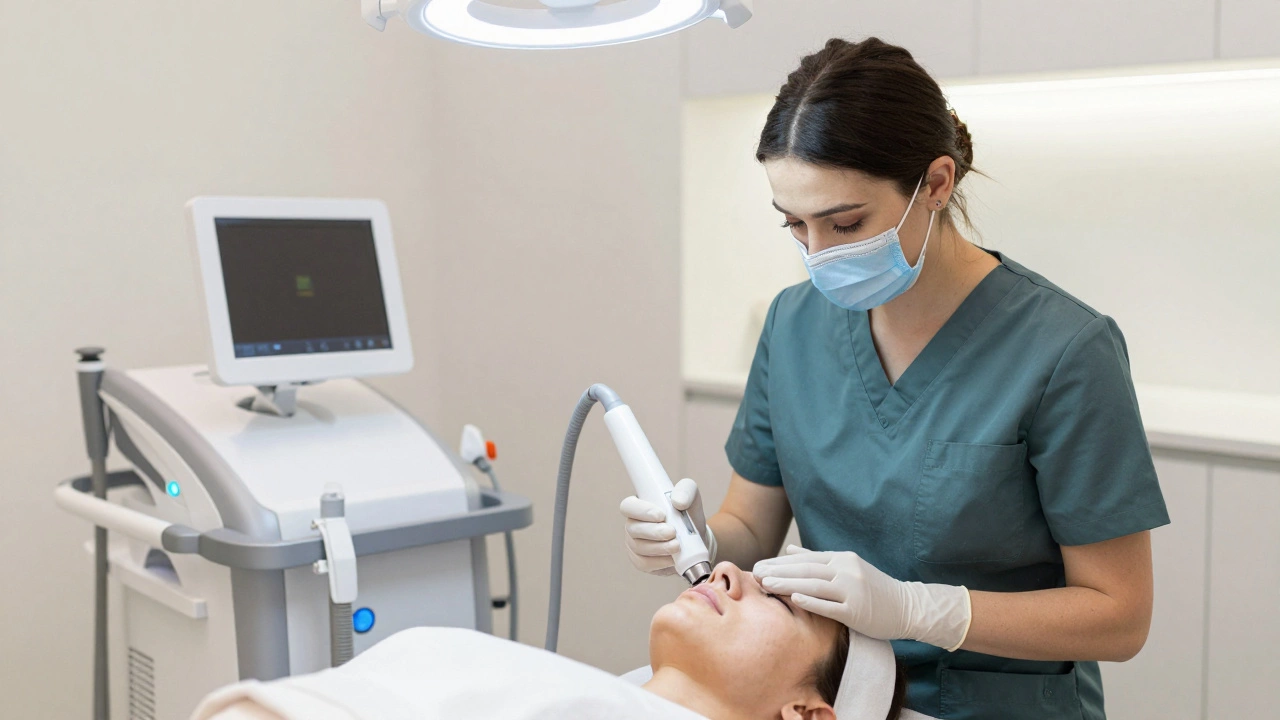
The highest earners in the field are medical aestheticians. These professionals work under the supervision of dermatologists or plastic surgeons in clinical settings. They don’t just do facials. They handle laser hair removal, chemical peels for scarring, microneedling with PRP, and non-surgical body contouring. Some even assist during minor surgical procedures or manage post-op care.
In New Zealand, a medical aesthetician with three to five years of experience can earn between $70,000 and $110,000 a year. In cities like Auckland or Wellington, those working in private cosmetic clinics often make more. Why? Because they’re not just selling a service-they’re delivering medical-grade results. A single laser session for pigmentation can cost $400. An aesthetician who does five a day, five days a week, adds up fast.
What sets them apart? They’re trained in anatomy, skin pathology, and medical device operation. Many hold certifications from the New Zealand Association of Aesthetic Medicine or complete advanced courses through the Australasian College of Cosmetic Surgery. They understand how to adjust settings on a Fraxel laser based on Fitzpatrick skin type. That’s not something you learn in a 12-week spa course.
Spa Aestheticians Make Less-But It’s Stable
If you work in a day spa, resort, or boutique salon, you’re likely a spa aesthetician. Your day might include hot stone facials, waxing, eyebrow tinting, and microdermabrasion. These roles are important. They’re the face of the brand. But pay reflects the scope.
In New Zealand, most spa aestheticians earn between $45,000 and $65,000 annually. Hourly rates range from $25 to $35, with tips adding maybe $5-$10 extra per client. Some high-end spas in Queenstown or Rotorua pay more, but rarely over $70,000 unless you’re managing the team.
The trade-off? Less stress, more routine, and no liability for medical complications. You’re not responsible if someone gets a chemical burn from a 50% TCA peel-you’re not allowed to do one. Your tools are gentler. Your clients are looking for relaxation, not transformation.
Cosmetic Injectors Are the Top Earners
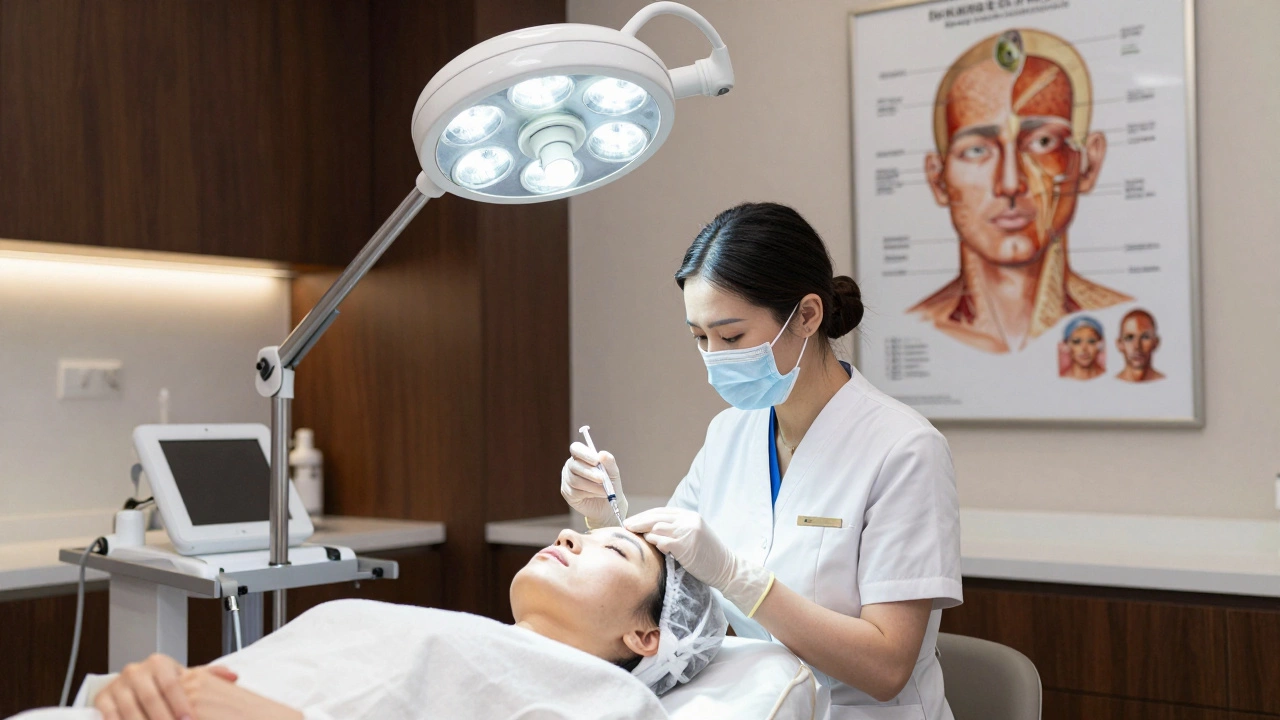
There’s one role that out-earns even most medical aestheticians: the cosmetic injector. These are licensed nurses, doctors, or advanced practice aestheticians trained to administer dermal fillers and neuromodulators like Botox, Dysport, and Juvederm.
In New Zealand, only registered nurses or medical practitioners can legally inject Botox. But many clinics hire experienced aestheticians as assistants who prep the area, map injection zones, and handle aftercare. Some go further-by completing the Postgraduate Certificate in Cosmetic Injectables through the University of Otago or the New Zealand Institute of Aesthetic Medicine. Once qualified, they can operate independently under a doctor’s supervision.
How much do they make? Top injectors earn $120,000 to $180,000 a year. Why? Because each Botox treatment costs $400-$800. A skilled injector can do 15-20 sessions a week. That’s $6,000 to $16,000 a week in revenue. Even after clinic fees, their take-home is far higher than a spa aesthetician’s.
But it’s not just about volume. Clients come for results. A bad Botox job can leave someone with a drooping eyelid. That’s why training is strict. You need to know facial anatomy down to the nerve branches. You need to understand how filler migrates. You need to recognize vascular occlusion signs. One mistake can cost you your license-and a lawsuit.
Specialization Beats Generalization
The most successful aestheticians aren’t the ones who do everything. They’re the ones who master one thing-and do it better than anyone else.
Think about it: a generalist might do waxing, facials, and LED therapy. But a specialist in acne scarring? They attract clients from across the country. A specialist in post-laser skin recovery? They get referred by dermatologists. A specialist in ethnic skin concerns? They build a loyal, high-value clientele.
One aesthetician in Christchurch focused only on treating melasma in women of Asian descent. Within two years, she had a 12-month waiting list. She didn’t advertise on Facebook. Her clients came because they’d been told, “Go see her. She knows what she’s doing.”
Specialization requires deeper training. It means reading journals, attending workshops on hyperpigmentation, learning how different skin tones react to light-based therapies. It means tracking outcomes. It means saying no to services that dilute your expertise.
Location Matters-But Not How You Think
You might assume working in Auckland means higher pay. That’s true-but only if you’re in the right clinic. A spa aesthetician in a mall in Papakura might make less than one in a boutique clinic in Wellington’s Courtenay Place.
The real differentiator isn’t the city-it’s the client base. Clinics that serve high-income professionals, celebrities, or medical tourists pay more. They charge more. And they expect more from their staff.
Also, consider international demand. New Zealand has become a destination for medical tourism from Australia and Asia. Clients from Singapore or Hong Kong pay in USD or AUD and expect premium service. An aesthetician who speaks Mandarin or understands Asian beauty standards can command higher rates.
Education and Certification Are Non-Negotiable
You can’t become a top earner without investing in your education. A basic Level 4 Certificate in Aesthetics from a polytech won’t get you into a cosmetic clinic. You need:
- Level 5 or 6 qualifications in Advanced Skin Treatments
- Certification in Laser Safety (required by WorkSafe NZ)
- Training in Injectables (for those aiming to assist or perform)
- Continuing education credits every year
Many employers now require proof of ongoing learning. The New Zealand Association of Aesthetic Medicine offers annual workshops on new devices, safety protocols, and emerging trends. Skipping these means falling behind-and losing pay.
Don’t be fooled by online “certifications” from overseas platforms. New Zealand regulators don’t recognize them. If you’re working legally, your credentials must come from NZ-accredited institutions.
How to Get Started If You Want to Earn More
If you’re serious about increasing your income, here’s the path:
- Start with a Level 4 Certificate in Aesthetics-this is the minimum to work in a salon.
- Work in a medical clinic, even as a receptionist or assistant. Learn the environment.
- Enroll in a Level 6 Advanced Skin Treatments course. Focus on lasers and peels.
- Apply for a role as a medical aesthetician. Build your client list.
- Pursue a Postgraduate Certificate in Cosmetic Injectables if you’re a registered nurse.
- Specialize. Pick one area-acne scars, rosacea, skin tightening-and become known for it.
It takes time. Most top earners spent 5-7 years climbing. But the payoff is real. You’re not just selling skincare-you’re changing how people feel about themselves.
What Holds People Back
The biggest mistake? Thinking you can skip the hard parts. You can’t become a top earner by doing cheap online courses and hoping for the best. You can’t work in a clinic without the right license. You can’t inject fillers without training.
Another trap: chasing quick money. Some aestheticians take jobs in unregulated “beauty bars” offering Botox without medical oversight. These places often get shut down. Clients get injured. Your name gets dragged through the courts.
Long-term success isn’t about shortcuts. It’s about credibility. It’s about being the person other professionals trust.
