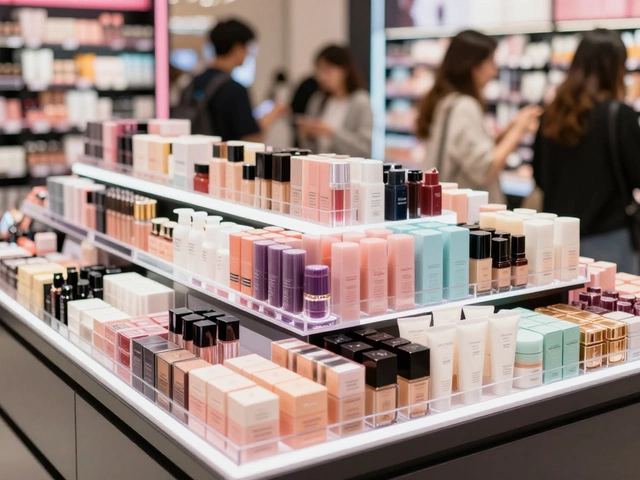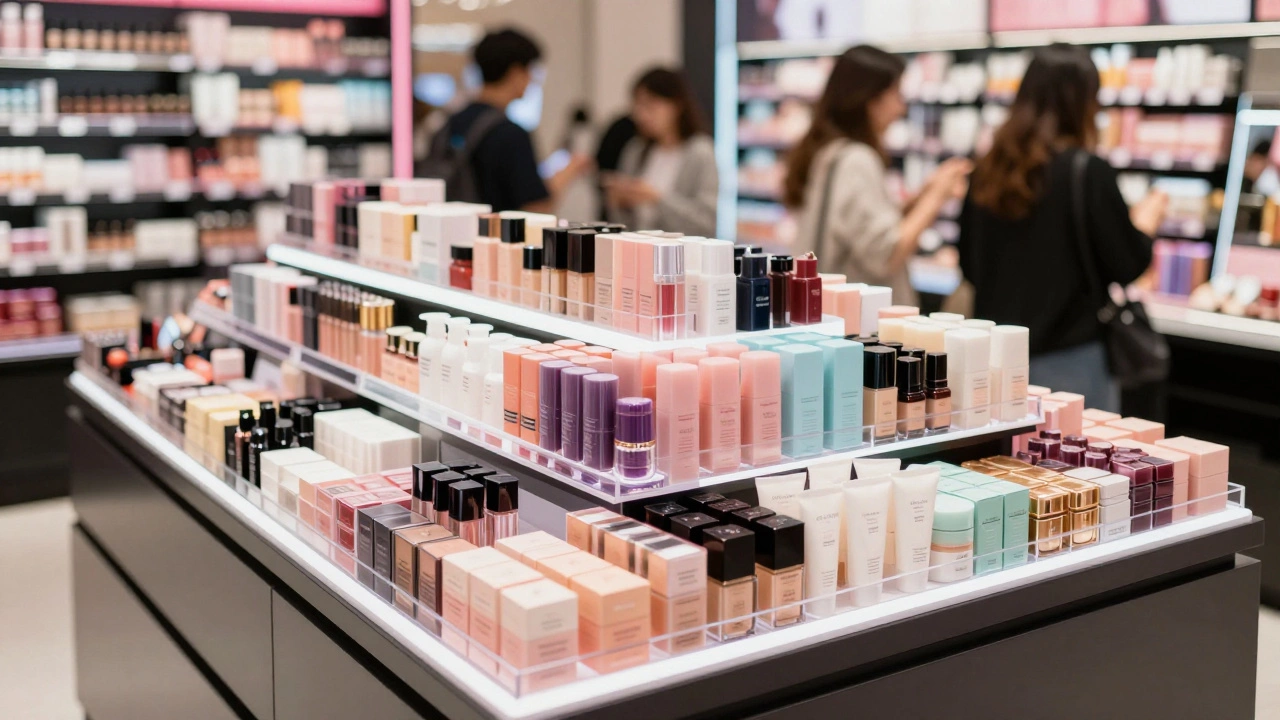
Determining the number one beauty brand isn't like ranking sports teams; there is no single trophy. In early 2026, the landscape has shifted again. If you ask a retail executive in New York, they might tell you something different than a dermatologist in Seoul. The top beauty brand depends entirely on what metrics matter most to you.
Some measure success by pure sales volume, where mass-market giants reign supreme. Others look at prestige pricing and brand loyalty among luxury shoppers. Then there are those who prioritize ethics, looking for companies that lead in sustainability and cruelty-free practices without compromising on quality. Let’s cut through the marketing noise and look at the actual numbers and reputations that define the current winners.
The Short Version: Key Takeaways
If you just need a quick answer before choosing what to buy, here are the essential facts:
- L’Oreal Group remains the largest cosmetic conglomerate globally by revenue.
- Estée Lauder Companies dominates the prestige segment with iconic house brands.
- Shiseido leads in advanced research and anti-aging technology.
- Ethical shopping increasingly favors Clean Beauty certified options over traditional giants.
- Regional preferences vary significantly between Asia, Europe, and North America.
How We Define “Top” in 2026
Before picking a winner, you have to decide what wins mean. In the beauty industry, two main currencies drive conversation: revenue and reputation. Financially, the market continues to grow despite economic pressures. The total global personal care market reached new heights in 2025, projected to stabilize in 2026. When we talk about the biggest players, we are often talking about parent corporations rather than individual product lines.
A single company like L’Oréal owns dozens of distinct names ranging from drugstore favorites to high-end salon treatments. Similarly, the Estée Lauder Companies manages a portfolio that includes NARS, MAC, and Bobbi Brown. Understanding this hierarchy is crucial. You might think you are comparing Fenty Beauty against Maybelline, but behind the scenes, they belong to different corporate structures with different supply chains and quality control standards.
L’Oréal Group is the world’s largest cosmetics company headquartered in Paris, France. Founded by Eugene Schueller in 1909, it now controls brands like L’Oréal Paris, Lancôme, and Yves Saint Laurent Beauty. They lead the market in scientific innovation and sustainable sourcing initiatives.When I shop in Wellington, I notice how availability plays a role. A brand might be huge globally, but if they don’t ship internationally or lack local stockists, they aren’t accessible for me. That said, digital distribution has solved many of these logistical headaches over the last few years.
The Global Giant: L’Oreal Group
If you judge purely by bank balance, L’Oréal Group is difficult to beat. They hold a massive share of the global market across multiple sectors. Their strategy involves covering every price point. You find their products in pharmacies, supermarkets, and elite department stores.
Their research and development spending sets a high bar for the entire industry. They invest billions annually into science, focusing on ingredients like Pro-Xylane and Copper Peptides. This level of backing means their entry-level products often benefit from technology originally designed for their luxury divisions. When you see a breakthrough formula in their budget mascara, it is frequently derived from clinical studies conducted for their higher-priced serums.
However, this scale comes with scrutiny regarding animal testing policies in certain markets. While they claim adherence to cruelty-free principles in regions like New Zealand and Europe, some consumers remain cautious about their compliance in regions where law mandates testing. For the ethically minded shopper, this is a critical factor in weighing them as the "top" choice.
The Prestige Powerhouse: Estée Lauder Companies
Estée Lauder Companies is a multinational cosmetics corporation founded in 1945. Known for luxury goods, its portfolio includes Clinique, MAC Cosmetics, and Jo Malone. They specialize in premium pricing and exclusivity strategies.In terms of luxury influence, this group commands significant cultural capital. Their ability to sell high-margin items drives their valuation. Unlike mass-market competitors, they rely less on volume and more on perceived value. A foundation from their flagship label costs significantly more than a pharmacy equivalent, yet sells out rapidly.
Their strength lies in consumer trust built over decades. The Advanced Night Repair serum is a cultural icon, often considered a staple in skincare routines worldwide. This kind of brand loyalty is hard to manufacture quickly. Even in 2026, social media influencers and experts continue to reference their classic formulas as gold standards for consistency and efficacy.
However, younger consumers sometimes view this legacy as old-fashioned compared to agile indie brands. Despite this, their acquisition strategy helps them stay relevant. By buying trending indie labels and giving them global distribution, they effectively neutralize competition while keeping their main image intact.
Asian Innovation Leaders: Shiseido
Western dominance is fading slightly as Asian beauty markets expand. Shiseido, founded in 1872, brings centuries of experience to modern formulations. They are particularly strong in the anti-aging space. Their focus on combining Eastern botanicals with Western biotechnology creates a unique niche.
For someone living in a region with varying climates like New Zealand, Shiseido’s hydration technologies perform exceptionally well. Their emphasis on skin barrier protection resonates with the growing demand for gentle, restorative skincare over harsh exfoliants. In 2026, the "skinimalism" trend continues, favoring fewer, better products, which aligns perfectly with Shiseido’s premium positioning.
Furthermore, their investment in Korean subsidiaries gives them a direct pipeline into the K-Beauty revolution. Many products sold under the Korean banner are co-developed or fully manufactured using Shiseido technology. This cross-pollination makes them a top contender for anyone looking for cutting-edge texture and delivery systems.
Sustainability and Ethics: The New Metric
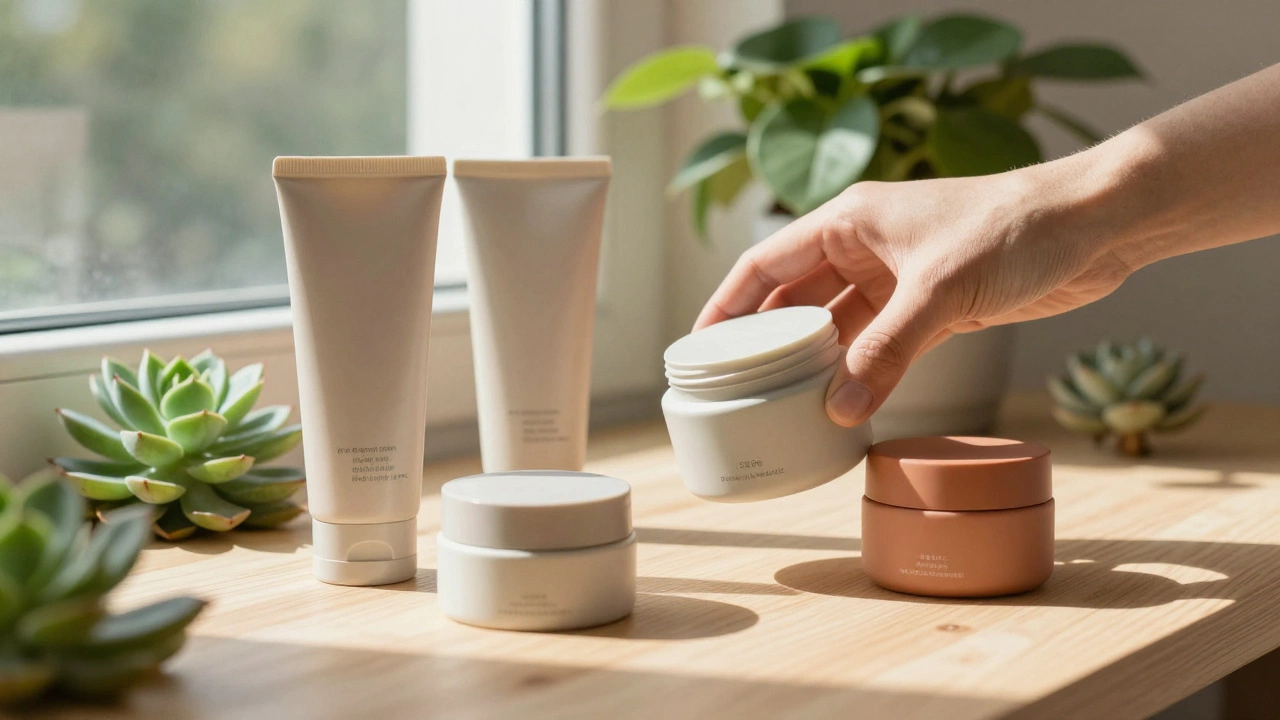
In the past, "top" meant biggest sales. Today, especially among Gen Z and Millennials, top also means cleanest conscience. Consumers are checking ingredient lists harder than ever. Terms like “clean,” “vegan,” and “refillable” carry real weight at the checkout counter.
This shift creates a tension between legacy giants and purpose-driven startups. Some large groups have launched dedicated clean sub-brands to capture this market. However, purists argue that true commitment requires the entire corporate structure to align, not just one side hustle.
There is a rise in certifications backed by independent bodies. Look for logos verifying that third-party organizations tested for toxins. As of 2026, regulatory frameworks in Europe and parts of the US have tightened around fragrance labeling. Brands adhering to these stricter standards gain a competitive edge in safety-conscious circles.
| Brand Group | Primary Focus | Price Range | Best For |
|---|---|---|---|
| L’Oréal Group | Global Mass & Luxury | $ - $$$$ | Variety & R&D Tech |
| Estée Lauder Co. | Prestige Fragrance & Skin | $$ - $$$$ | Luxury & Loyalty |
| Shiseido | Anti-Aging & Science | $$$ - $$$$ | Mature Skin Care |
| The Ordinary | Transparency & Ingredients | $ - $$ | Budget Minimalism |
| Paula’s Choice | Dermatologist Approved | $$ - $$$ | Acne & Sensitivity |
Selecting Your Personal Winner
While rankings provide direction, your ideal brand depends on your biology and wallet. High-end formulas often feature slower-absorbing emulsions that might feel too rich for oily skin types. Conversely, budget brands might skip expensive preservatives, which could irritate sensitive skin over time.
I recommend starting with your specific concerns. If you are fighting hyperpigmentation, look for brands that publish clinical trial data for their brightening agents. If texture matters more, test samples. In Wellington, local retailers often offer testers that big online sites do not. Physical texture can change drastically depending on humidity levels in storage.
Don't overlook return policies. Buying directly from brand websites in 2026 usually guarantees better exchange terms than third-party marketplaces. Some luxury houses even offer subscription refills for packaging, reducing waste and cost in the long run. This circular economy model is becoming a decisive factor for many households evaluating brand loyalty.
Frequently Asked Questions
Is L'Oreal really the biggest beauty company?
Yes, by annual revenue and global presence, L\u2019Oréal Group typically holds the number one spot. They own the most diverse portfolio spanning drugstore to ultra-luxury segments.
Are luxury brands better than drugstore?
Not necessarily. Many mass-market brands share the same parent company as luxury ones. The difference often lies in fragrance complexity, packaging quality, and the inclusion of exotic ingredients.
Which brand is best for sensitive skin?
Clinique and CeraVe are widely recommended. However, individual reactions vary, so patch testing is always necessary regardless of the brand reputation.
Do Japanese brands work for Westerners?
Absolutely. Shiseido and other Japanese brands formulate for universal skin needs like hydration and protection, making them highly effective for diverse complexions worldwide.
Why are prices increasing in 2026?
Supply chain adjustments and inflation have pushed costs up globally. Additionally, investments in sustainable sourcing often raise production expenses passed to consumers.