Korean Skincare Routine Analyzer
Your Glass Skin Score
Beginner Status
You have room to improve your routine.
Personalized Recommendations:
You’ve probably scrolled past those flawless, poreless selfies on social media and wondered: is it genetics, or is there a secret? It’s tempting to think that Korean skincare is a cultural approach to beauty that prioritizes prevention, hydration, and multi-step routines over quick fixes. This philosophy has taken the global beauty industry by storm, shifting the focus from covering up imperfections to nurturing healthy skin from the inside out. While genetics play a role, the real magic lies in discipline, diet, and a relentless commitment to sun protection.
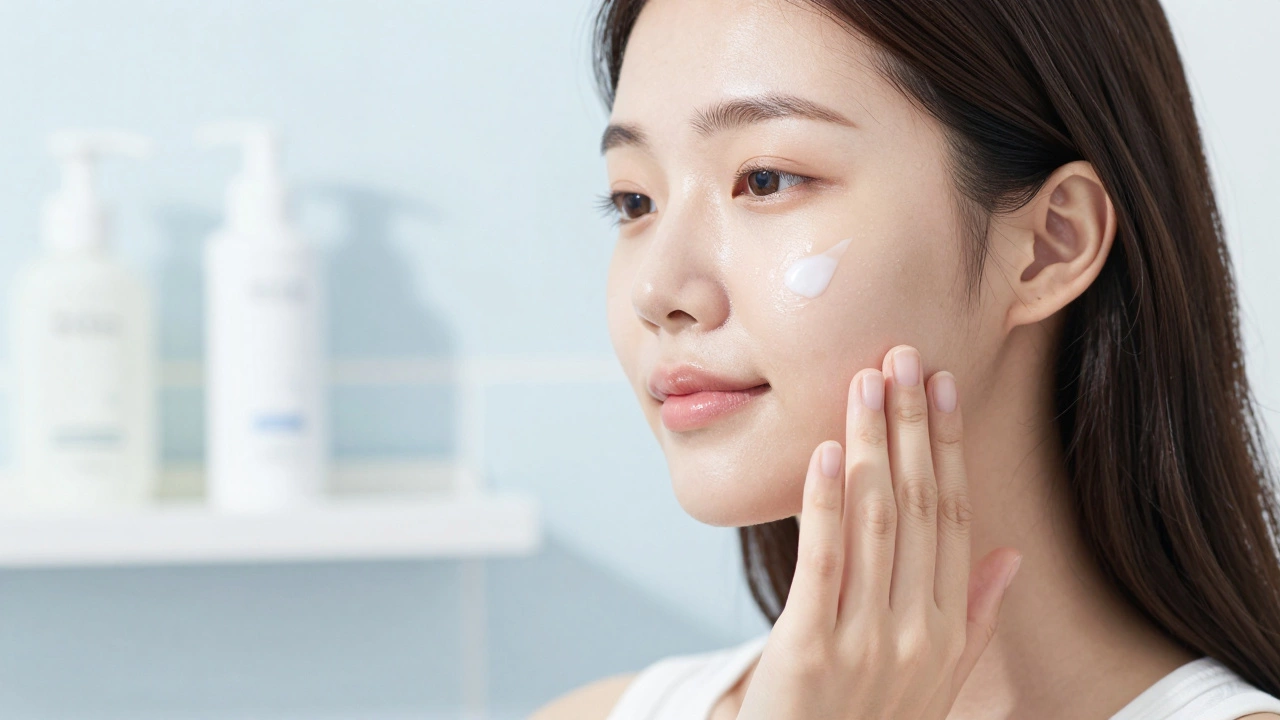
The concept of "glass skin"-that translucent, dewy look-isn’t just a trend; it’s the end result of years of consistent care. If you want to understand why Korean skin often looks so radiant, you have to look beyond the products and into the habits. It’s about treating skincare as a daily ritual rather than a chore. Let’s break down the actual reasons behind the glow and how you can adapt these principles for your own routine.
The Cultural Obsession with Sun Protection
If there is one non-negotiable rule in Korean beauty culture, it is this: never step outside without sunscreen. In many Western countries, sunscreen is viewed as something you wear only at the beach or during summer vacations. In Korea, it is a daily essential, regardless of the weather or season. Ultraviolet (UV) rays are responsible for up to 80% of visible skin aging, including wrinkles, dark spots, and loss of elasticity. By blocking these rays every single day, Koreans prevent damage before it starts.
This habit goes back decades. Historically, fair skin was associated with higher social status because it indicated you didn’t have to work outdoors in the fields. Today, while the social stigma has lessened, the protective habit remains deeply ingrained. Modern Korean sunscreens are also formulated differently. They tend to be lighter, more hydrating, and less likely to leave a white cast compared to older chemical-heavy formulas. This makes them easier to wear under makeup or alone, encouraging consistent use. When you protect your skin barrier from UV damage daily, you maintain a smoother, more even tone naturally.
Dietary Habits That Glow From Within
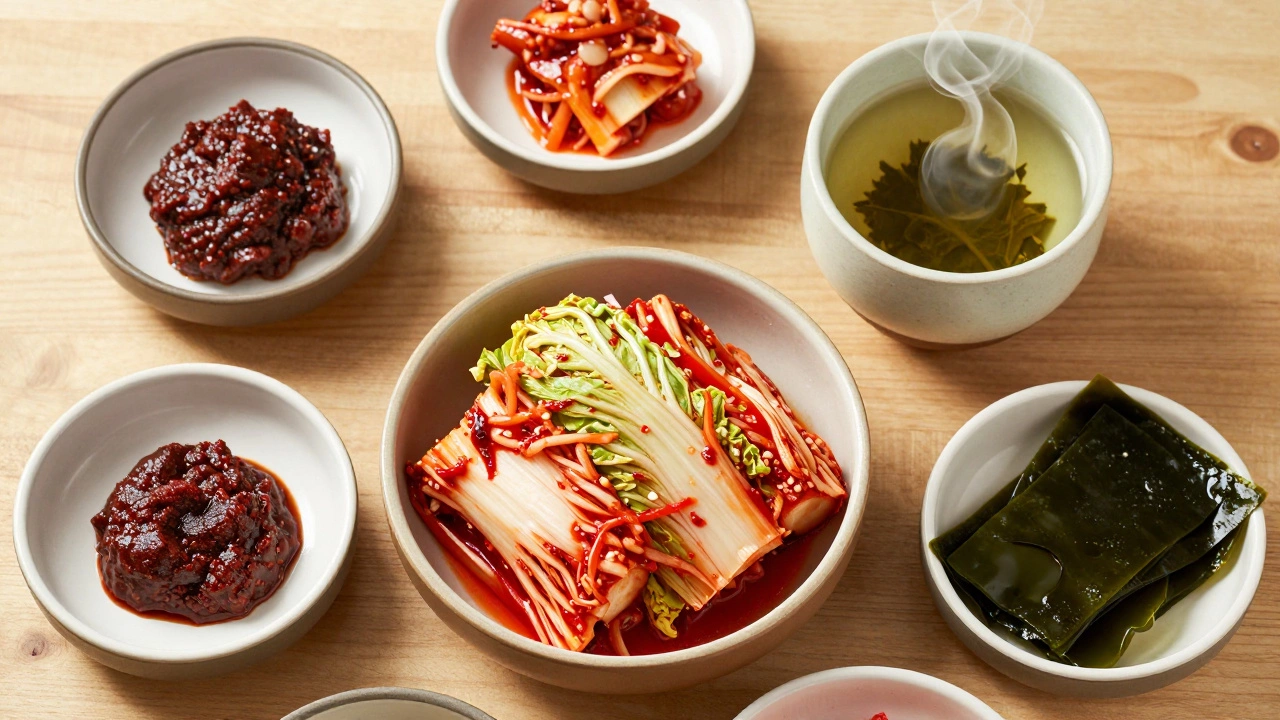
Skin health is heavily influenced by what you eat, and the traditional Korean diet is surprisingly aligned with dermatological best practices. One standout ingredient is fermented food. Kimchi, doenjang (soybean paste), and other fermented dishes are staples in almost every meal. These foods are rich in probiotics, which support gut health. There is a strong connection between the gut microbiome and skin inflammation. A healthy gut can reduce conditions like acne, eczema, and rosacea.
Another key component is green tea. Koreans consume vast amounts of green tea, which is packed with antioxidants called catechins. These compounds fight free radicals-unstable molecules that damage skin cells and accelerate aging. Additionally, the diet includes plenty of vegetables, seaweed, and fish, providing omega-3 fatty acids that keep the skin barrier strong and hydrated. You might not see immediate results from eating kimchi, but over months and years, an anti-inflammatory diet reduces redness and promotes a clearer complexion. It’s a holistic approach where nutrition supports topical treatments.
The Multi-Step Routine: Hydration Over Stripping
When people hear "10-step Korean skincare routine," they often feel intimidated. But the core principle isn’t about using ten different bottles; it’s about layering hydration. Western skincare often focuses on stripping away oil and bacteria with harsh cleansers and high-strength acids. Korean skincare focuses on maintaining the skin barrier. Think of your skin barrier like a brick wall. If the mortar (lipids and moisture) is cracked, irritants get in and moisture gets out. The goal is to repair and strengthen that mortar.
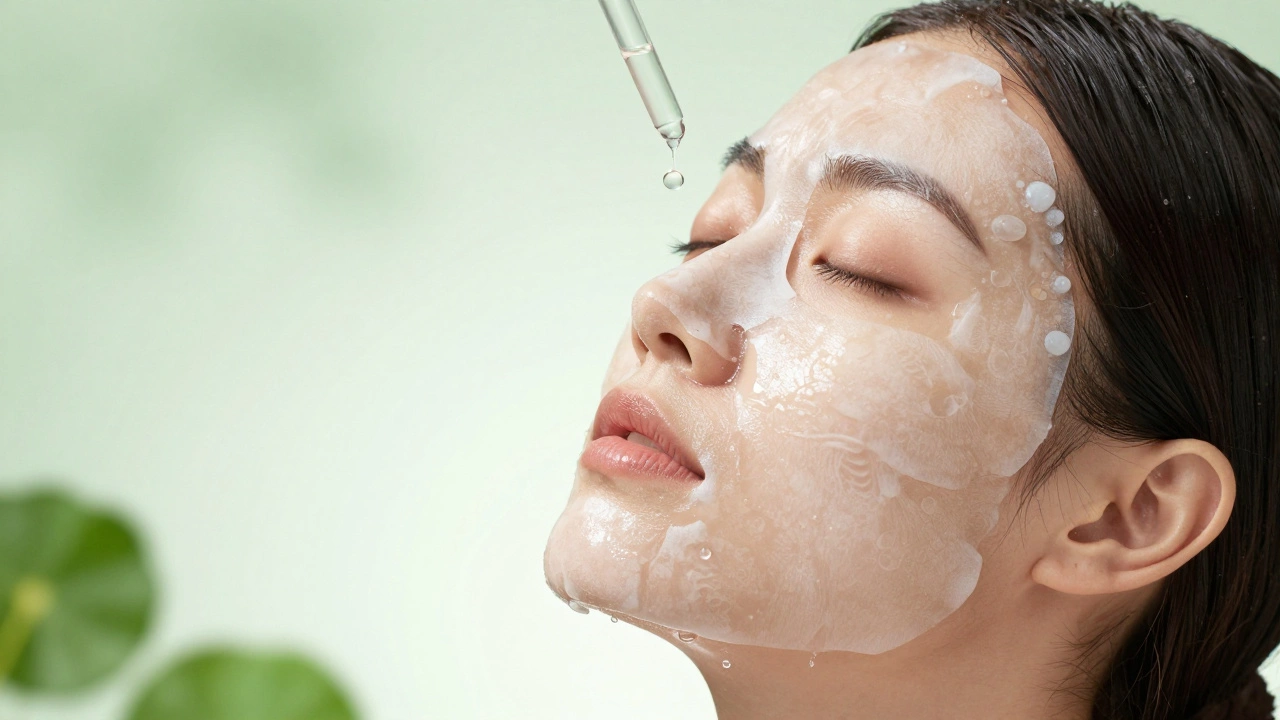
The routine typically involves gentle cleansing, exfoliation, toning, essence, serums, sheet masks, eye cream, moisturizer, and sunscreen. Each step adds a layer of moisture. For example, essences are lightweight liquids that deliver active ingredients deep into the skin, while toners balance the pH level after cleansing. Sheet masks are popular because they create an occlusive environment, forcing hydration into the skin for 15-20 minutes. This method ensures that the skin stays plump and supple. Instead of drying out acne with alcohol-based toners, Koreans soothe irritated skin with calming ingredients like centella asiatica (cica) and snail mucin. This gentle approach prevents the rebound oil production that often happens when skin is stripped too aggressively.
Early Prevention and Professional Treatments
In Korea, skincare education starts young. Teenagers are taught to cleanse properly and protect their skin long before signs of aging appear. This proactive mindset means that by the time most Koreans reach their 30s, they haven’t accumulated significant sun damage or premature wrinkles. Prevention is cheaper and easier than correction. Dermatologists in Korea emphasize early intervention for issues like pigmentation or texture irregularities.
Furthermore, professional treatments are widely accessible and socially normalized. Procedures like hydrafacials, laser toning, and LED light therapy are common maintenance steps, similar to getting a haircut. These treatments boost collagen production and improve cell turnover without the downtime associated with more aggressive Western procedures. The combination of home care and periodic professional maintenance keeps the skin looking refreshed and resilient. It’s not about chasing perfection; it’s about maintaining optimal health through regular check-ups and treatments.
Clean Air and Environmental Factors
While air pollution in Seoul has been a concern in recent years, the broader environmental context plays a role. Many parts of Korea have access to clean water sources, and public awareness regarding environmental impact on skin is high. However, it’s important to note that "good skin" is subjective. What we perceive as flawless online is often enhanced by lighting, filters, and makeup techniques. The real benefit of the Korean approach is healthier, stronger skin that ages gracefully, rather than just looking perfect for a photo.
| Aspect | Korean Approach | Traditional Western Approach |
|---|---|---|
| Primary Goal | Prevention & Hydration | Treatment & Correction |
| Sunscreen Use | Daily, year-round | Seasonal or outdoor activity only |
| Cleansing | Gentle, double cleansing | Often foaming, stripping oils |
| Active Ingredients | Natural extracts, probiotics | High-strength retinoids, AHAs |
| Frequency | Multi-layered, frequent | Minimalist, fewer steps |
Adapting the Routine for Your Life
You don’t need to live in Seoul to benefit from these principles. Start by making sunscreen a non-negotiable part of your morning routine. Choose a broad-spectrum SPF 30 or higher that feels comfortable on your skin. Next, evaluate your cleanser. If it leaves your skin feeling tight or squeaky, it’s too harsh. Switch to a creamy or oil-based cleanser that respects your skin barrier. Incorporate one hydrating layer, such as a hyaluronic acid serum or a gentle essence, before your moisturizer. Finally, consider adding fermented products to your diet or skincare line to leverage the power of probiotics. Consistency is key. Give any new routine at least six weeks to show results. Skin cells turnover roughly every 28 days, so patience is required to see true changes.
Is Korean skincare suitable for sensitive skin?
Yes, Korean skincare is often ideal for sensitive skin because it focuses on soothing ingredients like centella asiatica, green tea, and madecassoside. These components reduce inflammation and strengthen the skin barrier without causing irritation. Always patch-test new products, but generally, the gentle formulations are safer than harsh exfoliants.
Do I really need a 10-step routine?
No, the 10-step routine is a framework, not a strict rule. You can achieve great results with just three steps: cleanse, moisturize, and apply sunscreen. Add layers like toners or serums only if your skin needs extra hydration or specific treatment. Listen to your skin’s needs rather than following a rigid checklist.
What is the role of snail mucin in skincare?
Snail mucin is rich in glycoproteins, hyaluronic acid, and glycolic acid. It helps hydrate the skin, promote healing, and improve texture. It’s particularly effective for reducing the appearance of scars and fine lines. Despite its unusual source, it is well-tolerated by most skin types and is a staple in many Korean brands.
Can diet really change my skin quality?
Absolutely. High sugar and processed food intake can trigger inflammation and acne. Conversely, a diet rich in antioxidants, omega-3s, and probiotics supports skin health from within. While topical products address surface issues, nutrition addresses the root causes of inflammation and aging.
How often should I exfoliate if I follow a Korean routine?
Korean skincare favors gentle, frequent exfoliation over harsh, infrequent scrubbing. Using a mild enzymatic exfoliant or low-concentration AHA/BHA once or twice a week is recommended. Over-exfoliating can damage the skin barrier, leading to sensitivity and breakouts. Prioritize hydration after exfoliating.