Natural Wrinkle Reducer Personalized Routine Builder
Answer a few questions about your skin to get a personalized recommendation for the best natural wrinkle reducers and a custom daily routine.
Your Recommended Ingredients
Your Daily Routine
☀️ Morning Routine
🌙 Evening Routine
You’ve probably scrolled past dozens of creams promising to erase years in a week. It’s exhausting. The truth is, there isn’t one single magic bullet for wrinkles, but there are several powerful natural ingredients that actually work if you use them correctly. Finding the best natural wrinkle reducer means looking beyond marketing hype and understanding how your skin ages.
We’re going to cut through the noise. I’ll break down the top natural contenders, explain why they work, and help you decide which one fits your skin type and lifestyle. Whether you want to avoid harsh chemicals or simply prefer plant-based solutions, there’s a strategy here for you.
The Gold Standard: Why Retinol Still Leads
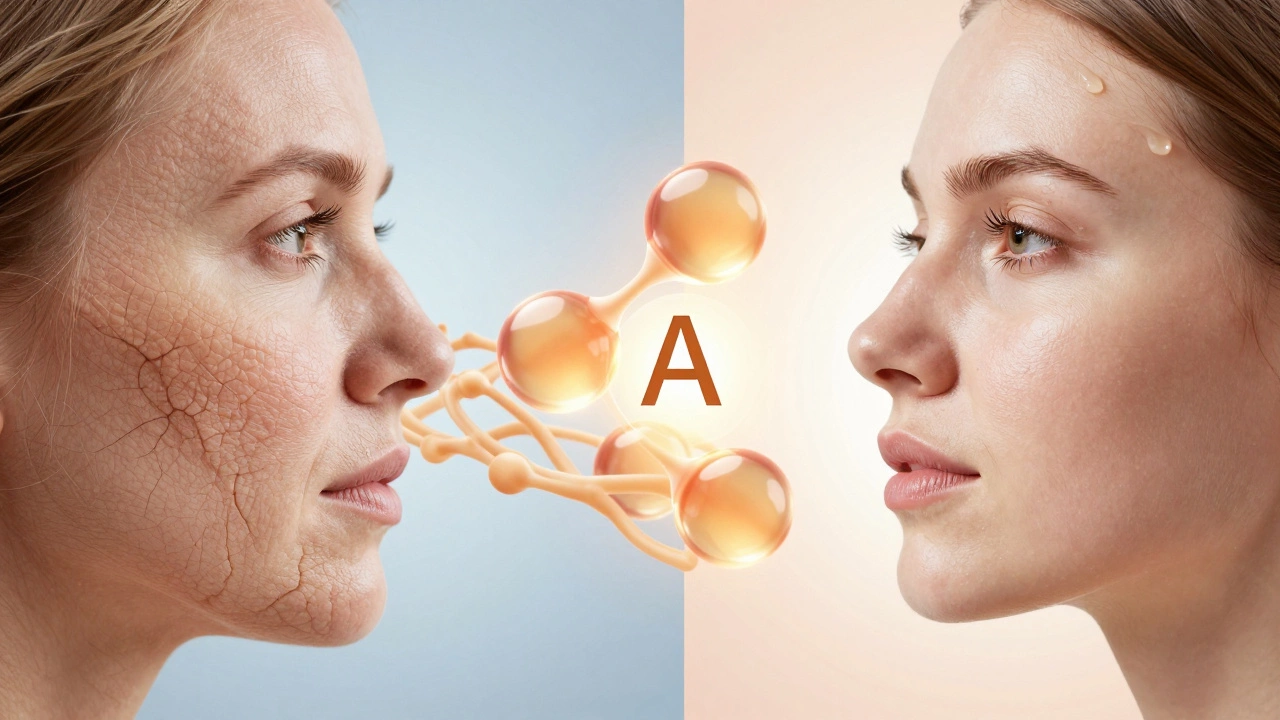
Before we dive into plants, we need to talk about Vitamin A. While often associated with synthetic labs, Retinol is a derivative of Vitamin A that accelerates cell turnover and boosts collagen production. It remains the most scientifically proven ingredient for reducing fine lines. Even "natural" brands often include it because nothing else matches its efficacy data.
If you’re open to using a naturally derived form of Vitamin A, this is your starting point. It works by shedding dead skin cells and forcing new ones to surface. This process thickens the deeper layers of your skin over time, smoothing out shallow wrinkles. However, it can be irritating. If your skin burns or peels, you might need a gentler alternative.
Bakuchiol: The Gentle Plant-Based Alternative
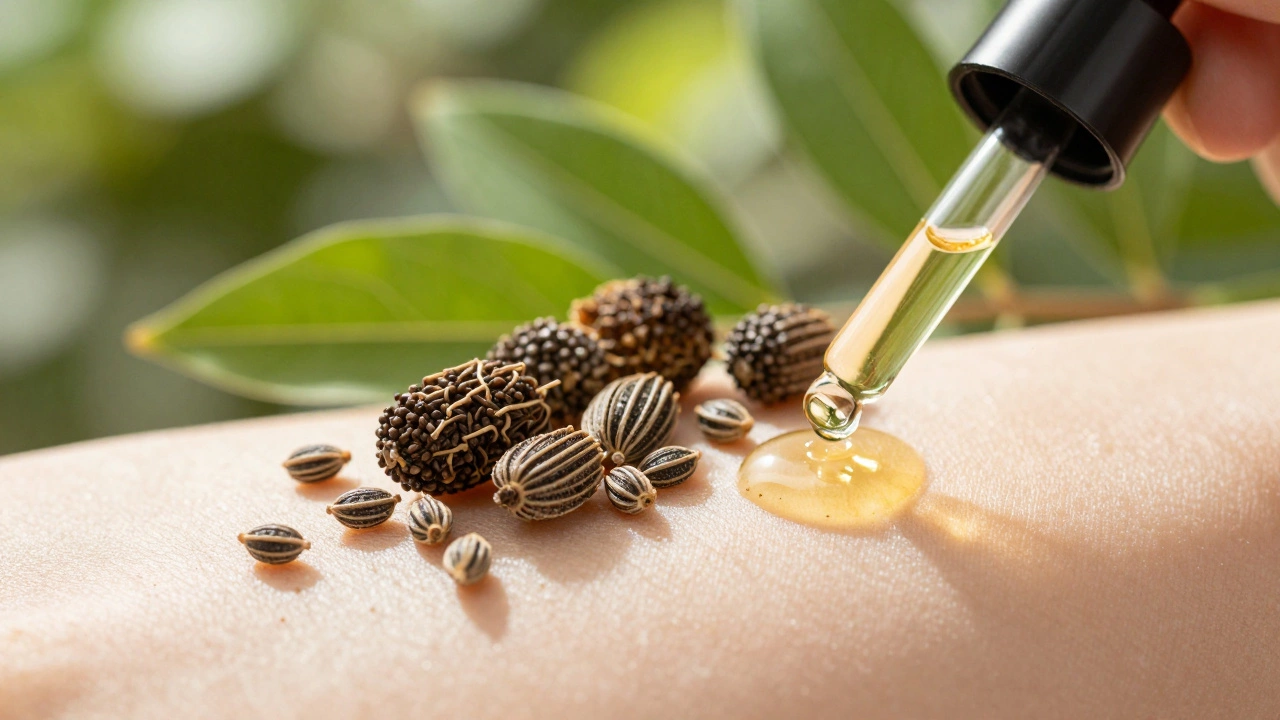
This is where things get interesting for those seeking strictly botanical options. Bakuchiol is an antioxidant extracted from the seeds of the Psoralea corylifolia plant, traditionally used in Ayurvedic medicine. Recent studies have shown it mimics many of the effects of retinol without the redness or sensitivity.
I love recommending bakuchiol for beginners or anyone with sensitive skin. It’s stable in sunlight, meaning you can use it during the day, unlike traditional retinol which degrades in UV light. It reduces inflammation and stimulates collagen synthesis. If you’ve tried retinol and hated the side effects, bakuchiol is likely your best natural wrinkle reducer.
| Ingredient | Primary Benefit | Sensitivity Risk | Best For |
|---|---|---|---|
| Bakuchiol | Collagen stimulation, gentle exfoliation | Low | Sensitive skin, daytime use |
| Peptides | Signal repair, firming | Very Low | All skin types, loss of elasticity |
| Vitamin C | Brightening, antioxidant protection | Medium (can sting) | Dull skin, sun damage |
| Hyaluronic Acid | Hydration, plumping | None | Dehydration lines, dry skin |
Peptides: The Communication Experts
Think of Peptides as short chains of amino acids that act as messengers, signaling your skin to produce more collagen and elastin. They don’t exfoliate like acids or retinol; instead, they tell your body to repair itself. This makes them incredibly effective for sagging skin and deep folds.
Copper peptides are particularly popular in natural formulations. They support wound healing and tissue repair. When you apply a peptide serum, you’re essentially giving your skin a memo that says, "Hey, make more structural protein." Over months, this leads to firmer, tighter skin. They pair beautifully with almost any other ingredient, making them a versatile staple.
Vitamin C: Protection Against Future Wrinkles
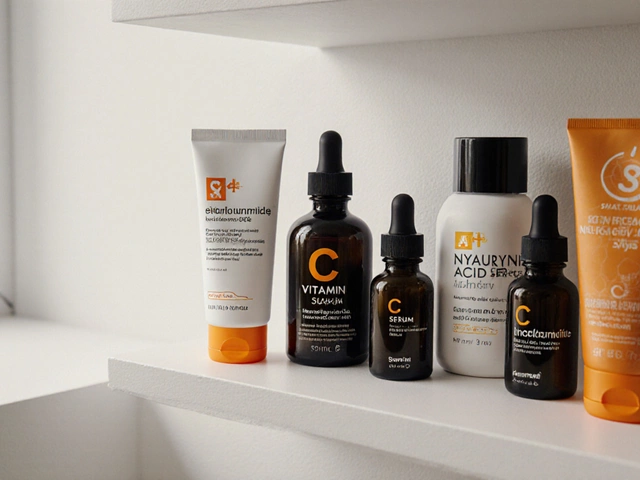
You can’t reduce wrinkles effectively if you’re still creating new ones. Vitamin C is a potent antioxidant that neutralizes free radicals caused by UV exposure and pollution. Without it, your collagen breaks down faster than you can replace it.
Natural sources like Kakadu plum or camu camu offer high concentrations of this vitamin. Look for L-ascorbic acid or stable derivatives like sodium ascorbyl phosphate. Vitamin C doesn’t just protect; it also brightens hyperpigmentation, which often accompanies aging skin. Use it every morning under sunscreen for maximum defense.
Hyaluronic Acid: The Hydration Hero
Not all wrinkles are created equal. Some are permanent structural changes, while others are temporary dehydration lines. Hyaluronic Acid is a humectant molecule that holds up to 1000 times its weight in water, drawing moisture into the skin. It’s found naturally in our bodies but declines with age.
When applied topically, it plumps the skin instantly, making fine lines less visible. It’s not a cure for deep wrinkles, but it’s essential for maintaining skin health. Always apply hyaluronic acid to damp skin so it has water to grab onto. If you apply it to dry skin in a dry climate, it might actually pull moisture *out* of your skin, causing more irritation.
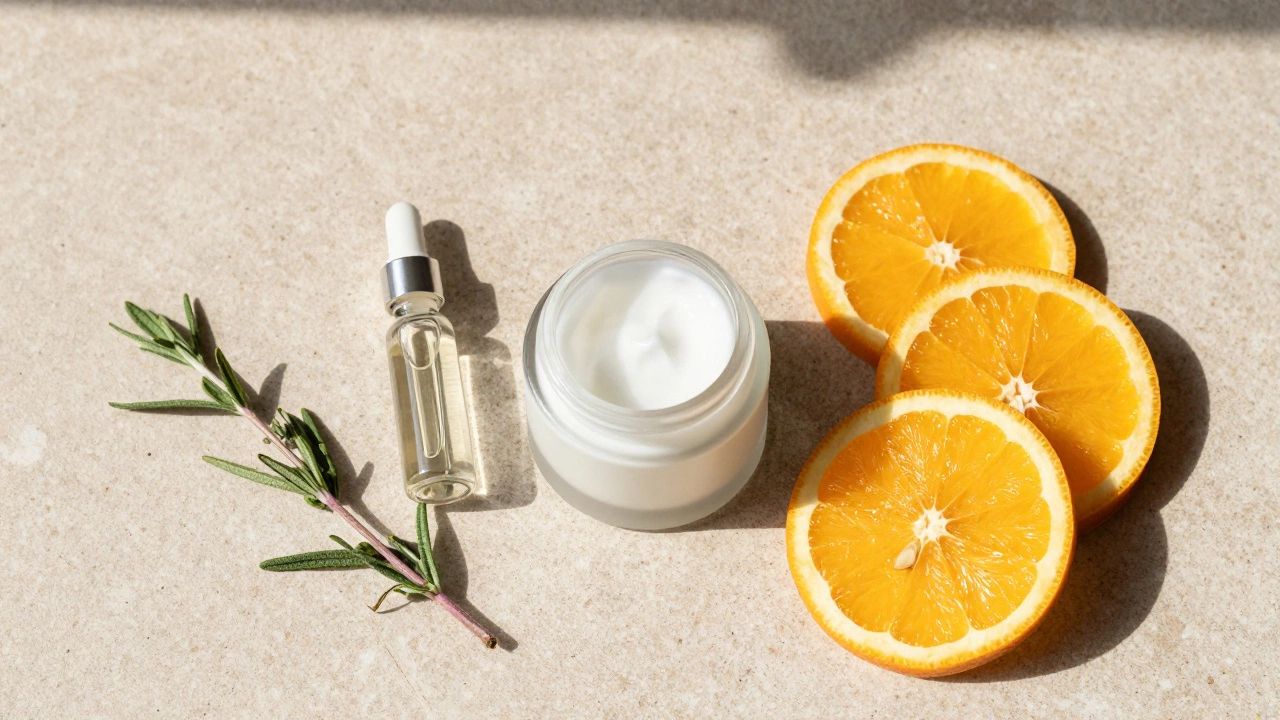
Building Your Routine: How to Combine Them
Using these ingredients together creates synergy. Here’s a simple, effective routine:
- Morning: Cleanse, apply Vitamin C serum, follow with Hyaluronic Acid, then moisturize and SPF 30+.
- Evening: Cleanse, apply Bakuchiol or Retinol (not both at once), follow with a Peptide serum or rich moisturizer.
Consistency beats intensity. You won’t see results in three days. Give any new product at least eight weeks to show its true effect. Skin cycles take about 28 days, so two full cycles are needed to judge efficacy.
Pitfalls to Avoid
Don’t fall for "instant" wrinkle erasers. Most contain silicones that fill lines temporarily but wash off. They don’t change your skin structure. Also, avoid mixing too many active ingredients at once. Using strong acids, retinol, and vitamin c simultaneously can damage your skin barrier, leading to more inflammation and accelerated aging.
Finally, remember that internal health matters. Dehydration, high sugar intake, and lack of sleep break down collagen faster than any topical cream can rebuild it. Drink water, limit processed sugars, and prioritize rest.
Is bakuchiol really as effective as retinol?
Studies suggest bakuchiol offers comparable improvements in skin texture and wrinkle depth after 12 weeks of use, but it acts more gently. It may take slightly longer to see dramatic results compared to prescription-strength retinoids, but with significantly less irritation.
Can natural ingredients remove deep wrinkles?
Natural ingredients can soften and improve the appearance of deep wrinkles, but they cannot completely eliminate them like surgical procedures or injectables might. They work best on fine lines and early-stage aging signs.
How long does it take to see results from natural wrinkle reducers?
Expect to wait at least 8 to 12 weeks for visible changes. Collagen production is a slow biological process. Consistent daily use is key to achieving noticeable improvements in skin firmness and texture.
Should I use vitamin C and retinol together?
It’s generally safer to separate them. Use Vitamin C in the morning for antioxidant protection and Retinol (or Bakuchiol) at night for repair. Using them together can sometimes cause irritation or reduce the stability of the Vitamin C.
Are peptides safe for all skin types?
Yes, peptides are among the gentlest anti-aging ingredients. They are suitable for sensitive, oily, and dry skin types alike. They do not typically cause purging or irritation, making them an excellent addition to any routine.