Shampoo Matchmaker
Answer these quick questions to get a personalized shampoo recommendation.
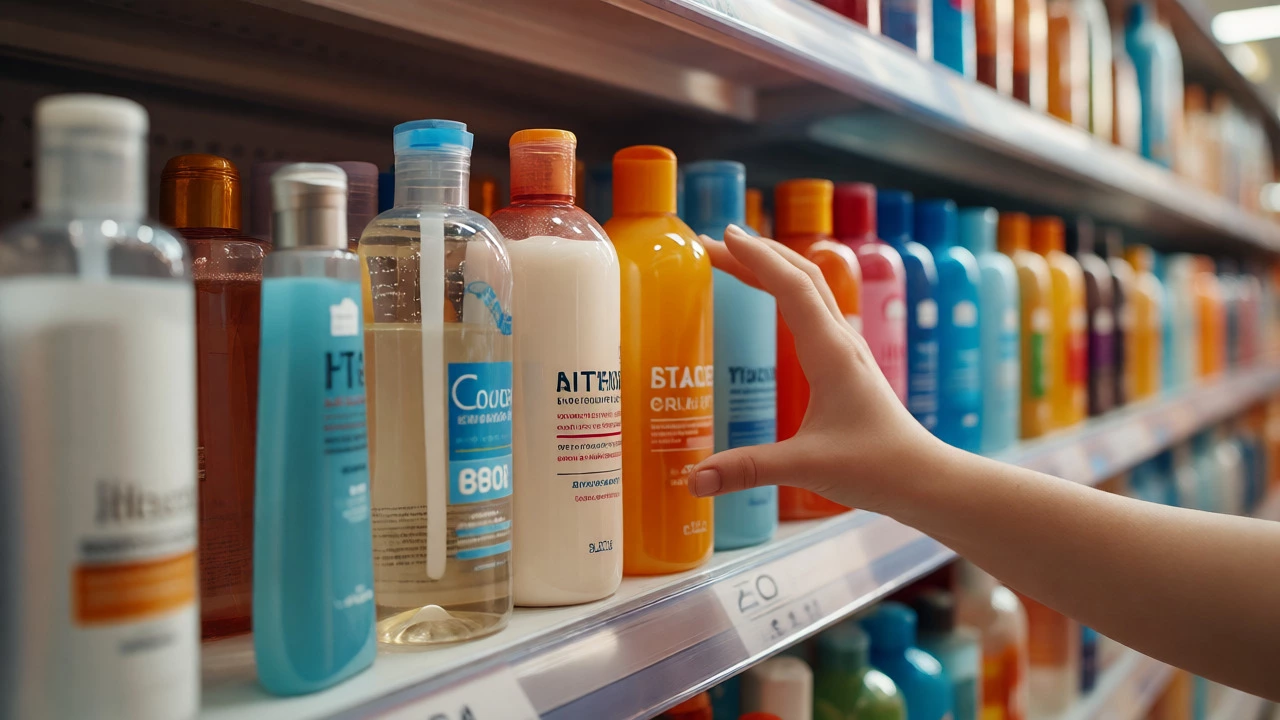
Walk down any beauty aisle and you’ll see a wall of colorful bottles promising everything from "miraculous shine" to "instant volume." It’s overwhelming. You might be tempted to grab the one with the prettiest packaging or the highest price tag, but here’s the hard truth: there is no single best shampoo that works for everyone. The right choice depends entirely on your scalp health, hair texture, and lifestyle. What saves my dry ends might leave your oily roots feeling like grease traps. So, how do you cut through the marketing noise?
This guide breaks down exactly what to look for based on real-world scenarios, not just label claims. We’re talking about specific ingredients, washing frequencies, and how to match products to your actual needs in late 2026. Whether you’re dealing with post-summer sun damage, hard water buildup, or just want healthier strands, we’ve got you covered.
The Quick Fix: Top Picks by Hair Type
Before we get into the science, let’s give you the cheat sheet. If you’re short on time, these are the categories that consistently deliver results for specific hair profiles.
| Hair Concern | Recommended Formula | Key Ingredient to Look For |
|---|---|---|
| Oily Scalp / Fine Hair | Clarifying or Volumizing | Salicylic Acid, Tea Tree Oil |
| Dry / Curly / Coily | Moisturizing / Sulfate-Free | Shea Butter, Glycerin, Argan Oil |
| Color-Treated | Color-Safe / Gentle | Amino Acids, UV Filters |
| Dandruff / Flaky Scalp | Medicated / Anti-Fungal | Zinc Pyrithione, Ketoconazole |
| Damaged / Bleached | Repairing / Bond-Building | Keratin, Hydrolyzed Wheat Protein |
Know Your Scalp, Not Just Your Hair
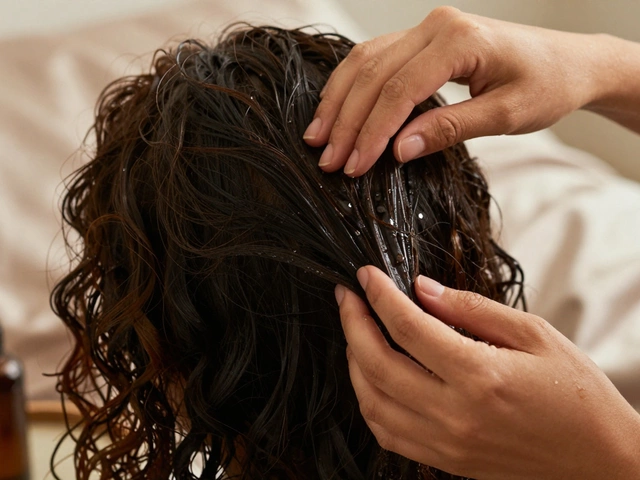
Most people wash their hair thinking it’s all about the strands. But hair grows from the scalp, and if your scalp isn’t happy, neither is your hair. Think of your scalp as soil; you wouldn’t plant delicate flowers in concrete, right? The same logic applies here.
If you have an oily scalp, your sebaceous glands are overproducing sebum. Using a heavy, creamy shampoo will weigh you down and make you feel greasy within hours. Instead, opt for a clear, gel-based formula. These often contain surfactants like sodium lauryl sulfate (SLS) or sodium laureth sulfate (SLES). Yes, sulfates get a bad rap, but for oily scalps, they are incredibly effective at stripping away excess oil and product buildup.
On the flip side, if you have a dry scalp, sulfates can be too harsh. They strip natural oils, leading to itchiness and flaking. Here, you want a sulfate-free shampoo. These use milder cleansing agents like coco-glucoside or decyl glucoside. They clean without destroying your moisture barrier. A common mistake? Assuming curly hair equals dry scalp. Many people with tight curls actually have normal or even oily scalps but dry lengths because the natural oils can’t travel down the spiral shaft. In this case, focus the shampoo on the roots and let the suds run down the ends when rinsing.
Decoding the Ingredient List
You don’t need a chemistry degree, but you do need to know what three words mean: Sulfate, Silicone, and Alcohol.
Sulfates are detergents. They create foam. Foam feels nice, but it doesn’t necessarily mean cleaner. If you have color-treated hair, sulfates fade dye faster by opening the hair cuticle. Switch to a gentle, non-sulfate option to keep that expensive balayage looking fresh longer.
Silicones (look for words ending in -cone, -conol, or -siloxane) coat the hair shaft. They provide instant slip and shine. Great for detangling! But over time, they build up, making hair look dull and feel heavy. If you use silicone-heavy conditioners, you need a shampoo that can remove them-usually one with sulfates or a dedicated clarifying wash once a month.
Alcohols are tricky. Fatty alcohols like cetyl alcohol are good-they moisturize. Drying alcohols like isopropyl alcohol or ethanol evaporate quickly and can dehydrate hair. Check the position in the ingredient list; if drying alcohol is near the top, put the bottle back.
The Water Factor: Hard vs. Soft
Living in Wellington, I deal with soft water most days, but if you’re in a region with hard water, your shampoo experience changes completely. Hard water contains high levels of calcium and magnesium. These minerals bind to soap and shampoo, creating a sticky residue called "soap scum." This leaves hair feeling straw-like and dull, no matter how much conditioner you use.
If you suspect hard water, regular shampoos won’t cut it. You need a chelating shampoo. These contain ingredients like EDTA (ethylenediaminetetraacetic acid) or citric acid that bind to metal ions and wash them away. Use this once every two weeks. Alternatively, install a shower filter. It’s a one-time cost that improves hair health across the board, reducing the need for harsh clarifying washes.
Frequency Matters More Than Brand
How often you wash is just as critical as what you use. There’s no universal rule, but here’s a practical framework:
- Fine/Oily Hair: Daily or every other day. You risk clogging follicles if oil builds up too long.
- Normal/Wavy Hair: Every 2-3 days. Let natural oils distribute slightly before washing.
- Curly/Coily/Dry Hair: Once a week or less. Over-washing strips essential moisture, leading to frizz.
- Active Lifestyle: If you sweat heavily, rinse with water only between washes, or use a co-wash (conditioner-only wash) to refresh without stripping.
Notice the trend? Less is more for textured hair. More frequent washing for fine hair. Adjust based on how your scalp feels, not what a magazine told you to do in 2015.
Common Myths That Waste Money
Let’s bust a few myths that keep us buying the wrong products.
Myth 1: Expensive means better. False. A $40 salon shampoo isn’t magically superior to a $10 drugstore brand if the ingredients are identical. Often, you’re paying for the scent, packaging, and brand prestige. Read the label, not the price tag.
Myth 2: Shampoo must lather to work. False. As mentioned, sulfates cause lather. Sulfate-free shampoos may barely foam but still clean effectively. Don’t add extra product trying to force bubbles; you’re just wasting money.
Myth 3: Natural/Organic is always safer. Not necessarily. Essential oils like peppermint or tea tree are natural but can irritate sensitive skin. Conversely, some synthetic preservatives are crucial to prevent mold in wet environments. "Natural" is a marketing term, not a safety guarantee.
Pro Tips for Better Results
Even the best shampoo fails if used incorrectly. Here’s how to maximize your routine:
- Pre-poo for Dry Ends: Apply a lightweight oil (like jojoba) to the mid-lengths and ends *before* getting in the shower. This protects fragile ends from the shampoo’s cleansing action.
- Focus on Roots: Never scrub the ends of your hair vigorously. The suds running down during the rinse are enough to clean the lengths. Scrubbing causes friction and breakage.
- Cool Rinse: Finish with cool water. Hot water opens the cuticle; cold water seals it, locking in moisture and adding shine.
- Rotate Products: Your scalp adapts. Alternate between a daily gentle shampoo and a weekly clarifying shampoo to prevent buildup and maintain balance.
Choosing the right shampoo isn’t about finding a magic potion. It’s about understanding your biology and matching it with the right chemistry. Start with your scalp type, consider your local water quality, and adjust frequency based on activity. Tweak one variable at a time. If your hair feels softer, shinier, and less prone to breakage after four weeks, you’ve found your winner.
Is sulfate-free really better for everyone?
No. Sulfate-free is ideal for dry, curly, or color-treated hair because it preserves natural oils. However, for those with very oily scalps or heavy product usage, sulfates are often necessary to thoroughly remove buildup. If you switch to sulfate-free and feel your hair is still dirty, you likely need a stronger cleanser.
How do I know if I have hard water?
Signs include white scale deposits on faucets, soap that doesn't lather well, and hair that feels stiff or looks dull despite washing. You can buy inexpensive test strips online or check your local municipal water report. If hardness exceeds 7 grains per gallon, consider a chelating shampoo or shower filter.
Can I use body wash on my hair?
In a pinch, yes, but not regularly. Body washes are formulated for skin pH and may lack the conditioning agents needed for hair. They can strip hair of moisture, leaving it tangled and brittle. Always use a product specifically designed for hair if possible.
What is co-washing?
Co-washing means using conditioner instead of shampoo to cleanse the hair. It relies on mild surfactants in conditioner to lift dirt while retaining moisture. It's excellent for very dry or curly hair types but can lead to buildup for fine or oily hair if not clarified occasionally.
Do expensive shampoos last longer?
Often, yes. High-end shampoos are frequently more concentrated, meaning you need less product per wash. While the upfront cost is higher, the cost-per-use might be similar to cheaper, diluted alternatives. Always compare concentration levels on the label.