Weak Hair Recovery Estimator
Recovery Timeline Estimate
Enter your details to see your personalized recovery estimate.
Weak hair doesn’t just look bad-it snaps when you brush it, falls out in the shower, and refuses to grow past a certain length. If you’ve tried every shampoo labeled ‘fortifying’ and still see strands everywhere, you’re not failing. You’re just using the wrong approach. Fixing weak hair isn’t about buying the most expensive product. It’s about understanding what’s actually breaking your hair down-and how to stop it.
Why Your Hair Feels Like Straw
Weak hair isn’t one problem. It’s usually a mix of damage, neglect, and biology. Most people blame heat tools or coloring, but those are often just the final triggers. The real culprits are deeper.
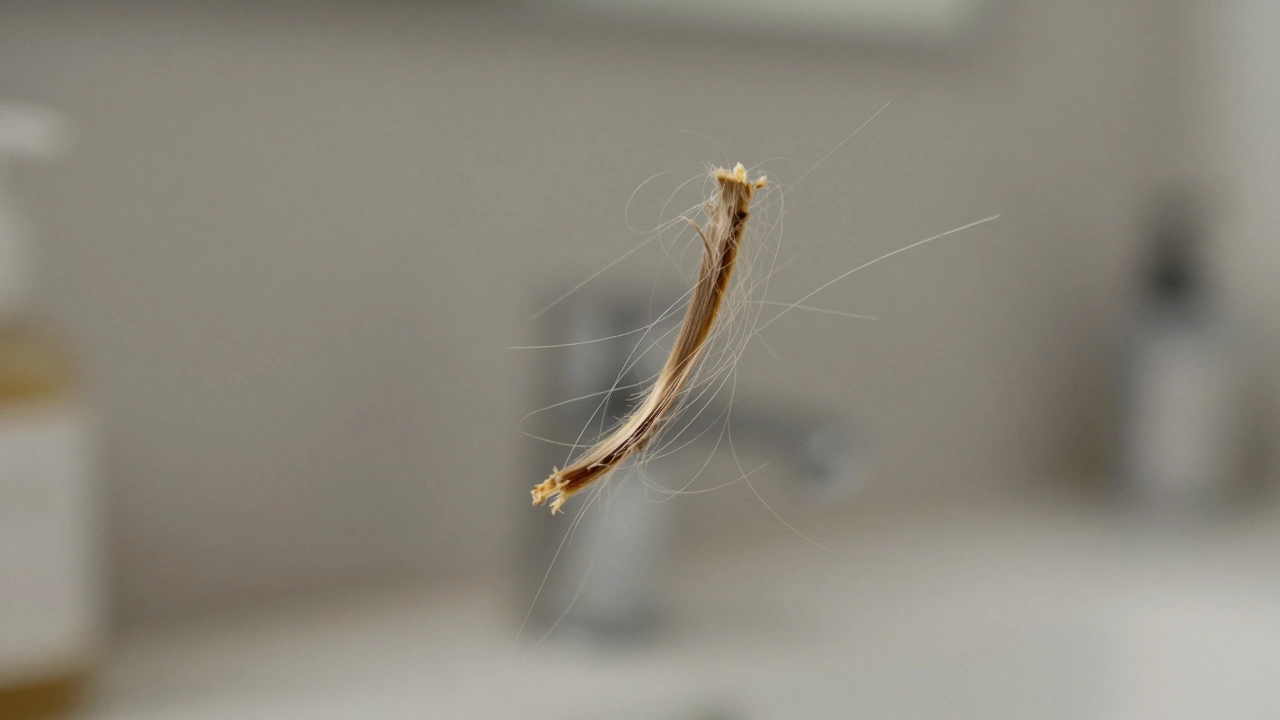
Your hair is made of keratin, a protein that needs moisture and structure to stay strong. When the cuticle-the outer layer-gets lifted or stripped, moisture escapes. That’s when hair becomes brittle, frizzy, and snaps easily. Chemical treatments like bleach, relaxers, and even some permanent dyes break down the hair’s internal bonds. Heat from straighteners and blow dryers above 180°C (356°F) causes irreversible damage. Even tight ponytails and rough brushing can cause breakage over time.
But here’s what most guides skip: internal factors. Low iron, vitamin D deficiency, thyroid issues, and chronic stress all show up as thinning or brittle hair. If you’ve been dieting hard, skipping meals, or sleeping poorly, your hair is one of the first things to suffer. It’s not vanity-it’s survival. Your body prioritizes vital organs over strands.
Stop the Damage First
You can’t repair what you keep breaking. Start by cutting out the habits that make weak hair worse.
- Reduce heat styling to once a week, and always use a heat protectant spray with dimethicone or hydrolyzed wheat protein.
- Ditch sulfate shampoos. They strip natural oils and leave hair dry and porous. Look for sulfate-free formulas with gentle cleansers like decyl glucoside or cocamidopropyl betaine.
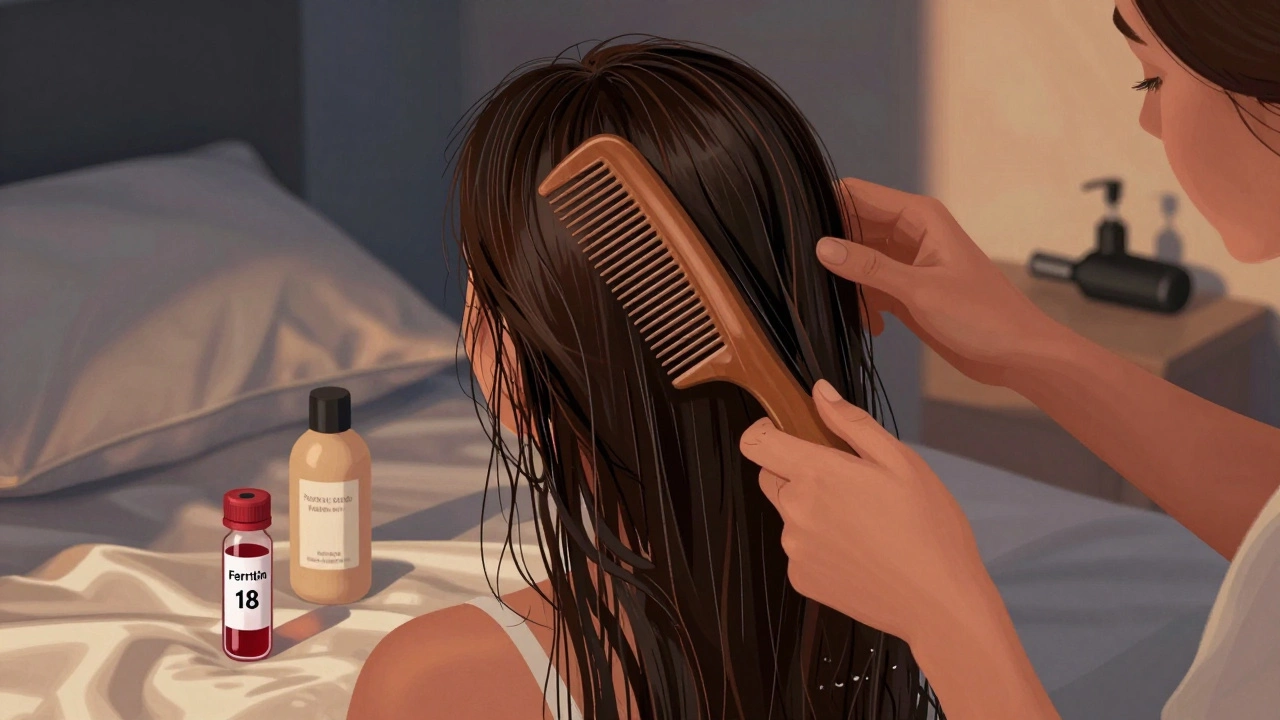
- Avoid brushing wet hair. Wet hair is 50% more fragile. Use a wide-tooth comb instead, starting from the ends and working up.
- Switch to a silk or satin pillowcase. Cotton absorbs moisture and tangles hair overnight. Silk reduces friction and helps retain hydration.
- Loosen your hairstyles. Tight buns, braids, and ponytails pull on follicles and cause traction alopecia. Try loose buns or low ponytails with soft scrunchies.
These aren’t ‘nice-to-haves.’ They’re non-negotiable if you want to stop the bleeding. Fixing weak hair starts with stopping the damage. No product can undo constant abuse.
Build Strength from the Inside
Shampoos and masks can’t fix what your body isn’t supplying. Hair grows from the root, and roots need nutrients.
Studies show that biotin (vitamin B7) helps improve hair thickness in people with low levels-but only if you’re deficient. Most people get enough from eggs, nuts, and whole grains. What’s more critical is iron. Low ferritin (stored iron) is one of the top causes of hair thinning in women under 50. Get your levels checked. If they’re below 70 ng/mL, talk to your doctor about supplementation.
Other key players:
- Vitamin D: Deficiency links to telogen effluvium-a condition where hair sheds prematurely. Sunlight is the best source, but in places like Wellington, winter sunlight isn’t enough. Consider 1000-2000 IU daily.
- Zinc: Helps with cell reproduction and repair. Found in oysters, beef, pumpkin seeds. Low zinc = slower growth.
- Omega-3s: Reduce scalp inflammation and support follicle health. Flaxseeds, chia seeds, and algae oil work well for plant-based diets.
Don’t waste money on multi-vitamins labeled ‘for hair.’ Pick targeted supplements based on blood tests. Overdoing biotin can mess with thyroid tests and cause breakouts.
Use the Right Hair Products
Not all ‘strengthening’ products are created equal. Look for ingredients backed by science, not marketing.
Ceramides seal the cuticle and lock in moisture. They’re naturally found in hair but get stripped away by washing and heat. A conditioner with ceramides helps rebuild the barrier.
Hydrolyzed proteins like keratin, silk, or wheat protein penetrate damaged areas and reinforce the hair shaft. They’re especially effective in leave-in conditioners or weekly masks.
Castor oil is often touted as a miracle cure, but it’s thick and can clog pores if used on the scalp. Use it only on ends, once a week, as a sealant-not a treatment.
For daily use, choose a leave-in conditioner with panthenol (pro-vitamin B5). It swells the hair shaft slightly, making strands feel thicker and more resilient. It also helps retain moisture without weighing hair down.
Apply treatments to damp hair, not soaking wet. Water dilutes the product. Focus on mid-lengths to ends-where damage accumulates. Skip the scalp unless you have dandruff or flaking.
A Simple Weekly Routine That Works
You don’t need 10 steps. Here’s a realistic plan that fits into a busy life.
- Wash: Use a sulfate-free shampoo 2-3 times a week. Massage gently-don’t scrub like you’re scrubbing a dish.
- Condition: Always. Leave it on for 3-5 minutes. Rinse with cool water to seal the cuticle.
- Weekly Mask: Once a week, use a protein-rich mask (look for hydrolyzed keratin or silk amino acids). Leave on for 15-20 minutes. Rinse well.
- Leave-In: After towel-drying, apply a pea-sized amount of leave-in conditioner to damp hair. Don’t overdo it.
- Oil Ends: Twice a week, rub a drop of argan or jojoba oil between palms and smooth over ends.
- Protect: Sleep on silk. Avoid tight styles. Let hair air-dry when you can.
Stick to this for 8-12 weeks. You won’t see overnight results, but you’ll notice less breakage, fewer flyaways, and hair that holds styles better.

When to See a Professional
If your hair is falling out in clumps, your scalp is red or itchy, or you’ve lost more than 100 strands a day for over two months, it’s time to see a dermatologist. This isn’t normal shedding-it’s a signal.
A trichologist (hair specialist) can do a scalp biopsy or pull test to check for conditions like alopecia areata, fungal infections, or hormonal imbalances. Blood tests for ferritin, TSH, and vitamin D are often covered by insurance.
Don’t wait until your ponytail is visibly thinner. Early intervention makes recovery faster and more complete.
What Doesn’t Work (And Why)
There’s a lot of noise out there. Here’s what to ignore:
- Scalp massages with essential oils: They feel nice, but there’s no solid evidence they stimulate growth. Rosemary oil may help slightly with circulation, but it won’t fix nutrient deficiencies.
- ‘Hair growth’ serums with minoxidil: These work for pattern baldness, not weak, brittle hair. They can irritate the scalp and cause shedding at first.
- Raw egg masks: Raw eggs carry salmonella risk and don’t penetrate hair. The protein in eggs is too large to be absorbed by the strand.
- Coconut oil as a pre-wash treatment: While it helps reduce protein loss in some hair types, it’s not a fix for structural damage. Use it sparingly.
Stick to what science supports-not TikTok trends.
Real Results, Real Time
One client, Anna, 34, from Christchurch, had hair that broke off at shoulder length for three years. She washed daily, used heat tools every day, and ate a low-protein vegan diet. After blood tests, she found her ferritin was at 18 ng/mL. She started taking iron supplements, switched to a silk pillowcase, cut heat styling, and used a weekly keratin mask.
After 10 weeks, her breakage dropped by 80%. She grew 2 inches of new hair-without any extensions or treatments. She didn’t buy a new shampoo. She fixed her habits.
Weak hair isn’t permanent. It’s reversible-if you stop the damage, fuel your body, and use the right products. It takes patience, not money. And it starts today-with one less blow-dry, one better meal, one silk pillowcase.
Can weak hair grow back?
Yes, if the follicles are still alive. Weak hair caused by damage, stress, or nutrient deficiency can regrow once the triggers are removed. But if follicles have been permanently damaged by scarring, genetics, or autoimmune conditions, regrowth won’t happen without medical treatment.
How long does it take to fix weak hair?
You’ll notice less breakage in 4-6 weeks. Full improvement-stronger texture, less shedding, visible growth-takes 3-6 months. Hair grows about 1 cm per month, so patience is key. Consistency beats speed.
Does cutting hair help weak hair?
Trimming doesn’t make hair stronger, but it removes split ends that can travel up the strand and cause more breakage. Get a trim every 8-12 weeks to keep ends healthy. Don’t cut too much-just enough to remove damaged tips.
Can I use protein treatments every week?
No. Too much protein makes hair stiff and brittle. Use protein treatments once a week at most. If your hair feels straw-like or snaps easily after a treatment, you’re overdoing it. Switch to a moisture-rich mask next time.
Does brushing hair 100 times a day help?
No. That’s an old myth. Brushing too much, especially with plastic bristles, causes friction and breakage. Use a wide-tooth comb on damp hair and a boar bristle brush only on dry hair to distribute natural oils. Less is better.